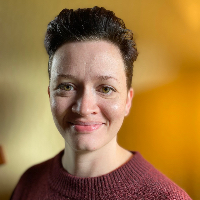
Therapist profile
Catherine Chapman, LCSW
LCSW working with trauma and mood concerns
- Credentials
- LCSW
- Licensed in
- Oklahoma, Oregon, North Dakota, Maine, Washington
- License
- LCSW 5893 (Oklahoma); LCSW L13096 (Oregon); LCSW 6253 (North Dakota); LCSW LC21229 (Maine); LICSW LW61324611 (Washington)
- NPI
- 1619597267
- Experience
- 4 years
- Languages
- English
- Cognitive Behavioral Therapy
- EMDR therapy
- Solution-Focused work
About Catherine
Catherine Chapman, LCSW, is licensed in North Dakota and Oregon and practices in Oklahoma with four years of clinical experience. She works with stress, anxiety, depression, trauma and abuse, grief, addictions, LGBT concerns, eating issues, parenting strain, self-esteem, career questions, bipolar disorder, and coping with life changes. She describes her role as helping people recognize strengths and learn practical tools to manage hard times.
Catherine uses Cognitive Behavioral Therapy, Eye Movement Desensitization and Reprocessing, Mindfulness Therapy, Motivational Interviewing, and Solution-Focused Therapy. She frames work around a strengths perspective and a person-in-environment view. Sessions focus on building skills, identifying useful patterns, and setting concrete steps forward.
Her background includes work in hospital and medical settings where she helped patients and families access resources and manage health-related stress. That experience shaped her approach to grief, end-of-life concerns, and caregiver strain. She also has experience with first responder and veteran issues and post-traumatic stress.
In sessions she aims to listen without judgment and to help people find tools that fit their daily life. EMDR is part of her practice and has been used since 2021 to address trauma-related symptoms. She emphasizes short-term, solution-focused work alongside skill building and motivational interviewing for change.
Catherine balances practical support with attention to a person’s broader context. People meet to talk through specific problems, learn coping strategies, and plan next steps. The goal is clearer thinking and manageable action rather than long, unfocused conversation.
Therapeutic approaches used in online work
Cognitive Behavioral Therapy helps identify unhelpful thoughts and behaviors and replace them with more useful alternatives. It is often used for anxiety, depression, and stress-related problems.Eye Movement Desensitization and Reprocessing, or EMDR, targets traumatic memories and their emotional impact by combining focused recollection with guided bilateral stimulation. It is used for post-traumatic stress and trauma-related symptoms.
Mindfulness Therapy teaches simple attention and breathing practices to reduce reactivity and increase present-moment awareness. It can help with stress, worry, and emotional regulation.
Finding the right approach is part of the work together. The therapist will talk with each person about goals, symptoms, and preferences and will suggest methods that fit those needs. Decisions about which techniques to use are made collaboratively and reviewed over time.
Confirm the current session formats before booking. The therapist will explain which formats she offers and help arrange sessions that fit everyday life. Online work can make it easier to fit appointments into a busy schedule, allow shorter check-ins when needed, and reduce travel time so meetings can occur around work or caregiving demands.
Areas of expertise
Primary focus
Also works with
Additional focus areas
Therapeutic approaches
Experience
4+ years
Listed in
Oklahoma, Oregon, North Dakota, Maine, Washington
Languages
English
Frequently asked questions
What concerns does she address?
She works with stress, anxiety, depression, trauma and abuse, grief, addictions, LGBT issues, eating concerns, parenting strain, self-esteem, career questions, bipolar, and coping with life changes.
What is her therapeutic style?
She uses a strengths-based and person-in-environment perspective. Sessions are practical and focus on skills, patterns, and small steps forward.
How much clinical experience does she have?
Catherine has four years of clinical experience as an LCSW.
Where is she licensed and located?
She holds LCSW licenses in North Dakota and Oregon and practices in Oklahoma.
Which languages are supported?
Sessions are offered in English.
Can international clients work with her?
She is not currently accepting international clients.
How are sessions paid for?
Cost varies by location and sessions use a subscription model that can be canceled at any time.
How do I begin a first session?
Use the See online therapy options button, complete a short matching questionnaire, and schedule your first session.
Is this the right person?
Several therapists can share a name. Compare what you know with the details above:
- State. Catherine is licensed in Oklahoma, Oregon, North Dakota, Maine and Washington.
- Credentials. LCSW.
- License number. Check it with the licensing board in that state.
- NPI. 1619597267 on the national NPI registry.
Details come from information Catherine supplied to BetterHelp.
Online talk therapy is not emergency care. If you or someone else is in danger, use the crisis numbers.