
Velma Jones
LCSWNew York · 29 yrs exp
LCSW - adult mood and relationship concerns
Stress, Anxiety · Relationship · Trauma and abuse · Depression · +10 more
Read profileTherapist listings are provided by BetterHelp. We will earn a commission at no additional cost to you if you use our links to purchase.
Browse therapists who list addictions as a specialty to explore their approaches, credentials, languages, and areas of focus. Use the listings below to compare profiles and find a therapist who fits your needs.
New York · 29 yrs exp
LCSW - adult mood and relationship concerns
Stress, Anxiety · Relationship · Trauma and abuse · Depression · +10 more
Read profile
Ohio · 25 yrs exp
LPCC in Ohio - stress, relationships, trauma
Stress, Anxiety · LGBT · Relationship · Self esteem · +16 more
Read profile
Colorado · 19 yrs exp
LCSW focusing on mood and relationship concerns
Stress, Anxiety · Relationship · Trauma and abuse · Grief · +12 more
Read profile
Florida · 20 yrs exp
Dr. Daniella Jackson, LMHC - addiction and mood concerns
Stress, Anxiety · Addictions · Relationship · Self esteem · +16 more
Read profile
Florida · 39 yrs exp
LMHC - Relationship and stress counseling
Stress, Anxiety · Relationship · Family · Parenting · +14 more
Read profile
North Carolina · 51 yrs exp
LCMHC focusing on relationship and mood concerns
Relationship · Intimacy-related issues · Parenting · Self esteem · +12 more
Read profile
Ohio · 3 yrs exp
LPCC in Ohio - addictions and mood concerns
Addictions · Family · Anger · Depression · +6 more
Read profile
Maryland · 6 yrs exp
LCPC in Maryland - stress and trauma work
Stress, Anxiety · Trauma and abuse · Self esteem · Coping with life changes · +10 more
Read profile
New York · 5 yrs exp
LMHC in New York - mood and relationship work
Stress, Anxiety · LGBT · Trauma and abuse · Bipolar · +12 more
Read profile
Michigan · 5 yrs exp
Licensed Professional Counselor - stress and life transitions
Stress, Anxiety · Relationship · Family · Self esteem · +12 more
Read profile
Pennsylvania · 12 yrs exp
LPCC LMHC - Stress, anxiety, relationships
Stress, Anxiety · Relationship · Self esteem · Depression · +11 more
Read profile
Missouri · 16 yrs exp
LCSW focused on stress, trauma, and mood disorders
Stress, Anxiety · Trauma and abuse · Self esteem · Bipolar · +12 more
Read profile
North Carolina · 10 yrs exp
LCSW, LISW-CP - Stress and relationship work
Stress, Anxiety · Relationship · Family · Bipolar · +16 more
Read profile
Texas · 9 yrs exp
Licensed Professional Counselor - stress and relationship issues
Stress, Anxiety · Trauma and abuse · Grief · Depression · +12 more
Read profile
Michigan · 45 yrs exp
LPC in Michigan focusing on addiction and trauma
Stress, Anxiety · Addictions · Trauma and abuse · Grief · +10 more
Read profile
Ohio · 33 yrs exp
LPCC helping with stress, trauma, mood and relationships
Stress, Anxiety · Family · Trauma and abuse · Self esteem · +12 more
Read profile
Arizona · 20 yrs exp
AZ Psychologist - stress, mood, relationships
Stress, Anxiety · Addictions · Grief · Self esteem · +14 more
Read profile
Georgia · 18 yrs exp
Licensed Professional Counselor - relationship and trauma focus
Stress, Anxiety · Relationship · Family · Trauma and abuse · +10 more
Read profile
Louisiana · 22 yrs exp
LMFT LPC - Anxiety, Mood, Trauma
Stress, Anxiety · Relationship · Family · Grief · +11 more
Read profile
Florida · 30 yrs exp
FL Psychologist focused on practical solutions
Stress, Anxiety · Grief · Anger · Depression · +15 more
Read profile
Nevada · 20 yrs exp
LCPC, LMHC working with stress and relationships
Stress, Anxiety · Addictions · Relationship · Family · +15 more
Read profile
Florida · 20 yrs exp
LMHC LPCC focused on stress and addiction
Stress, Anxiety · Addictions · Relationship · Trauma and abuse · +15 more
Read profile
Texas · 20 yrs exp
LICSW, LCSW in Texas - Stress and relationship issues
Stress, Anxiety · Addictions · Family · Grief · +15 more
Read profile
Ohio · 20 yrs exp
LISW in Ohio - stress, trauma, mood concerns
Stress, Anxiety · LGBT · Family · Grief · +16 more
Read profile
Florida · 10 yrs exp
LCSW focused on anxiety and trauma
Stress, Anxiety · Trauma and abuse · Grief · Depression · +12 more
Read profile
Louisiana · 25 yrs exp
LPC - Addictions, trauma, relationships
Addictions · Relationship · Family · Trauma and abuse · +11 more
Read profile
Michigan · 10 yrs exp
LPC in Michigan focusing on mood and relationship issues
Stress, Anxiety · Family · Trauma and abuse · Grief · +12 more
Read profile
Michigan · 31 yrs exp
Licensed Professional Counselor in Michigan, focus on mood and behavior
Stress, Anxiety · Addictions · Self esteem · Career · +5 more
Read profile
New York · 14 yrs exp
LCSW - Stress, anxiety, relationships
Stress, Anxiety · Relationship · Trauma and abuse · Self esteem · +5 more
Read profile
California · 5 yrs exp
LMFT focused on relationships and life changes
Relationship · Grief · Parenting · Self esteem · +11 more
Read profile
North Carolina · 20 yrs exp
LCSW focusing on mood and addiction concerns
Stress, Anxiety · Addictions · Family · Career · +16 more
Read profile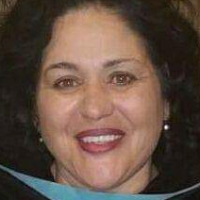
North Carolina · 20 yrs exp
LPC, LCMHC - Stress and addiction support
Stress, Anxiety · Parenting · Self esteem · Depression · +15 more
Read profile
Missouri · 23 yrs exp
LPC in Missouri focusing on mood and relationships
Stress, Anxiety · Relationship · Trauma and abuse · Depression · +9 more
Read profile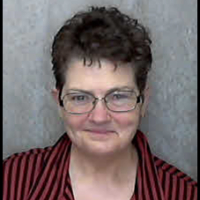
Texas · 35 yrs exp
LCSW-C and LCSW focusing on trauma and relationships
Stress, Anxiety · Relationship · Family · Trauma and abuse · +14 more
Read profile
Illinois · 5 yrs exp
IL Psychologist focusing on stress and mood
Stress, Anxiety · Relationship · Trauma and abuse · Depression · +12 more
Read profile
Illinois · 30 yrs exp
LCPC in Illinois focused on family and trauma
Family · Trauma and abuse · Grief · Depression · +7 more
Read profile
Indiana · 25 yrs exp
LCSW focused on stress and relationships
Stress, Anxiety · Relationship · Grief · Self esteem · +12 more
Read profile
Illinois · 34 yrs exp
LCPC focusing on mood and relationship concerns
Stress, Anxiety · Relationship · Grief · Self esteem · +11 more
Read profile
North Dakota · 10 yrs exp
Licensed Clinical Social Worker - stress and trauma
Stress, Anxiety · Relationship · Family · Trauma and abuse · +10 more
Read profile
Georgia · 29 yrs exp
LCSW in Florida and Georgia - stress and addiction care
Stress, Anxiety · Addictions · Relationship · Trauma and abuse · +1 more
Read profile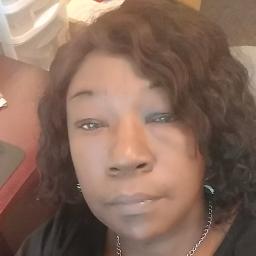
North Carolina · 20 yrs exp
Licensed counselor for mood and addiction concerns
Stress, Anxiety · Addictions · Anger · Depression · +7 more
Read profile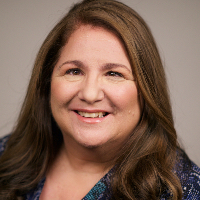
Florida · 24 yrs exp
LMHC in Florida - CBT and coaching
Stress, Anxiety · Career · Depression · Coping with life changes · +12 more
Read profile
Florida · 35 yrs exp
LMHC in Florida focusing on mood and life challenges
Stress, Anxiety · Family · Grief · Eating · +16 more
Read profile
Delaware · 24 yrs exp
LMFT focused on relationships and family issues
Relationship · Family · Trauma and abuse · Parenting · +14 more
Read profile
Texas · 12 yrs exp
LPC focusing on trauma and mood concerns
Stress, Anxiety · Trauma and abuse · Eating · Depression · +13 more
Read profile
Massachusetts · 30 yrs exp
MA LMFT, MA LMHC working with addiction and family concerns
Addictions · Family · Trauma and abuse · Grief · +16 more
Read profile
Arizona · 25 yrs exp
Licensed Professional Counselor in Arizona
Stress, Anxiety · Addictions · Relationship · Trauma and abuse · +11 more
Read profile
Texas · 15 yrs exp
LPC helping with addictions and trauma
Addictions · Trauma and abuse · Grief · Anger · +10 more
Read profile
Virginia · 27 yrs exp
LPC in Virginia focusing on stress and trauma
Stress, Anxiety · Addictions · Anger · Self esteem · +9 more
Read profile
Texas · 3 yrs exp
LCSW focusing on mood and coping
Stress, Anxiety · Anger · Depression · Addictions · +8 more
Read profile
Washington · 50 yrs exp
LMHC in Washington - trauma, mood, relationship work
Stress, Anxiety · Trauma and abuse · Intimacy-related issues · Self esteem · +15 more
Read profile
Colorado · 18 yrs exp
LPC LCPC - stress, mood, and behavior work
Stress, Anxiety · Addictions · Relationship · Self esteem · +15 more
Read profile
Nebraska · 35 yrs exp
LMHP, LPC focusing on relationships and sexuality
LGBT · Relationship · Family · Intimacy-related issues · +6 more
Read profile
New York · 20 yrs exp
LCSW focused on stress and relationships
Stress, Anxiety · Addictions · Relationship · Self esteem · +9 more
Read profile
Michigan · 33 yrs exp
MI Psychologist working with anxiety and life changes
Stress, Anxiety · Parenting · Coping with life changes · Addictions · +7 more
Read profile
Florida · 13 yrs exp
LMHC in Florida - Stress, Relationships, Addictions
Stress, Anxiety · Trauma and abuse · Anger · Depression · +11 more
Read profile
Minnesota · 3 yrs exp
LICSW LCSW - Stress, Anxiety, Addictions
Stress, Anxiety · Addictions · Trauma and abuse · Bipolar · +5 more
Read profile
Florida · 30 yrs exp
LCSW supporting stress, mood, and relationship concerns
Stress, Anxiety · Trauma and abuse · Self esteem · Depression · +11 more
Read profile
South Carolina · 25 yrs exp
Licensed LPC in South Carolina - addictions and relationships
Addictions · Relationship · Grief · Self esteem · +9 more
Read profile
Georgia · 9 yrs exp
LPC in Georgia focusing on trauma and addiction
Stress, Anxiety · Anger · Self esteem · Bipolar · +11 more
Read profileAddictions can take many forms, from substance use such as alcohol or opioids to behavioral patterns like gambling, gaming, or compulsive shopping. In everyday life, addiction often shows up as a cycle of intense cravings, repeated attempts to cut back, and consequences that affect work, relationships, finances, and health. You may notice that an activity or substance that once felt optional begins to shape your daily decisions and priorities. That shift does not mean you are weak. It reflects how reward pathways, stress response, coping strategies, and learned habits interact in the brain and in your routines.
Because addiction intersects with mood, trauma, stress, and social context, it often co-occurs with anxiety, depression, or difficulties in relationships. You may find that patterns established over months or years create practical obstacles - missed appointments, strained friendships, or job problems - as well as emotional ones like guilt and shame. Therapy for addictions addresses both the immediate behaviors and the underlying patterns that sustain them, helping you build alternatives and restore balance to daily life.
If you are wondering whether to seek help, look for changes in functioning more than any single behavior. You might be spending an increasing amount of time on one activity despite negative outcomes, or experiencing repeated failed attempts to cut back. Other signs include using substances or behaviors to cope with stress, withdrawing from hobbies and relationships you once enjoyed, or encountering financial, legal, or employment problems connected to use. Physical signs can include sleep disruption, appetite changes, or unexplained health issues that coincide with increased use.
Emotional markers are also important. If you feel persistent shame or preoccupation about an activity, or if it interferes with your ability to concentrate or manage responsibilities, therapy may help. You do not need to reach a crisis point to benefit from support. People often come to therapy wanting to understand their triggers, rebuild routines, and regain control over choices that once felt automatic. Early help can reduce harm and shorten the time it takes to make meaningful changes.
When you begin therapy for addictions, the first sessions typically focus on assessment and building rapport. Your therapist will ask about your history with the behavior or substance, its impact on your life, related health or mental health symptoms, and what you hope to change. You can expect a collaborative conversation rather than a judgmental evaluation. Together you and the therapist will set goals that reflect your priorities - whether that means reducing use, improving coping skills, repairing relationships, or addressing underlying trauma.
Sessions often move between understanding patterns and practicing new strategies. You may work on identifying triggers, recognizing high-risk situations, and developing concrete plans for handling cravings or urges. Skills might include emotion regulation, problem solving, stress management, and relapse prevention planning. Some therapists incorporate short-term behavioral experiments to test alternatives and gather information about what helps you stay on track. Progress is usually measured in practical changes - increased days without the behavior, improved sleep, or better communication with loved ones - rather than a single milestone.
Therapists who list addictions among their specialties often draw from a range of evidence-informed approaches, each with a different emphasis. Cognitive behavioral approaches focus on identifying thoughts and beliefs that support addictive patterns and replacing them with more adaptive responses. Motivational approaches help you tap into your own reasons for change and resolve ambivalence. Relapse prevention models teach you to anticipate and manage high-risk situations while strengthening protective habits.
Other therapists may use approaches that address emotional pain and relational patterns linked to addiction. For example, some emphasize processing past stressful experiences as a way to reduce reliance on substances or behaviors. Family and couples work can help repair relationships that have been affected and build a support network for sustained change. You may also find therapists who incorporate mindfulness-based techniques to increase awareness of cravings and create distance from automatic reactions. When you review profiles, note which approaches therapists list and think about which style might match your preferences and needs. Remember that a therapist listing an approach is a description of practice style rather than a guarantee of specific credentials.
Online therapy offers a flexible way to work on addictions, allowing you to connect with a therapist from your home, workplace, or another setting that feels comfortable. Sessions typically occur by video or phone and follow a similar structure to in-person care: assessment, goal setting, skill building, and follow-up. For many people, the convenience of online appointments reduces barriers to consistent attendance and makes it easier to integrate new coping strategies into daily life. Online formats can also widen your options when you want a therapist who speaks your language or focuses on your particular issues.
There are practical differences to keep in mind. You will want a personal environment where you can speak openly without interruptions. Clarify with a therapist how they handle urgent situations, how they coordinate with other health professionals if needed, and what to expect in terms of communication between sessions. Some clinicians offer supplementary resources such as worksheets, text check-ins, or group sessions. If you prefer a mix of in-person and remote work, ask whether a therapist provides both formats. Online care can be effective for many people, but it is important to choose a therapist whose approach and boundaries fit your needs.
Selecting a therapist is a personal decision that depends on the match between your needs and a clinician's focus. Start by identifying what matters most to you - approaches you prefer, languages spoken, experience with similar issues, or willingness to involve family in treatment. When reading profiles, look for therapists who explicitly list addictions as an area of focus and who describe approaches that resonate with your goals. Keep in mind that therapists list approaches to indicate practice style rather than formal certification in a modality.
Think about practical questions that affect your comfort. Consider the therapist's descriptions of how they work in sessions and whether they emphasize skills training, emotional processing, or a combination. Reach out with a brief message or intake form to learn how they tend to structure early sessions and how they coordinate care if you have medical or psychiatric needs. Trust your instincts about rapport - you should feel heard and respected in early conversations. Over time, a therapist who helps you create clear, achievable steps and supports your autonomy is likely to be a useful partner in recovery. Remember that finding the right match can take time, and it is reasonable to consult several profiles before you decide who to work with.
If you are exploring help for addictions, you are taking a constructive step toward change. Therapy can offer practical tools, emotional support, and new ways to navigate triggers and stressors. Use the directory below to review therapist profiles, note the approaches and focus areas they list, and reach out to those whose descriptions align with what you need. Change often happens gradually, and a thoughtful match with a therapist can help you move toward the outcomes you want.
Alabama
31 therapists
Alaska
3 therapists
Arizona
34 therapists
Arkansas
20 therapists
California
266 therapists
Colorado
72 therapists
Connecticut
26 therapists
Delaware
3 therapists
District of Columbia
7 therapists
Florida
252 therapists
Georgia
85 therapists
Hawaii
8 therapists
Idaho
15 therapists
Illinois
102 therapists
Indiana
41 therapists
Iowa
7 therapists
Kansas
20 therapists
Kentucky
30 therapists
Louisiana
42 therapists
Maine
12 therapists
Maryland
68 therapists
Massachusetts
49 therapists
Michigan
79 therapists
Minnesota
40 therapists
Mississippi
17 therapists
Missouri
68 therapists
Montana
13 therapists
Nebraska
18 therapists
Nevada
12 therapists
New Hampshire
7 therapists
New Jersey
57 therapists
New Mexico
14 therapists
New York
173 therapists
North Carolina
118 therapists
North Dakota
5 therapists
Ohio
79 therapists
Oklahoma
30 therapists
Oregon
26 therapists
Pennsylvania
85 therapists
Rhode Island
2 therapists
South Carolina
52 therapists
South Dakota
4 therapists
Tennessee
33 therapists
Texas
263 therapists
Utah
26 therapists
Vermont
4 therapists
Virginia
77 therapists
Washington
52 therapists
West Virginia
7 therapists
Wisconsin
40 therapists
Wyoming
3 therapists