
Dr. Julie McCune
LPCCOhio · 25 yrs exp
LPCC in Ohio - stress, relationships, trauma
Stress, Anxiety · LGBT · Relationship · Self esteem · +16 more
Read profileTherapist listings are provided by BetterHelp. We will earn a commission at no additional cost to you if you use our links to purchase.
This page features therapists who focus on coping with life changes, from career transitions and relocation to relationship shifts and loss. Browse the listings below to compare focus areas, approaches, credentials, languages, and experience.
Ohio · 25 yrs exp
LPCC in Ohio - stress, relationships, trauma
Stress, Anxiety · LGBT · Relationship · Self esteem · +16 more
Read profile
South Carolina · 16 yrs exp
LMFT - Stress, Relationships, Trauma
Stress, Anxiety · Relationship · Family · Parenting · +14 more
Read profile
Florida · 20 yrs exp
Dr. Daniella Jackson, LMHC - addiction and mood concerns
Stress, Anxiety · Addictions · Relationship · Self esteem · +16 more
Read profile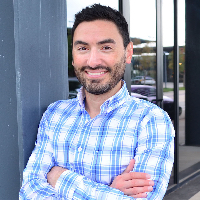
Kansas · 15 yrs exp
LCPC, LPC - Stress anxiety relationship support
Stress, Anxiety · Relationship · Family · Trauma and abuse · +14 more
Read profile
North Carolina · 51 yrs exp
LCMHC focusing on relationship and mood concerns
Relationship · Intimacy-related issues · Parenting · Self esteem · +12 more
Read profile
Illinois · 20 yrs exp
Licensed Clinical Social Worker - stress and life changes
Stress, Anxiety · Relationship · Parenting · Self esteem · +7 more
Read profile
Maryland · 6 yrs exp
LCPC in Maryland - stress and trauma work
Stress, Anxiety · Trauma and abuse · Self esteem · Coping with life changes · +10 more
Read profile
New York · 5 yrs exp
LMHC in New York - mood and relationship work
Stress, Anxiety · LGBT · Trauma and abuse · Bipolar · +12 more
Read profile
Michigan · 5 yrs exp
Licensed Professional Counselor - stress and life transitions
Stress, Anxiety · Relationship · Family · Self esteem · +12 more
Read profile
Pennsylvania · 12 yrs exp
LPCC LMHC - Stress, anxiety, relationships
Stress, Anxiety · Relationship · Self esteem · Depression · +11 more
Read profile
Missouri · 16 yrs exp
LCSW focused on stress, trauma, and mood disorders
Stress, Anxiety · Trauma and abuse · Self esteem · Bipolar · +12 more
Read profile
North Carolina · 10 yrs exp
LCSW, LISW-CP - Stress and relationship work
Stress, Anxiety · Relationship · Family · Bipolar · +16 more
Read profile
Oregon · 14 yrs exp
LPC in Oregon - mood and life transitions
Grief · Self esteem · Career · Depression · +8 more
Read profile
Texas · 9 yrs exp
Licensed Professional Counselor - stress and relationship issues
Stress, Anxiety · Trauma and abuse · Grief · Depression · +12 more
Read profile
Texas · 10 yrs exp
LPC in Texas focusing on anxiety and relationships
Stress, Anxiety · Relationship · Family · Depression · +14 more
Read profile
Michigan · 45 yrs exp
LPC in Michigan focusing on addiction and trauma
Stress, Anxiety · Addictions · Trauma and abuse · Grief · +10 more
Read profile
Ohio · 33 yrs exp
LPCC helping with stress, trauma, mood and relationships
Stress, Anxiety · Family · Trauma and abuse · Self esteem · +12 more
Read profile
Arizona · 20 yrs exp
AZ Psychologist - stress, mood, relationships
Stress, Anxiety · Addictions · Grief · Self esteem · +14 more
Read profile
Georgia · 18 yrs exp
Licensed Professional Counselor - relationship and trauma focus
Stress, Anxiety · Relationship · Family · Trauma and abuse · +10 more
Read profile
Louisiana · 22 yrs exp
LMFT LPC - Anxiety, Mood, Trauma
Stress, Anxiety · Relationship · Family · Grief · +11 more
Read profile
Alabama · 8 yrs exp
LPC in Alabama focusing on stress and trauma
Stress, Anxiety · Trauma and abuse · Anger · Self esteem · +5 more
Read profile
Florida · 30 yrs exp
FL Psychologist focused on practical solutions
Stress, Anxiety · Grief · Anger · Depression · +15 more
Read profile
Texas · 6 yrs exp
LCSW focused on relationships and family concerns
Relationship · Family · Parenting · Self esteem · +7 more
Read profile
Nevada · 20 yrs exp
LCPC, LMHC working with stress and relationships
Stress, Anxiety · Addictions · Relationship · Family · +15 more
Read profile
Florida · 20 yrs exp
LMHC LPCC focused on stress and addiction
Stress, Anxiety · Addictions · Relationship · Trauma and abuse · +15 more
Read profile
Texas · 20 yrs exp
LICSW, LCSW in Texas - Stress and relationship issues
Stress, Anxiety · Addictions · Family · Grief · +15 more
Read profile
Florida · 20 yrs exp
LMHC in Florida specializing in mood and relationship concerns
Stress, Anxiety · Grief · Self esteem · Depression · +9 more
Read profile
Ohio · 20 yrs exp
LISW in Ohio - stress, trauma, mood concerns
Stress, Anxiety · LGBT · Family · Grief · +16 more
Read profile
Arkansas · 23 yrs exp
LPC in Arkansas focusing on mood and relationship concerns
Stress, Anxiety · Trauma and abuse · Anger · Self esteem · +11 more
Read profile
Florida · 10 yrs exp
LCSW focused on anxiety and trauma
Stress, Anxiety · Trauma and abuse · Grief · Depression · +12 more
Read profile
Louisiana · 25 yrs exp
LPC - Addictions, trauma, relationships
Addictions · Relationship · Family · Trauma and abuse · +11 more
Read profile
Michigan · 10 yrs exp
LPC in Michigan focusing on relationships and life transitions
Relationship · Family · Self esteem · Career · +5 more
Read profile
Michigan · 10 yrs exp
LPC in Michigan focusing on mood and relationship issues
Stress, Anxiety · Family · Trauma and abuse · Grief · +12 more
Read profile
Michigan · 31 yrs exp
Licensed Professional Counselor in Michigan, focus on mood and behavior
Stress, Anxiety · Addictions · Self esteem · Career · +5 more
Read profile
New York · 14 yrs exp
LCSW - Stress, anxiety, relationships
Stress, Anxiety · Relationship · Trauma and abuse · Self esteem · +5 more
Read profile
California · 5 yrs exp
LMFT focused on relationships and life changes
Relationship · Grief · Parenting · Self esteem · +11 more
Read profile
North Carolina · 20 yrs exp
LCSW focusing on mood and addiction concerns
Stress, Anxiety · Addictions · Family · Career · +16 more
Read profile
Colorado · 13 yrs exp
Licensed Marriage and Family Therapist - adult concerns
Stress, Anxiety · LGBT · Relationship · Trauma and abuse · +10 more
Read profile
North Carolina · 20 yrs exp
LPC, LCMHC - Stress and addiction support
Stress, Anxiety · Parenting · Self esteem · Depression · +15 more
Read profile
Missouri · 23 yrs exp
LPC in Missouri focusing on mood and relationships
Stress, Anxiety · Relationship · Trauma and abuse · Depression · +9 more
Read profile
Texas · 35 yrs exp
LCSW-C and LCSW focusing on trauma and relationships
Stress, Anxiety · Relationship · Family · Trauma and abuse · +14 more
Read profile
Illinois · 5 yrs exp
IL Psychologist focusing on stress and mood
Stress, Anxiety · Relationship · Trauma and abuse · Depression · +12 more
Read profile
Illinois · 30 yrs exp
LCPC in Illinois focused on family and trauma
Family · Trauma and abuse · Grief · Depression · +7 more
Read profile
Indiana · 25 yrs exp
LCSW focused on stress and relationships
Stress, Anxiety · Relationship · Grief · Self esteem · +12 more
Read profile
North Dakota · 10 yrs exp
Licensed Clinical Social Worker - stress and trauma
Stress, Anxiety · Relationship · Family · Trauma and abuse · +10 more
Read profile
North Carolina · 20 yrs exp
Licensed counselor for mood and addiction concerns
Stress, Anxiety · Addictions · Anger · Depression · +7 more
Read profile
Florida · 24 yrs exp
LMHC in Florida - CBT and coaching
Stress, Anxiety · Career · Depression · Coping with life changes · +12 more
Read profile
Florida · 35 yrs exp
LMHC in Florida focusing on mood and life challenges
Stress, Anxiety · Family · Grief · Eating · +16 more
Read profile
Delaware · 24 yrs exp
LMFT focused on relationships and family issues
Relationship · Family · Trauma and abuse · Parenting · +14 more
Read profile
Idaho · 18 yrs exp
LCSW focused on mood and life changes
Stress, Anxiety · Trauma and abuse · Grief · Self esteem · +10 more
Read profile
Texas · 12 yrs exp
LPC focusing on trauma and mood concerns
Stress, Anxiety · Trauma and abuse · Eating · Depression · +13 more
Read profile
Indiana · 35 yrs exp
LCSW focusing on mood and life transitions
Stress, Anxiety · Grief · Self esteem · Depression · +4 more
Read profile
Michigan · 10 yrs exp
LMSW, LCSW - stress and relationship work
Stress, Anxiety · Anger · Self esteem · Depression · +5 more
Read profile
New Jersey · 25 yrs exp
LPC in New Jersey focusing on stress and relationships
Stress, Anxiety · Family · Trauma and abuse · Grief · +9 more
Read profile
Massachusetts · 30 yrs exp
MA LMFT, MA LMHC working with addiction and family concerns
Addictions · Family · Trauma and abuse · Grief · +16 more
Read profile
Arizona · 25 yrs exp
Licensed Professional Counselor in Arizona
Stress, Anxiety · Addictions · Relationship · Trauma and abuse · +11 more
Read profile
New York · 25 yrs exp
LCSW in New York focusing on mood and trauma
Stress, Anxiety · Trauma and abuse · Self esteem · Depression · +11 more
Read profile
Texas · 15 yrs exp
LPC helping with addictions and trauma
Addictions · Trauma and abuse · Grief · Anger · +10 more
Read profile
Mississippi · 16 yrs exp
LPC focused on anxiety, trauma, and family concerns
Stress, Anxiety · Family · Anger · Depression · +8 more
Read profile
Texas · 3 yrs exp
LCSW focusing on mood and coping
Stress, Anxiety · Anger · Depression · Addictions · +8 more
Read profileLife changes take many forms and often arrive without warning - a job loss, a move to a new city, the end of a relationship, the death of someone close, becoming a parent, or a health challenge. These transitions can affect your routines, roles, identity, and sense of stability. You may find that what once felt manageable now requires new skills, fresh perspectives, and emotional recalibration. Recognizing that change is both practical and emotional helps frame what to expect when you look for support. Therapy that focuses on coping with life changes centers on helping you process practical steps while attending to feelings like grief, uncertainty, relief, anger, or confusion. That combination helps you move through the transition without minimizing the experience or rushing toward solutions that do not fit your values and circumstances.
You might consider talking with a therapist if a transition is taking more energy than expected or if daily functioning feels compromised. Difficulty concentrating, disrupted sleep or appetite, persistent sadness or anxiety, and growing avoidance of people or activities you once enjoyed are common signals. You may notice increased conflict in relationships, trouble making decisions, or a sense of being stuck despite trying multiple coping strategies. Sometimes the sign is more subtle - a sense of drifting, identity confusion, or repeated patterns that resurface as you navigate new roles. Therapy can also be helpful before a change becomes acute - for example, preparing emotionally for a big move, career pivot, or becoming a caregiver. Seeking support does not mean you are failing; it means you are investing in practical tools and emotional clarity to handle what comes next.
Early sessions typically begin with an exploration of the timeline and context of the change. You and the therapist will talk about recent events, how you have been coping, and what a meaningful focus for therapy would be. This is an opportunity to identify immediate needs - for example, reducing overwhelming anxiety, clarifying career next steps, or managing grief - and to set realistic short-term goals. Some people prefer concrete action plans, while others need space to process feelings. A skilled therapist will adapt the pace to your priorities and help you articulate what progress looks like.
Subsequent sessions often blend practical strategies with reflective work. You may develop stress-management techniques, rehearsal for difficult conversations, problem-solving steps for logistical barriers, or routines that support sleep and concentration. At the same time, therapy will address the emotional layers beneath practical issues - loss, role shifts, doubts about identity, or fears about the future. Expect a mix of talking, guided exercises, and sometimes assignments to try between sessions. The work typically progresses from stabilization and coping toward longer-term meaning-making and integrating the change into your life story.
Therapists use a variety of approaches to support people through transitions, and many combine elements from different models based on your needs. Cognitive-behavioral approaches focus on the relationship between thoughts, feelings, and behaviors to help you identify unhelpful patterns and build adaptive responses. Acceptance and commitment-oriented methods emphasize willingness to experience difficult emotions while clarifying values that guide actions during uncertain times. Narrative-informed work helps you examine the stories you tell about yourself and rewrite them in ways that reflect resilience and choice. Interpersonal approaches attend to how relationships are affected by change and how to repair or renegotiate important connections. Some profiles will list complementary approaches such as mindfulness-based techniques or emotion-focused strategies, and others will list therapies like eye movement desensitization and reprocessing - if listed, this indicates therapists who include EMDR among their approaches. When reviewing listings, look for therapists who describe the approaches they apply and how those methods match the kind of support you want.
Online therapy makes it possible to access support without commuting and can be especially helpful if your life change involves relocation, a busy schedule, or caregiving responsibilities. Sessions are commonly offered through live video, phone calls, or text-based messaging, and some therapists use a combination to reinforce learning between appointments. You should expect to discuss the technical format during initial contact so you know whether sessions will be fifty minutes, shorter check-ins, or a flexible mix. Consider how your environment will support focused sessions - a quiet, comfortable environment where you can speak freely and reflect is often most useful. Keep in mind that licensure rules vary by location, which can influence whether a therapist can offer services across state lines. Online formats often maintain the same therapeutic structure as in-person work - intake, collaborative goal setting, skill practice, and periodic review - while offering more scheduling flexibility that can be important during major life adjustments.
Finding a therapist who fits your needs involves more than a single criterion. Start by clarifying what you want help with - managing anxiety, processing grief, vocational planning, adjusting to a new family role - and look for profiles that mention those focus areas. Pay attention to the approaches that resonate with you; if you prefer action-oriented strategies, look for therapists who describe cognitive-behavioral or solution-focused methods, and if you want to explore meaning and identity, narrative or psychodynamic language might be more appealing. Consider practical details like license type, years of experience with similar transitions, population focus such as working with young adults or caregivers, and language offerings if you prefer therapy in a language other than English. Reading therapist descriptions can give insight into their style and how they frame the work - whether they emphasize collaborative problem solving, reflective exploration, or a blend. When you reach out, asking about session structure, typical goals for similar situations, fee arrangements, and how they integrate remote work into their practice can help you decide who feels like a good match. Trust your sense of rapport; the quality of the relationship often matters as much as the therapeutic method.
Transitions can be disorienting, but they can also be a time of growth and renewed clarity. Therapy for life changes provides a deliberate space to slow down, organize next steps, and attend to the emotions that accompany transformation. Whether you need immediate coping tools, help reorganizing practical tasks, or deeper reflective work about identity and values, a therapist can partner with you to map a path forward. Use the listings above to find professionals whose descriptions align with your situation and priorities, and consider an initial conversation as a way to explore fit and approach. With focused support, you can build the skills and perspective needed to move through change with more agency and resilience.
Alabama
31 therapists
Alaska
3 therapists
Arizona
34 therapists
Arkansas
20 therapists
California
266 therapists
Colorado
72 therapists
Connecticut
26 therapists
Delaware
3 therapists
District of Columbia
7 therapists
Florida
252 therapists
Georgia
85 therapists
Hawaii
8 therapists
Idaho
15 therapists
Illinois
102 therapists
Indiana
41 therapists
Iowa
7 therapists
Kansas
20 therapists
Kentucky
30 therapists
Louisiana
42 therapists
Maine
12 therapists
Maryland
68 therapists
Massachusetts
49 therapists
Michigan
79 therapists
Minnesota
40 therapists
Mississippi
17 therapists
Missouri
68 therapists
Montana
13 therapists
Nebraska
18 therapists
Nevada
12 therapists
New Hampshire
7 therapists
New Jersey
57 therapists
New Mexico
14 therapists
New York
173 therapists
North Carolina
118 therapists
North Dakota
5 therapists
Ohio
79 therapists
Oklahoma
30 therapists
Oregon
26 therapists
Pennsylvania
85 therapists
Rhode Island
2 therapists
South Carolina
52 therapists
South Dakota
4 therapists
Tennessee
33 therapists
Texas
263 therapists
Utah
26 therapists
Vermont
4 therapists
Virginia
77 therapists
Washington
52 therapists
West Virginia
7 therapists
Wisconsin
40 therapists
Wyoming
3 therapists