
Velma Jones
LCSWNew York · 29 yrs exp
LCSW - adult mood and relationship concerns
Stress, Anxiety · Relationship · Trauma and abuse · Depression · +10 more
Read profileTherapist listings are provided by BetterHelp. We will earn a commission at no additional cost to you if you use our links to purchase.
This page highlights therapists who list self esteem as a focus, with profile details on approaches, credentials, languages and experience. Browse the listings below to explore counselors who work with self esteem concerns and learn more about their approaches.
New York · 29 yrs exp
LCSW - adult mood and relationship concerns
Stress, Anxiety · Relationship · Trauma and abuse · Depression · +10 more
Read profile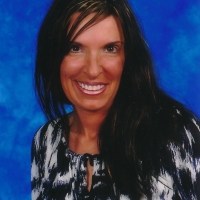
Ohio · 25 yrs exp
LPCC in Ohio - stress, relationships, trauma
Stress, Anxiety · LGBT · Relationship · Self esteem · +16 more
Read profile
Colorado · 19 yrs exp
LCSW focusing on mood and relationship concerns
Stress, Anxiety · Relationship · Trauma and abuse · Grief · +12 more
Read profile
South Carolina · 16 yrs exp
LMFT - Stress, Relationships, Trauma
Stress, Anxiety · Relationship · Family · Parenting · +14 more
Read profile
Florida · 20 yrs exp
Dr. Daniella Jackson, LMHC - addiction and mood concerns
Stress, Anxiety · Addictions · Relationship · Self esteem · +16 more
Read profile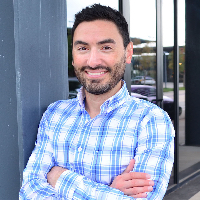
Kansas · 15 yrs exp
LCPC, LPC - Stress anxiety relationship support
Stress, Anxiety · Relationship · Family · Trauma and abuse · +14 more
Read profile
Florida · 39 yrs exp
LMHC - Relationship and stress counseling
Stress, Anxiety · Relationship · Family · Parenting · +14 more
Read profile
North Carolina · 51 yrs exp
LCMHC focusing on relationship and mood concerns
Relationship · Intimacy-related issues · Parenting · Self esteem · +12 more
Read profile
Illinois · 20 yrs exp
Licensed Clinical Social Worker - stress and life changes
Stress, Anxiety · Relationship · Parenting · Self esteem · +7 more
Read profile
Ohio · 3 yrs exp
LPCC in Ohio - addictions and mood concerns
Addictions · Family · Anger · Depression · +6 more
Read profile
Maryland · 6 yrs exp
LCPC in Maryland - stress and trauma work
Stress, Anxiety · Trauma and abuse · Self esteem · Coping with life changes · +10 more
Read profile
New York · 5 yrs exp
LMHC in New York - mood and relationship work
Stress, Anxiety · LGBT · Trauma and abuse · Bipolar · +12 more
Read profile
Michigan · 5 yrs exp
Licensed Professional Counselor - stress and life transitions
Stress, Anxiety · Relationship · Family · Self esteem · +12 more
Read profile
Pennsylvania · 12 yrs exp
LPCC LMHC - Stress, anxiety, relationships
Stress, Anxiety · Relationship · Self esteem · Depression · +11 more
Read profile
Missouri · 16 yrs exp
LCSW focused on stress, trauma, and mood disorders
Stress, Anxiety · Trauma and abuse · Self esteem · Bipolar · +12 more
Read profile
North Carolina · 10 yrs exp
LCSW, LISW-CP - Stress and relationship work
Stress, Anxiety · Relationship · Family · Bipolar · +16 more
Read profile
Oregon · 14 yrs exp
LPC in Oregon - mood and life transitions
Grief · Self esteem · Career · Depression · +8 more
Read profile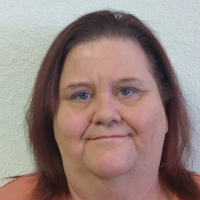
Texas · 9 yrs exp
Licensed Professional Counselor - stress and relationship issues
Stress, Anxiety · Trauma and abuse · Grief · Depression · +12 more
Read profile
Texas · 10 yrs exp
LPC in Texas focusing on anxiety and relationships
Stress, Anxiety · Relationship · Family · Depression · +14 more
Read profile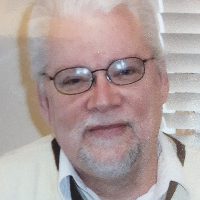
Michigan · 45 yrs exp
LPC in Michigan focusing on addiction and trauma
Stress, Anxiety · Addictions · Trauma and abuse · Grief · +10 more
Read profile
Ohio · 33 yrs exp
LPCC helping with stress, trauma, mood and relationships
Stress, Anxiety · Family · Trauma and abuse · Self esteem · +12 more
Read profile
Arizona · 20 yrs exp
AZ Psychologist - stress, mood, relationships
Stress, Anxiety · Addictions · Grief · Self esteem · +14 more
Read profile
Georgia · 18 yrs exp
Licensed Professional Counselor - relationship and trauma focus
Stress, Anxiety · Relationship · Family · Trauma and abuse · +10 more
Read profile
Louisiana · 22 yrs exp
LMFT LPC - Anxiety, Mood, Trauma
Stress, Anxiety · Relationship · Family · Grief · +11 more
Read profile
Alabama · 8 yrs exp
LPC in Alabama focusing on stress and trauma
Stress, Anxiety · Trauma and abuse · Anger · Self esteem · +5 more
Read profile
Florida · 30 yrs exp
FL Psychologist focused on practical solutions
Stress, Anxiety · Grief · Anger · Depression · +15 more
Read profile
Texas · 6 yrs exp
LCSW focused on relationships and family concerns
Relationship · Family · Parenting · Self esteem · +7 more
Read profile
Nevada · 20 yrs exp
LCPC, LMHC working with stress and relationships
Stress, Anxiety · Addictions · Relationship · Family · +15 more
Read profile
Florida · 20 yrs exp
LMHC LPCC focused on stress and addiction
Stress, Anxiety · Addictions · Relationship · Trauma and abuse · +15 more
Read profile
Texas · 20 yrs exp
LICSW, LCSW in Texas - Stress and relationship issues
Stress, Anxiety · Addictions · Family · Grief · +15 more
Read profile
Florida · 20 yrs exp
LMHC in Florida specializing in mood and relationship concerns
Stress, Anxiety · Grief · Self esteem · Depression · +9 more
Read profile
Ohio · 20 yrs exp
LISW in Ohio - stress, trauma, mood concerns
Stress, Anxiety · LGBT · Family · Grief · +16 more
Read profile
Arkansas · 23 yrs exp
LPC in Arkansas focusing on mood and relationship concerns
Stress, Anxiety · Trauma and abuse · Anger · Self esteem · +11 more
Read profile
Florida · 10 yrs exp
LCSW focused on anxiety and trauma
Stress, Anxiety · Trauma and abuse · Grief · Depression · +12 more
Read profile
Louisiana · 14 yrs exp
Licensed Professional Counselor - stress and relationship focus
Stress, Anxiety · Parenting · Anger · Self esteem · +1 more
Read profile
Louisiana · 25 yrs exp
LPC - Addictions, trauma, relationships
Addictions · Relationship · Family · Trauma and abuse · +11 more
Read profile
Michigan · 10 yrs exp
LPC in Michigan focusing on relationships and life transitions
Relationship · Family · Self esteem · Career · +5 more
Read profile
Michigan · 10 yrs exp
LPC in Michigan focusing on mood and relationship issues
Stress, Anxiety · Family · Trauma and abuse · Grief · +12 more
Read profile
Michigan · 31 yrs exp
Licensed Professional Counselor in Michigan, focus on mood and behavior
Stress, Anxiety · Addictions · Self esteem · Career · +5 more
Read profile
New York · 14 yrs exp
LCSW - Stress, anxiety, relationships
Stress, Anxiety · Relationship · Trauma and abuse · Self esteem · +5 more
Read profile
New York · 18 yrs exp
LMHC focusing on stress and relationships
Stress, Anxiety · Relationship · Parenting · Anger · +1 more
Read profile
California · 5 yrs exp
LMFT focused on relationships and life changes
Relationship · Grief · Parenting · Self esteem · +11 more
Read profile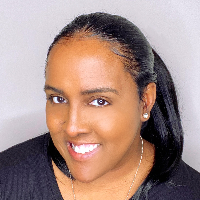
North Carolina · 20 yrs exp
LCSW focusing on mood and addiction concerns
Stress, Anxiety · Addictions · Family · Career · +16 more
Read profile
Colorado · 13 yrs exp
Licensed Marriage and Family Therapist - adult concerns
Stress, Anxiety · LGBT · Relationship · Trauma and abuse · +10 more
Read profile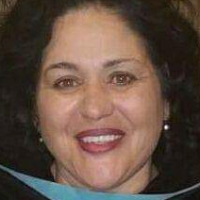
North Carolina · 20 yrs exp
LPC, LCMHC - Stress and addiction support
Stress, Anxiety · Parenting · Self esteem · Depression · +15 more
Read profile
Michigan · 13 yrs exp
Licensed Professional Counselor in Michigan - stress and relationships
Stress, Anxiety · Relationship · Anger · Self esteem · +1 more
Read profile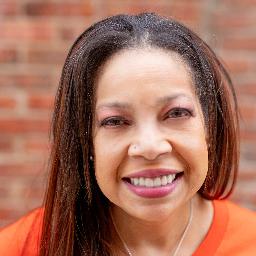
Missouri · 23 yrs exp
LPC in Missouri focusing on mood and relationships
Stress, Anxiety · Relationship · Trauma and abuse · Depression · +9 more
Read profile
Texas · 35 yrs exp
LCSW-C and LCSW focusing on trauma and relationships
Stress, Anxiety · Relationship · Family · Trauma and abuse · +14 more
Read profile
Illinois · 5 yrs exp
IL Psychologist focusing on stress and mood
Stress, Anxiety · Relationship · Trauma and abuse · Depression · +12 more
Read profile
Illinois · 30 yrs exp
LCPC in Illinois focused on family and trauma
Family · Trauma and abuse · Grief · Depression · +7 more
Read profile
Indiana · 25 yrs exp
LCSW focused on stress and relationships
Stress, Anxiety · Relationship · Grief · Self esteem · +12 more
Read profile
Illinois · 34 yrs exp
LCPC focusing on mood and relationship concerns
Stress, Anxiety · Relationship · Grief · Self esteem · +11 more
Read profile
North Dakota · 10 yrs exp
Licensed Clinical Social Worker - stress and trauma
Stress, Anxiety · Relationship · Family · Trauma and abuse · +10 more
Read profile
Florida · 24 yrs exp
LMHC in Florida - CBT and coaching
Stress, Anxiety · Career · Depression · Coping with life changes · +12 more
Read profile
Florida · 35 yrs exp
LMHC in Florida focusing on mood and life challenges
Stress, Anxiety · Family · Grief · Eating · +16 more
Read profile
Delaware · 24 yrs exp
LMFT focused on relationships and family issues
Relationship · Family · Trauma and abuse · Parenting · +14 more
Read profile
Idaho · 18 yrs exp
LCSW focused on mood and life changes
Stress, Anxiety · Trauma and abuse · Grief · Self esteem · +10 more
Read profile
Texas · 12 yrs exp
LPC focusing on trauma and mood concerns
Stress, Anxiety · Trauma and abuse · Eating · Depression · +13 more
Read profile
Indiana · 35 yrs exp
LCSW focusing on mood and life transitions
Stress, Anxiety · Grief · Self esteem · Depression · +4 more
Read profile
Michigan · 10 yrs exp
LMSW, LCSW - stress and relationship work
Stress, Anxiety · Anger · Self esteem · Depression · +5 more
Read profileSelf esteem is the way you evaluate and value yourself - the internal voice that shapes how you interpret your accomplishments, relationships and day-to-day choices. When your self esteem is steady, you are able to acknowledge strengths and accept setbacks without being defined by them. When it is fragile, you may find that small criticisms feel overwhelming, decision-making becomes paralyzing and you constantly seek validation from others. These patterns often affect multiple areas of life, including work performance, friendships, romantic relationships and how you approach new challenges.
You do not need a dramatic life event to have low self esteem. Subtle, repeated experiences over time - critical messages in childhood, cultural messages about worth, or a series of personal disappointments - can erode your sense of self. Low self esteem can make you avoid opportunities, minimize your achievements or push you toward people-pleasing to earn acceptance. Understanding how self esteem operates in your life is the first step toward making intentional changes in how you think about and treat yourself.
You may notice a consistent pattern of negative self-talk that undermines your confidence, or you may have trouble accepting praise and quickly dismiss compliments. If you find yourself comparing your life unfavorably to others, experiencing chronic perfectionism, or feeling like an imposter despite external success, therapy can help you examine those patterns. Social withdrawal, avoiding new opportunities for fear of failure, or staying in relationships that diminish you are other common signals that your self esteem could use attention.
Emotional symptoms such as persistent sadness, anxiety tied to self-judgment, or reactive anger can be connected to underlying self worth concerns. You may also notice behavioral signs - difficulty setting boundaries, over-apologizing, or repeatedly seeking reassurance from friends and partners. If these patterns interfere with goals you want to pursue or the relationships you value, working with a therapist who focuses on self esteem can provide tools and perspectives to change how you relate to yourself and others.
When you begin therapy for self esteem, sessions typically start with an exploration of your history, current stressors and what you hope to change. Your therapist will invite you to describe patterns you notice in your thoughts, emotions and behaviors, and you will work together to set goals that are meaningful to you. Expect a blend of reflective conversation and practical exercises - therapy is often both insight-oriented and skill-building.
In-session work might include identifying and challenging negative self-statements, exploring origins of critical beliefs, practicing new ways of responding to self-judgment, and experimenting with behavior changes outside of sessions. Homework or practice between appointments is common because applying new habits in real life is a key part of lasting change. Progress can be gradual, and a therapist who focuses on self esteem will typically normalize setbacks while helping you track small wins and shifts in thinking that indicate growth.
Therapists draw from a range of approaches when addressing self esteem, and the method you prefer can shape the pace and style of work. Cognitive-behavioral approaches focus on identifying unhelpful thought patterns and testing new beliefs through behavioral experiments. Acceptance-based methods emphasize learning to relate differently to difficult thoughts and emotions while clarifying personal values that guide action. Psychodynamic approaches explore how early relationships and past experiences shaped your self image, helping you gain insight into recurring patterns.
Other approaches that people find useful include compassion-focused work, which cultivates a kinder relationship with yourself, and narrative therapy, which looks at the stories you tell about your life and how to rewrite them in a more empowering way. Some therapists include trauma-informed methods and some list EMDR among their approaches for clients whose self esteem is linked to traumatic experiences. When you review profiles, remember that a therapist listing an approach is not the same as formal certification; use profile details to learn about how a clinician frames their work and what aligns with your preferences.
Online therapy provides a way to work on self esteem from your home or another place you find comfortable. Sessions are commonly offered via video, phone or text-based messaging features on clinician platforms. The format often mirrors in-person therapy in structure - regular sessions, goal setting, and between-session practice - but it can add flexibility if travel or scheduling is a barrier. If you prefer face-to-face interaction, video sessions allow you to maintain visual contact with your therapist while working from a chosen location.
Technology can change the feel of sessions, so it is useful to try different formats and notice which helps you engage most fully. Some clients find the convenience of messaging helpful for short updates or practicing skills between longer sessions. Others value the focused time of a video appointment for deeper exploration. Consider the environment where you will meet - a quiet, undisturbed area where you can speak openly will support the work you are doing.
When you look through therapist profiles, focus on several practical factors to find a good match. Compare each clinician's stated focus areas and the approaches they describe, as well as professional credentials and the populations they mention working with. Language and cultural background can matter if you want a therapist who understands specific identity-related experiences. Read how therapists describe their work with self esteem to get a sense of whether they emphasize skill-building, insight, compassion, or brief goal-focused work.
Think about the style that helps you feel engaged - do you respond better to a direct, structured approach or a reflective, exploratory style. You might want to ask about typical session structure, how goals are tracked, and what kinds of between-session practice are encouraged. Clarify practical questions such as session length, fees and payment options so you can evaluate fit alongside clinical approach. Meeting a few different therapists can help you notice which description resonates with you; the therapeutic relationship itself is often a key part of change.
Choosing a therapist for self esteem is a personal process. Take your time to read profiles, reflect on what matters most to you, and select someone whose stated focus and style align with the changes you want to make. Therapy can help you build a more balanced self-view and develop habits that support more confident, resilient ways of relating to yourself and others.
Alabama
31 therapists
Alaska
3 therapists
Arizona
34 therapists
Arkansas
20 therapists
California
266 therapists
Colorado
72 therapists
Connecticut
26 therapists
Delaware
3 therapists
District of Columbia
7 therapists
Florida
252 therapists
Georgia
85 therapists
Hawaii
8 therapists
Idaho
15 therapists
Illinois
102 therapists
Indiana
41 therapists
Iowa
7 therapists
Kansas
20 therapists
Kentucky
30 therapists
Louisiana
42 therapists
Maine
12 therapists
Maryland
68 therapists
Massachusetts
49 therapists
Michigan
79 therapists
Minnesota
40 therapists
Mississippi
17 therapists
Missouri
68 therapists
Montana
13 therapists
Nebraska
18 therapists
Nevada
12 therapists
New Hampshire
7 therapists
New Jersey
57 therapists
New Mexico
14 therapists
New York
173 therapists
North Carolina
118 therapists
North Dakota
5 therapists
Ohio
79 therapists
Oklahoma
30 therapists
Oregon
26 therapists
Pennsylvania
85 therapists
Rhode Island
2 therapists
South Carolina
52 therapists
South Dakota
4 therapists
Tennessee
33 therapists
Texas
263 therapists
Utah
26 therapists
Vermont
4 therapists
Virginia
77 therapists
Washington
52 therapists
West Virginia
7 therapists
Wisconsin
40 therapists
Wyoming
3 therapists