
Velma Jones
LCSWNew York · 29 yrs exp
LCSW - adult mood and relationship concerns
Stress, Anxiety · Relationship · Trauma and abuse · Depression · +10 more
Read profileTherapist listings are provided by BetterHelp. We will earn a commission at no additional cost to you if you use our links to purchase.
This page lists therapists who focus on family therapy, including work with couples, parents, and whole-family dynamics. Browse the profiles below to learn about clinicians' focus areas, therapeutic approaches, languages, and experience.
New York · 29 yrs exp
LCSW - adult mood and relationship concerns
Stress, Anxiety · Relationship · Trauma and abuse · Depression · +10 more
Read profile
Ohio · 25 yrs exp
LPCC in Ohio - stress, relationships, trauma
Stress, Anxiety · LGBT · Relationship · Self esteem · +16 more
Read profile
Colorado · 19 yrs exp
LCSW focusing on mood and relationship concerns
Stress, Anxiety · Relationship · Trauma and abuse · Grief · +12 more
Read profile
South Carolina · 16 yrs exp
LMFT - Stress, Relationships, Trauma
Stress, Anxiety · Relationship · Family · Parenting · +14 more
Read profile
Florida · 20 yrs exp
Dr. Daniella Jackson, LMHC - addiction and mood concerns
Stress, Anxiety · Addictions · Relationship · Self esteem · +16 more
Read profile
Kansas · 15 yrs exp
LCPC, LPC - Stress anxiety relationship support
Stress, Anxiety · Relationship · Family · Trauma and abuse · +14 more
Read profile
Florida · 39 yrs exp
LMHC - Relationship and stress counseling
Stress, Anxiety · Relationship · Family · Parenting · +14 more
Read profile
North Carolina · 51 yrs exp
LCMHC focusing on relationship and mood concerns
Relationship · Intimacy-related issues · Parenting · Self esteem · +12 more
Read profile
Illinois · 20 yrs exp
Licensed Clinical Social Worker - stress and life changes
Stress, Anxiety · Relationship · Parenting · Self esteem · +7 more
Read profile
Ohio · 3 yrs exp
LPCC in Ohio - addictions and mood concerns
Addictions · Family · Anger · Depression · +6 more
Read profile
Maryland · 6 yrs exp
LCPC in Maryland - stress and trauma work
Stress, Anxiety · Trauma and abuse · Self esteem · Coping with life changes · +10 more
Read profile
New York · 5 yrs exp
LMHC in New York - mood and relationship work
Stress, Anxiety · LGBT · Trauma and abuse · Bipolar · +12 more
Read profile
Michigan · 5 yrs exp
Licensed Professional Counselor - stress and life transitions
Stress, Anxiety · Relationship · Family · Self esteem · +12 more
Read profile
Pennsylvania · 12 yrs exp
LPCC LMHC - Stress, anxiety, relationships
Stress, Anxiety · Relationship · Self esteem · Depression · +11 more
Read profile
Missouri · 16 yrs exp
LCSW focused on stress, trauma, and mood disorders
Stress, Anxiety · Trauma and abuse · Self esteem · Bipolar · +12 more
Read profile
North Carolina · 10 yrs exp
LCSW, LISW-CP - Stress and relationship work
Stress, Anxiety · Relationship · Family · Bipolar · +16 more
Read profile
Texas · 9 yrs exp
Licensed Professional Counselor - stress and relationship issues
Stress, Anxiety · Trauma and abuse · Grief · Depression · +12 more
Read profile
Texas · 10 yrs exp
LPC in Texas focusing on anxiety and relationships
Stress, Anxiety · Relationship · Family · Depression · +14 more
Read profile
Michigan · 45 yrs exp
LPC in Michigan focusing on addiction and trauma
Stress, Anxiety · Addictions · Trauma and abuse · Grief · +10 more
Read profile
Ohio · 33 yrs exp
LPCC helping with stress, trauma, mood and relationships
Stress, Anxiety · Family · Trauma and abuse · Self esteem · +12 more
Read profile
Arizona · 20 yrs exp
AZ Psychologist - stress, mood, relationships
Stress, Anxiety · Addictions · Grief · Self esteem · +14 more
Read profile
Georgia · 18 yrs exp
Licensed Professional Counselor - relationship and trauma focus
Stress, Anxiety · Relationship · Family · Trauma and abuse · +10 more
Read profile
Louisiana · 22 yrs exp
LMFT LPC - Anxiety, Mood, Trauma
Stress, Anxiety · Relationship · Family · Grief · +11 more
Read profile
Florida · 30 yrs exp
FL Psychologist focused on practical solutions
Stress, Anxiety · Grief · Anger · Depression · +15 more
Read profile
Texas · 6 yrs exp
LCSW focused on relationships and family concerns
Relationship · Family · Parenting · Self esteem · +7 more
Read profile
Nevada · 20 yrs exp
LCPC, LMHC working with stress and relationships
Stress, Anxiety · Addictions · Relationship · Family · +15 more
Read profile
Florida · 20 yrs exp
LMHC LPCC focused on stress and addiction
Stress, Anxiety · Addictions · Relationship · Trauma and abuse · +15 more
Read profile
Texas · 20 yrs exp
LICSW, LCSW in Texas - Stress and relationship issues
Stress, Anxiety · Addictions · Family · Grief · +15 more
Read profile
Florida · 20 yrs exp
LMHC in Florida specializing in mood and relationship concerns
Stress, Anxiety · Grief · Self esteem · Depression · +9 more
Read profile
Ohio · 20 yrs exp
LISW in Ohio - stress, trauma, mood concerns
Stress, Anxiety · LGBT · Family · Grief · +16 more
Read profile
Arkansas · 23 yrs exp
LPC in Arkansas focusing on mood and relationship concerns
Stress, Anxiety · Trauma and abuse · Anger · Self esteem · +11 more
Read profile
Florida · 10 yrs exp
LCSW focused on anxiety and trauma
Stress, Anxiety · Trauma and abuse · Grief · Depression · +12 more
Read profile
Louisiana · 25 yrs exp
LPC - Addictions, trauma, relationships
Addictions · Relationship · Family · Trauma and abuse · +11 more
Read profile
Michigan · 10 yrs exp
LPC in Michigan focusing on relationships and life transitions
Relationship · Family · Self esteem · Career · +5 more
Read profile
Michigan · 10 yrs exp
LPC in Michigan focusing on mood and relationship issues
Stress, Anxiety · Family · Trauma and abuse · Grief · +12 more
Read profile
New York · 14 yrs exp
LCSW - Stress, anxiety, relationships
Stress, Anxiety · Relationship · Trauma and abuse · Self esteem · +5 more
Read profile
California · 5 yrs exp
LMFT focused on relationships and life changes
Relationship · Grief · Parenting · Self esteem · +11 more
Read profile
North Carolina · 20 yrs exp
LCSW focusing on mood and addiction concerns
Stress, Anxiety · Addictions · Family · Career · +16 more
Read profile
Colorado · 13 yrs exp
Licensed Marriage and Family Therapist - adult concerns
Stress, Anxiety · LGBT · Relationship · Trauma and abuse · +10 more
Read profile
North Carolina · 20 yrs exp
LPC, LCMHC - Stress and addiction support
Stress, Anxiety · Parenting · Self esteem · Depression · +15 more
Read profile
Missouri · 23 yrs exp
LPC in Missouri focusing on mood and relationships
Stress, Anxiety · Relationship · Trauma and abuse · Depression · +9 more
Read profile
Texas · 35 yrs exp
LCSW-C and LCSW focusing on trauma and relationships
Stress, Anxiety · Relationship · Family · Trauma and abuse · +14 more
Read profile
Nevada · 25 yrs exp
LMFT for relationship and family concerns
Stress, Anxiety · Relationship · Family · Trauma and abuse · +1 more
Read profile
Illinois · 5 yrs exp
IL Psychologist focusing on stress and mood
Stress, Anxiety · Relationship · Trauma and abuse · Depression · +12 more
Read profile
Illinois · 30 yrs exp
LCPC in Illinois focused on family and trauma
Family · Trauma and abuse · Grief · Depression · +7 more
Read profile
Indiana · 25 yrs exp
LCSW focused on stress and relationships
Stress, Anxiety · Relationship · Grief · Self esteem · +12 more
Read profile
North Dakota · 10 yrs exp
Licensed Clinical Social Worker - stress and trauma
Stress, Anxiety · Relationship · Family · Trauma and abuse · +10 more
Read profile
North Carolina · 20 yrs exp
Licensed counselor for mood and addiction concerns
Stress, Anxiety · Addictions · Anger · Depression · +7 more
Read profile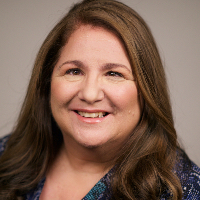
Florida · 24 yrs exp
LMHC in Florida - CBT and coaching
Stress, Anxiety · Career · Depression · Coping with life changes · +12 more
Read profile
Florida · 35 yrs exp
LMHC in Florida focusing on mood and life challenges
Stress, Anxiety · Family · Grief · Eating · +16 more
Read profile
Michigan · 20 yrs exp
LMSW focusing on relationship and mood concerns
LGBT · Family · Intimacy-related issues · Parenting · +1 more
Read profile
Delaware · 24 yrs exp
LMFT focused on relationships and family issues
Relationship · Family · Trauma and abuse · Parenting · +14 more
Read profile
Idaho · 18 yrs exp
LCSW focused on mood and life changes
Stress, Anxiety · Trauma and abuse · Grief · Self esteem · +10 more
Read profile
Texas · 12 yrs exp
LPC focusing on trauma and mood concerns
Stress, Anxiety · Trauma and abuse · Eating · Depression · +13 more
Read profile
Michigan · 10 yrs exp
LMSW, LCSW - stress and relationship work
Stress, Anxiety · Anger · Self esteem · Depression · +5 more
Read profile
New Jersey · 25 yrs exp
LPC in New Jersey focusing on stress and relationships
Stress, Anxiety · Family · Trauma and abuse · Grief · +9 more
Read profile
Massachusetts · 30 yrs exp
MA LMFT, MA LMHC working with addiction and family concerns
Addictions · Family · Trauma and abuse · Grief · +16 more
Read profile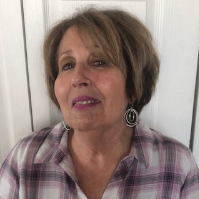
Arizona · 25 yrs exp
Licensed Professional Counselor in Arizona
Stress, Anxiety · Addictions · Relationship · Trauma and abuse · +11 more
Read profile
New York · 25 yrs exp
LCSW in New York focusing on mood and trauma
Stress, Anxiety · Trauma and abuse · Self esteem · Depression · +11 more
Read profile
Texas · 15 yrs exp
LPC helping with addictions and trauma
Addictions · Trauma and abuse · Grief · Anger · +10 more
Read profileFamily is not just a set of relationships on paper. It is a living system of roles, expectations, and histories that shape how members interact with one another. You may carry lessons from your childhood into present-day relationships, and those patterns often repeat across generations. Family can include biological relatives, blended and chosen family, and interpersonal networks that function like family. Changes such as moves, new relationships, aging, illness, or the arrival of children can shift the system and bring up longstanding patterns.
When family dynamics are working well, they provide support, identity, and practical help. When they are strained, they may be a source of stress, misunderstanding, and repeated conflict. Many people look for family-focused therapy when they want to shift recurring patterns, manage transitions, or build healthier ways of relating. Therapy can help you map the patterns that maintain conflict and explore practical steps to restore connection.
You might consider family therapy if disagreements feel stuck, if communication breaks down regularly, or if conflicts escalate in ways that damage relationships. Parenting disagreements that create ongoing tension about discipline or boundaries can be draining and may benefit from a shared approach that addresses the whole household. Blended families often face unique boundary and loyalty questions that can be hard to navigate without support. Major life events such as divorce, reunification, grief, addiction, or a child's behavioral challenges often strain family functioning and prompt people to seek help.
Other signs include persistent emotional distance, repeated conflict over the same issues, role confusion between adult and child responsibilities, and patterns that affect mental health or school and work functioning. You may also seek family therapy if you want to prepare for a transition - for example, co-parenting after separation, adapting to a new stepparent, or supporting an aging family member. In many cases, the decision to pursue therapy reflects a desire to change how the family operates, not just to treat one person's symptoms.
Initial sessions typically involve a conversation about goals and an exploration of family history and current stressors. You can expect a therapist to ask about patterns of interaction, roles within the family, and specific incidents that illustrate the difficulties you want to address. Sessions may include two or more family members together, and therapists often recommend a mix of joint and individual meetings so every person has space to speak. The therapist's role is to observe interactions, highlight patterns, and introduce strategies for change, not to assign blame.
Therapy often involves skill-building exercises you practice in sessions and at home. These can include communication techniques, structured problem-solving, and ways to manage intense emotions so conversations become less reactive. Some families work on boundaries and roles, others on grief processing or parenting strategies. Expect the pace to match your family's readiness for change - some shifts happen quickly, while deeper patterns require ongoing work. A respectful, predictable process helps family members develop new ways of relating that are sustainable beyond the therapy room.
Family therapists bring a variety of theoretical approaches to their work. You may find therapists who list Structural Family Therapy among their approaches, which focuses on reorganizing family roles and boundaries to improve functioning. Bowenian approaches tend to explore family patterns across generations and help individuals differentiate themselves while staying connected. Strategic and systemic models often target specific interaction cycles and introduce practical interventions to change those cycles.
Emotion-focused work for families centers on the experience of attachment and helps members express and respond to core emotions in ways that build connection. Narrative approaches invite families to separate problems from people by reinterpreting stories that limit their choices. Cognitive-behavioral techniques may be used to address specific behaviors and teach new skills, and play-based methods can be helpful when children are central to the work. You will likely encounter therapists who list several of these approaches among their methods, and discussing how a therapist integrates different ideas can help you understand their fit with your family.
Online family therapy typically takes place over video and can include multiple participants joining from different locations. You will want to choose a quiet, comfortable environment where everyone can participate with minimal interruption. Therapists often adapt session structure for online work, using shorter check-ins, screen-sharing of tools, and digital worksheets to guide conversations. Many families find remote sessions helpful when members live apart, when scheduling in-person meetings is difficult, or when one or more people prefer to participate from home.
Online sessions require clear agreements about how and when to join, who will be present, and how to manage privacy and safety during and after sessions. You should discuss expectations for technology, emergency contacts, and how to handle moments of strong emotion in a remote setting. While online therapy can increase access and flexibility, some families prefer occasional in-person meetings for work that benefits from shared space. Ask potential therapists about their experience conducting family work online and how they structure sessions to keep everyone engaged and heard.
Choosing a family therapist is a personal decision. Think about the specific goals you have for your family and look for clinicians whose profiles highlight experience with similar concerns, such as parenting, blended-family transition, separation, or adolescent behavior. Pay attention to the approaches therapists list and read how they describe their work with families. If you value a practical, skills-based approach, look for therapists who emphasize communication training and behavioral strategies. If you want to explore deeper emotional patterns, look for descriptions that reference attachment or systemic exploration.
Consider practical factors beyond approach, such as language, cultural competence, and a therapist's experience with family structures like yours. It can also help to think about session format preferences - whether you want mostly joint meetings, a mix of individual and family sessions, or specialized child-focused methods. Reading bios and clinician statements gives insight into style and priorities, which can guide you toward a therapist whose way of working feels like a good fit. Ultimately, the right therapist is one whose approach aligns with your goals and with whom your family can build a constructive working relationship over time.
Alabama
31 therapists
Alaska
3 therapists
Arizona
34 therapists
Arkansas
20 therapists
California
266 therapists
Colorado
72 therapists
Connecticut
26 therapists
Delaware
3 therapists
District of Columbia
7 therapists
Florida
252 therapists
Georgia
85 therapists
Hawaii
8 therapists
Idaho
15 therapists
Illinois
102 therapists
Indiana
41 therapists
Iowa
7 therapists
Kansas
20 therapists
Kentucky
30 therapists
Louisiana
42 therapists
Maine
12 therapists
Maryland
68 therapists
Massachusetts
49 therapists
Michigan
79 therapists
Minnesota
40 therapists
Mississippi
17 therapists
Missouri
68 therapists
Montana
13 therapists
Nebraska
18 therapists
Nevada
12 therapists
New Hampshire
7 therapists
New Jersey
57 therapists
New Mexico
14 therapists
New York
173 therapists
North Carolina
118 therapists
North Dakota
5 therapists
Ohio
79 therapists
Oklahoma
30 therapists
Oregon
26 therapists
Pennsylvania
85 therapists
Rhode Island
2 therapists
South Carolina
52 therapists
South Dakota
4 therapists
Tennessee
33 therapists
Texas
263 therapists
Utah
26 therapists
Vermont
4 therapists
Virginia
77 therapists
Washington
52 therapists
West Virginia
7 therapists
Wisconsin
40 therapists
Wyoming
3 therapists