
Dr. Julie McCune
LPCCOhio · 25 yrs exp
LPCC in Ohio - stress, relationships, trauma
Stress, Anxiety · LGBT · Relationship · Self esteem · +16 more
Read profileTherapist listings are provided by BetterHelp. We will earn a commission at no additional cost to you if you use our links to purchase.
On this page you will find therapist profiles focused on grief and bereavement, including descriptions of approaches, credentials, and languages spoken. Use the listings below to explore counselors who list grief as a specialty and begin narrowing your options.
Ohio · 25 yrs exp
LPCC in Ohio - stress, relationships, trauma
Stress, Anxiety · LGBT · Relationship · Self esteem · +16 more
Read profile
Colorado · 19 yrs exp
LCSW focusing on mood and relationship concerns
Stress, Anxiety · Relationship · Trauma and abuse · Grief · +12 more
Read profile
South Carolina · 16 yrs exp
LMFT - Stress, Relationships, Trauma
Stress, Anxiety · Relationship · Family · Parenting · +14 more
Read profile
Florida · 20 yrs exp
Dr. Daniella Jackson, LMHC - addiction and mood concerns
Stress, Anxiety · Addictions · Relationship · Self esteem · +16 more
Read profile
Kansas · 15 yrs exp
LCPC, LPC - Stress anxiety relationship support
Stress, Anxiety · Relationship · Family · Trauma and abuse · +14 more
Read profile
Florida · 39 yrs exp
LMHC - Relationship and stress counseling
Stress, Anxiety · Relationship · Family · Parenting · +14 more
Read profile
North Carolina · 51 yrs exp
LCMHC focusing on relationship and mood concerns
Relationship · Intimacy-related issues · Parenting · Self esteem · +12 more
Read profile
Illinois · 20 yrs exp
Licensed Clinical Social Worker - stress and life changes
Stress, Anxiety · Relationship · Parenting · Self esteem · +7 more
Read profile
Ohio · 3 yrs exp
LPCC in Ohio - addictions and mood concerns
Addictions · Family · Anger · Depression · +6 more
Read profile
Maryland · 6 yrs exp
LCPC in Maryland - stress and trauma work
Stress, Anxiety · Trauma and abuse · Self esteem · Coping with life changes · +10 more
Read profile
New York · 5 yrs exp
LMHC in New York - mood and relationship work
Stress, Anxiety · LGBT · Trauma and abuse · Bipolar · +12 more
Read profile
Michigan · 5 yrs exp
Licensed Professional Counselor - stress and life transitions
Stress, Anxiety · Relationship · Family · Self esteem · +12 more
Read profile
Missouri · 16 yrs exp
LCSW focused on stress, trauma, and mood disorders
Stress, Anxiety · Trauma and abuse · Self esteem · Bipolar · +12 more
Read profile
North Carolina · 10 yrs exp
LCSW, LISW-CP - Stress and relationship work
Stress, Anxiety · Relationship · Family · Bipolar · +16 more
Read profile
Oregon · 14 yrs exp
LPC in Oregon - mood and life transitions
Grief · Self esteem · Career · Depression · +8 more
Read profile
Texas · 9 yrs exp
Licensed Professional Counselor - stress and relationship issues
Stress, Anxiety · Trauma and abuse · Grief · Depression · +12 more
Read profile
Texas · 10 yrs exp
LPC in Texas focusing on anxiety and relationships
Stress, Anxiety · Relationship · Family · Depression · +14 more
Read profile
Michigan · 45 yrs exp
LPC in Michigan focusing on addiction and trauma
Stress, Anxiety · Addictions · Trauma and abuse · Grief · +10 more
Read profile
Ohio · 33 yrs exp
LPCC helping with stress, trauma, mood and relationships
Stress, Anxiety · Family · Trauma and abuse · Self esteem · +12 more
Read profile
Arizona · 20 yrs exp
AZ Psychologist - stress, mood, relationships
Stress, Anxiety · Addictions · Grief · Self esteem · +14 more
Read profile
Georgia · 18 yrs exp
Licensed Professional Counselor - relationship and trauma focus
Stress, Anxiety · Relationship · Family · Trauma and abuse · +10 more
Read profile
Louisiana · 22 yrs exp
LMFT LPC - Anxiety, Mood, Trauma
Stress, Anxiety · Relationship · Family · Grief · +11 more
Read profile
Alabama · 8 yrs exp
LPC in Alabama focusing on stress and trauma
Stress, Anxiety · Trauma and abuse · Anger · Self esteem · +5 more
Read profile
Florida · 30 yrs exp
FL Psychologist focused on practical solutions
Stress, Anxiety · Grief · Anger · Depression · +15 more
Read profile
Nevada · 20 yrs exp
LCPC, LMHC working with stress and relationships
Stress, Anxiety · Addictions · Relationship · Family · +15 more
Read profile
Florida · 20 yrs exp
LMHC LPCC focused on stress and addiction
Stress, Anxiety · Addictions · Relationship · Trauma and abuse · +15 more
Read profile
Texas · 20 yrs exp
LICSW, LCSW in Texas - Stress and relationship issues
Stress, Anxiety · Addictions · Family · Grief · +15 more
Read profile
Florida · 20 yrs exp
LMHC in Florida specializing in mood and relationship concerns
Stress, Anxiety · Grief · Self esteem · Depression · +9 more
Read profile
Ohio · 20 yrs exp
LISW in Ohio - stress, trauma, mood concerns
Stress, Anxiety · LGBT · Family · Grief · +16 more
Read profile
Arkansas · 23 yrs exp
LPC in Arkansas focusing on mood and relationship concerns
Stress, Anxiety · Trauma and abuse · Anger · Self esteem · +11 more
Read profile
Florida · 10 yrs exp
LCSW focused on anxiety and trauma
Stress, Anxiety · Trauma and abuse · Grief · Depression · +12 more
Read profile
Louisiana · 25 yrs exp
LPC - Addictions, trauma, relationships
Addictions · Relationship · Family · Trauma and abuse · +11 more
Read profile
Michigan · 10 yrs exp
LPC in Michigan focusing on mood and relationship issues
Stress, Anxiety · Family · Trauma and abuse · Grief · +12 more
Read profile
Michigan · 31 yrs exp
Licensed Professional Counselor in Michigan, focus on mood and behavior
Stress, Anxiety · Addictions · Self esteem · Career · +5 more
Read profile
Oregon · 17 yrs exp
LMFT working with stress, trauma, grief, depression
Stress, Anxiety · Trauma and abuse · Grief · Intimacy-related issues · +1 more
Read profile
California · 5 yrs exp
LMFT focused on relationships and life changes
Relationship · Grief · Parenting · Self esteem · +11 more
Read profile
North Carolina · 20 yrs exp
LCSW focusing on mood and addiction concerns
Stress, Anxiety · Addictions · Family · Career · +16 more
Read profile
Colorado · 13 yrs exp
Licensed Marriage and Family Therapist - adult concerns
Stress, Anxiety · LGBT · Relationship · Trauma and abuse · +10 more
Read profile
North Carolina · 20 yrs exp
LPC, LCMHC - Stress and addiction support
Stress, Anxiety · Parenting · Self esteem · Depression · +15 more
Read profile
Missouri · 23 yrs exp
LPC in Missouri focusing on mood and relationships
Stress, Anxiety · Relationship · Trauma and abuse · Depression · +9 more
Read profile
Texas · 35 yrs exp
LCSW-C and LCSW focusing on trauma and relationships
Stress, Anxiety · Relationship · Family · Trauma and abuse · +14 more
Read profile
Illinois · 5 yrs exp
IL Psychologist focusing on stress and mood
Stress, Anxiety · Relationship · Trauma and abuse · Depression · +12 more
Read profile
Illinois · 30 yrs exp
LCPC in Illinois focused on family and trauma
Family · Trauma and abuse · Grief · Depression · +7 more
Read profile
Indiana · 25 yrs exp
LCSW focused on stress and relationships
Stress, Anxiety · Relationship · Grief · Self esteem · +12 more
Read profile
Illinois · 34 yrs exp
LCPC focusing on mood and relationship concerns
Stress, Anxiety · Relationship · Grief · Self esteem · +11 more
Read profile
North Dakota · 10 yrs exp
Licensed Clinical Social Worker - stress and trauma
Stress, Anxiety · Relationship · Family · Trauma and abuse · +10 more
Read profile
Georgia · 29 yrs exp
LCSW in Florida and Georgia - stress and addiction care
Stress, Anxiety · Addictions · Relationship · Trauma and abuse · +1 more
Read profile
North Carolina · 20 yrs exp
Licensed counselor for mood and addiction concerns
Stress, Anxiety · Addictions · Anger · Depression · +7 more
Read profile
Florida · 24 yrs exp
LMHC in Florida - CBT and coaching
Stress, Anxiety · Career · Depression · Coping with life changes · +12 more
Read profile
Florida · 35 yrs exp
LMHC in Florida focusing on mood and life challenges
Stress, Anxiety · Family · Grief · Eating · +16 more
Read profile
Delaware · 24 yrs exp
LMFT focused on relationships and family issues
Relationship · Family · Trauma and abuse · Parenting · +14 more
Read profile
Idaho · 18 yrs exp
LCSW focused on mood and life changes
Stress, Anxiety · Trauma and abuse · Grief · Self esteem · +10 more
Read profile
Texas · 12 yrs exp
LPC focusing on trauma and mood concerns
Stress, Anxiety · Trauma and abuse · Eating · Depression · +13 more
Read profile
Indiana · 35 yrs exp
LCSW focusing on mood and life transitions
Stress, Anxiety · Grief · Self esteem · Depression · +4 more
Read profile
New Jersey · 25 yrs exp
LPC in New Jersey focusing on stress and relationships
Stress, Anxiety · Family · Trauma and abuse · Grief · +9 more
Read profile
Massachusetts · 30 yrs exp
MA LMFT, MA LMHC working with addiction and family concerns
Addictions · Family · Trauma and abuse · Grief · +16 more
Read profile
Arizona · 25 yrs exp
Licensed Professional Counselor in Arizona
Stress, Anxiety · Addictions · Relationship · Trauma and abuse · +11 more
Read profile
New York · 25 yrs exp
LCSW in New York focusing on mood and trauma
Stress, Anxiety · Trauma and abuse · Self esteem · Depression · +11 more
Read profile
Texas · 15 yrs exp
LPC helping with addictions and trauma
Addictions · Trauma and abuse · Grief · Anger · +10 more
Read profile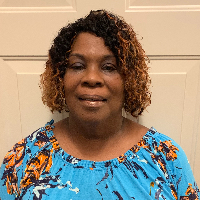
Virginia · 27 yrs exp
LPC in Virginia focusing on stress and trauma
Stress, Anxiety · Addictions · Anger · Self esteem · +9 more
Read profileGrief is the natural emotional response to loss. Most often it follows the death of a loved one, but grief can also arise after relationship endings, major life changes, loss of health or function, the loss of a job, or other significant transitions. Grief is not a single emotion but a cluster of experiences that can include sadness, anger, guilt, relief, numbness, and longing. These reactions can affect how you think, how you sleep, how you relate to others, and how you carry out daily responsibilities.
People differ in how grief shows up. Some experience waves of emotion that ebb and flow, while others feel a heavy, steady sadness. You may notice physical symptoms such as fatigue, changes in appetite, or aches that have no clear medical cause. Grief can alter your attention and memory, making it harder to concentrate. It can also shift your sense of identity when a role - such as partner, parent, or caregiver - changes after a loss. Cultural background, family expectations, spiritual beliefs, and previous experiences with loss all shape how you grieve. Because there is no one right way to grieve, responses that might feel surprising or even alarming can still be within the range of common experience.
You might consider reaching out for grief-focused counseling if your reactions are interfering with daily life in ways that feel overwhelming. If grief makes it difficult for you to maintain relationships, perform at work, or carry out basic self-care, a therapist can help you find practical strategies and emotional support. Persistent, intense symptoms such as prolonged inability to engage in previously meaningful activities, ongoing severe insomnia, or recurrent thoughts that prevent you from functioning may indicate a need for additional support.
Another sign that therapy could be helpful is feeling stuck in a pattern of avoidance or isolation. You may notice you are withdrawing from people who care about you, or you may be avoiding reminders of the person or situation you lost. Some people find themselves replaying what happened or experiencing frequent, distressing memories that interfere with sleep or concentration. If you are turning to substances or behaviors to numb pain, or if you feel a constant sense of dread or emptiness, working with a counselor can give you tools to cope and process the loss in a way that reduces harm.
Grief can coexist with anxiety, depression, or other mood changes. Distinguishing between normal grief and other conditions is not always straightforward, and a therapist can listen to your history and current struggles to help you understand what you are experiencing. Therapy is not about labeling you but about identifying strategies to reduce distress and help you move forward at a pace that fits your needs.
When you enter grief-focused therapy, the early sessions typically involve a lot of listening. A counselor will invite you to describe the loss, how it affected you, and the patterns you notice in your thoughts and emotions. You can expect to talk about practical matters as well, such as changes in daily routines, caregiving responsibilities you may have taken on, and any legal or financial stressors that accompany loss. The first phase of work often centers on establishing safety and practical coping tools to help stabilize intense emotions.
As therapy progresses, sessions may include opportunities to recount memories, reflect on the relationship you had with the person who died or on what the loss represents, and to process complicated feelings such as anger or regret. Some people find meaning-focused conversations helpful - exploring values, legacy, and how you want to carry forward memories. Therapists may also work with you on skills for managing distressing memories or intrusive thoughts, improving sleep, and rebuilding social connections. Therapy is generally collaborative, with goals shaped by what matters most to you rather than a predetermined timeline.
The length of grief therapy varies. Some people find benefit from a handful of sessions that focus on immediate coping strategies, while others engage in longer-term work to process deeper layers of grief or to navigate complex life changes that follow a loss. Progress is not linear; you may feel better for a while and then encounter setbacks around anniversaries or reminders. A counselor can help you prepare for those moments and build a plan to manage them when they arise.
Therapists use a range of approaches to support people in grief, and how a clinician works will depend on their orientation and what they and you agree would be most helpful. Some counselors use traditional supportive counseling that centers on empathic listening and validation, allowing you to tell your story and explore emotions in a steady, paced way. Others incorporate meaning-oriented approaches that focus on reconstructing a sense of purpose after loss and recognizing values that can guide the next steps in life.
There are also more structured methods that therapists may list as part of their practices. Cognitive-behavioral approaches aim to identify and gently shift unhelpful thought patterns that maintain distress, while emotion-focused work helps you access and process difficult emotions in a contained setting. Some therapists include grief-specific techniques such as narrative exercises that invite you to tell the story of your loss in a way that integrates memories rather than avoiding them. You may encounter therapists who list EMDR among their approaches; when used with grief, it is meant to help with intrusive memories and intense emotional reactions, though what matters most is how the therapist integrates any technique with sensitivity to your needs.
Because the evidence base and preferences vary, it can be useful to learn how a therapist describes their approach and how they typically work with grieving clients. Ask whether they frame sessions around coping skills, processing memories, meaning-making, or a combination of methods. The right fit for you will depend on your comfort with different styles and the goals you bring to therapy.
Online grief counseling allows you to connect with a therapist from home or another location that feels comfortable to you. Sessions usually take place via video or phone, and some therapists offer text or messaging options between appointments. If you choose online work, you can arrange a setting that supports focused conversations - a quiet room, a comfortable chair, and a plan for interruptions can help you make the most of each session. Many people find the convenience of connecting from home reduces logistical stress and makes it easier to maintain continuity during difficult periods.
When choosing a therapist for grief, consider how they describe their experience with bereavement and the populations they work with. Look for clinicians who list grief or bereavement among their specialties and who explain the approaches they use in ways that resonate with you. Pay attention to practical factors such as languages spoken, cultural competence, and any areas of focus like loss after illness, sudden loss, or relationship endings. Read therapist biographies to get a sense of their style - whether they emphasize compassion and validation, structured skill-building, or meaning-focused exploration. It can be helpful to prioritize a therapist who communicates clearly about their approach and who invites questions about how they would work with your specific situation.
When you reach out, you may want to ask about session length, the therapist’s typical pace with grief work, and how they handle moments of intense emotion during or after a session. These practical questions can help you imagine what working together would feel like. Over time, if the clinician’s approach does not match your needs, it is reasonable to explore other profiles listed here until you find a better fit. Your comfort with a counselor is an important part of the therapeutic process.
Grief is a complex and personal journey, and finding the right support can make a meaningful difference in how you navigate loss. Use the listings above to compare approaches, credentials, and languages, and to identify therapists who list grief as an area of focus. Taking the first step to seek help is an individual decision, and this directory aims to give you information to make that step with confidence.
Alabama
31 therapists
Alaska
3 therapists
Arizona
34 therapists
Arkansas
20 therapists
California
266 therapists
Colorado
72 therapists
Connecticut
26 therapists
Delaware
3 therapists
District of Columbia
7 therapists
Florida
252 therapists
Georgia
85 therapists
Hawaii
8 therapists
Idaho
15 therapists
Illinois
102 therapists
Indiana
41 therapists
Iowa
7 therapists
Kansas
20 therapists
Kentucky
30 therapists
Louisiana
42 therapists
Maine
12 therapists
Maryland
68 therapists
Massachusetts
49 therapists
Michigan
79 therapists
Minnesota
40 therapists
Mississippi
17 therapists
Missouri
68 therapists
Montana
13 therapists
Nebraska
18 therapists
Nevada
12 therapists
New Hampshire
7 therapists
New Jersey
57 therapists
New Mexico
14 therapists
New York
173 therapists
North Carolina
118 therapists
North Dakota
5 therapists
Ohio
79 therapists
Oklahoma
30 therapists
Oregon
26 therapists
Pennsylvania
85 therapists
Rhode Island
2 therapists
South Carolina
52 therapists
South Dakota
4 therapists
Tennessee
33 therapists
Texas
263 therapists
Utah
26 therapists
Vermont
4 therapists
Virginia
77 therapists
Washington
52 therapists
West Virginia
7 therapists
Wisconsin
40 therapists
Wyoming
3 therapists