
Dr. Julie McCune
LPCCOhio · 25 yrs exp
LPCC in Ohio - stress, relationships, trauma
Stress, Anxiety · LGBT · Relationship · Self esteem · +16 more
Read profileTherapist listings are provided by BetterHelp. We will earn a commission at no additional cost to you if you use our links to purchase.
On this page you will find therapists who list LGBT as a specialty and who work with issues related to sexual orientation, gender identity, relationships, and community stressors. Use the listings below to review profiles, specialties, languages, and therapeutic approaches that may match what you are looking for. Start browsing the listings to connect with counselors whose focus aligns with your goals.
Ohio · 25 yrs exp
LPCC in Ohio - stress, relationships, trauma
Stress, Anxiety · LGBT · Relationship · Self esteem · +16 more
Read profile
Colorado · 19 yrs exp
LCSW focusing on mood and relationship concerns
Stress, Anxiety · Relationship · Trauma and abuse · Grief · +12 more
Read profile
South Carolina · 16 yrs exp
LMFT - Stress, Relationships, Trauma
Stress, Anxiety · Relationship · Family · Parenting · +14 more
Read profile
Florida · 20 yrs exp
Dr. Daniella Jackson, LMHC - addiction and mood concerns
Stress, Anxiety · Addictions · Relationship · Self esteem · +16 more
Read profile
Kansas · 15 yrs exp
LCPC, LPC - Stress anxiety relationship support
Stress, Anxiety · Relationship · Family · Trauma and abuse · +14 more
Read profile
Florida · 39 yrs exp
LMHC - Relationship and stress counseling
Stress, Anxiety · Relationship · Family · Parenting · +14 more
Read profile
North Carolina · 51 yrs exp
LCMHC focusing on relationship and mood concerns
Relationship · Intimacy-related issues · Parenting · Self esteem · +12 more
Read profile
Maryland · 6 yrs exp
LCPC in Maryland - stress and trauma work
Stress, Anxiety · Trauma and abuse · Self esteem · Coping with life changes · +10 more
Read profile
New York · 5 yrs exp
LMHC in New York - mood and relationship work
Stress, Anxiety · LGBT · Trauma and abuse · Bipolar · +12 more
Read profile
Michigan · 5 yrs exp
Licensed Professional Counselor - stress and life transitions
Stress, Anxiety · Relationship · Family · Self esteem · +12 more
Read profile
Pennsylvania · 12 yrs exp
LPCC LMHC - Stress, anxiety, relationships
Stress, Anxiety · Relationship · Self esteem · Depression · +11 more
Read profile
North Carolina · 10 yrs exp
LCSW, LISW-CP - Stress and relationship work
Stress, Anxiety · Relationship · Family · Bipolar · +16 more
Read profile
Oregon · 14 yrs exp
LPC in Oregon - mood and life transitions
Grief · Self esteem · Career · Depression · +8 more
Read profile
Texas · 10 yrs exp
LPC in Texas focusing on anxiety and relationships
Stress, Anxiety · Relationship · Family · Depression · +14 more
Read profile
Michigan · 45 yrs exp
LPC in Michigan focusing on addiction and trauma
Stress, Anxiety · Addictions · Trauma and abuse · Grief · +10 more
Read profile
Arizona · 20 yrs exp
AZ Psychologist - stress, mood, relationships
Stress, Anxiety · Addictions · Grief · Self esteem · +14 more
Read profile
Florida · 30 yrs exp
FL Psychologist focused on practical solutions
Stress, Anxiety · Grief · Anger · Depression · +15 more
Read profile
Nevada · 20 yrs exp
LCPC, LMHC working with stress and relationships
Stress, Anxiety · Addictions · Relationship · Family · +15 more
Read profile
Florida · 20 yrs exp
LMHC LPCC focused on stress and addiction
Stress, Anxiety · Addictions · Relationship · Trauma and abuse · +15 more
Read profile
Texas · 20 yrs exp
LICSW, LCSW in Texas - Stress and relationship issues
Stress, Anxiety · Addictions · Family · Grief · +15 more
Read profile
Florida · 20 yrs exp
LMHC in Florida specializing in mood and relationship concerns
Stress, Anxiety · Grief · Self esteem · Depression · +9 more
Read profile
Ohio · 20 yrs exp
LISW in Ohio - stress, trauma, mood concerns
Stress, Anxiety · LGBT · Family · Grief · +16 more
Read profile
Arkansas · 23 yrs exp
LPC in Arkansas focusing on mood and relationship concerns
Stress, Anxiety · Trauma and abuse · Anger · Self esteem · +11 more
Read profile
Florida · 10 yrs exp
LCSW focused on anxiety and trauma
Stress, Anxiety · Trauma and abuse · Grief · Depression · +12 more
Read profile
North Carolina · 20 yrs exp
LCSW focusing on mood and addiction concerns
Stress, Anxiety · Addictions · Family · Career · +16 more
Read profile
Colorado · 13 yrs exp
Licensed Marriage and Family Therapist - adult concerns
Stress, Anxiety · LGBT · Relationship · Trauma and abuse · +10 more
Read profile
North Carolina · 20 yrs exp
LPC, LCMHC - Stress and addiction support
Stress, Anxiety · Parenting · Self esteem · Depression · +15 more
Read profile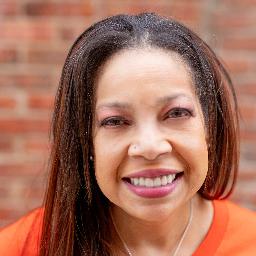
Missouri · 23 yrs exp
LPC in Missouri focusing on mood and relationships
Stress, Anxiety · Relationship · Trauma and abuse · Depression · +9 more
Read profile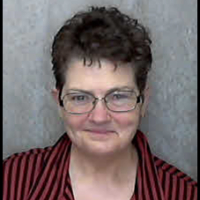
Texas · 35 yrs exp
LCSW-C and LCSW focusing on trauma and relationships
Stress, Anxiety · Relationship · Family · Trauma and abuse · +14 more
Read profile
Illinois · 5 yrs exp
IL Psychologist focusing on stress and mood
Stress, Anxiety · Relationship · Trauma and abuse · Depression · +12 more
Read profile
North Dakota · 10 yrs exp
Licensed Clinical Social Worker - stress and trauma
Stress, Anxiety · Relationship · Family · Trauma and abuse · +10 more
Read profile
Florida · 35 yrs exp
LMHC in Florida focusing on mood and life challenges
Stress, Anxiety · Family · Grief · Eating · +16 more
Read profile
Michigan · 20 yrs exp
LMSW focusing on relationship and mood concerns
LGBT · Family · Intimacy-related issues · Parenting · +1 more
Read profile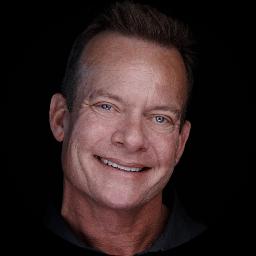
Delaware · 24 yrs exp
LMFT focused on relationships and family issues
Relationship · Family · Trauma and abuse · Parenting · +14 more
Read profile
Idaho · 18 yrs exp
LCSW focused on mood and life changes
Stress, Anxiety · Trauma and abuse · Grief · Self esteem · +10 more
Read profile
New Jersey · 25 yrs exp
LPC in New Jersey focusing on stress and relationships
Stress, Anxiety · Family · Trauma and abuse · Grief · +9 more
Read profile
Massachusetts · 30 yrs exp
MA LMFT, MA LMHC working with addiction and family concerns
Addictions · Family · Trauma and abuse · Grief · +16 more
Read profile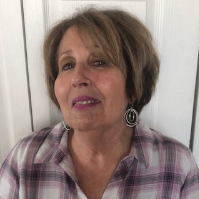
Arizona · 25 yrs exp
Licensed Professional Counselor in Arizona
Stress, Anxiety · Addictions · Relationship · Trauma and abuse · +11 more
Read profile
New York · 25 yrs exp
LCSW in New York focusing on mood and trauma
Stress, Anxiety · Trauma and abuse · Self esteem · Depression · +11 more
Read profile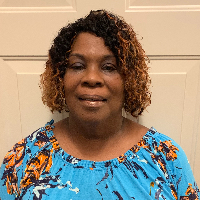
Virginia · 27 yrs exp
LPC in Virginia focusing on stress and trauma
Stress, Anxiety · Addictions · Anger · Self esteem · +9 more
Read profile
Mississippi · 16 yrs exp
LPC focused on anxiety, trauma, and family concerns
Stress, Anxiety · Family · Anger · Depression · +8 more
Read profile
Washington · 50 yrs exp
LMHC in Washington - trauma, mood, relationship work
Stress, Anxiety · Trauma and abuse · Intimacy-related issues · Self esteem · +15 more
Read profile
Georgia · 12 yrs exp
LPC in Georgia focusing on mood and relationship concerns
LGBT · Relationship · Bipolar · Coping with life changes · +6 more
Read profile
Virginia · 13 yrs exp
Licensed Professional Counselor - stress and relationships
Stress, Anxiety · Family · Trauma and abuse · Parenting · +12 more
Read profile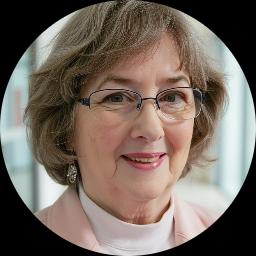
Nebraska · 35 yrs exp
LMHP, LPC focusing on relationships and sexuality
LGBT · Relationship · Family · Intimacy-related issues · +6 more
Read profile
Florida · 13 yrs exp
LMHC in Florida - Stress, Relationships, Addictions
Stress, Anxiety · Trauma and abuse · Anger · Depression · +11 more
Read profile
Michigan · 10 yrs exp
LMSW, LISW - depression, anxiety, trauma
Addictions · Relationship · Trauma and abuse · Self esteem · +16 more
Read profile
Florida · 21 yrs exp
LCSW focused on relationships and life changes
Stress, Anxiety · Relationship · Family · Eating · +16 more
Read profile
Oklahoma · 23 yrs exp
Licensed Professional Counselor - stress, anxiety, trauma
Stress, Anxiety · Relationship · Trauma and abuse · Self esteem · +15 more
Read profile
Wisconsin · 33 yrs exp
LPC in Wisconsin - stress, mood, and addiction care
Stress, Anxiety · Addictions · Trauma and abuse · Grief · +11 more
Read profile
Wisconsin · 15 yrs exp
Licensed Professional Counselor - stress and relationship work
Stress, Anxiety · Addictions · Relationship · Depression · +15 more
Read profile
Nebraska · 23 yrs exp
LPC LMHP focusing on mood and coping
Stress, Anxiety · Trauma and abuse · Self esteem · Depression · +12 more
Read profile
Michigan · 9 yrs exp
LMSW in Michigan - stress, addiction, relationships
Stress, Anxiety · Addictions · Relationship · Trauma and abuse · +15 more
Read profile
Florida · 12 yrs exp
LMHC LPC - relationship and mood concerns
Relationship · Self esteem · Depression · Coping with life changes · +9 more
Read profile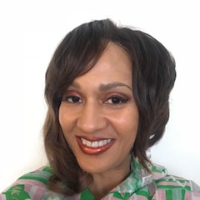
Michigan · 32 yrs exp
LMSW focused on relationship and mood concerns
Stress, Anxiety · Relationship · Trauma and abuse · Self esteem · +16 more
Read profile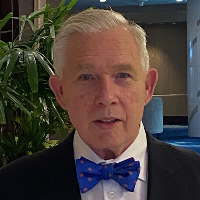
Florida · 40 yrs exp
LCSW focusing on stress and trauma
Stress, Anxiety · Addictions · LGBT · Relationship · +3 more
Read profile
North Carolina · 16 yrs exp
LCMHC focused on stress and addiction
Stress, Anxiety · Addictions · Grief · Eating · +12 more
Read profile
Florida · 30 yrs exp
Dr. Oren Hernández LMHC LMFT - stress and mood concerns
Stress, Anxiety · Addictions · Trauma and abuse · Grief · +14 more
Read profile
Utah · 11 yrs exp
LCSW focusing on trauma and behavior concerns
Stress, Anxiety · Addictions · Relationship · Trauma and abuse · +16 more
Read profile
Florida · 11 yrs exp
LMHC in Florida - Stress and Addiction focus
Stress, Anxiety · Addictions · Depression · LGBT · +11 more
Read profileLGBT generally refers to people who identify as lesbian, gay, bisexual, or transgender, and many pages and clinicians use LGBT as shorthand to describe work with sexual and gender minority communities. That umbrella term can also include queer, questioning, intersex, asexual, and other identities depending on context. For many people, navigating identity and relationships is an ongoing part of life. Social attitudes, family responses, and laws vary by place and can shape everyday experiences in meaningful ways. You may find that aspects of identity influence how you relate to others, how you form intimate partnerships, and how you make decisions about work, school, and community participation.
Because sexual and gender identity often intersects with cultural background, religion, and family history, the experience of being LGBT is diverse. Some people experience affirmation and support from friends and family, while others face rejection, marginalization, or discrimination. These external pressures can affect your sense of self, your relationships, and your coping patterns. Therapy can offer a space to explore identity development, relationship questions, and the emotional impact of societal stressors. Approaches that center respect for your identity can help you articulate goals, learn new ways of coping, and build connection in community.
If you are wrestling with questions about your sexual orientation or gender identity, therapy can help you explore those questions without judgment. You might seek support if coming out feels daunting, if you are anticipating or facing rejection from family, or if past rejection continues to affect how you relate to others. You might also look for a therapist when relationship issues arise that feel tied to identity, such as communication with a partner about gender transition or navigating nonmonogamy in a way that aligns with your values.
Other signs that a counselor could be helpful include persistent stress related to discrimination or microaggressions, patterns of anxiety or sadness that feel connected to identity experiences, or difficulties accessing healthcare and legal resources related to gender or sexual identity. If distress leads to trouble functioning at work, school, or in relationships, or if you have thoughts of harming yourself, reaching out to a mental health professional and local crisis resources is an important step. Therapy can provide practical coping strategies as well as a space to sort through identity, values, and long-term goals.
When you begin therapy, the initial sessions are typically focused on forming a working relationship and gathering background information. Your therapist may ask about your history, relationships, current stressors, and the goals you want to address in therapy. For LGBT-focused work, clinicians often ask about identity milestones, coming out history if relevant, experiences with family and community, and any safety or medical concerns linked to gender or sexual identity. This early phase helps you and the therapist decide what a helpful plan of work looks like.
As therapy continues, sessions may blend exploration of personal history with practical skill-building. You might practice communication strategies for conversations with partners or family members, learn ways to manage anxiety or depressive feelings, or develop routines that support overall well-being. Some people focus on processing past trauma or rejection, while others emphasize identity affirmation, resilience, and community connection. Therapy can also include discussions about navigating healthcare systems, legal name or gender-marker changes, and social supports when appropriate. Throughout, you should expect a process that adapts to your pace and priorities.
There is no single way to approach LGBT-related concerns, and different therapists describe a range of modalities in their work. You may encounter counselors who list cognitive behavioral therapy among their approaches, which often focuses on how thoughts and behaviors influence mood and functioning. Other therapists who list narrative therapy among their approaches may center a person’s story and how social narratives about gender and sexuality shape identity. Therapists who list acceptance and commitment therapy among their approaches often emphasize values-driven action and skills for tolerating discomfort while pursuing meaningful goals.
Family systems perspectives are commonly used when family relationships are a primary concern, and some clinicians who list trauma-focused approaches among their modalities work with people processing past harmful experiences. Person-centered approaches emphasize empathy and collaboration, creating space for you to guide the focus of sessions. It is common to find therapists who combine elements from different models, and many clinicians describe adapting techniques to the cultural and identity contexts of the people they work with. When reviewing profiles, look for language that resonates with how you want to work and ask questions about how an approach would be applied to your concerns.
Online therapy has expanded access for many people seeking LGBT-focused counseling. When you participate in online sessions, you usually meet your counselor by video call, phone, or messaging. This format can reduce travel time, let you connect with clinicians beyond your immediate area, and allow you to maintain continuity of care if you move. Many people find online sessions particularly helpful when in-person options are limited or when keeping appointments discreet is important. It is important to consider local regulations about licensure and to make sure you understand how a therapist conducts online work and manages privacy and emergency planning.
Choosing the right therapist involves comparing several factors beyond a single label. Pay attention to how a therapist describes their experience with LGBT issues, whether they use language that feels affirming to you, and whether they list approaches that align with how you prefer to work. Consider the counselor’s stated focus areas, cultural competencies, languages spoken, and professional credentials. It can be helpful to read a profile for specifics about the populations a therapist mentions serving and the ways they describe collaboration and goal setting. You may want to contact several clinicians to get a sense of fit - some people use brief introductory calls or intake forms to ask about the therapist’s experience with gender-affirming care, family mediation, relationship work, or trauma-informed practices.
Ultimately, the most useful therapist is one with whom you feel understood and able to make progress toward your goals. Give yourself permission to prioritize respect for your identity and practical matters like session format, communication style, and the therapist’s approach to working with LGBT issues. If you are unsure where to start, look for profiles that explicitly state an interest in sexual and gender minority work and that describe collaborative, person-centered methods. Taking those first steps can help you find a counselor who supports both the emotional and practical aspects of living as an LGBT person in your community.
Alabama
31 therapists
Alaska
3 therapists
Arizona
34 therapists
Arkansas
20 therapists
California
266 therapists
Colorado
72 therapists
Connecticut
26 therapists
Delaware
3 therapists
District of Columbia
7 therapists
Florida
252 therapists
Georgia
85 therapists
Hawaii
8 therapists
Idaho
15 therapists
Illinois
102 therapists
Indiana
41 therapists
Iowa
7 therapists
Kansas
20 therapists
Kentucky
30 therapists
Louisiana
42 therapists
Maine
12 therapists
Maryland
68 therapists
Massachusetts
49 therapists
Michigan
79 therapists
Minnesota
40 therapists
Mississippi
17 therapists
Missouri
68 therapists
Montana
13 therapists
Nebraska
18 therapists
Nevada
12 therapists
New Hampshire
7 therapists
New Jersey
57 therapists
New Mexico
14 therapists
New York
173 therapists
North Carolina
118 therapists
North Dakota
5 therapists
Ohio
79 therapists
Oklahoma
30 therapists
Oregon
26 therapists
Pennsylvania
85 therapists
Rhode Island
2 therapists
South Carolina
52 therapists
South Dakota
4 therapists
Tennessee
33 therapists
Texas
263 therapists
Utah
26 therapists
Vermont
4 therapists
Virginia
77 therapists
Washington
52 therapists
West Virginia
7 therapists
Wisconsin
40 therapists
Wyoming
3 therapists