
Velma Jones
LCSWNew York · 29 yrs exp
LCSW - adult mood and relationship concerns
Stress, Anxiety · Relationship · Trauma and abuse · Depression · +10 more
Read profileTherapist listings are provided by BetterHelp. We will earn a commission at no additional cost to you if you use our links to purchase.
Find therapists who list relationship and couples work as a focus, with information on approaches, credentials, languages, and areas of experience. Browse the listings below to compare how clinicians describe their relationship practice and learn more about working with a therapist for relationship concerns.
New York · 29 yrs exp
LCSW - adult mood and relationship concerns
Stress, Anxiety · Relationship · Trauma and abuse · Depression · +10 more
Read profile
Ohio · 25 yrs exp
LPCC in Ohio - stress, relationships, trauma
Stress, Anxiety · LGBT · Relationship · Self esteem · +16 more
Read profile
Colorado · 19 yrs exp
LCSW focusing on mood and relationship concerns
Stress, Anxiety · Relationship · Trauma and abuse · Grief · +12 more
Read profile
South Carolina · 16 yrs exp
LMFT - Stress, Relationships, Trauma
Stress, Anxiety · Relationship · Family · Parenting · +14 more
Read profile
Florida · 20 yrs exp
Dr. Daniella Jackson, LMHC - addiction and mood concerns
Stress, Anxiety · Addictions · Relationship · Self esteem · +16 more
Read profile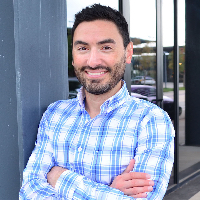
Kansas · 15 yrs exp
LCPC, LPC - Stress anxiety relationship support
Stress, Anxiety · Relationship · Family · Trauma and abuse · +14 more
Read profile
Florida · 39 yrs exp
LMHC - Relationship and stress counseling
Stress, Anxiety · Relationship · Family · Parenting · +14 more
Read profile
North Carolina · 51 yrs exp
LCMHC focusing on relationship and mood concerns
Relationship · Intimacy-related issues · Parenting · Self esteem · +12 more
Read profile
Illinois · 20 yrs exp
Licensed Clinical Social Worker - stress and life changes
Stress, Anxiety · Relationship · Parenting · Self esteem · +7 more
Read profile
Ohio · 3 yrs exp
LPCC in Ohio - addictions and mood concerns
Addictions · Family · Anger · Depression · +6 more
Read profile
Maryland · 6 yrs exp
LCPC in Maryland - stress and trauma work
Stress, Anxiety · Trauma and abuse · Self esteem · Coping with life changes · +10 more
Read profile
New York · 5 yrs exp
LMHC in New York - mood and relationship work
Stress, Anxiety · LGBT · Trauma and abuse · Bipolar · +12 more
Read profile
Michigan · 5 yrs exp
Licensed Professional Counselor - stress and life transitions
Stress, Anxiety · Relationship · Family · Self esteem · +12 more
Read profile
Pennsylvania · 12 yrs exp
LPCC LMHC - Stress, anxiety, relationships
Stress, Anxiety · Relationship · Self esteem · Depression · +11 more
Read profile
Missouri · 16 yrs exp
LCSW focused on stress, trauma, and mood disorders
Stress, Anxiety · Trauma and abuse · Self esteem · Bipolar · +12 more
Read profile
North Carolina · 10 yrs exp
LCSW, LISW-CP - Stress and relationship work
Stress, Anxiety · Relationship · Family · Bipolar · +16 more
Read profile
Texas · 9 yrs exp
Licensed Professional Counselor - stress and relationship issues
Stress, Anxiety · Trauma and abuse · Grief · Depression · +12 more
Read profile
Texas · 10 yrs exp
LPC in Texas focusing on anxiety and relationships
Stress, Anxiety · Relationship · Family · Depression · +14 more
Read profile
Michigan · 45 yrs exp
LPC in Michigan focusing on addiction and trauma
Stress, Anxiety · Addictions · Trauma and abuse · Grief · +10 more
Read profile
Ohio · 33 yrs exp
LPCC helping with stress, trauma, mood and relationships
Stress, Anxiety · Family · Trauma and abuse · Self esteem · +12 more
Read profile
Arizona · 20 yrs exp
AZ Psychologist - stress, mood, relationships
Stress, Anxiety · Addictions · Grief · Self esteem · +14 more
Read profile
Georgia · 18 yrs exp
Licensed Professional Counselor - relationship and trauma focus
Stress, Anxiety · Relationship · Family · Trauma and abuse · +10 more
Read profile
Louisiana · 22 yrs exp
LMFT LPC - Anxiety, Mood, Trauma
Stress, Anxiety · Relationship · Family · Grief · +11 more
Read profile
Alabama · 8 yrs exp
LPC in Alabama focusing on stress and trauma
Stress, Anxiety · Trauma and abuse · Anger · Self esteem · +5 more
Read profile
Florida · 30 yrs exp
FL Psychologist focused on practical solutions
Stress, Anxiety · Grief · Anger · Depression · +15 more
Read profile
Texas · 6 yrs exp
LCSW focused on relationships and family concerns
Relationship · Family · Parenting · Self esteem · +7 more
Read profile
Nevada · 20 yrs exp
LCPC, LMHC working with stress and relationships
Stress, Anxiety · Addictions · Relationship · Family · +15 more
Read profile
Florida · 20 yrs exp
LMHC LPCC focused on stress and addiction
Stress, Anxiety · Addictions · Relationship · Trauma and abuse · +15 more
Read profile
Texas · 20 yrs exp
LICSW, LCSW in Texas - Stress and relationship issues
Stress, Anxiety · Addictions · Family · Grief · +15 more
Read profile
Florida · 20 yrs exp
LMHC in Florida specializing in mood and relationship concerns
Stress, Anxiety · Grief · Self esteem · Depression · +9 more
Read profile
Ohio · 20 yrs exp
LISW in Ohio - stress, trauma, mood concerns
Stress, Anxiety · LGBT · Family · Grief · +16 more
Read profile
Arkansas · 23 yrs exp
LPC in Arkansas focusing on mood and relationship concerns
Stress, Anxiety · Trauma and abuse · Anger · Self esteem · +11 more
Read profile
Florida · 10 yrs exp
LCSW focused on anxiety and trauma
Stress, Anxiety · Trauma and abuse · Grief · Depression · +12 more
Read profile
Louisiana · 25 yrs exp
LPC - Addictions, trauma, relationships
Addictions · Relationship · Family · Trauma and abuse · +11 more
Read profile
Michigan · 10 yrs exp
LPC in Michigan focusing on relationships and life transitions
Relationship · Family · Self esteem · Career · +5 more
Read profile
Michigan · 10 yrs exp
LPC in Michigan focusing on mood and relationship issues
Stress, Anxiety · Family · Trauma and abuse · Grief · +12 more
Read profile
New York · 14 yrs exp
LCSW - Stress, anxiety, relationships
Stress, Anxiety · Relationship · Trauma and abuse · Self esteem · +5 more
Read profile
New York · 18 yrs exp
LMHC focusing on stress and relationships
Stress, Anxiety · Relationship · Parenting · Anger · +1 more
Read profile
California · 5 yrs exp
LMFT focused on relationships and life changes
Relationship · Grief · Parenting · Self esteem · +11 more
Read profile
North Carolina · 20 yrs exp
LCSW focusing on mood and addiction concerns
Stress, Anxiety · Addictions · Family · Career · +16 more
Read profile
Colorado · 13 yrs exp
Licensed Marriage and Family Therapist - adult concerns
Stress, Anxiety · LGBT · Relationship · Trauma and abuse · +10 more
Read profile
North Carolina · 20 yrs exp
LPC, LCMHC - Stress and addiction support
Stress, Anxiety · Parenting · Self esteem · Depression · +15 more
Read profile
Michigan · 13 yrs exp
Licensed Professional Counselor in Michigan - stress and relationships
Stress, Anxiety · Relationship · Anger · Self esteem · +1 more
Read profile
Missouri · 23 yrs exp
LPC in Missouri focusing on mood and relationships
Stress, Anxiety · Relationship · Trauma and abuse · Depression · +9 more
Read profile
Texas · 35 yrs exp
LCSW-C and LCSW focusing on trauma and relationships
Stress, Anxiety · Relationship · Family · Trauma and abuse · +14 more
Read profile
Nevada · 25 yrs exp
LMFT for relationship and family concerns
Stress, Anxiety · Relationship · Family · Trauma and abuse · +1 more
Read profile
Illinois · 5 yrs exp
IL Psychologist focusing on stress and mood
Stress, Anxiety · Relationship · Trauma and abuse · Depression · +12 more
Read profile
Illinois · 30 yrs exp
LCPC in Illinois focused on family and trauma
Family · Trauma and abuse · Grief · Depression · +7 more
Read profile
Indiana · 25 yrs exp
LCSW focused on stress and relationships
Stress, Anxiety · Relationship · Grief · Self esteem · +12 more
Read profile
Illinois · 34 yrs exp
LCPC focusing on mood and relationship concerns
Stress, Anxiety · Relationship · Grief · Self esteem · +11 more
Read profile
North Dakota · 10 yrs exp
Licensed Clinical Social Worker - stress and trauma
Stress, Anxiety · Relationship · Family · Trauma and abuse · +10 more
Read profile
Georgia · 29 yrs exp
LCSW in Florida and Georgia - stress and addiction care
Stress, Anxiety · Addictions · Relationship · Trauma and abuse · +1 more
Read profile
North Carolina · 20 yrs exp
Licensed counselor for mood and addiction concerns
Stress, Anxiety · Addictions · Anger · Depression · +7 more
Read profile
Florida · 24 yrs exp
LMHC in Florida - CBT and coaching
Stress, Anxiety · Career · Depression · Coping with life changes · +12 more
Read profile
Florida · 35 yrs exp
LMHC in Florida focusing on mood and life challenges
Stress, Anxiety · Family · Grief · Eating · +16 more
Read profile
Delaware · 24 yrs exp
LMFT focused on relationships and family issues
Relationship · Family · Trauma and abuse · Parenting · +14 more
Read profile
Idaho · 18 yrs exp
LCSW focused on mood and life changes
Stress, Anxiety · Trauma and abuse · Grief · Self esteem · +10 more
Read profile
Texas · 12 yrs exp
LPC focusing on trauma and mood concerns
Stress, Anxiety · Trauma and abuse · Eating · Depression · +13 more
Read profile
Michigan · 10 yrs exp
LMSW, LCSW - stress and relationship work
Stress, Anxiety · Anger · Self esteem · Depression · +5 more
Read profile
New Jersey · 25 yrs exp
LPC in New Jersey focusing on stress and relationships
Stress, Anxiety · Family · Trauma and abuse · Grief · +9 more
Read profileRelationship therapy is a form of clinical support that centers on the dynamics between people who share emotional, romantic, familial, or co-parenting ties. Whether you are navigating a long-term partnership, a new relationship, an opening or ending, or ongoing family stress, relationship-focused work is about examining patterns, emotions, and interactions that shape how you relate. You may come to therapy because everyday interactions feel strained, because milestones prompt questions about connection, or because repeated conflicts leave you emotionally exhausted. Over time, unresolved relational patterns can affect your mood, sleep, work, and sense of self, and many people find that addressing those patterns directly helps them restore trust, clarity, or a different way of relating.
Therapy for relationships does not assume there is a single problem or a single cause. Instead you and the therapist examine the exchanges that reinforce a situation, the histories and vulnerabilities each person brings, and the practical steps that change those exchanges. For some people the focus is rebuilding closeness after a breach. For others it is learning new communication habits or negotiating new roles after a life transition. Relationship work often moves between emotion-focused exploration and skills-oriented practice, and therapists generally tailor their approach to the goals you and any partner set together.
You might consider relationship therapy when recurring patterns keep resurfacing despite your efforts to change them. If you find that conversations frequently spiral into the same unhelpful territory, if you and your partner avoid certain topics out of fear, or if you feel chronically unheard, those are common reasons people reach out. Emotional distance, ongoing resentment, or a loss of physical or emotional intimacy are also signals that the relationship could benefit from outside support. You may notice that disagreements escalate quickly, that you repeat hurtful behaviors, or that one or both partners withdraw from contact to cope. These dynamics not only affect the relationship but can influence your emotional well-being and daily functioning.
It is also reasonable to seek relationship-oriented work when you are facing a specific decision that affects your partnership. Events like becoming parents, moving in together, retirement, health changes, or navigating blended families bring practical and emotional questions that therapy can help you address. Even if you are not in a romantic partnership, you might pursue relationship-focused therapy for family tensions, caregiving conflicts, or to improve how you relate to close friends or colleagues. The core aim is to help you develop more sustainable patterns of interaction so that difficult moments are less damaging and the relationship supports both people more reliably.
When you begin relationship work, the initial sessions typically focus on understanding what matters to you and mapping the recurring moments that create distress. You and any partner you involve will usually be asked to describe how you experience a typical conflict, what you hope will change, and what has worked or not worked in the past. The therapist will help identify interaction cycles - for example, one person withdraws while the other pursues - and will translate those cycles into concrete areas to address. Expect a balance of emotional exploration and practical skills work; some sessions may involve deep emotional processing while others are spent practicing new communication or problem-solving strategies.
Therapists often invite you to set clear goals, short term and longer term, so you can track progress. Homework between sessions is common and may include practicing an identified skill, paying attention to triggers, or trying a new method of expressing needs. Progress can look like fewer escalation loops, clearer agreements about responsibilities, increased moments of connection, or simply a greater sense of emotional safety when difficult topics arise. Therapy is most effective when you and any partner are willing to engage in the work and to reflect on what each interaction reveals about your patterns.
There is a range of therapeutic approaches that clinicians who focus on relationships may list among their methods. Some therapists describe emotion-focused frameworks that prioritize understanding and reshaping emotional responses that drive interaction patterns. Others note systemic or family-oriented approaches that look at the broader patterns and roles that influence how you relate to one another. Cognitive-behavioral methods may be listed as well, emphasizing the thought patterns and behaviors that maintain conflict and offering concrete skills to change them.
Many clinicians also reference models that combine elements of attachment theory, communication training, and behavioral experiments. You may find therapists who list Gottman-influenced techniques among their approaches, focusing on indicators of relational health and practical exercises to build connection. Others might list acceptance-based approaches that emphasize tolerance for difficult emotions and rebuilding trust. When reviewing profiles, note how a therapist describes their approach in plain terms - for example whether they focus on emotional experience, communication skills, or the broader family context - so you can match that emphasis to the changes you want to see.
Online therapy gives you access to relationship-focused clinicians through video, phone, or messaging formats, and many people find this option convenient for scheduling and for including partners who live apart. Sessions conducted remotely can reproduce much of the in-person experience: you and a clinician talk through recent interactions, practice communication exercises, and receive guidance on how to try new responses between sessions. If you plan to involve a partner, online sessions can make it easier to coordinate participation across different locations. Some therapists provide a combination of joint sessions and individual work so that each person has space to explore personal triggers as well as the shared patterns.
To make remote sessions effective, choose a quiet location where you can speak freely, use a reliable internet connection when video is involved, and agree with your partner on times and boundaries for the session. Online work can be especially helpful if logistics have made in-person appointments difficult, but the therapeutic principles are the same: a focus on understanding interaction patterns, practicing new skills, and building clearer ways of meeting each other’s needs.
When you look through listings, prioritize how therapists describe their focus and approach rather than assuming specific certifications. Read profiles to see whether a clinician lists relationship or couples work among their specialties, whether they mention particular approaches you resonate with, and which populations they have experience with - for example, co-parenting, multicultural couples, or nontraditional relationship structures. Consider practical match factors like shared language, cultural perspective, or experience with life stages similar to yours. If you have preferences about session structure, note whether a therapist mentions joint sessions, individual sessions within relationship work, or tools they use to teach communication skills.
It is also helpful to consider how a therapist presents their philosophy in plain language. Look for descriptions that feel clear and grounded in real-world examples so you can imagine what sessions might be like. If you and a partner have different goals, seek a clinician who articulates how they balance multiple perspectives and supports negotiated goals. Finally, trust your sense of fit: the relationship with your therapist is itself a model for change, so feeling that a clinician hears and respects your experience is an important part of the decision.
Relationship work can be challenging but also deeply rewarding. By understanding the common patterns that create distress, learning practical communication skills, and choosing a clinician whose approach and experience match your needs, you give yourself a structured way to address what matters most in your close relationships. Use the listings on this page to explore how different therapists describe their relationship practice and to find a match that aligns with your goals and values.
Alabama
31 therapists
Alaska
3 therapists
Arizona
34 therapists
Arkansas
20 therapists
California
266 therapists
Colorado
72 therapists
Connecticut
26 therapists
Delaware
3 therapists
District of Columbia
7 therapists
Florida
252 therapists
Georgia
85 therapists
Hawaii
8 therapists
Idaho
15 therapists
Illinois
102 therapists
Indiana
41 therapists
Iowa
7 therapists
Kansas
20 therapists
Kentucky
30 therapists
Louisiana
42 therapists
Maine
12 therapists
Maryland
68 therapists
Massachusetts
49 therapists
Michigan
79 therapists
Minnesota
40 therapists
Mississippi
17 therapists
Missouri
68 therapists
Montana
13 therapists
Nebraska
18 therapists
Nevada
12 therapists
New Hampshire
7 therapists
New Jersey
57 therapists
New Mexico
14 therapists
New York
173 therapists
North Carolina
118 therapists
North Dakota
5 therapists
Ohio
79 therapists
Oklahoma
30 therapists
Oregon
26 therapists
Pennsylvania
85 therapists
Rhode Island
2 therapists
South Carolina
52 therapists
South Dakota
4 therapists
Tennessee
33 therapists
Texas
263 therapists
Utah
26 therapists
Vermont
4 therapists
Virginia
77 therapists
Washington
52 therapists
West Virginia
7 therapists
Wisconsin
40 therapists
Wyoming
3 therapists