
Velma Jones
LCSWNew York · 29 yrs exp
LCSW - adult mood and relationship concerns
Stress, Anxiety · Relationship · Trauma and abuse · Depression · +10 more
Read profileTherapist listings are provided by BetterHelp. We will earn a commission at no additional cost to you if you use our links to purchase.
This page lists therapists who identify stress and anxiety as a specialty and provides an overview of what to expect when seeking help. Browse the profiles below to compare approaches, credentials, languages, and professional focuses.
New York · 29 yrs exp
LCSW - adult mood and relationship concerns
Stress, Anxiety · Relationship · Trauma and abuse · Depression · +10 more
Read profile
Ohio · 25 yrs exp
LPCC in Ohio - stress, relationships, trauma
Stress, Anxiety · LGBT · Relationship · Self esteem · +16 more
Read profile
Colorado · 19 yrs exp
LCSW focusing on mood and relationship concerns
Stress, Anxiety · Relationship · Trauma and abuse · Grief · +12 more
Read profile
South Carolina · 16 yrs exp
LMFT - Stress, Relationships, Trauma
Stress, Anxiety · Relationship · Family · Parenting · +14 more
Read profile
Florida · 20 yrs exp
Dr. Daniella Jackson, LMHC - addiction and mood concerns
Stress, Anxiety · Addictions · Relationship · Self esteem · +16 more
Read profile
Kansas · 15 yrs exp
LCPC, LPC - Stress anxiety relationship support
Stress, Anxiety · Relationship · Family · Trauma and abuse · +14 more
Read profile
Florida · 39 yrs exp
LMHC - Relationship and stress counseling
Stress, Anxiety · Relationship · Family · Parenting · +14 more
Read profile
North Carolina · 51 yrs exp
LCMHC focusing on relationship and mood concerns
Relationship · Intimacy-related issues · Parenting · Self esteem · +12 more
Read profile
Illinois · 20 yrs exp
Licensed Clinical Social Worker - stress and life changes
Stress, Anxiety · Relationship · Parenting · Self esteem · +7 more
Read profile
Ohio · 3 yrs exp
LPCC in Ohio - addictions and mood concerns
Addictions · Family · Anger · Depression · +6 more
Read profile
Maryland · 6 yrs exp
LCPC in Maryland - stress and trauma work
Stress, Anxiety · Trauma and abuse · Self esteem · Coping with life changes · +10 more
Read profile
New York · 5 yrs exp
LMHC in New York - mood and relationship work
Stress, Anxiety · LGBT · Trauma and abuse · Bipolar · +12 more
Read profile
Michigan · 5 yrs exp
Licensed Professional Counselor - stress and life transitions
Stress, Anxiety · Relationship · Family · Self esteem · +12 more
Read profile
Pennsylvania · 12 yrs exp
LPCC LMHC - Stress, anxiety, relationships
Stress, Anxiety · Relationship · Self esteem · Depression · +11 more
Read profile
Missouri · 16 yrs exp
LCSW focused on stress, trauma, and mood disorders
Stress, Anxiety · Trauma and abuse · Self esteem · Bipolar · +12 more
Read profile
North Carolina · 10 yrs exp
LCSW, LISW-CP - Stress and relationship work
Stress, Anxiety · Relationship · Family · Bipolar · +16 more
Read profile
Oregon · 14 yrs exp
LPC in Oregon - mood and life transitions
Grief · Self esteem · Career · Depression · +8 more
Read profile
Texas · 9 yrs exp
Licensed Professional Counselor - stress and relationship issues
Stress, Anxiety · Trauma and abuse · Grief · Depression · +12 more
Read profile
Texas · 10 yrs exp
LPC in Texas focusing on anxiety and relationships
Stress, Anxiety · Relationship · Family · Depression · +14 more
Read profile
Michigan · 45 yrs exp
LPC in Michigan focusing on addiction and trauma
Stress, Anxiety · Addictions · Trauma and abuse · Grief · +10 more
Read profile
Ohio · 33 yrs exp
LPCC helping with stress, trauma, mood and relationships
Stress, Anxiety · Family · Trauma and abuse · Self esteem · +12 more
Read profile
Arizona · 20 yrs exp
AZ Psychologist - stress, mood, relationships
Stress, Anxiety · Addictions · Grief · Self esteem · +14 more
Read profile
Georgia · 18 yrs exp
Licensed Professional Counselor - relationship and trauma focus
Stress, Anxiety · Relationship · Family · Trauma and abuse · +10 more
Read profile
Louisiana · 22 yrs exp
LMFT LPC - Anxiety, Mood, Trauma
Stress, Anxiety · Relationship · Family · Grief · +11 more
Read profile
Alabama · 8 yrs exp
LPC in Alabama focusing on stress and trauma
Stress, Anxiety · Trauma and abuse · Anger · Self esteem · +5 more
Read profile
Florida · 30 yrs exp
FL Psychologist focused on practical solutions
Stress, Anxiety · Grief · Anger · Depression · +15 more
Read profile
Texas · 6 yrs exp
LCSW focused on relationships and family concerns
Relationship · Family · Parenting · Self esteem · +7 more
Read profile
Nevada · 20 yrs exp
LCPC, LMHC working with stress and relationships
Stress, Anxiety · Addictions · Relationship · Family · +15 more
Read profile
Florida · 20 yrs exp
LMHC LPCC focused on stress and addiction
Stress, Anxiety · Addictions · Relationship · Trauma and abuse · +15 more
Read profile
Texas · 20 yrs exp
LICSW, LCSW in Texas - Stress and relationship issues
Stress, Anxiety · Addictions · Family · Grief · +15 more
Read profile
Florida · 20 yrs exp
LMHC in Florida specializing in mood and relationship concerns
Stress, Anxiety · Grief · Self esteem · Depression · +9 more
Read profile
Ohio · 20 yrs exp
LISW in Ohio - stress, trauma, mood concerns
Stress, Anxiety · LGBT · Family · Grief · +16 more
Read profile
Arkansas · 23 yrs exp
LPC in Arkansas focusing on mood and relationship concerns
Stress, Anxiety · Trauma and abuse · Anger · Self esteem · +11 more
Read profile
Florida · 10 yrs exp
LCSW focused on anxiety and trauma
Stress, Anxiety · Trauma and abuse · Grief · Depression · +12 more
Read profile
Louisiana · 14 yrs exp
Licensed Professional Counselor - stress and relationship focus
Stress, Anxiety · Parenting · Anger · Self esteem · +1 more
Read profile
Louisiana · 25 yrs exp
LPC - Addictions, trauma, relationships
Addictions · Relationship · Family · Trauma and abuse · +11 more
Read profile
Michigan · 10 yrs exp
LPC in Michigan focusing on relationships and life transitions
Relationship · Family · Self esteem · Career · +5 more
Read profile
Michigan · 10 yrs exp
LPC in Michigan focusing on mood and relationship issues
Stress, Anxiety · Family · Trauma and abuse · Grief · +12 more
Read profile
Michigan · 31 yrs exp
Licensed Professional Counselor in Michigan, focus on mood and behavior
Stress, Anxiety · Addictions · Self esteem · Career · +5 more
Read profile
Oregon · 17 yrs exp
LMFT working with stress, trauma, grief, depression
Stress, Anxiety · Trauma and abuse · Grief · Intimacy-related issues · +1 more
Read profile
New York · 14 yrs exp
LCSW - Stress, anxiety, relationships
Stress, Anxiety · Relationship · Trauma and abuse · Self esteem · +5 more
Read profile
New York · 18 yrs exp
LMHC focusing on stress and relationships
Stress, Anxiety · Relationship · Parenting · Anger · +1 more
Read profile
California · 5 yrs exp
LMFT focused on relationships and life changes
Relationship · Grief · Parenting · Self esteem · +11 more
Read profile
North Carolina · 20 yrs exp
LCSW focusing on mood and addiction concerns
Stress, Anxiety · Addictions · Family · Career · +16 more
Read profile
Colorado · 13 yrs exp
Licensed Marriage and Family Therapist - adult concerns
Stress, Anxiety · LGBT · Relationship · Trauma and abuse · +10 more
Read profile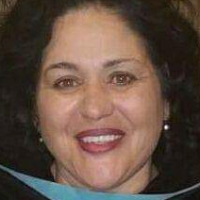
North Carolina · 20 yrs exp
LPC, LCMHC - Stress and addiction support
Stress, Anxiety · Parenting · Self esteem · Depression · +15 more
Read profile
Michigan · 13 yrs exp
Licensed Professional Counselor in Michigan - stress and relationships
Stress, Anxiety · Relationship · Anger · Self esteem · +1 more
Read profile
Missouri · 23 yrs exp
LPC in Missouri focusing on mood and relationships
Stress, Anxiety · Relationship · Trauma and abuse · Depression · +9 more
Read profile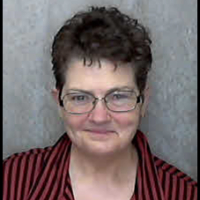
Texas · 35 yrs exp
LCSW-C and LCSW focusing on trauma and relationships
Stress, Anxiety · Relationship · Family · Trauma and abuse · +14 more
Read profile
Nevada · 25 yrs exp
LMFT for relationship and family concerns
Stress, Anxiety · Relationship · Family · Trauma and abuse · +1 more
Read profile
Illinois · 5 yrs exp
IL Psychologist focusing on stress and mood
Stress, Anxiety · Relationship · Trauma and abuse · Depression · +12 more
Read profile
Illinois · 30 yrs exp
LCPC in Illinois focused on family and trauma
Family · Trauma and abuse · Grief · Depression · +7 more
Read profile
Indiana · 25 yrs exp
LCSW focused on stress and relationships
Stress, Anxiety · Relationship · Grief · Self esteem · +12 more
Read profile
Illinois · 34 yrs exp
LCPC focusing on mood and relationship concerns
Stress, Anxiety · Relationship · Grief · Self esteem · +11 more
Read profile
North Dakota · 10 yrs exp
Licensed Clinical Social Worker - stress and trauma
Stress, Anxiety · Relationship · Family · Trauma and abuse · +10 more
Read profile
Georgia · 29 yrs exp
LCSW in Florida and Georgia - stress and addiction care
Stress, Anxiety · Addictions · Relationship · Trauma and abuse · +1 more
Read profile
North Carolina · 20 yrs exp
Licensed counselor for mood and addiction concerns
Stress, Anxiety · Addictions · Anger · Depression · +7 more
Read profile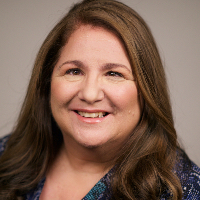
Florida · 24 yrs exp
LMHC in Florida - CBT and coaching
Stress, Anxiety · Career · Depression · Coping with life changes · +12 more
Read profile
Florida · 35 yrs exp
LMHC in Florida focusing on mood and life challenges
Stress, Anxiety · Family · Grief · Eating · +16 more
Read profile
Delaware · 24 yrs exp
LMFT focused on relationships and family issues
Relationship · Family · Trauma and abuse · Parenting · +14 more
Read profileStress and anxiety are closely related experiences that can affect how you think, feel, and behave. Stress is often a response to an external pressure or demand - a deadline, a conflict, a major life change - and it can be short-lived or ongoing. Anxiety tends to involve a heightened state of worry or apprehension that may feel out of proportion to the situation. For many people these states overlap: persistent stress can feed anxiety, and anxiety can make everyday stressors feel overwhelming.
You might notice stress and anxiety in your body as tension, headaches, or trouble sleeping. Mentally, you may experience racing thoughts, difficulty concentrating, or a sense that things are unpredictable. Behaviorally, people often withdraw from activities they used to enjoy, rely more on avoidance strategies, or find themselves snapping at others. Because symptoms can vary widely, two people with similar circumstances may respond very differently. Recognizing how stress and anxiety show up for you is a first step toward choosing a form of support that fits your needs.
You might consider seeking therapy when stress or anxiety interferes with daily functioning or reduces your quality of life. If worry keeps you from sleeping, makes it hard to concentrate at work, or affects relationships with family and friends, therapy can offer ways to manage those patterns. When avoidance behaviors limit your activities, or if physical symptoms persist without an obvious medical cause, a therapeutic approach can help you explore underlying triggers and practical tools to cope.
Therapy may also be helpful if you notice cyclical patterns - for example, repeated episodes of panic, chronic rumination, or escalating stress during specific seasons or life changes. People often seek help not because they want to eliminate all stress, which is not realistic, but because they want to change how they respond to stress so it no longer controls daily life. If you find that your emotional responses feel unpredictable or more intense than you expect, a therapist can partner with you to better understand those responses and develop strategies to reduce their impact.
When you begin therapy for stress and anxiety, the initial sessions typically focus on building rapport and gathering a clear picture of your current concerns and history. You and your therapist talk about the patterns you want to change, what has helped in the past, and any physical or medical factors that may be relevant. This assessment phase helps shape a plan tailored to your priorities and daily life.
As sessions continue, you can expect a mix of exploration and practical skill-building. Many therapists combine discussion of underlying thoughts and emotions with exercises you can practice between sessions, such as breathing techniques, grounding strategies, or behavioral experiments. Therapy is not only about insight - it is also about trying new responses in the real world and noticing the effects. Progress is often gradual, and you will likely revisit goals over time as circumstances and needs shift.
Therapists use a range of approaches to address stress and anxiety. Cognitive and behavior-focused methods help you identify worry patterns and test beliefs that maintain anxiety. These approaches often include behavioral experiments and exposure techniques to reduce avoidance and increase your sense of control. Other therapists emphasize emotion-focused work to help you process feelings that underlie chronic worry or stress reactions. This kind of work pays attention to how emotions arise in the body and how they connect to past experiences.
Some therapists describe a focus on mindfulness and acceptance-based strategies that help you relate differently to anxious thoughts rather than trying to eliminate them. Mindfulness practices aim to increase present-moment awareness and reduce habitually reactive patterns. You may also find therapists who list specific approaches such as interpersonal methods that consider how relationships shape stress, or those who note tools like relaxation training and problem-solving strategies. When you review therapist profiles, take note of the approaches they list, understanding that a therapist may draw from several methods in their work with you.
Online therapy offers a way to work with a therapist without traveling to an office. Sessions typically take place via video, phone, or messaging platforms. Video sessions replicate many aspects of in-person work, allowing you to see facial expressions and interact in real time. Phone sessions can be a good fit if you prefer not to use video, and messaging-based options provide an asynchronous way to check in between appointments. Each format has trade-offs in terms of immediacy and the kinds of exercises you can do together, so think about what feels most workable for your routine.
Online work makes it easier to access therapists who list stress and anxiety among their specialties even if they are located in a different region. Many people appreciate the continuity that online sessions allow when travel or life demands make in-person visits difficult. When you try online sessions, you may adapt certain skills to your environment - for example, practicing grounding exercises where you have a quiet chair or taking a short walk for an exposure task. Effective online therapy depends on a reliable internet connection and a setting where you can focus, but it can be a flexible and practical option for many people seeking help for stress and anxiety.
Choosing a therapist is a personal process that depends on what matters most to you. Start by noting the specific features you want - such as a therapist who lists particular approaches, one who works with your age group, or someone who shares your language. Look at professional credentials and areas of focus listed in profiles to find practitioners whose stated interests align with your goals. You may also value a therapist's experience working with particular life stages or cultural contexts.
When you narrow your options, consider practical fit factors that shape the working relationship. Think about session format preferences, whether you want an approach that emphasizes skills practice or one that focuses on emotional processing, and whether you want a therapist who notes experience with related concerns such as sleep disruption or workplace stress. Many people find it helpful to read a few profiles and note questions they want to ask at an initial conversation. That conversation can help you assess whether the therapist's style and described approach feel like a comfortable match for your needs.
Therapy for stress and anxiety often combines practical tools with an exploration of underlying patterns. With a clearer understanding of your reactions and consistent practice of new skills, you can change how stress affects your daily life. Use the listings below to explore therapists who list stress and anxiety among their specialties and to compare the approaches, credentials, and languages they offer. Taking the first step toward support can mean choosing a path that helps you manage stress more effectively and regain a greater sense of balance in everyday life.
Alabama
31 therapists
Alaska
3 therapists
Arizona
34 therapists
Arkansas
20 therapists
California
266 therapists
Colorado
72 therapists
Connecticut
26 therapists
Delaware
3 therapists
District of Columbia
7 therapists
Florida
252 therapists
Georgia
85 therapists
Hawaii
8 therapists
Idaho
15 therapists
Illinois
102 therapists
Indiana
41 therapists
Iowa
7 therapists
Kansas
20 therapists
Kentucky
30 therapists
Louisiana
42 therapists
Maine
12 therapists
Maryland
68 therapists
Massachusetts
49 therapists
Michigan
79 therapists
Minnesota
40 therapists
Mississippi
17 therapists
Missouri
68 therapists
Montana
13 therapists
Nebraska
18 therapists
Nevada
12 therapists
New Hampshire
7 therapists
New Jersey
57 therapists
New Mexico
14 therapists
New York
173 therapists
North Carolina
118 therapists
North Dakota
5 therapists
Ohio
79 therapists
Oklahoma
30 therapists
Oregon
26 therapists
Pennsylvania
85 therapists
Rhode Island
2 therapists
South Carolina
52 therapists
South Dakota
4 therapists
Tennessee
33 therapists
Texas
263 therapists
Utah
26 therapists
Vermont
4 therapists
Virginia
77 therapists
Washington
52 therapists
West Virginia
7 therapists
Wisconsin
40 therapists
Wyoming
3 therapists