
Velma Jones
LCSWNew York · 29 yrs exp
LCSW - adult mood and relationship concerns
Stress, Anxiety · Relationship · Trauma and abuse · Depression · +10 more
Read profileTherapist listings are provided by BetterHelp. We will earn a commission at no additional cost to you if you use our links to purchase.
This page lists therapists who identify trauma and abuse as a focus area and provides resources to help you understand therapy options. Browse profiles to compare approaches, credentials, languages and focus areas. Use the listings below to begin exploring therapists who may meet your needs.
New York · 29 yrs exp
LCSW - adult mood and relationship concerns
Stress, Anxiety · Relationship · Trauma and abuse · Depression · +10 more
Read profile
Ohio · 25 yrs exp
LPCC in Ohio - stress, relationships, trauma
Stress, Anxiety · LGBT · Relationship · Self esteem · +16 more
Read profile
Colorado · 19 yrs exp
LCSW focusing on mood and relationship concerns
Stress, Anxiety · Relationship · Trauma and abuse · Grief · +12 more
Read profile
South Carolina · 16 yrs exp
LMFT - Stress, Relationships, Trauma
Stress, Anxiety · Relationship · Family · Parenting · +14 more
Read profile
Florida · 20 yrs exp
Dr. Daniella Jackson, LMHC - addiction and mood concerns
Stress, Anxiety · Addictions · Relationship · Self esteem · +16 more
Read profile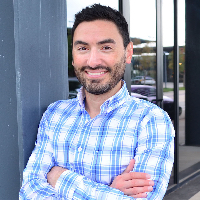
Kansas · 15 yrs exp
LCPC, LPC - Stress anxiety relationship support
Stress, Anxiety · Relationship · Family · Trauma and abuse · +14 more
Read profile
Florida · 39 yrs exp
LMHC - Relationship and stress counseling
Stress, Anxiety · Relationship · Family · Parenting · +14 more
Read profile
North Carolina · 51 yrs exp
LCMHC focusing on relationship and mood concerns
Relationship · Intimacy-related issues · Parenting · Self esteem · +12 more
Read profile
Ohio · 3 yrs exp
LPCC in Ohio - addictions and mood concerns
Addictions · Family · Anger · Depression · +6 more
Read profile
Maryland · 6 yrs exp
LCPC in Maryland - stress and trauma work
Stress, Anxiety · Trauma and abuse · Self esteem · Coping with life changes · +10 more
Read profile
New York · 5 yrs exp
LMHC in New York - mood and relationship work
Stress, Anxiety · LGBT · Trauma and abuse · Bipolar · +12 more
Read profile
Michigan · 5 yrs exp
Licensed Professional Counselor - stress and life transitions
Stress, Anxiety · Relationship · Family · Self esteem · +12 more
Read profile
Missouri · 16 yrs exp
LCSW focused on stress, trauma, and mood disorders
Stress, Anxiety · Trauma and abuse · Self esteem · Bipolar · +12 more
Read profile
North Carolina · 10 yrs exp
LCSW, LISW-CP - Stress and relationship work
Stress, Anxiety · Relationship · Family · Bipolar · +16 more
Read profile
Oregon · 14 yrs exp
LPC in Oregon - mood and life transitions
Grief · Self esteem · Career · Depression · +8 more
Read profile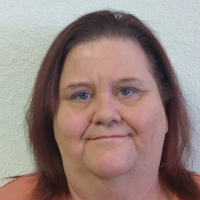
Texas · 9 yrs exp
Licensed Professional Counselor - stress and relationship issues
Stress, Anxiety · Trauma and abuse · Grief · Depression · +12 more
Read profile
Texas · 10 yrs exp
LPC in Texas focusing on anxiety and relationships
Stress, Anxiety · Relationship · Family · Depression · +14 more
Read profile
Michigan · 45 yrs exp
LPC in Michigan focusing on addiction and trauma
Stress, Anxiety · Addictions · Trauma and abuse · Grief · +10 more
Read profile
Ohio · 33 yrs exp
LPCC helping with stress, trauma, mood and relationships
Stress, Anxiety · Family · Trauma and abuse · Self esteem · +12 more
Read profile
Arizona · 20 yrs exp
AZ Psychologist - stress, mood, relationships
Stress, Anxiety · Addictions · Grief · Self esteem · +14 more
Read profile
Georgia · 18 yrs exp
Licensed Professional Counselor - relationship and trauma focus
Stress, Anxiety · Relationship · Family · Trauma and abuse · +10 more
Read profile
Louisiana · 22 yrs exp
LMFT LPC - Anxiety, Mood, Trauma
Stress, Anxiety · Relationship · Family · Grief · +11 more
Read profile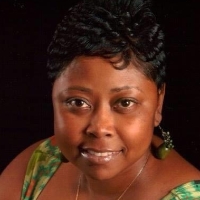
Alabama · 8 yrs exp
LPC in Alabama focusing on stress and trauma
Stress, Anxiety · Trauma and abuse · Anger · Self esteem · +5 more
Read profile
Florida · 30 yrs exp
FL Psychologist focused on practical solutions
Stress, Anxiety · Grief · Anger · Depression · +15 more
Read profile
Texas · 6 yrs exp
LCSW focused on relationships and family concerns
Relationship · Family · Parenting · Self esteem · +7 more
Read profile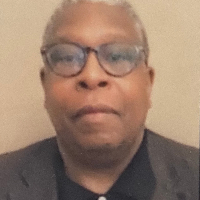
Nevada · 20 yrs exp
LCPC, LMHC working with stress and relationships
Stress, Anxiety · Addictions · Relationship · Family · +15 more
Read profile
Florida · 20 yrs exp
LMHC LPCC focused on stress and addiction
Stress, Anxiety · Addictions · Relationship · Trauma and abuse · +15 more
Read profile
Texas · 20 yrs exp
LICSW, LCSW in Texas - Stress and relationship issues
Stress, Anxiety · Addictions · Family · Grief · +15 more
Read profile
Florida · 20 yrs exp
LMHC in Florida specializing in mood and relationship concerns
Stress, Anxiety · Grief · Self esteem · Depression · +9 more
Read profile
Ohio · 20 yrs exp
LISW in Ohio - stress, trauma, mood concerns
Stress, Anxiety · LGBT · Family · Grief · +16 more
Read profile
Arkansas · 23 yrs exp
LPC in Arkansas focusing on mood and relationship concerns
Stress, Anxiety · Trauma and abuse · Anger · Self esteem · +11 more
Read profile
Florida · 10 yrs exp
LCSW focused on anxiety and trauma
Stress, Anxiety · Trauma and abuse · Grief · Depression · +12 more
Read profile
Louisiana · 25 yrs exp
LPC - Addictions, trauma, relationships
Addictions · Relationship · Family · Trauma and abuse · +11 more
Read profile
Michigan · 10 yrs exp
LPC in Michigan focusing on relationships and life transitions
Relationship · Family · Self esteem · Career · +5 more
Read profile
Michigan · 10 yrs exp
LPC in Michigan focusing on mood and relationship issues
Stress, Anxiety · Family · Trauma and abuse · Grief · +12 more
Read profile
Oregon · 17 yrs exp
LMFT working with stress, trauma, grief, depression
Stress, Anxiety · Trauma and abuse · Grief · Intimacy-related issues · +1 more
Read profile
New York · 14 yrs exp
LCSW - Stress, anxiety, relationships
Stress, Anxiety · Relationship · Trauma and abuse · Self esteem · +5 more
Read profile
California · 5 yrs exp
LMFT focused on relationships and life changes
Relationship · Grief · Parenting · Self esteem · +11 more
Read profile
North Carolina · 20 yrs exp
LCSW focusing on mood and addiction concerns
Stress, Anxiety · Addictions · Family · Career · +16 more
Read profile
Colorado · 13 yrs exp
Licensed Marriage and Family Therapist - adult concerns
Stress, Anxiety · LGBT · Relationship · Trauma and abuse · +10 more
Read profile
North Carolina · 20 yrs exp
LPC, LCMHC - Stress and addiction support
Stress, Anxiety · Parenting · Self esteem · Depression · +15 more
Read profile
Missouri · 23 yrs exp
LPC in Missouri focusing on mood and relationships
Stress, Anxiety · Relationship · Trauma and abuse · Depression · +9 more
Read profile
Texas · 35 yrs exp
LCSW-C and LCSW focusing on trauma and relationships
Stress, Anxiety · Relationship · Family · Trauma and abuse · +14 more
Read profile
Nevada · 25 yrs exp
LMFT for relationship and family concerns
Stress, Anxiety · Relationship · Family · Trauma and abuse · +1 more
Read profile
Illinois · 5 yrs exp
IL Psychologist focusing on stress and mood
Stress, Anxiety · Relationship · Trauma and abuse · Depression · +12 more
Read profile
Illinois · 30 yrs exp
LCPC in Illinois focused on family and trauma
Family · Trauma and abuse · Grief · Depression · +7 more
Read profile
Indiana · 25 yrs exp
LCSW focused on stress and relationships
Stress, Anxiety · Relationship · Grief · Self esteem · +12 more
Read profile
Illinois · 34 yrs exp
LCPC focusing on mood and relationship concerns
Stress, Anxiety · Relationship · Grief · Self esteem · +11 more
Read profile
North Dakota · 10 yrs exp
Licensed Clinical Social Worker - stress and trauma
Stress, Anxiety · Relationship · Family · Trauma and abuse · +10 more
Read profile
Georgia · 29 yrs exp
LCSW in Florida and Georgia - stress and addiction care
Stress, Anxiety · Addictions · Relationship · Trauma and abuse · +1 more
Read profile
North Carolina · 20 yrs exp
Licensed counselor for mood and addiction concerns
Stress, Anxiety · Addictions · Anger · Depression · +7 more
Read profile
Florida · 35 yrs exp
LMHC in Florida focusing on mood and life challenges
Stress, Anxiety · Family · Grief · Eating · +16 more
Read profile
Delaware · 24 yrs exp
LMFT focused on relationships and family issues
Relationship · Family · Trauma and abuse · Parenting · +14 more
Read profile
Idaho · 18 yrs exp
LCSW focused on mood and life changes
Stress, Anxiety · Trauma and abuse · Grief · Self esteem · +10 more
Read profile
Texas · 12 yrs exp
LPC focusing on trauma and mood concerns
Stress, Anxiety · Trauma and abuse · Eating · Depression · +13 more
Read profile
New Jersey · 25 yrs exp
LPC in New Jersey focusing on stress and relationships
Stress, Anxiety · Family · Trauma and abuse · Grief · +9 more
Read profile
Massachusetts · 30 yrs exp
MA LMFT, MA LMHC working with addiction and family concerns
Addictions · Family · Trauma and abuse · Grief · +16 more
Read profile
Arizona · 25 yrs exp
Licensed Professional Counselor in Arizona
Stress, Anxiety · Addictions · Relationship · Trauma and abuse · +11 more
Read profile
New York · 25 yrs exp
LCSW in New York focusing on mood and trauma
Stress, Anxiety · Trauma and abuse · Self esteem · Depression · +11 more
Read profile
Texas · 15 yrs exp
LPC helping with addictions and trauma
Addictions · Trauma and abuse · Grief · Anger · +10 more
Read profileTrauma and abuse describe experiences that overwhelm your usual ability to cope. Trauma can come from a single event such as an assault, an accident, a sudden loss or a disaster, or from ongoing harm such as emotional, physical or sexual abuse, neglect or coercive control. People react differently to similar events, so what feels traumatic to one person may be processed differently by another. How you experienced the event, your relationships, the age at which it occurred and any previous stressors all shape the way trauma shows up in your life.
The effects of trauma and abuse often extend beyond the immediate aftermath. You may notice changes in your mood, sleep, concentration and relationships. Some people have intrusive memories, flashbacks or nightmares; others feel emotionally numb or disconnected. You may also notice physical symptoms such as headaches, tension, gastrointestinal upset or a heightened startle response. These reactions are attempts by your mind and body to manage an overwhelming experience, but over time they can make it harder to function at work, in relationships and in daily routines.
If you find that past events still shape how you feel, think and relate to others, therapy can help you unpack those patterns. Signs that trauma is affecting you include persistent anxiety or panic, avoidance of places or people that remind you of the event, sudden anger or irritability, and difficulty trusting others. You might find yourself replaying what happened and ruminating on what you could have done differently. You may also notice changes in your sense of safety or self-worth, including feelings of shame or guilt that do not resolve over time.
Other indicators that you could benefit from trauma-focused therapy include difficulties with intimacy, repeated cycles of unhealthy relationships, or relying on substances or risky behaviors to numb distress. If symptoms interfere with your ability to work, care for yourself or engage in activities you once enjoyed, seeking professional support can be a practical step. Therapy is not only for crises - it can also help you build skills for regulation, improve relationships and reclaim a sense of agency after trauma.
When you begin therapy for trauma and abuse, the first sessions typically focus on building rapport and establishing a sense of safety in the therapeutic relationship. Your therapist will ask about your history and about the ways trauma affects you now, paying attention to your goals and priorities. You and your therapist will collaborate on a plan that respects your pace and tolerance for discussing difficult material. Early work often emphasizes stabilization - learning tools to manage stress, grounding techniques to help with flashbacks and strategies for coping with overwhelming emotions.
As therapy progresses, you may begin processing memories or patterns related to the trauma. Processing can involve talking through events, exploring meanings and beliefs that arose from the experience, and practicing new ways of relating to yourself and others. Some approaches involve memory-based techniques, while others emphasize present-moment skills and body-based regulation. Regardless of method, a common aim is to reduce the intensity of traumatic memories, shift unhelpful beliefs, and increase your ability to live a meaningful life. Expect therapy to be adaptive - your therapist should check in about pacing and adjust interventions according to how you respond.
Therapists use a range of approaches to address trauma and abuse, and many combine techniques to meet your individual needs. You will find therapists who list cognitive behavioral therapy or cognitive processing approaches among their methods; these focus on identifying and changing patterns of thinking that maintain distress. There are therapists who list approaches that work with memory and eye movements such as EMDR among their approaches; these methods aim to reduce the intensity of traumatic memories through structured processing. Somatic therapies emphasize the role of the body in trauma and use movement, breathing and awareness to help regulate physiological responses.
Narrative and meaning-focused therapies help you reframe the story you tell about yourself and your life, shifting away from shame and blame toward resilience and agency. Attachment-informed or relational approaches explore how early and later relationships shaped your expectations and coping strategies, and they focus on building healthier connection patterns. Some people find group-based formats helpful because they offer peer support and the chance to practice interpersonal skills in a contained setting. It is common to work with a trauma-informed lens that prioritizes safety, choice and collaboration regardless of the specific modality used.
Online therapy can make it easier to connect with therapists who list trauma and abuse among their focus areas, especially if you are looking for a clinician who shares your language, cultural background or therapeutic approach. Sessions typically occur over video, phone or messaging platforms, and many therapists use the same frameworks online as they do in person. You can prepare for online sessions by choosing a comfortable, quiet place where you can speak without interruption and by ensuring you have a stable internet connection. If discussing intense material, plan for a way to ground yourself after a session and let your therapist know what supports you have locally.
Online work also has practical considerations. Licensing and regulations vary by location, so therapists may indicate the states or regions in which they can work with clients. Some people appreciate the accessibility of teletherapy because it reduces travel time and offers more scheduling flexibility. Others prefer in-person work for somatic or body-focused therapies. You can weigh these factors as you explore listings and read therapist profiles to learn about the settings and technologies they use.
Choosing a therapist is a personal decision and it helps to be clear about what you want from therapy. Start by identifying your priorities - whether that is working on intrusive thoughts, rebuilding relationships, managing symptoms or exploring how past abuse affects your identity. Look for therapists who list trauma and abuse among their focus areas and who mention approaches that resonate with you. Pay attention to descriptions of age groups, cultural competence and languages spoken to find someone whose background aligns with your needs.
When reviewing profiles, notice how therapists describe their work and whether they emphasize collaboration, pacing and coping skills. It is reasonable to ask about their experience with trauma-related issues and how they structure treatment, keeping in mind that listing an approach does not guarantee a specific credential. Consider practical matters such as session format - video, phone or in-person - and whether the therapist notes the geographic areas they serve. Trust your instincts about the therapeutic connection; a therapist who communicates clearly and respectfully about your concerns is more likely to support steady progress. If a first interaction does not feel like the right fit, you can continue exploring other profiles until you find a clinician whose approach and style match what you need.
Recovering from trauma and abuse is often a gradual process that involves learning tools for regulation, processing painful memories and rebuilding trust with yourself and others. Therapy offers a structured environment to work through these challenges with professional support. Use the listings on this page to compare approaches, read therapist descriptions and consider practical factors like languages and session formats. Taking the step to explore therapy is an important move toward feeling more able to manage symptoms and to live in ways that reflect your values and goals.
Alabama
31 therapists
Alaska
3 therapists
Arizona
34 therapists
Arkansas
20 therapists
California
266 therapists
Colorado
72 therapists
Connecticut
26 therapists
Delaware
3 therapists
District of Columbia
7 therapists
Florida
252 therapists
Georgia
85 therapists
Hawaii
8 therapists
Idaho
15 therapists
Illinois
102 therapists
Indiana
41 therapists
Iowa
7 therapists
Kansas
20 therapists
Kentucky
30 therapists
Louisiana
42 therapists
Maine
12 therapists
Maryland
68 therapists
Massachusetts
49 therapists
Michigan
79 therapists
Minnesota
40 therapists
Mississippi
17 therapists
Missouri
68 therapists
Montana
13 therapists
Nebraska
18 therapists
Nevada
12 therapists
New Hampshire
7 therapists
New Jersey
57 therapists
New Mexico
14 therapists
New York
173 therapists
North Carolina
118 therapists
North Dakota
5 therapists
Ohio
79 therapists
Oklahoma
30 therapists
Oregon
26 therapists
Pennsylvania
85 therapists
Rhode Island
2 therapists
South Carolina
52 therapists
South Dakota
4 therapists
Tennessee
33 therapists
Texas
263 therapists
Utah
26 therapists
Vermont
4 therapists
Virginia
77 therapists
Washington
52 therapists
West Virginia
7 therapists
Wisconsin
40 therapists
Wyoming
3 therapists