
Velma Jones
LCSWNew York · 29 yrs exp
LCSW - adult mood and relationship concerns
Stress, Anxiety · Relationship · Trauma and abuse · Depression · +10 more
Read profileTherapist listings are provided by BetterHelp. We will earn a commission at no additional cost to you if you use our links to purchase.
This page lists therapists who include veterans among their specialties and who note experience with military-related concerns. Browse the listings below to compare approaches, credentials, languages, and experience related to veterans care.
New York · 29 yrs exp
LCSW - adult mood and relationship concerns
Stress, Anxiety · Relationship · Trauma and abuse · Depression · +10 more
Read profile
Colorado · 19 yrs exp
LCSW focusing on mood and relationship concerns
Stress, Anxiety · Relationship · Trauma and abuse · Grief · +12 more
Read profile
Pennsylvania · 12 yrs exp
LPCC LMHC - Stress, anxiety, relationships
Stress, Anxiety · Relationship · Self esteem · Depression · +11 more
Read profile
Missouri · 16 yrs exp
LCSW focused on stress, trauma, and mood disorders
Stress, Anxiety · Trauma and abuse · Self esteem · Bipolar · +12 more
Read profile
North Carolina · 10 yrs exp
LCSW, LISW-CP - Stress and relationship work
Stress, Anxiety · Relationship · Family · Bipolar · +16 more
Read profile
Texas · 9 yrs exp
Licensed Professional Counselor - stress and relationship issues
Stress, Anxiety · Trauma and abuse · Grief · Depression · +12 more
Read profile
Texas · 10 yrs exp
LPC in Texas focusing on anxiety and relationships
Stress, Anxiety · Relationship · Family · Depression · +14 more
Read profile
Georgia · 18 yrs exp
Licensed Professional Counselor - relationship and trauma focus
Stress, Anxiety · Relationship · Family · Trauma and abuse · +10 more
Read profile
Nevada · 20 yrs exp
LCPC, LMHC working with stress and relationships
Stress, Anxiety · Addictions · Relationship · Family · +15 more
Read profile
Florida · 20 yrs exp
LMHC in Florida specializing in mood and relationship concerns
Stress, Anxiety · Grief · Self esteem · Depression · +9 more
Read profile
Ohio · 20 yrs exp
LISW in Ohio - stress, trauma, mood concerns
Stress, Anxiety · LGBT · Family · Grief · +16 more
Read profile
Florida · 10 yrs exp
LCSW focused on anxiety and trauma
Stress, Anxiety · Trauma and abuse · Grief · Depression · +12 more
Read profile
Louisiana · 25 yrs exp
LPC - Addictions, trauma, relationships
Addictions · Relationship · Family · Trauma and abuse · +11 more
Read profile
North Carolina · 20 yrs exp
LCSW focusing on mood and addiction concerns
Stress, Anxiety · Addictions · Family · Career · +16 more
Read profile
North Carolina · 20 yrs exp
LPC, LCMHC - Stress and addiction support
Stress, Anxiety · Parenting · Self esteem · Depression · +15 more
Read profile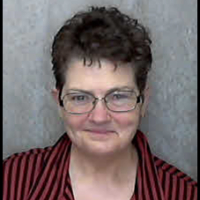
Texas · 35 yrs exp
LCSW-C and LCSW focusing on trauma and relationships
Stress, Anxiety · Relationship · Family · Trauma and abuse · +14 more
Read profile
Indiana · 25 yrs exp
LCSW focused on stress and relationships
Stress, Anxiety · Relationship · Grief · Self esteem · +12 more
Read profile
North Dakota · 10 yrs exp
Licensed Clinical Social Worker - stress and trauma
Stress, Anxiety · Relationship · Family · Trauma and abuse · +10 more
Read profile
Georgia · 29 yrs exp
LCSW in Florida and Georgia - stress and addiction care
Stress, Anxiety · Addictions · Relationship · Trauma and abuse · +1 more
Read profile
North Carolina · 20 yrs exp
Licensed counselor for mood and addiction concerns
Stress, Anxiety · Addictions · Anger · Depression · +7 more
Read profile
Delaware · 24 yrs exp
LMFT focused on relationships and family issues
Relationship · Family · Trauma and abuse · Parenting · +14 more
Read profile
Texas · 12 yrs exp
LPC focusing on trauma and mood concerns
Stress, Anxiety · Trauma and abuse · Eating · Depression · +13 more
Read profile
Massachusetts · 30 yrs exp
MA LMFT, MA LMHC working with addiction and family concerns
Addictions · Family · Trauma and abuse · Grief · +16 more
Read profile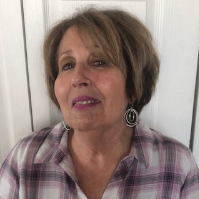
Arizona · 25 yrs exp
Licensed Professional Counselor in Arizona
Stress, Anxiety · Addictions · Relationship · Trauma and abuse · +11 more
Read profile
Texas · 15 yrs exp
LPC helping with addictions and trauma
Addictions · Trauma and abuse · Grief · Anger · +10 more
Read profile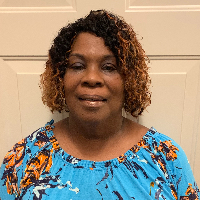
Virginia · 27 yrs exp
LPC in Virginia focusing on stress and trauma
Stress, Anxiety · Addictions · Anger · Self esteem · +9 more
Read profile
Washington · 50 yrs exp
LMHC in Washington - trauma, mood, relationship work
Stress, Anxiety · Trauma and abuse · Intimacy-related issues · Self esteem · +15 more
Read profile
Minnesota · 3 yrs exp
LICSW LCSW - Stress, Anxiety, Addictions
Stress, Anxiety · Addictions · Trauma and abuse · Bipolar · +5 more
Read profile
Florida · 30 yrs exp
LCSW supporting stress, mood, and relationship concerns
Stress, Anxiety · Trauma and abuse · Self esteem · Depression · +11 more
Read profile
Florida · 21 yrs exp
LCSW focused on relationships and life changes
Stress, Anxiety · Relationship · Family · Eating · +16 more
Read profile
Pennsylvania · 28 yrs exp
Licensed Professional Counselor - addictions and relationship work
Addictions · Relationship · Family · Trauma and abuse · +3 more
Read profile
Texas · 17 yrs exp
LPC, LMFT in Texas focused on mood and relationships
Stress, Anxiety · Relationship · Family · Trauma and abuse · +11 more
Read profile
Florida · 12 yrs exp
LMHC LPC - relationship and mood concerns
Relationship · Self esteem · Depression · Coping with life changes · +9 more
Read profile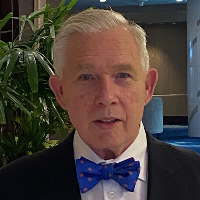
Florida · 40 yrs exp
LCSW focusing on stress and trauma
Stress, Anxiety · Addictions · LGBT · Relationship · +3 more
Read profile
Louisiana · 30 yrs exp
LPC working with relationship and life changes
Stress, Anxiety · Relationship · Grief · Eating · +9 more
Read profile
South Carolina · 21 yrs exp
LPC, LCMHC - relationship and emotional concerns
Relationship · Grief · Parenting · Depression · +14 more
Read profile
Texas · 30 yrs exp
LPC in Texas - addictions and mood concerns
Stress, Anxiety · Addictions · Relationship · Family · +13 more
Read profile
Virginia · 10 yrs exp
LICSW LCSW - Stress, Anxiety, Relationships
Stress, Anxiety · Relationship · Family · Self esteem · +7 more
Read profile
Florida · 30 yrs exp
Dr. Oren Hernández LMHC LMFT - stress and mood concerns
Stress, Anxiety · Addictions · Trauma and abuse · Grief · +14 more
Read profile
Florida · 11 yrs exp
LMHC in Florida - Stress and Addiction focus
Stress, Anxiety · Addictions · Depression · LGBT · +11 more
Read profile
South Carolina · 20 yrs exp
LCSW LISW focusing on stress and relationships
Stress, Anxiety · LGBT · Relationship · Family · +6 more
Read profile
Michigan · 8 yrs exp
Licensed LMSW - stress, trauma, transitions
Stress, Anxiety · Self esteem · Depression · Coping with life changes · +9 more
Read profile
California · 20 yrs exp
LMFT focusing on trauma and mood concerns
Stress, Anxiety · Trauma and abuse · Parenting · Anger · +13 more
Read profile
Virginia · 9 yrs exp
LMHC, LPC - Anxiety, Addiction, Mood Concerns
Stress, Anxiety · Addictions · LGBT · Self esteem · +14 more
Read profile
Tennessee · 30 yrs exp
LCSW focusing on sex-related concerns for men
Stress, Anxiety · Addictions · LGBT · Relationship · +14 more
Read profile
New York · 11 yrs exp
LMHC focused on mood and relationship concerns
Stress, Anxiety · Relationship · Family · Eating · +11 more
Read profile
Colorado · 8 yrs exp
LCSW focused on mood and relationships
Stress, Anxiety · Relationship · Trauma and abuse · Grief · +16 more
Read profile
Arizona · 20 yrs exp
LPC - Stress, trauma, mood concerns
Stress, Anxiety · Trauma and abuse · Grief · Depression · +9 more
Read profile
Florida · 12 yrs exp
LMHC in Florida - Anxiety and Life Changes
Stress, Anxiety · Addictions · Family · Self esteem · +15 more
Read profile
Florida · 32 yrs exp
Licensed Mental Health Counselor in Florida - stress and trauma
Stress, Anxiety · Trauma and abuse · Parenting · Depression · +16 more
Read profile
Texas · 5 yrs exp
LPC in Texas focused on relationships and trauma
Relationship · Family · Trauma and abuse · Grief · +10 more
Read profile
Minnesota · 37 yrs exp
LICSW - Stress, Trauma, Relationship Concerns
Stress, Anxiety · LGBT · Trauma and abuse · Depression · +14 more
Read profile
Pennsylvania · 20 yrs exp
LPC in Pennsylvania focusing on trauma and life changes
Trauma and abuse · Parenting · Career · Coping with life changes · +14 more
Read profile
Illinois · 10 yrs exp
Rev. Sergio Ayala LCPC LMHC - Stress and relationship issues
Stress, Anxiety · Addictions · Trauma and abuse · Grief · +8 more
Read profile
Alabama · 16 yrs exp
Licensed Professional Counselor - stress and anxiety
Stress, Anxiety · LGBT · Anger · Self esteem · +14 more
Read profile
Colorado · 12 yrs exp
LCSW helping with stress, trauma, and depression
Stress, Anxiety · Trauma and abuse · Self esteem · Depression · +1 more
Read profile
Ohio · 27 yrs exp
LCSW focusing on addictions and trauma
Addictions · Relationship · Trauma and abuse · Anger · +2 more
Read profile
Tennessee · 25 yrs exp
Licensed Professional Counselor in Tennessee - stress and relationships
Stress, Anxiety · Addictions · Relationship · Self esteem · +13 more
Read profile
Kansas · 12 yrs exp
LMFT in Missouri and Kansas focusing on common concerns
Stress, Anxiety · Family · Trauma and abuse · Depression · +1 more
Read profile
Michigan · 9 yrs exp
LMSW - Anxiety, grief, relationships
Stress, Anxiety · Grief · Self esteem · Depression · +12 more
Read profileYour time in the military and the transition to civilian life can shape how you see yourself, your relationships, and your daily routines. For many veterans, the challenges that follow service include persistent stress, changes in identity, difficulty with sleep or concentration, relationship strain, and lingering reactions to traumatic events. These experiences do not all look the same - some people notice gradual changes over months or years, while others encounter sudden disruptions after a specific event or life change.
Military culture, deployment cycles, and the demands of combat or operational stress can influence how you process emotions and seek help. Some veterans describe feeling misunderstood by civilian peers or family members, or finding it hard to explain what they went through. Others struggle with the practical aspects of reintegration - career shifts, adapting to different leadership structures, or managing health concerns that intersect with mental and emotional wellbeing. Recognizing that these are common responses can be a first step toward finding supports that feel relevant and respectful of your experience.
It can be difficult to decide when to reach out for professional help. You might consider therapy if you notice persistent changes in mood, recurring distressing memories, ongoing sleep disruption, or a pattern of avoidance that interferes with daily life. Problems managing anger, increased alcohol or substance use, withdrawal from family and social activities, or trouble concentrating at work are also signals that additional support could help. Family members and partners sometimes identify changes in communication, intimacy, or household functioning before the person experiencing distress does, and their observations can be an important prompt for seeking care.
Seeking therapy does not mean you have failed or that your response is unusual. Many people pursue therapy to build coping skills, process difficult experiences, address grief and loss, or work through moral or ethical conflicts related to service. If you are thinking about therapy because symptoms are persistent, worsening, or affecting relationships and daily responsibilities, a therapist who lists veterans among their specialties can offer therapeutic strategies informed by familiarity with military life and transitions.
When you begin work with a therapist who focuses on veterans, the first sessions typically involve an assessment of your current concerns, history, and goals. You and the therapist may spend time discussing your service history and how it connects to present-day challenges, while also addressing immediate needs like sleep, safety, or practical stressors. Therapists often collaborate with you to set clear, attainable goals so you can track progress over time, and they may suggest strategies that fit your preferences and lifestyle.
Sessions can vary in tone and structure depending on your needs. Some sessions focus on skill-building for emotion regulation, communication, and problem-solving. Other sessions may involve exploring personal narratives and meaning, processing memories at a pace that feels manageable, or addressing relationship dynamics that changed after service. If trauma-related reactions are present, a therapist may prioritize stabilization and coping skills before engaging in deeper trauma work. You should expect a collaborative process in which your priorities and sense of safety guide the pace and focus of treatment.
Goal-setting is an important part of therapy for veterans. You may begin with short-term targets like improving sleep, reducing panic or anger episodes, or restoring daily routines. Over time these goals can expand to include work or education plans, reconnection with family, or engagement in meaningful activities. Tracking progress can be practical and measurable, and it helps you and the therapist evaluate whether the chosen approaches are meeting your needs.
Therapists who work with veterans often describe a mix of approaches tailored to the individual. You will find therapists who list cognitive behavioral therapy, acceptance-based strategies, trauma-focused interventions, and somatic or body-centered methods among their approaches. Narrative approaches and meaning-focused work are also common, helping you place service experiences into a broader life story and identify values that support recovery and growth. Family and couples therapy can be important when relationship patterns have been affected by service, and some therapists include skill-based work to address sleep, mood, and stress management.
When you review therapists, note that listing an approach does not mean a therapist has a specific credential in that method. A helpful way to think about approaches is as tools a therapist may draw on to suit your goals. If a particular modality sounds relevant to you, you can ask how a therapist typically uses that approach with veterans and what a typical session might look like. That conversation can clarify whether the style, pace, and focus align with what you are seeking.
Online therapy can expand options by making it easier to connect with therapists who understand military life even if they are not located nearby. Sessions commonly occur via video or phone, and some therapists offer messaging or brief check-ins between scheduled appointments. To make online work well, you will want a consistent device and an environment where you can speak openly without interruptions. Think about where you will join sessions so you feel at ease and able to focus.
There are practical aspects to weigh when choosing online care. Licensing rules affect where a therapist can legally provide care across state lines, so you may want to ask about licensure if you and the therapist are in different jurisdictions. Consider technology needs and whether you prefer video or phone sessions. Some people find video helpful for connection, while others prefer phone-based sessions for flexibility. Exploring a therapist's approach to telehealth, session length, and expectations for communication outside appointments can help you determine whether the arrangement fits your routine.
Finding the right match matters. Start by looking for therapists who explicitly list veterans among their specialties and whose descriptions emphasize military cultural awareness or experience with transitions to civilian life. Consider the approaches they list, their professional credentials, languages spoken, and whether they work with individuals, couples, or families. Think about logistical factors that matter to you - for example, session length and typical therapy frequency - and whether the therapist describes work with issues you want to address, such as trauma-related reactions, relationship changes, or reintegration stressors.
When you reach out to a therapist, a brief introductory conversation can help you assess rapport. You might ask how they typically work with veterans, what a typical session involves, and how they help clients set and revisit goals. You can also ask about practical concerns like fees, accepted insurance, and session format. Trust your sense of fit - therapeutic progress often depends on a collaborative relationship where you feel heard, respected, and aligned around goals. If one therapist's style does not feel right, it is reasonable to try another clinician until you find someone who matches your needs and approach to healing.
Choosing to pursue therapy is a personal step toward managing challenges related to service and transition. By focusing on cultural fit, approaches, professional background, and practical arrangements, you can identify therapists who list veterans care among their specialties and who are positioned to support the goals you set for yourself.
Alabama
31 therapists
Alaska
3 therapists
Arizona
34 therapists
Arkansas
20 therapists
California
266 therapists
Colorado
72 therapists
Connecticut
26 therapists
Delaware
3 therapists
District of Columbia
7 therapists
Florida
252 therapists
Georgia
85 therapists
Hawaii
8 therapists
Idaho
15 therapists
Illinois
102 therapists
Indiana
41 therapists
Iowa
7 therapists
Kansas
20 therapists
Kentucky
30 therapists
Louisiana
42 therapists
Maine
12 therapists
Maryland
68 therapists
Massachusetts
49 therapists
Michigan
79 therapists
Minnesota
40 therapists
Mississippi
17 therapists
Missouri
68 therapists
Montana
13 therapists
Nebraska
18 therapists
Nevada
12 therapists
New Hampshire
7 therapists
New Jersey
57 therapists
New Mexico
14 therapists
New York
173 therapists
North Carolina
118 therapists
North Dakota
5 therapists
Ohio
79 therapists
Oklahoma
30 therapists
Oregon
26 therapists
Pennsylvania
85 therapists
Rhode Island
2 therapists
South Carolina
52 therapists
South Dakota
4 therapists
Tennessee
33 therapists
Texas
263 therapists
Utah
26 therapists
Vermont
4 therapists
Virginia
77 therapists
Washington
52 therapists
West Virginia
7 therapists
Wisconsin
40 therapists
Wyoming
3 therapists