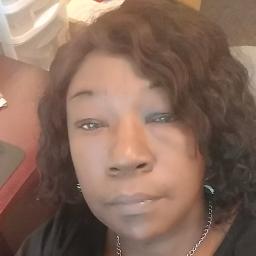
Therapist profile
Shirley Southard, LCMHC
Licensed counselor for mood and addiction concerns
- Credentials
- LCMHC
- Licensed in
- North Carolina
- License
- LCMHC 11871 (North Carolina)
- NPI
- 1083651376
- Experience
- 20 years
- Languages
- English
- CBT methods
- DBT skills
- Motivational interviewing
About Shirley
Shirley Southard, LCMHC, is a Licensed Clinical Mental Health Counselor in North Carolina with 20 years of experience. She works with stress, anxiety, addictions, anger, depression, ADHD, relationship and family concerns, trauma and abuse, grief, parenting, and coping with life changes. Her approach is client-centered and practical, using methods such as cognitive behavioral strategies, dialectical behavior techniques, mindfulness, and motivational interviewing to help people make changes they want.
She has worked across mental health, developmental disability, and substance abuse settings. Her background includes assisted medication management and work with active military members and their families. That experience informs how she supports people facing addiction, mood disorders, grief, and the strains of divorce or single parenting.
Sessions focus on listening first, then using straightforward tools and education. Cognitive behavioral methods can help identify unhelpful thought patterns and try new behaviors. Motivational interviewing supports readiness to change. Mindfulness and dialectical skills are used to manage strong emotions and reduce impulsivity.
She has also served older adults and addressed aging and geriatric concerns. Additional focus areas include communication problems, control issues, domestic violence, and veteran and armed forces issues. She works with suicidal ideation and self-harm concerns and with people coping with isolation and loneliness.
Shirley emphasizes practical steps clients can try between sessions. She invites people to bring current problems and everyday goals to the work. The aim is clearer coping strategies and gradual, observable changes over time.
How her approaches translate to online work
Client-Centered Therapy emphasizes listening and building a working relationship. The therapist focuses on each person's concerns and supports them in choosing goals and next steps. Cognitive Behavioral Therapy (CBT) is a skills-based method that looks at thoughts and behaviors. It helps people practice new responses to anxiety, depression, and impulsivity. Dialectical Behavior Therapy (DBT) offers tools for managing strong emotions and improving distress tolerance and communication.Deciding which approach to use is collaborative. The therapist will review symptoms, goals, and preferences and then suggest methods to try. That plan can change as progress is made or new issues appear. The process is meant to match methods to what the client wants to accomplish.
The biography does not list specific session formats, so confirm current options before booking. Online work can make it easier to fit sessions into a day, reduce travel time, and allow shorter check-ins when needed. Some therapeutic exercises and homework fit well into remote sessions, and skills such as mindfulness practice or behavioral experiments are straightforward to assign and review during virtual meetings. Licensed professionals can use these approaches to address stress, mood concerns, addiction-related goals, and coping with life changes in ways that aim to be practical and goal-focused.
Areas of expertise
Primary focus
Also works with
Additional focus areas
Therapeutic approaches
Experience
20+ years
Listed in
North Carolina
Languages
English
Frequently asked questions
What issues does she address?
She works with stress, anxiety, addictions, anger, depression, ADHD, relationship and family concerns, trauma and abuse, grief, parenting, and coping with life changes.
What is her therapeutic style?
She uses a client-centered approach and practical techniques such as cognitive behavioral strategies, dialectical behavior skills, mindfulness, and motivational interviewing.
How long has she been practicing?
She has approximately 20 years of experience working in human services and clinical settings.
What are her credentials and where is she licensed?
She holds the LCMHC credential and is licensed in North Carolina as an LCMHC.
Does she offer sessions in other languages or internationally?
Sessions are offered in English and she accepts international clients.
Which session formats are used for appointments?
Session formats are not specified in the biography; please confirm the current session options before booking.
How is cost handled for sessions?
Cost varies with location and sessions use a subscription that can be canceled at any time.
How do I begin working with her?
Use the See online therapy options button, complete a short matching questionnaire, and schedule a first session.
Is this the right person?
Several therapists can share a name. Compare what you know with the details above:
- State. Shirley is licensed in North Carolina.
- Credentials. LCMHC.
- License number. Check it with the licensing board in that state.
- NPI. 1083651376 on the national NPI registry.
Details come from information Shirley supplied to BetterHelp.
Online talk therapy is not emergency care. If you or someone else is in danger, use the crisis numbers.