
Velma Jones
LCSWNew York · 29 yrs exp
LCSW - adult mood and relationship concerns
Stress, Anxiety · Relationship · Trauma and abuse · Depression · +10 more
Read profileTherapist listings are provided by BetterHelp. We will earn a commission at no additional cost to you if you use our links to purchase.
Find therapists who work with people affected by domestic violence and intimate partner harm. Browse the profiles below to review therapists' approaches, languages, credentials, and areas of focus as you search for a good match.
New York · 29 yrs exp
LCSW - adult mood and relationship concerns
Stress, Anxiety · Relationship · Trauma and abuse · Depression · +10 more
Read profile
Ohio · 25 yrs exp
LPCC in Ohio - stress, relationships, trauma
Stress, Anxiety · LGBT · Relationship · Self esteem · +16 more
Read profile
Colorado · 19 yrs exp
LCSW focusing on mood and relationship concerns
Stress, Anxiety · Relationship · Trauma and abuse · Grief · +12 more
Read profile
Florida · 20 yrs exp
Dr. Daniella Jackson, LMHC - addiction and mood concerns
Stress, Anxiety · Addictions · Relationship · Self esteem · +16 more
Read profile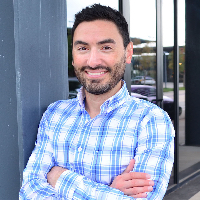
Kansas · 15 yrs exp
LCPC, LPC - Stress anxiety relationship support
Stress, Anxiety · Relationship · Family · Trauma and abuse · +14 more
Read profile
Maryland · 6 yrs exp
LCPC in Maryland - stress and trauma work
Stress, Anxiety · Trauma and abuse · Self esteem · Coping with life changes · +10 more
Read profile
Pennsylvania · 12 yrs exp
LPCC LMHC - Stress, anxiety, relationships
Stress, Anxiety · Relationship · Self esteem · Depression · +11 more
Read profile
North Carolina · 10 yrs exp
LCSW, LISW-CP - Stress and relationship work
Stress, Anxiety · Relationship · Family · Bipolar · +16 more
Read profile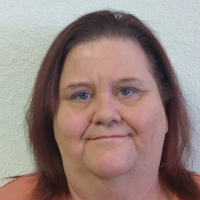
Texas · 9 yrs exp
Licensed Professional Counselor - stress and relationship issues
Stress, Anxiety · Trauma and abuse · Grief · Depression · +12 more
Read profile
Ohio · 33 yrs exp
LPCC helping with stress, trauma, mood and relationships
Stress, Anxiety · Family · Trauma and abuse · Self esteem · +12 more
Read profile
Arizona · 20 yrs exp
AZ Psychologist - stress, mood, relationships
Stress, Anxiety · Addictions · Grief · Self esteem · +14 more
Read profile
Alabama · 8 yrs exp
LPC in Alabama focusing on stress and trauma
Stress, Anxiety · Trauma and abuse · Anger · Self esteem · +5 more
Read profile
Texas · 6 yrs exp
LCSW focused on relationships and family concerns
Relationship · Family · Parenting · Self esteem · +7 more
Read profile
Texas · 20 yrs exp
LICSW, LCSW in Texas - Stress and relationship issues
Stress, Anxiety · Addictions · Family · Grief · +15 more
Read profile
Arkansas · 23 yrs exp
LPC in Arkansas focusing on mood and relationship concerns
Stress, Anxiety · Trauma and abuse · Anger · Self esteem · +11 more
Read profile
Florida · 10 yrs exp
LCSW focused on anxiety and trauma
Stress, Anxiety · Trauma and abuse · Grief · Depression · +12 more
Read profile
Louisiana · 25 yrs exp
LPC - Addictions, trauma, relationships
Addictions · Relationship · Family · Trauma and abuse · +11 more
Read profile
Oregon · 17 yrs exp
LMFT working with stress, trauma, grief, depression
Stress, Anxiety · Trauma and abuse · Grief · Intimacy-related issues · +1 more
Read profile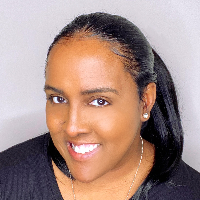
North Carolina · 20 yrs exp
LCSW focusing on mood and addiction concerns
Stress, Anxiety · Addictions · Family · Career · +16 more
Read profile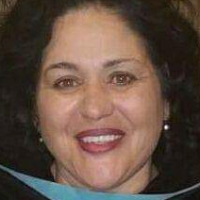
North Carolina · 20 yrs exp
LPC, LCMHC - Stress and addiction support
Stress, Anxiety · Parenting · Self esteem · Depression · +15 more
Read profile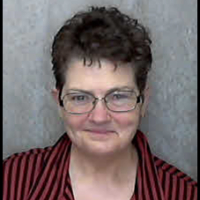
Texas · 35 yrs exp
LCSW-C and LCSW focusing on trauma and relationships
Stress, Anxiety · Relationship · Family · Trauma and abuse · +14 more
Read profile
Nevada · 25 yrs exp
LMFT for relationship and family concerns
Stress, Anxiety · Relationship · Family · Trauma and abuse · +1 more
Read profile
Illinois · 5 yrs exp
IL Psychologist focusing on stress and mood
Stress, Anxiety · Relationship · Trauma and abuse · Depression · +12 more
Read profile
North Dakota · 10 yrs exp
Licensed Clinical Social Worker - stress and trauma
Stress, Anxiety · Relationship · Family · Trauma and abuse · +10 more
Read profile
North Carolina · 20 yrs exp
Licensed counselor for mood and addiction concerns
Stress, Anxiety · Addictions · Anger · Depression · +7 more
Read profile
Delaware · 24 yrs exp
LMFT focused on relationships and family issues
Relationship · Family · Trauma and abuse · Parenting · +14 more
Read profile
Massachusetts · 30 yrs exp
MA LMFT, MA LMHC working with addiction and family concerns
Addictions · Family · Trauma and abuse · Grief · +16 more
Read profile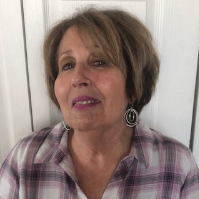
Arizona · 25 yrs exp
Licensed Professional Counselor in Arizona
Stress, Anxiety · Addictions · Relationship · Trauma and abuse · +11 more
Read profile
New York · 25 yrs exp
LCSW in New York focusing on mood and trauma
Stress, Anxiety · Trauma and abuse · Self esteem · Depression · +11 more
Read profile
Texas · 15 yrs exp
LPC helping with addictions and trauma
Addictions · Trauma and abuse · Grief · Anger · +10 more
Read profile
Washington · 50 yrs exp
LMHC in Washington - trauma, mood, relationship work
Stress, Anxiety · Trauma and abuse · Intimacy-related issues · Self esteem · +15 more
Read profile
Florida · 13 yrs exp
LMHC in Florida - Stress, Relationships, Addictions
Stress, Anxiety · Trauma and abuse · Anger · Depression · +11 more
Read profile
Minnesota · 3 yrs exp
LICSW LCSW - Stress, Anxiety, Addictions
Stress, Anxiety · Addictions · Trauma and abuse · Bipolar · +5 more
Read profile
Florida · 30 yrs exp
LCSW supporting stress, mood, and relationship concerns
Stress, Anxiety · Trauma and abuse · Self esteem · Depression · +11 more
Read profile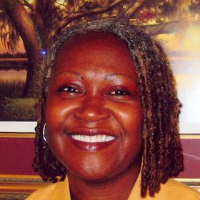
South Carolina · 25 yrs exp
Licensed LPC in South Carolina - addictions and relationships
Addictions · Relationship · Grief · Self esteem · +9 more
Read profile
Michigan · 10 yrs exp
LMSW, LISW - depression, anxiety, trauma
Addictions · Relationship · Trauma and abuse · Self esteem · +16 more
Read profile
Oklahoma · 23 yrs exp
Licensed Professional Counselor - stress, anxiety, trauma
Stress, Anxiety · Relationship · Trauma and abuse · Self esteem · +15 more
Read profile
Wisconsin · 33 yrs exp
LPC in Wisconsin - stress, mood, and addiction care
Stress, Anxiety · Addictions · Trauma and abuse · Grief · +11 more
Read profile
Wisconsin · 15 yrs exp
Licensed Professional Counselor - stress and relationship work
Stress, Anxiety · Addictions · Relationship · Depression · +15 more
Read profile
Pennsylvania · 28 yrs exp
Licensed Professional Counselor - addictions and relationship work
Addictions · Relationship · Family · Trauma and abuse · +3 more
Read profile
Georgia · 15 yrs exp
LCSW in Georgia - stress and trauma care
Stress, Anxiety · Trauma and abuse · Grief · Self esteem · +1 more
Read profile
South Carolina · 21 yrs exp
LPC, LCMHC - relationship and emotional concerns
Relationship · Grief · Parenting · Depression · +14 more
Read profile
New York · 10 yrs exp
Licensed Mental Health Counselor - stress and relationship issues
Stress, Anxiety · Relationship · Family · Trauma and abuse · +14 more
Read profile
Illinois · 35 yrs exp
Illinois Psychologist focusing on stress and relationships
Stress, Anxiety · Relationship · Self esteem · Coping with life changes · +6 more
Read profile
North Carolina · 16 yrs exp
LCMHC focused on stress and addiction
Stress, Anxiety · Addictions · Grief · Eating · +12 more
Read profile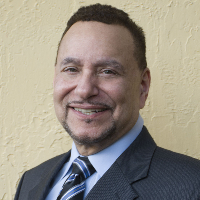
Florida · 30 yrs exp
Dr. Oren Hernández LMHC LMFT - stress and mood concerns
Stress, Anxiety · Addictions · Trauma and abuse · Grief · +14 more
Read profile
Utah · 11 yrs exp
LCSW focusing on trauma and behavior concerns
Stress, Anxiety · Addictions · Relationship · Trauma and abuse · +16 more
Read profile
Kentucky · 14 yrs exp
LCSW focusing on stress and trauma
Stress, Anxiety · Relationship · Trauma and abuse · Self esteem · +13 more
Read profile
Florida · 18 yrs exp
LCSW - Stress, trauma, mood, and addiction support
Stress, Anxiety · Relationship · Trauma and abuse · Depression · +14 more
Read profile
Michigan · 8 yrs exp
Licensed LMSW - stress, trauma, transitions
Stress, Anxiety · Self esteem · Depression · Coping with life changes · +9 more
Read profile
Illinois · 41 yrs exp
LCSW - Stress, Mood, and Relationship Concerns
Stress, Anxiety · Parenting · Bipolar · Depression · +15 more
Read profile
New York · 11 yrs exp
LMHC focused on mood and relationship concerns
Stress, Anxiety · Relationship · Family · Eating · +11 more
Read profile
Colorado · 8 yrs exp
LCSW focused on mood and relationships
Stress, Anxiety · Relationship · Trauma and abuse · Grief · +16 more
Read profile
Missouri · 20 yrs exp
LPC focusing on trauma and recovery
Addictions · Trauma and abuse · Parenting · Anger · +13 more
Read profile
Arizona · 20 yrs exp
LPC - Stress, trauma, mood concerns
Stress, Anxiety · Trauma and abuse · Grief · Depression · +9 more
Read profile
Georgia · 20 yrs exp
LCSW in Georgia focusing on mood and relationships
Stress, Anxiety · Relationship · Self esteem · Career · +12 more
Read profile
Illinois · 15 yrs exp
LCPC - Mood and trauma focused
Trauma and abuse · Anger · Self esteem · Bipolar · +11 more
Read profile
Florida · 32 yrs exp
Licensed Mental Health Counselor in Florida - stress and trauma
Stress, Anxiety · Trauma and abuse · Parenting · Depression · +16 more
Read profile
Texas · 5 yrs exp
LPC in Texas focused on relationships and trauma
Relationship · Family · Trauma and abuse · Grief · +10 more
Read profile
Indiana · 15 yrs exp
LCSW focused on relationship and trauma work
Stress, Anxiety · Relationship · Family · Trauma and abuse · +10 more
Read profileDomestic violence refers to a pattern of behaviors used by one person to gain power and control over another in an intimate relationship. It can include physical harm, sexual coercion, emotional abuse, financial control, stalking, and controlling or isolating behaviors. Because domestic violence often involves repeated interactions within a relationship, its effects can be complex and long lasting. You may notice changes in your mood, sleep, concentration, or sense of self, and those changes can ripple into work, friendships, parenting, and daily routines.
The experience of domestic violence varies widely from person to person. Some people live with frequent physical injury. Others face subtler forms of coercion that undermine their confidence and decision-making. Children who witness violence can be affected even if they are not the direct target. Cultural background, legal status, economic resources, and social support networks all play a role in how people experience and respond to harm. When you consider therapy, it can help to think about the specific ways the situation has affected your life and what kind of change you want to pursue.
If you are living with ongoing harm or recently left a relationship that involved abuse, you might notice symptoms that interfere with daily life. You may be struggling with recurring anxiety, panic attacks, persistent sadness, flashbacks to distressing events, or difficulty trusting others. You might find it hard to set boundaries, or you could be replaying events and asking yourself what you could have done differently. These reactions are common responses to experiences that threaten your safety and sense of control.
Therapy can also be useful if you are unsure about how to plan for your next steps. You might need help sorting out options, organizing a plan for leaving or staying, managing mixed feelings about an abusive partner, or finding trustworthy resources for legal or financial concerns. If you are parenting, you may want guidance on talking with children about safety and healing. You do not need to have a clear diagnosis to seek support - therapy can be a space to explore your options, build coping strategies, and regain a stronger sense of agency.
Therapy for domestic violence typically begins with assessment and goals. In early sessions you and the therapist will discuss your immediate needs, any safety concerns, and what you hope to accomplish. You can expect the therapist to ask about the history of the relationship, current stressors, supports, and any medical or legal issues that may be relevant. The pace of this work respects your readiness - some people want to focus first on safety and stabilization, while others are ready to process traumatic memories or repair relationships.
Sessions often combine practical problem-solving with emotional processing. You may work on safety planning, communication skills, financial planning, or steps for legal advocacy. You may also practice stress reduction techniques, grounding strategies for intense emotions, and techniques to reduce hypervigilance or avoidance. Therapy can include single sessions focused on immediate needs, short-term work to build coping skills, or longer-term therapy to address deep patterns and trauma responses. You and your therapist will revisit goals and adjust approaches as needed.
Some people come to therapy alone, while others involve a trusted family member or friend for support. Couple-based interventions are sometimes appropriate when both partners are committed to nonviolence and safety has been established, but many therapists will not recommend couple therapy while abusive patterns are ongoing. You should feel empowered to ask how a therapist approaches work with couples and under what conditions they would recommend individual versus joint sessions.
There is a range of therapeutic approaches that people seeking support may encounter. Therapists often combine practical safety work with trauma-informed methods that address the emotional and psychological impact of abuse. You will find therapists who list trauma-focused cognitive behavioral therapy among their approaches, as well as those who include narrative therapy, somatic approaches that attend to bodily responses, and emotion-focused work that helps you process hurt and grief. Mindfulness and stress-management techniques are frequently used alongside other methods to help regulate arousal and reduce anxiety.
It is important to note that when therapists list a particular modality it does not necessarily indicate formal certification in that method. Instead, consider how the approach fits your goals. If you are dealing with strong trauma memories, you may prefer a therapist who emphasizes trauma-focused strategies. If your primary needs are rebuilding trust and assertiveness, you may be drawn to therapists who emphasize interpersonal skills and boundary-setting. Therapists may also specialize in supporting specific populations, such as LGBTQ+ people, survivors with immigrant or cultural considerations, or parents navigating co-parenting after abuse.
Online therapy offers a flexible way to work with a therapist when in-person sessions are difficult to access. You can connect by video, phone, or messaging, and many therapists use a combination of formats to meet different needs. For people affected by domestic violence, online sessions can reduce travel time and expand the pool of therapists available to you, including those who list specialized experience with trauma and intimate partner harm. When you choose online care, you can look for therapists who describe their telehealth practices and how they manage safety planning in virtual sessions.
Because safety is a central concern, you should discuss logistics with a therapist before beginning work. This includes determining whether there is a safe place for you to talk, establishing a signal or code word if you need to pause a conversation, and reviewing emergency procedures if you are in crisis. Therapists who provide online services often explain how they handle risk assessments and local referral options. You should also ask about language options, cultural competence, and how the therapist coordinates with other supports such as legal advocates or medical providers when needed.
When you search the listings, focus on factors that matter to you. Read therapist profiles to learn about the populations they mention working with, the therapeutic approaches they list, languages spoken, and relevant experience such as working with survivors of intimate partner harm. Think about what matters most - for example, whether you want a clinician who emphasizes trauma processing, someone who can help with safety planning and legal navigation, or a practitioner who takes a holistic approach that includes stress management and family dynamics.
Trust your instincts about fit. Many people find it helpful to try a few conversations or introductory calls to get a sense of how the therapist listens, the types of questions they ask, and whether their style feels respectful and empowering. You can prepare for a first conversation by identifying your immediate needs, any safety concerns, and logistical preferences such as session length, language, or whether you prefer video or phone. If a therapist does not feel like a match, it is reasonable to continue your search until you find someone who aligns with your goals and comfort level.
Finally, consider how a therapist coordinates with other community resources. Some clinicians describe partnerships with legal advocates, shelters, or medical professionals in their profiles. If you anticipate needing referrals for housing, legal assistance, or financial planning, ask potential therapists how they support clients in accessing those services. Choosing a therapist is a personal decision, and taking time to review profiles and ask questions can help you find a professional who understands your situation and supports the path you want to take.
Alabama
31 therapists
Alaska
3 therapists
Arizona
34 therapists
Arkansas
20 therapists
California
266 therapists
Colorado
72 therapists
Connecticut
26 therapists
Delaware
3 therapists
District of Columbia
7 therapists
Florida
252 therapists
Georgia
85 therapists
Hawaii
8 therapists
Idaho
15 therapists
Illinois
102 therapists
Indiana
41 therapists
Iowa
7 therapists
Kansas
20 therapists
Kentucky
30 therapists
Louisiana
42 therapists
Maine
12 therapists
Maryland
68 therapists
Massachusetts
49 therapists
Michigan
79 therapists
Minnesota
40 therapists
Mississippi
17 therapists
Missouri
68 therapists
Montana
13 therapists
Nebraska
18 therapists
Nevada
12 therapists
New Hampshire
7 therapists
New Jersey
57 therapists
New Mexico
14 therapists
New York
173 therapists
North Carolina
118 therapists
North Dakota
5 therapists
Ohio
79 therapists
Oklahoma
30 therapists
Oregon
26 therapists
Pennsylvania
85 therapists
Rhode Island
2 therapists
South Carolina
52 therapists
South Dakota
4 therapists
Tennessee
33 therapists
Texas
263 therapists
Utah
26 therapists
Vermont
4 therapists
Virginia
77 therapists
Washington
52 therapists
West Virginia
7 therapists
Wisconsin
40 therapists
Wyoming
3 therapists