
Velma Jones
LCSWNew York · 29 yrs exp
LCSW - adult mood and relationship concerns
Stress, Anxiety · Relationship · Trauma and abuse · Depression · +10 more
Read profileTherapist listings are provided by BetterHelp. We will earn a commission at no additional cost to you if you use our links to purchase.
Find therapists who list aging and geriatric issues as a specialty on KnowYourTherapist.org. Explore profiles of counselors who work with memory changes, caregiving challenges, grief, and life-stage transitions. Browse the listings below to compare approaches, credentials, languages, and experience.
New York · 29 yrs exp
LCSW - adult mood and relationship concerns
Stress, Anxiety · Relationship · Trauma and abuse · Depression · +10 more
Read profile
Ohio · 25 yrs exp
LPCC in Ohio - stress, relationships, trauma
Stress, Anxiety · LGBT · Relationship · Self esteem · +16 more
Read profile
Colorado · 19 yrs exp
LCSW focusing on mood and relationship concerns
Stress, Anxiety · Relationship · Trauma and abuse · Grief · +12 more
Read profile
South Carolina · 16 yrs exp
LMFT - Stress, Relationships, Trauma
Stress, Anxiety · Relationship · Family · Parenting · +14 more
Read profile
Florida · 20 yrs exp
Dr. Daniella Jackson, LMHC - addiction and mood concerns
Stress, Anxiety · Addictions · Relationship · Self esteem · +16 more
Read profile
Maryland · 6 yrs exp
LCPC in Maryland - stress and trauma work
Stress, Anxiety · Trauma and abuse · Self esteem · Coping with life changes · +10 more
Read profile
Missouri · 16 yrs exp
LCSW focused on stress, trauma, and mood disorders
Stress, Anxiety · Trauma and abuse · Self esteem · Bipolar · +12 more
Read profile
Texas · 9 yrs exp
Licensed Professional Counselor - stress and relationship issues
Stress, Anxiety · Trauma and abuse · Grief · Depression · +12 more
Read profile
Texas · 10 yrs exp
LPC in Texas focusing on anxiety and relationships
Stress, Anxiety · Relationship · Family · Depression · +14 more
Read profile
Ohio · 33 yrs exp
LPCC helping with stress, trauma, mood and relationships
Stress, Anxiety · Family · Trauma and abuse · Self esteem · +12 more
Read profile
Arizona · 20 yrs exp
AZ Psychologist - stress, mood, relationships
Stress, Anxiety · Addictions · Grief · Self esteem · +14 more
Read profile
Georgia · 18 yrs exp
Licensed Professional Counselor - relationship and trauma focus
Stress, Anxiety · Relationship · Family · Trauma and abuse · +10 more
Read profile
Florida · 30 yrs exp
FL Psychologist focused on practical solutions
Stress, Anxiety · Grief · Anger · Depression · +15 more
Read profile
Texas · 20 yrs exp
LICSW, LCSW in Texas - Stress and relationship issues
Stress, Anxiety · Addictions · Family · Grief · +15 more
Read profile
Florida · 20 yrs exp
LMHC in Florida specializing in mood and relationship concerns
Stress, Anxiety · Grief · Self esteem · Depression · +9 more
Read profile
Florida · 10 yrs exp
LCSW focused on anxiety and trauma
Stress, Anxiety · Trauma and abuse · Grief · Depression · +12 more
Read profile
Michigan · 31 yrs exp
Licensed Professional Counselor in Michigan, focus on mood and behavior
Stress, Anxiety · Addictions · Self esteem · Career · +5 more
Read profile
California · 5 yrs exp
LMFT focused on relationships and life changes
Relationship · Grief · Parenting · Self esteem · +11 more
Read profile
Texas · 35 yrs exp
LCSW-C and LCSW focusing on trauma and relationships
Stress, Anxiety · Relationship · Family · Trauma and abuse · +14 more
Read profile
Indiana · 25 yrs exp
LCSW focused on stress and relationships
Stress, Anxiety · Relationship · Grief · Self esteem · +12 more
Read profile
North Dakota · 10 yrs exp
Licensed Clinical Social Worker - stress and trauma
Stress, Anxiety · Relationship · Family · Trauma and abuse · +10 more
Read profile
Georgia · 29 yrs exp
LCSW in Florida and Georgia - stress and addiction care
Stress, Anxiety · Addictions · Relationship · Trauma and abuse · +1 more
Read profile
North Carolina · 20 yrs exp
Licensed counselor for mood and addiction concerns
Stress, Anxiety · Addictions · Anger · Depression · +7 more
Read profile
Florida · 35 yrs exp
LMHC in Florida focusing on mood and life challenges
Stress, Anxiety · Family · Grief · Eating · +16 more
Read profile
Idaho · 18 yrs exp
LCSW focused on mood and life changes
Stress, Anxiety · Trauma and abuse · Grief · Self esteem · +10 more
Read profile
Michigan · 10 yrs exp
LMSW, LCSW - stress and relationship work
Stress, Anxiety · Anger · Self esteem · Depression · +5 more
Read profile
New Jersey · 25 yrs exp
LPC in New Jersey focusing on stress and relationships
Stress, Anxiety · Family · Trauma and abuse · Grief · +9 more
Read profile
Massachusetts · 30 yrs exp
MA LMFT, MA LMHC working with addiction and family concerns
Addictions · Family · Trauma and abuse · Grief · +16 more
Read profile
Arizona · 25 yrs exp
Licensed Professional Counselor in Arizona
Stress, Anxiety · Addictions · Relationship · Trauma and abuse · +11 more
Read profile
Texas · 15 yrs exp
LPC helping with addictions and trauma
Addictions · Trauma and abuse · Grief · Anger · +10 more
Read profile
Virginia · 27 yrs exp
LPC in Virginia focusing on stress and trauma
Stress, Anxiety · Addictions · Anger · Self esteem · +9 more
Read profile
Texas · 3 yrs exp
LCSW focusing on mood and coping
Stress, Anxiety · Anger · Depression · Addictions · +8 more
Read profile
Colorado · 18 yrs exp
LPC LCPC - stress, mood, and behavior work
Stress, Anxiety · Addictions · Relationship · Self esteem · +15 more
Read profile
Massachusetts · 15 yrs exp
LICSW focused on mood and life changes
Stress, Anxiety · Relationship · Grief · Depression · +1 more
Read profile
Nebraska · 35 yrs exp
LMHP, LPC focusing on relationships and sexuality
LGBT · Relationship · Family · Intimacy-related issues · +6 more
Read profile
New York · 20 yrs exp
LCSW focused on stress and relationships
Stress, Anxiety · Addictions · Relationship · Self esteem · +9 more
Read profile
Michigan · 33 yrs exp
MI Psychologist working with anxiety and life changes
Stress, Anxiety · Parenting · Coping with life changes · Addictions · +7 more
Read profile
Florida · 30 yrs exp
LCSW supporting stress, mood, and relationship concerns
Stress, Anxiety · Trauma and abuse · Self esteem · Depression · +11 more
Read profile
South Carolina · 25 yrs exp
Licensed LPC in South Carolina - addictions and relationships
Addictions · Relationship · Grief · Self esteem · +9 more
Read profile
Georgia · 9 yrs exp
LPC in Georgia focusing on trauma and addiction
Stress, Anxiety · Anger · Self esteem · Bipolar · +11 more
Read profile
Florida · 21 yrs exp
LCSW focused on relationships and life changes
Stress, Anxiety · Relationship · Family · Eating · +16 more
Read profile
Oklahoma · 23 yrs exp
Licensed Professional Counselor - stress, anxiety, trauma
Stress, Anxiety · Relationship · Trauma and abuse · Self esteem · +15 more
Read profile
Wisconsin · 15 yrs exp
Licensed Professional Counselor - stress and relationship work
Stress, Anxiety · Addictions · Relationship · Depression · +15 more
Read profile
Pennsylvania · 28 yrs exp
Licensed Professional Counselor - addictions and relationship work
Addictions · Relationship · Family · Trauma and abuse · +3 more
Read profile
Texas · 20 yrs exp
LPC in Texas helping with stress and relationships
Stress, Anxiety · Relationship · Trauma and abuse · Depression · +11 more
Read profile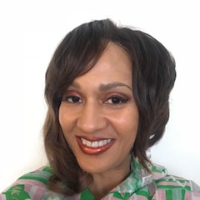
Michigan · 32 yrs exp
LMSW focused on relationship and mood concerns
Stress, Anxiety · Relationship · Trauma and abuse · Self esteem · +16 more
Read profile
Florida · 30 yrs exp
LMHC in Florida - mood and relationship work
Stress, Anxiety · Relationship · Family · Self esteem · +15 more
Read profile
South Carolina · 21 yrs exp
LPC, LCMHC - relationship and emotional concerns
Relationship · Grief · Parenting · Depression · +14 more
Read profile
Texas · 30 yrs exp
LPC in Texas - addictions and mood concerns
Stress, Anxiety · Addictions · Relationship · Family · +13 more
Read profile
Illinois · 35 yrs exp
Illinois Psychologist focusing on stress and relationships
Stress, Anxiety · Relationship · Self esteem · Coping with life changes · +6 more
Read profile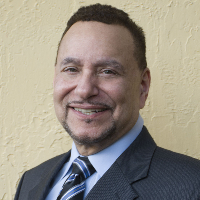
Florida · 30 yrs exp
Dr. Oren Hernández LMHC LMFT - stress and mood concerns
Stress, Anxiety · Addictions · Trauma and abuse · Grief · +14 more
Read profile
South Carolina · 20 yrs exp
LCSW LISW focusing on stress and relationships
Stress, Anxiety · LGBT · Relationship · Family · +6 more
Read profile
North Carolina · 26 yrs exp
LCSW focusing on stress, grief, and caregiver support
Stress, Anxiety · Grief · Self esteem · Coping with life changes · +3 more
Read profile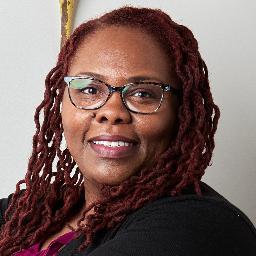
Kentucky · 14 yrs exp
LCSW focusing on stress and trauma
Stress, Anxiety · Relationship · Trauma and abuse · Self esteem · +13 more
Read profile
Florida · 18 yrs exp
LCSW - Stress, trauma, mood, and addiction support
Stress, Anxiety · Relationship · Trauma and abuse · Depression · +14 more
Read profile
Indiana · 46 yrs exp
LMHC - Trauma and anxiety focus
Stress, Anxiety · Family · Trauma and abuse · Grief · +11 more
Read profile
Michigan · 8 yrs exp
Licensed LMSW - stress, trauma, transitions
Stress, Anxiety · Self esteem · Depression · Coping with life changes · +9 more
Read profile
Illinois · 41 yrs exp
LCSW - Stress, Mood, and Relationship Concerns
Stress, Anxiety · Parenting · Bipolar · Depression · +15 more
Read profile
Texas · 25 yrs exp
LPC in Texas focusing on relationships and life transitions
Relationship · Family · Grief · Coping with life changes · +12 more
Read profile
New Jersey · 50 yrs exp
NJ Psychologist focused on stress and relationships
Stress, Anxiety · Relationship · Depression · LGBT · +8 more
Read profileAging and geriatric issues cover a wide range of emotional, social, and practical concerns that often emerge as people move through later life. These concerns can include changes in memory and thinking, adjustments after retirement, shifts in family roles, chronic illness management, loss of mobility, and the emotional work of grieving friends and spouses. Aging does not present the same way for everyone - for some, it is a time of reflection and renewal, while for others it brings new stressors and unexpected transitions. When you are looking for help, it helps to view aging as a phase with its own psychological and social demands rather than only as a set of medical problems.
Therapists who list aging and geriatric issues among their specialties often focus on the impacts of life-stage changes on relationships, identity, and daily functioning. They may help you navigate practical concerns like making decisions about long-term care, communicating with adult children, or adapting to physical limitations. Therapists also work with caregivers who are managing the burden and emotional complexity of supporting an older relative. Because aging frequently intersects with other areas of life like finance, health care, and social supports, therapy for geriatric concerns tends to be holistic and oriented toward problem solving, emotional processing, and strengthening connections.
It can be hard to know when to reach out for professional help, especially when many changes in later life feel gradual or expected. You might consider therapy if you notice persistent sadness, anxiety, or irritability that interferes with daily routines or relationships. Difficulty sleeping, changes in appetite, withdrawal from social activities you once enjoyed, or increasing worry about memory and thinking are common reasons people seek help. Caregivers may feel overwhelmed, resentful, or exhausted, and these feelings can sometimes be accompanied by health changes and reduced patience that affect family dynamics.
If you find that decision making about care, finances, or living arrangements is causing ongoing conflict or distress, a therapist can help you clarify goals and manage conversations. You might also consider therapy when grief and loss feel unending, when the stress of medical appointments and navigating systems of care becomes crushing, or when changes in independence lead to identity questions. Therapy is a place to explore fears about the future, to learn coping strategies for chronic stressors, and to strengthen the relationships that matter most during this stage of life.
When you begin seeing a therapist for aging-related concerns, the early sessions typically focus on understanding your current situation, history, and goals. You and the therapist will talk about what prompted you to seek help, the specific challenges you are facing, and what a better outcome would look like for you. Sessions are usually collaborative - you bring the lived experience and priorities, and the therapist offers perspectives, strategies, and support to help you move toward your goals.
Therapy may include time-limited problem solving aimed at immediate practical needs, and it may also include deeper processing of loss, identity changes, and intergenerational relationships. A therapist might work with you to develop coping skills for anxiety, to practice communication techniques for difficult family conversations, or to create routines that support better sleep and daily functioning. If you are a caregiver, sessions often include attention to setting boundaries, managing guilt, and finding ways to preserve your own health. Over time, you and the therapist can track progress and adjust the focus as new concerns arise.
Therapists draw on a range of approaches to address the psychological and practical facets of aging. Some practitioners describe cognitive behavioral strategies to help with anxiety, negative thinking patterns, and behavioral activation when motivation is low. Others emphasize supportive therapy that validates difficult emotions and helps you build resilience during transitions. Family systems work is often useful when caregiving roles and family decisions are central concerns, since dynamics among relatives can profoundly affect care planning and emotional well-being.
You will also find therapists who list grief work, end-of-life counseling, and meaning-centered approaches among their methods for working with older adults. For cognitive concerns, some therapists include strategies to support memory, compensate for changes in thinking, and coordinate with medical providers when appropriate. When reading profiles, keep in mind that a therapist listing a particular approach does not by itself speak to credentials or outcomes. Instead, use the approach descriptions to identify clinicians whose language and methods resonate with your goals.
Online therapy can make it easier to connect with clinicians who list experience with aging and geriatric issues, especially if mobility, transportation, or geographic distance are barriers. Sessions typically take place through video calls, phone calls, or messaging platforms. Before beginning, you and the therapist will discuss logistics such as session length, communication preferences between sessions, and any accommodations you might need to participate comfortably. Many people find that remote sessions reduce the stress of traveling and allow family members to join from different locations when appropriate.
When using online formats, you should find a quiet, well-lit, and comfortable environment for sessions. If you have hearing or vision challenges, mention these needs early so the therapist can adapt materials or use larger text and clearer visuals. Online therapy also allows for practical interactions - a therapist can observe how you manage daily routines in your home environment and tailor strategies accordingly. If you prefer in-person meetings, look for clinicians who describe both online and in-person options in their profiles.
Choosing a therapist is a personal process. Start by identifying what matters most to you - whether that is experience with caregiving issues, grief and loss, memory concerns, family dynamics, or support for a specific cultural or language background. Read profiles to learn how therapists describe their focus areas, approaches, and the populations they work with. Pay attention to whether a clinician mentions working with older adults, caregivers, or particular life-stage transitions, and whether they list approaches that align with how you prefer to work.
Consider practical factors beyond therapeutic style. Look for information about the languages a therapist speaks, their professional credentials, and any areas of specialization they emphasize. Think about whether you prefer a clinician who takes a structured, skills-based approach or one who offers more open-ended supportive counseling. If you are coordinating care with medical providers, find a therapist who expresses comfort collaborating with other members of your care team. Finally, trust your sense of fit - the right therapeutic relationship is one where you feel heard, respected, and able to work toward the changes you want to see.
Whether you are exploring support for yourself or seeking guidance for a family member, therapists who list aging and geriatric issues among their focuses can offer practical tools, emotional support, and a space to navigate the complex transitions of later life. Use the listings to compare approaches, languages, and experience, and reach out to clinicians whose descriptions match your priorities to learn more about how they work.
Alabama
31 therapists
Alaska
3 therapists
Arizona
34 therapists
Arkansas
20 therapists
California
266 therapists
Colorado
72 therapists
Connecticut
26 therapists
Delaware
3 therapists
District of Columbia
7 therapists
Florida
252 therapists
Georgia
85 therapists
Hawaii
8 therapists
Idaho
15 therapists
Illinois
102 therapists
Indiana
41 therapists
Iowa
7 therapists
Kansas
20 therapists
Kentucky
30 therapists
Louisiana
42 therapists
Maine
12 therapists
Maryland
68 therapists
Massachusetts
49 therapists
Michigan
79 therapists
Minnesota
40 therapists
Mississippi
17 therapists
Missouri
68 therapists
Montana
13 therapists
Nebraska
18 therapists
Nevada
12 therapists
New Hampshire
7 therapists
New Jersey
57 therapists
New Mexico
14 therapists
New York
173 therapists
North Carolina
118 therapists
North Dakota
5 therapists
Ohio
79 therapists
Oklahoma
30 therapists
Oregon
26 therapists
Pennsylvania
85 therapists
Rhode Island
2 therapists
South Carolina
52 therapists
South Dakota
4 therapists
Tennessee
33 therapists
Texas
263 therapists
Utah
26 therapists
Vermont
4 therapists
Virginia
77 therapists
Washington
52 therapists
West Virginia
7 therapists
Wisconsin
40 therapists
Wyoming
3 therapists