
Velma Jones
LCSWNew York · 29 yrs exp
LCSW - adult mood and relationship concerns
Stress, Anxiety · Relationship · Trauma and abuse · Depression · +10 more
Read profileTherapist listings are provided by BetterHelp. We will earn a commission at no additional cost to you if you use our links to purchase.
On this page you will find therapists who list self-love as a specialty. Browse the listings below to compare approaches, credentials, languages and experience that may match your needs.
New York · 29 yrs exp
LCSW - adult mood and relationship concerns
Stress, Anxiety · Relationship · Trauma and abuse · Depression · +10 more
Read profile
Ohio · 25 yrs exp
LPCC in Ohio - stress, relationships, trauma
Stress, Anxiety · LGBT · Relationship · Self esteem · +16 more
Read profile
Colorado · 19 yrs exp
LCSW focusing on mood and relationship concerns
Stress, Anxiety · Relationship · Trauma and abuse · Grief · +12 more
Read profile
South Carolina · 16 yrs exp
LMFT - Stress, Relationships, Trauma
Stress, Anxiety · Relationship · Family · Parenting · +14 more
Read profile
Florida · 20 yrs exp
Dr. Daniella Jackson, LMHC - addiction and mood concerns
Stress, Anxiety · Addictions · Relationship · Self esteem · +16 more
Read profile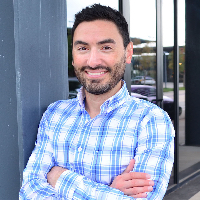
Kansas · 15 yrs exp
LCPC, LPC - Stress anxiety relationship support
Stress, Anxiety · Relationship · Family · Trauma and abuse · +14 more
Read profile
Illinois · 20 yrs exp
Licensed Clinical Social Worker - stress and life changes
Stress, Anxiety · Relationship · Parenting · Self esteem · +7 more
Read profile
Maryland · 6 yrs exp
LCPC in Maryland - stress and trauma work
Stress, Anxiety · Trauma and abuse · Self esteem · Coping with life changes · +10 more
Read profile
New York · 5 yrs exp
LMHC in New York - mood and relationship work
Stress, Anxiety · LGBT · Trauma and abuse · Bipolar · +12 more
Read profile
Pennsylvania · 12 yrs exp
LPCC LMHC - Stress, anxiety, relationships
Stress, Anxiety · Relationship · Self esteem · Depression · +11 more
Read profile
Missouri · 16 yrs exp
LCSW focused on stress, trauma, and mood disorders
Stress, Anxiety · Trauma and abuse · Self esteem · Bipolar · +12 more
Read profile
North Carolina · 10 yrs exp
LCSW, LISW-CP - Stress and relationship work
Stress, Anxiety · Relationship · Family · Bipolar · +16 more
Read profile
Oregon · 14 yrs exp
LPC in Oregon - mood and life transitions
Grief · Self esteem · Career · Depression · +8 more
Read profile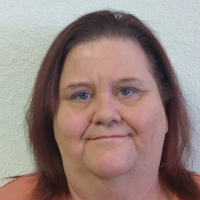
Texas · 9 yrs exp
Licensed Professional Counselor - stress and relationship issues
Stress, Anxiety · Trauma and abuse · Grief · Depression · +12 more
Read profile
Texas · 10 yrs exp
LPC in Texas focusing on anxiety and relationships
Stress, Anxiety · Relationship · Family · Depression · +14 more
Read profile
Ohio · 33 yrs exp
LPCC helping with stress, trauma, mood and relationships
Stress, Anxiety · Family · Trauma and abuse · Self esteem · +12 more
Read profile
Arizona · 20 yrs exp
AZ Psychologist - stress, mood, relationships
Stress, Anxiety · Addictions · Grief · Self esteem · +14 more
Read profile
Alabama · 8 yrs exp
LPC in Alabama focusing on stress and trauma
Stress, Anxiety · Trauma and abuse · Anger · Self esteem · +5 more
Read profile
Texas · 6 yrs exp
LCSW focused on relationships and family concerns
Relationship · Family · Parenting · Self esteem · +7 more
Read profile
Florida · 20 yrs exp
LMHC LPCC focused on stress and addiction
Stress, Anxiety · Addictions · Relationship · Trauma and abuse · +15 more
Read profile
Texas · 20 yrs exp
LICSW, LCSW in Texas - Stress and relationship issues
Stress, Anxiety · Addictions · Family · Grief · +15 more
Read profile
Florida · 20 yrs exp
LMHC in Florida specializing in mood and relationship concerns
Stress, Anxiety · Grief · Self esteem · Depression · +9 more
Read profile
Ohio · 20 yrs exp
LISW in Ohio - stress, trauma, mood concerns
Stress, Anxiety · LGBT · Family · Grief · +16 more
Read profile
Arkansas · 23 yrs exp
LPC in Arkansas focusing on mood and relationship concerns
Stress, Anxiety · Trauma and abuse · Anger · Self esteem · +11 more
Read profile
Oregon · 17 yrs exp
LMFT working with stress, trauma, grief, depression
Stress, Anxiety · Trauma and abuse · Grief · Intimacy-related issues · +1 more
Read profile
New York · 14 yrs exp
LCSW - Stress, anxiety, relationships
Stress, Anxiety · Relationship · Trauma and abuse · Self esteem · +5 more
Read profile
New York · 18 yrs exp
LMHC focusing on stress and relationships
Stress, Anxiety · Relationship · Parenting · Anger · +1 more
Read profile
California · 5 yrs exp
LMFT focused on relationships and life changes
Relationship · Grief · Parenting · Self esteem · +11 more
Read profile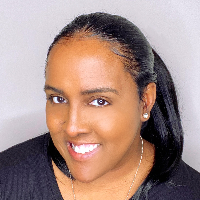
North Carolina · 20 yrs exp
LCSW focusing on mood and addiction concerns
Stress, Anxiety · Addictions · Family · Career · +16 more
Read profile
Colorado · 13 yrs exp
Licensed Marriage and Family Therapist - adult concerns
Stress, Anxiety · LGBT · Relationship · Trauma and abuse · +10 more
Read profile
North Carolina · 20 yrs exp
LPC, LCMHC - Stress and addiction support
Stress, Anxiety · Parenting · Self esteem · Depression · +15 more
Read profile
Michigan · 13 yrs exp
Licensed Professional Counselor in Michigan - stress and relationships
Stress, Anxiety · Relationship · Anger · Self esteem · +1 more
Read profile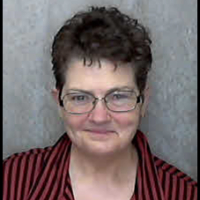
Texas · 35 yrs exp
LCSW-C and LCSW focusing on trauma and relationships
Stress, Anxiety · Relationship · Family · Trauma and abuse · +14 more
Read profile
Nevada · 25 yrs exp
LMFT for relationship and family concerns
Stress, Anxiety · Relationship · Family · Trauma and abuse · +1 more
Read profile
Illinois · 30 yrs exp
LCPC in Illinois focused on family and trauma
Family · Trauma and abuse · Grief · Depression · +7 more
Read profile
North Dakota · 10 yrs exp
Licensed Clinical Social Worker - stress and trauma
Stress, Anxiety · Relationship · Family · Trauma and abuse · +10 more
Read profile
Georgia · 29 yrs exp
LCSW in Florida and Georgia - stress and addiction care
Stress, Anxiety · Addictions · Relationship · Trauma and abuse · +1 more
Read profile
North Carolina · 20 yrs exp
Licensed counselor for mood and addiction concerns
Stress, Anxiety · Addictions · Anger · Depression · +7 more
Read profile
Florida · 24 yrs exp
LMHC in Florida - CBT and coaching
Stress, Anxiety · Career · Depression · Coping with life changes · +12 more
Read profile
Florida · 35 yrs exp
LMHC in Florida focusing on mood and life challenges
Stress, Anxiety · Family · Grief · Eating · +16 more
Read profile
Michigan · 20 yrs exp
LMSW focusing on relationship and mood concerns
LGBT · Family · Intimacy-related issues · Parenting · +1 more
Read profile
Idaho · 18 yrs exp
LCSW focused on mood and life changes
Stress, Anxiety · Trauma and abuse · Grief · Self esteem · +10 more
Read profile
Indiana · 35 yrs exp
LCSW focusing on mood and life transitions
Stress, Anxiety · Grief · Self esteem · Depression · +4 more
Read profile
Arizona · 25 yrs exp
Licensed Professional Counselor in Arizona
Stress, Anxiety · Addictions · Relationship · Trauma and abuse · +11 more
Read profile
New York · 25 yrs exp
LCSW in New York focusing on mood and trauma
Stress, Anxiety · Trauma and abuse · Self esteem · Depression · +11 more
Read profile
Texas · 15 yrs exp
LPC helping with addictions and trauma
Addictions · Trauma and abuse · Grief · Anger · +10 more
Read profile
Georgia · 12 yrs exp
LPC in Georgia focusing on mood and relationship concerns
LGBT · Relationship · Bipolar · Coping with life changes · +6 more
Read profile
Virginia · 13 yrs exp
Licensed Professional Counselor - stress and relationships
Stress, Anxiety · Family · Trauma and abuse · Parenting · +12 more
Read profile
Colorado · 18 yrs exp
LPC LCPC - stress, mood, and behavior work
Stress, Anxiety · Addictions · Relationship · Self esteem · +15 more
Read profile
Texas · 15 yrs exp
LPC, LMFT focusing on relationships and anxiety
Stress, Anxiety · Relationship · Family · Intimacy-related issues · +1 more
Read profile
Massachusetts · 15 yrs exp
LICSW focused on mood and life changes
Stress, Anxiety · Relationship · Grief · Depression · +1 more
Read profile
Michigan · 33 yrs exp
MI Psychologist working with anxiety and life changes
Stress, Anxiety · Parenting · Coping with life changes · Addictions · +7 more
Read profile
Ohio · 13 yrs exp
LIMFT, LPCC - stress, relationships, trauma
Stress, Anxiety · Relationship · Family · Parenting · +13 more
Read profile
Florida · 13 yrs exp
LMHC in Florida - Stress, Relationships, Addictions
Stress, Anxiety · Trauma and abuse · Anger · Depression · +11 more
Read profile
Florida · 30 yrs exp
LCSW supporting stress, mood, and relationship concerns
Stress, Anxiety · Trauma and abuse · Self esteem · Depression · +11 more
Read profile
South Carolina · 25 yrs exp
Licensed LPC in South Carolina - addictions and relationships
Addictions · Relationship · Grief · Self esteem · +9 more
Read profile
South Dakota · 8 yrs exp
LPC LPC-MH in South Dakota - stress and trauma
Stress, Anxiety · Relationship · Trauma and abuse · Career · +1 more
Read profile
Michigan · 10 yrs exp
LMSW, LISW - depression, anxiety, trauma
Addictions · Relationship · Trauma and abuse · Self esteem · +16 more
Read profile
Florida · 21 yrs exp
LCSW focused on relationships and life changes
Stress, Anxiety · Relationship · Family · Eating · +16 more
Read profile
Oklahoma · 23 yrs exp
Licensed Professional Counselor - stress, anxiety, trauma
Stress, Anxiety · Relationship · Trauma and abuse · Self esteem · +15 more
Read profileSelf-love is often described as the attitude and actions you direct toward yourself - how you treat your thoughts, your body and your choices. It is not about ego or perfection; it is about a steady sense of worth and an ability to respond to setbacks with compassion rather than harsh self-criticism. For many people, weak self-love shows up as persistent negative self-talk, difficulty accepting compliments, or chronic people-pleasing that leaves you feeling depleted. At other times it looks like a mismatch between your values and daily life, where you know what would help you flourish but struggle to act on it.
The way self-love, or the lack of it, affects daily life can vary. You may notice it in relationships, career decisions, how you cope with stress, or your ability to set boundaries. Without a nurturing relationship with yourself, you might react to mistakes with shame instead of problem-solving, or you might avoid trying new things out of fear of failure. Recognizing these patterns is a first step toward change. Therapy focused on self-love helps you build new habits of self-support that shift the tone of your inner life and alter how you engage with others.
If you are wondering whether therapy could help, look for patterns that interfere with your goals or wellbeing. You might find yourself frequently dismissing accomplishments or minimizing your needs. You could be caught in cycles of self-blame after setbacks, or you might consistently place other people’s comfort above your own in ways that leave you resentful. Persistent feelings of not being good enough, chronic comparison to others, or avoiding situations because you fear judgment are common indicators that work on self-love would be useful.
Sometimes the signs are less obvious. Perfectionism that appears as high achievement might mask deep insecurity that undermines satisfaction. Emotional numbing, overworking, or using substances to cope can also signal an attempt to avoid painful self-judgment. If you notice those patterns and they limit your ability to enjoy relationships, take risks, or care for yourself, therapy can provide space to explore the origins of those patterns and practice new responses. You do not need a crisis to start this work; therapy can be proactive and growth-oriented.
Therapy for self-love is typically collaborative and exploratory. In early sessions you and the therapist will discuss what self-love means to you, identify unhelpful patterns, and agree on goals. Sessions often combine reflection on past experiences with in-the-moment strategies to change how you speak to yourself and how you act in daily life. Expect a mix of talk-based exploration and practical exercises you can try between sessions to build new habits of self-care and self-acceptance.
Therapists who work with self-love often encourage gentle experimentation - practicing self-kindness in small steps and noticing how these shifts affect your mood and relationships. You may be guided to track critical self-talk, create a daily ritual of affirmation, or rehearse boundary-setting conversations. Over time the emphasis moves from managing symptoms to cultivating a steady inner stance of regard for yourself. Progress is usually gradual and non-linear; setbacks are treated as opportunities for learning rather than proof that you cannot change.
A range of approaches can be applied to self-love work, and listings often show the methods therapists use. You might find therapists who list cognitive behavioral therapy among their approaches, which can help you identify and reframe negative thoughts that undermine self-worth. Others may list acceptance and commitment therapy among their approaches, which focuses on clarifying values and taking action in spite of uncomfortable feelings. Therapists who list compassion-focused methods among their approaches emphasize developing warmth toward yourself and shifting shame-based reactions.
Some people are drawn to experiential or relational methods. Therapists who list mindfulness-based approaches among their approaches support learning present-moment awareness that reduces automatic self-criticism. Narrative-oriented therapists who list narrative therapy among their approaches help you examine the stories you tell about yourself and consider alternative, more generous narratives. Those who list therapeutic modalities that focus on the body among their approaches may include practices that strengthen your sense of embodiment and bodily care. Because listing an approach does not necessarily indicate a specific credential, you may want to read therapist profiles to understand how they describe applying these methods to self-love work.
Online therapy offers flexible ways to engage in self-love work. Sessions typically occur through live video, phone calls, or text-based messaging, allowing you to meet from a comfortable environment. Many people appreciate the convenience of not needing to travel, while others value the ability to continue with their work from different locations. The therapeutic process itself is similar to in-person care: you and your therapist build rapport, set goals, and practice skills. Online formats can support continuity when life is busy and make it easier to maintain regular sessions that reinforce change.
When choosing a therapist for self-love, consider several practical factors. Look for descriptions that resonate with your values and the tone of work you want - whether that is gentle and compassionate, structured and skills-based, or insight-oriented. Pay attention to the therapist's stated focus areas and the approaches they list, and think about whether you prefer a therapist who emphasizes emotion-focused work, cognitive strategies, mindfulness, or narrative exploration. Language, cultural background, and experience with issues that matter to you can also shape a good match. Reading therapist profiles can help you form questions to bring to an initial conversation, such as how they approach self-criticism or how they help clients practice self-compassion between sessions. Trust your sense of whether a therapist’s description feels like a place you could explore vulnerable material and try new ways of relating to yourself.
Start by narrowing profiles to a handful that describe work aligned with your aims. Notice the language a therapist uses - do they speak in terms that feel understandable and respectful to you? Consider whether you want someone who emphasizes concrete skills or someone who will focus more on insight and relational patterns. If you plan to try online sessions, check how they describe their teletherapy process so you know what to expect. Remember that fit is personal; it is okay to try a few conversations until you find a therapist whose approach and style support your growth in self-love.
Working on self-love is a practice that unfolds over time. With a therapist who helps you learn kinder self-talk, clearer boundaries, and small daily habits of care, you can change patterns that have limited you. The listings on this page are meant to help you compare professionals who focus on self-love so you can choose a direction that feels right for your next steps.
Alabama
31 therapists
Alaska
3 therapists
Arizona
34 therapists
Arkansas
20 therapists
California
266 therapists
Colorado
72 therapists
Connecticut
26 therapists
Delaware
3 therapists
District of Columbia
7 therapists
Florida
252 therapists
Georgia
85 therapists
Hawaii
8 therapists
Idaho
15 therapists
Illinois
102 therapists
Indiana
41 therapists
Iowa
7 therapists
Kansas
20 therapists
Kentucky
30 therapists
Louisiana
42 therapists
Maine
12 therapists
Maryland
68 therapists
Massachusetts
49 therapists
Michigan
79 therapists
Minnesota
40 therapists
Mississippi
17 therapists
Missouri
68 therapists
Montana
13 therapists
Nebraska
18 therapists
Nevada
12 therapists
New Hampshire
7 therapists
New Jersey
57 therapists
New Mexico
14 therapists
New York
173 therapists
North Carolina
118 therapists
North Dakota
5 therapists
Ohio
79 therapists
Oklahoma
30 therapists
Oregon
26 therapists
Pennsylvania
85 therapists
Rhode Island
2 therapists
South Carolina
52 therapists
South Dakota
4 therapists
Tennessee
33 therapists
Texas
263 therapists
Utah
26 therapists
Vermont
4 therapists
Virginia
77 therapists
Washington
52 therapists
West Virginia
7 therapists
Wisconsin
40 therapists
Wyoming
3 therapists