
Velma Jones
LCSWNew York · 29 yrs exp
LCSW - adult mood and relationship concerns
Stress, Anxiety · Relationship · Trauma and abuse · Depression · +10 more
Read profileTherapist listings are provided by BetterHelp. We will earn a commission at no additional cost to you if you use our links to purchase.
On this page you'll find therapists who list communication problems as a specialty, with profiles that highlight approaches, credentials, languages and experience. Browse the listings below to review therapist profiles and learn more about how they describe their focus.
New York · 29 yrs exp
LCSW - adult mood and relationship concerns
Stress, Anxiety · Relationship · Trauma and abuse · Depression · +10 more
Read profile
Ohio · 25 yrs exp
LPCC in Ohio - stress, relationships, trauma
Stress, Anxiety · LGBT · Relationship · Self esteem · +16 more
Read profile
Colorado · 19 yrs exp
LCSW focusing on mood and relationship concerns
Stress, Anxiety · Relationship · Trauma and abuse · Grief · +12 more
Read profile
South Carolina · 16 yrs exp
LMFT - Stress, Relationships, Trauma
Stress, Anxiety · Relationship · Family · Parenting · +14 more
Read profile
Florida · 20 yrs exp
Dr. Daniella Jackson, LMHC - addiction and mood concerns
Stress, Anxiety · Addictions · Relationship · Self esteem · +16 more
Read profile
Kansas · 15 yrs exp
LCPC, LPC - Stress anxiety relationship support
Stress, Anxiety · Relationship · Family · Trauma and abuse · +14 more
Read profile
Florida · 39 yrs exp
LMHC - Relationship and stress counseling
Stress, Anxiety · Relationship · Family · Parenting · +14 more
Read profile
North Carolina · 51 yrs exp
LCMHC focusing on relationship and mood concerns
Relationship · Intimacy-related issues · Parenting · Self esteem · +12 more
Read profile
Illinois · 20 yrs exp
Licensed Clinical Social Worker - stress and life changes
Stress, Anxiety · Relationship · Parenting · Self esteem · +7 more
Read profile
Ohio · 3 yrs exp
LPCC in Ohio - addictions and mood concerns
Addictions · Family · Anger · Depression · +6 more
Read profile
Maryland · 6 yrs exp
LCPC in Maryland - stress and trauma work
Stress, Anxiety · Trauma and abuse · Self esteem · Coping with life changes · +10 more
Read profile
New York · 5 yrs exp
LMHC in New York - mood and relationship work
Stress, Anxiety · LGBT · Trauma and abuse · Bipolar · +12 more
Read profile
Michigan · 5 yrs exp
Licensed Professional Counselor - stress and life transitions
Stress, Anxiety · Relationship · Family · Self esteem · +12 more
Read profile
Pennsylvania · 12 yrs exp
LPCC LMHC - Stress, anxiety, relationships
Stress, Anxiety · Relationship · Self esteem · Depression · +11 more
Read profile
Missouri · 16 yrs exp
LCSW focused on stress, trauma, and mood disorders
Stress, Anxiety · Trauma and abuse · Self esteem · Bipolar · +12 more
Read profile
North Carolina · 10 yrs exp
LCSW, LISW-CP - Stress and relationship work
Stress, Anxiety · Relationship · Family · Bipolar · +16 more
Read profile
Oregon · 14 yrs exp
LPC in Oregon - mood and life transitions
Grief · Self esteem · Career · Depression · +8 more
Read profile
Texas · 9 yrs exp
Licensed Professional Counselor - stress and relationship issues
Stress, Anxiety · Trauma and abuse · Grief · Depression · +12 more
Read profile
Texas · 10 yrs exp
LPC in Texas focusing on anxiety and relationships
Stress, Anxiety · Relationship · Family · Depression · +14 more
Read profile
Ohio · 33 yrs exp
LPCC helping with stress, trauma, mood and relationships
Stress, Anxiety · Family · Trauma and abuse · Self esteem · +12 more
Read profile
Arizona · 20 yrs exp
AZ Psychologist - stress, mood, relationships
Stress, Anxiety · Addictions · Grief · Self esteem · +14 more
Read profile
Georgia · 18 yrs exp
Licensed Professional Counselor - relationship and trauma focus
Stress, Anxiety · Relationship · Family · Trauma and abuse · +10 more
Read profile
Alabama · 8 yrs exp
LPC in Alabama focusing on stress and trauma
Stress, Anxiety · Trauma and abuse · Anger · Self esteem · +5 more
Read profile
Florida · 30 yrs exp
FL Psychologist focused on practical solutions
Stress, Anxiety · Grief · Anger · Depression · +15 more
Read profile
Texas · 6 yrs exp
LCSW focused on relationships and family concerns
Relationship · Family · Parenting · Self esteem · +7 more
Read profile
Texas · 20 yrs exp
LICSW, LCSW in Texas - Stress and relationship issues
Stress, Anxiety · Addictions · Family · Grief · +15 more
Read profile
Florida · 20 yrs exp
LMHC in Florida specializing in mood and relationship concerns
Stress, Anxiety · Grief · Self esteem · Depression · +9 more
Read profile
Ohio · 20 yrs exp
LISW in Ohio - stress, trauma, mood concerns
Stress, Anxiety · LGBT · Family · Grief · +16 more
Read profile
Arkansas · 23 yrs exp
LPC in Arkansas focusing on mood and relationship concerns
Stress, Anxiety · Trauma and abuse · Anger · Self esteem · +11 more
Read profile
Florida · 10 yrs exp
LCSW focused on anxiety and trauma
Stress, Anxiety · Trauma and abuse · Grief · Depression · +12 more
Read profile
Louisiana · 14 yrs exp
Licensed Professional Counselor - stress and relationship focus
Stress, Anxiety · Parenting · Anger · Self esteem · +1 more
Read profile
Michigan · 10 yrs exp
LPC in Michigan focusing on mood and relationship issues
Stress, Anxiety · Family · Trauma and abuse · Grief · +12 more
Read profile
Oregon · 17 yrs exp
LMFT working with stress, trauma, grief, depression
Stress, Anxiety · Trauma and abuse · Grief · Intimacy-related issues · +1 more
Read profile
New York · 14 yrs exp
LCSW - Stress, anxiety, relationships
Stress, Anxiety · Relationship · Trauma and abuse · Self esteem · +5 more
Read profile
New York · 18 yrs exp
LMHC focusing on stress and relationships
Stress, Anxiety · Relationship · Parenting · Anger · +1 more
Read profile
California · 5 yrs exp
LMFT focused on relationships and life changes
Relationship · Grief · Parenting · Self esteem · +11 more
Read profile
North Carolina · 20 yrs exp
LCSW focusing on mood and addiction concerns
Stress, Anxiety · Addictions · Family · Career · +16 more
Read profile
Colorado · 13 yrs exp
Licensed Marriage and Family Therapist - adult concerns
Stress, Anxiety · LGBT · Relationship · Trauma and abuse · +10 more
Read profile
North Carolina · 20 yrs exp
LPC, LCMHC - Stress and addiction support
Stress, Anxiety · Parenting · Self esteem · Depression · +15 more
Read profile
Michigan · 13 yrs exp
Licensed Professional Counselor in Michigan - stress and relationships
Stress, Anxiety · Relationship · Anger · Self esteem · +1 more
Read profile
Missouri · 23 yrs exp
LPC in Missouri focusing on mood and relationships
Stress, Anxiety · Relationship · Trauma and abuse · Depression · +9 more
Read profile
Texas · 35 yrs exp
LCSW-C and LCSW focusing on trauma and relationships
Stress, Anxiety · Relationship · Family · Trauma and abuse · +14 more
Read profile
Nevada · 25 yrs exp
LMFT for relationship and family concerns
Stress, Anxiety · Relationship · Family · Trauma and abuse · +1 more
Read profile
Illinois · 5 yrs exp
IL Psychologist focusing on stress and mood
Stress, Anxiety · Relationship · Trauma and abuse · Depression · +12 more
Read profile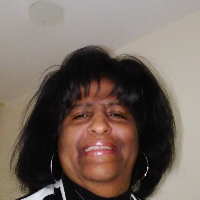
Illinois · 30 yrs exp
LCPC in Illinois focused on family and trauma
Family · Trauma and abuse · Grief · Depression · +7 more
Read profile
Illinois · 34 yrs exp
LCPC focusing on mood and relationship concerns
Stress, Anxiety · Relationship · Grief · Self esteem · +11 more
Read profile
North Dakota · 10 yrs exp
Licensed Clinical Social Worker - stress and trauma
Stress, Anxiety · Relationship · Family · Trauma and abuse · +10 more
Read profile
Georgia · 29 yrs exp
LCSW in Florida and Georgia - stress and addiction care
Stress, Anxiety · Addictions · Relationship · Trauma and abuse · +1 more
Read profile
North Carolina · 20 yrs exp
Licensed counselor for mood and addiction concerns
Stress, Anxiety · Addictions · Anger · Depression · +7 more
Read profile
Florida · 35 yrs exp
LMHC in Florida focusing on mood and life challenges
Stress, Anxiety · Family · Grief · Eating · +16 more
Read profile
Michigan · 20 yrs exp
LMSW focusing on relationship and mood concerns
LGBT · Family · Intimacy-related issues · Parenting · +1 more
Read profile
Delaware · 24 yrs exp
LMFT focused on relationships and family issues
Relationship · Family · Trauma and abuse · Parenting · +14 more
Read profile
Idaho · 18 yrs exp
LCSW focused on mood and life changes
Stress, Anxiety · Trauma and abuse · Grief · Self esteem · +10 more
Read profile
Texas · 12 yrs exp
LPC focusing on trauma and mood concerns
Stress, Anxiety · Trauma and abuse · Eating · Depression · +13 more
Read profile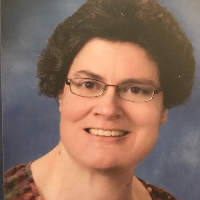
Indiana · 35 yrs exp
LCSW focusing on mood and life transitions
Stress, Anxiety · Grief · Self esteem · Depression · +4 more
Read profile
Michigan · 10 yrs exp
LMSW, LCSW - stress and relationship work
Stress, Anxiety · Anger · Self esteem · Depression · +5 more
Read profile
New Jersey · 25 yrs exp
LPC in New Jersey focusing on stress and relationships
Stress, Anxiety · Family · Trauma and abuse · Grief · +9 more
Read profile
Massachusetts · 30 yrs exp
MA LMFT, MA LMHC working with addiction and family concerns
Addictions · Family · Trauma and abuse · Grief · +16 more
Read profile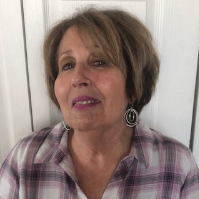
Arizona · 25 yrs exp
Licensed Professional Counselor in Arizona
Stress, Anxiety · Addictions · Relationship · Trauma and abuse · +11 more
Read profile
New York · 25 yrs exp
LCSW in New York focusing on mood and trauma
Stress, Anxiety · Trauma and abuse · Self esteem · Depression · +11 more
Read profileCommunication problems can take many shapes, from frequent misunderstandings in relationships to difficulty expressing needs at work. For some people the issue shows up as trouble naming emotions or describing experiences. For others it can look like repeated arguments that escalate quickly, persistent withdrawal during conversations, or an inability to be heard despite repeated attempts. Communication difficulties may appear in romantic partnerships, among family members, between coworkers, or in social settings. They influence how you feel, how others respond to you, and the quality of your relationships. Problems with tone, timing, body language or listening habits can compound over time, creating patterns that are hard to break without intentional change.
These challenges do not necessarily mean there is a deep pathology at work. They often reflect learned patterns, mismatched communication styles, unmet needs, stress, or differences in cultural or neurodevelopmental backgrounds. You might find that what feels like a small habit - interrupting, avoiding tough topics, or defaulting to silent treatment - ends up shaping the bigger dynamics of a relationship. The impact can be practical, such as missed deadlines or career setbacks, and emotional, such as feeling isolated, misunderstood or resentful. Recognizing the ways communication affects daily life is the first step toward making different choices and creating more constructive interactions.
If conversations regularly end without resolution or leave you feeling drained, irritated or unheard, therapy could help. You may notice that the same conflicts recur with minor variations, that apologies are frequent but change does not last, or that one or both people in a relationship avoid addressing important topics. Difficulties may also surface as an inability to advocate for yourself, trouble setting boundaries, or struggling to read social cues in group settings. These signs matter whether the interactions are with a partner, family members, colleagues or friends. When miscommunication starts to affect your mental well-being, job performance or sense of connection, a focused approach can help you develop new skills and shift entrenched patterns.
You might also benefit from therapy if you want to improve specific communication skills rather than resolve a single conflict. Examples include learning to express needs without blame, receiving feedback in a calmer way, or managing strong emotions while staying connected. If you have a diagnosis or identify as neurodivergent, you may be looking for practical strategies that align with how you process information. Therapy can be a space to practice and refine skills, rehearse difficult conversations, and experiment with different ways of relating so that interactions feel more effective and less exhausting.
In the early sessions you can expect a conversation about what brought you to therapy and what better communication looks like for you. A therapist will typically ask about recurring patterns, recent conflicts and the contexts where difficulties show up. They may explore your communication history - how you learned to speak up or stay silent - and how stressors are currently affecting your interactions. Together you and the therapist will identify goals that are concrete and measurable, such as reducing escalation during arguments, learning clear boundary-setting language, or improving listening skills in the workplace.
After goals are set, many sessions focus on building practical skills and practicing new behaviors. You might work on techniques for active listening, expressing feelings without blame, or using timing and pacing to reduce defensiveness. Therapists often use role play and in-session exercises to help you rehearse conversations in a controlled environment so that you can try them out in real life. If you are in couples or family sessions, the therapist may guide both parties through structured dialogues so that each person has space to speak and to be heard. Progress is generally incremental and may involve revisiting difficult topics multiple times as new patterns emerge.
Therapists use a range of approaches to address communication challenges. Some describe working with cognitive behavioral techniques to help you notice and reframe unhelpful thoughts that trigger reactive communication. Others may emphasize emotion-focused work to support you in identifying and articulating underlying feelings. There are therapists who list experiential or systemic approaches among their methods, which can be useful when patterns are influenced by family dynamics or roles. Mindfulness-based strategies are also common for helping people pause before responding and for increasing present-moment awareness during conversations.
When couples are involved, therapists may describe using structured conversation models to help partners practice turn-taking, reflect back what they heard, and make specific behavioral requests. For those with social communication concerns, therapists who list social skills or pragmatic language approaches can offer concrete strategies for initiating conversations, maintaining topics, and reading nonverbal cues. It is important to remember that a therapist's profile typically lists approaches they use, and that the presence of an approach on a profile does not indicate certification or guaranteed outcomes. Instead, focus on how a therapist explains their work and whether their described methods match what you hope to accomplish.
Online therapy for communication problems often mirrors in-person work but offers convenience and access to a wider pool of clinicians. Sessions are commonly held by video, though some therapists offer phone or messaging options as a supplement. In online sessions you can practice conversations while in a familiar setting, which may help you generalize new skills to your everyday life. Video sessions allow the therapist to observe facial expressions and tone, which supports feedback on nonverbal communication. If you are joining with another person, be mindful of logistics - plan a stable internet connection and a quiet space where both participants can speak without interruption.
When selecting a therapist for communication problems, consider several practical factors. Look at how each therapist describes their focus areas and approaches, and whether those descriptions align with your goals. Pay attention to credentials and professional background as listed on profiles, the languages offered, and any notes about populations they work with, such as couples, families or workplace communication. Read how a therapist explains their approach in plain language - clear descriptions of methods and examples of what a session might look like can help you imagine the fit.
Also think about personal style. Some therapists emphasize pragmatic, skills-based work while others center emotional processing and insight. If a therapist's profile mentions experience with conflict resolution, assertiveness training or social communication strategies, that might be relevant depending on your needs. Using the directory, you can compare profiles to identify therapists who describe approaches and experience that match what you want to work on. Preparing a short list of questions - for example about how they structure sessions or how they measure progress - can help you make an informed choice when you contact a therapist.
Working on communication takes time and practice, but with targeted effort you can expand the ways you express yourself, listen to others and handle difficult conversations. Whether you pursue single-person therapy, couples work or family sessions, a therapist who frames their methods in ways that resonate with you is more likely to support meaningful change. Use the listings below to explore profiles, compare approaches, and find clinicians whose descriptions align with your goals for clearer, more effective communication.
Alabama
31 therapists
Alaska
3 therapists
Arizona
34 therapists
Arkansas
20 therapists
California
266 therapists
Colorado
72 therapists
Connecticut
26 therapists
Delaware
3 therapists
District of Columbia
7 therapists
Florida
252 therapists
Georgia
85 therapists
Hawaii
8 therapists
Idaho
15 therapists
Illinois
102 therapists
Indiana
41 therapists
Iowa
7 therapists
Kansas
20 therapists
Kentucky
30 therapists
Louisiana
42 therapists
Maine
12 therapists
Maryland
68 therapists
Massachusetts
49 therapists
Michigan
79 therapists
Minnesota
40 therapists
Mississippi
17 therapists
Missouri
68 therapists
Montana
13 therapists
Nebraska
18 therapists
Nevada
12 therapists
New Hampshire
7 therapists
New Jersey
57 therapists
New Mexico
14 therapists
New York
173 therapists
North Carolina
118 therapists
North Dakota
5 therapists
Ohio
79 therapists
Oklahoma
30 therapists
Oregon
26 therapists
Pennsylvania
85 therapists
Rhode Island
2 therapists
South Carolina
52 therapists
South Dakota
4 therapists
Tennessee
33 therapists
Texas
263 therapists
Utah
26 therapists
Vermont
4 therapists
Virginia
77 therapists
Washington
52 therapists
West Virginia
7 therapists
Wisconsin
40 therapists
Wyoming
3 therapists