
Velma Jones
LCSWNew York · 29 yrs exp
LCSW - adult mood and relationship concerns
Stress, Anxiety · Relationship · Trauma and abuse · Depression · +10 more
Read profileTherapist listings are provided by BetterHelp. We will earn a commission at no additional cost to you if you use our links to purchase.
This directory highlights clinicians who list social anxiety and phobia as areas of focus. Browse practitioner profiles below to review focus areas, therapeutic approaches, credentials, languages, and experience. Use the listing filters to explore profiles and learn more about options that may fit your needs.
New York · 29 yrs exp
LCSW - adult mood and relationship concerns
Stress, Anxiety · Relationship · Trauma and abuse · Depression · +10 more
Read profile
Ohio · 25 yrs exp
LPCC in Ohio - stress, relationships, trauma
Stress, Anxiety · LGBT · Relationship · Self esteem · +16 more
Read profile
Colorado · 19 yrs exp
LCSW focusing on mood and relationship concerns
Stress, Anxiety · Relationship · Trauma and abuse · Grief · +12 more
Read profile
Florida · 20 yrs exp
Dr. Daniella Jackson, LMHC - addiction and mood concerns
Stress, Anxiety · Addictions · Relationship · Self esteem · +16 more
Read profile
Ohio · 3 yrs exp
LPCC in Ohio - addictions and mood concerns
Addictions · Family · Anger · Depression · +6 more
Read profile
Maryland · 6 yrs exp
LCPC in Maryland - stress and trauma work
Stress, Anxiety · Trauma and abuse · Self esteem · Coping with life changes · +10 more
Read profile
New York · 5 yrs exp
LMHC in New York - mood and relationship work
Stress, Anxiety · LGBT · Trauma and abuse · Bipolar · +12 more
Read profile
Michigan · 5 yrs exp
Licensed Professional Counselor - stress and life transitions
Stress, Anxiety · Relationship · Family · Self esteem · +12 more
Read profile
Pennsylvania · 12 yrs exp
LPCC LMHC - Stress, anxiety, relationships
Stress, Anxiety · Relationship · Self esteem · Depression · +11 more
Read profile
Missouri · 16 yrs exp
LCSW focused on stress, trauma, and mood disorders
Stress, Anxiety · Trauma and abuse · Self esteem · Bipolar · +12 more
Read profile
North Carolina · 10 yrs exp
LCSW, LISW-CP - Stress and relationship work
Stress, Anxiety · Relationship · Family · Bipolar · +16 more
Read profile
Oregon · 14 yrs exp
LPC in Oregon - mood and life transitions
Grief · Self esteem · Career · Depression · +8 more
Read profile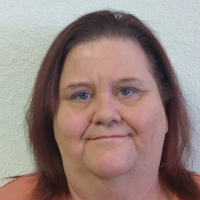
Texas · 9 yrs exp
Licensed Professional Counselor - stress and relationship issues
Stress, Anxiety · Trauma and abuse · Grief · Depression · +12 more
Read profile
Texas · 10 yrs exp
LPC in Texas focusing on anxiety and relationships
Stress, Anxiety · Relationship · Family · Depression · +14 more
Read profile
Michigan · 45 yrs exp
LPC in Michigan focusing on addiction and trauma
Stress, Anxiety · Addictions · Trauma and abuse · Grief · +10 more
Read profile
Ohio · 33 yrs exp
LPCC helping with stress, trauma, mood and relationships
Stress, Anxiety · Family · Trauma and abuse · Self esteem · +12 more
Read profile
Arizona · 20 yrs exp
AZ Psychologist - stress, mood, relationships
Stress, Anxiety · Addictions · Grief · Self esteem · +14 more
Read profile
Georgia · 18 yrs exp
Licensed Professional Counselor - relationship and trauma focus
Stress, Anxiety · Relationship · Family · Trauma and abuse · +10 more
Read profile
Florida · 30 yrs exp
FL Psychologist focused on practical solutions
Stress, Anxiety · Grief · Anger · Depression · +15 more
Read profile
Texas · 6 yrs exp
LCSW focused on relationships and family concerns
Relationship · Family · Parenting · Self esteem · +7 more
Read profile
Florida · 20 yrs exp
LMHC LPCC focused on stress and addiction
Stress, Anxiety · Addictions · Relationship · Trauma and abuse · +15 more
Read profile
Texas · 20 yrs exp
LICSW, LCSW in Texas - Stress and relationship issues
Stress, Anxiety · Addictions · Family · Grief · +15 more
Read profile
Florida · 20 yrs exp
LMHC in Florida specializing in mood and relationship concerns
Stress, Anxiety · Grief · Self esteem · Depression · +9 more
Read profile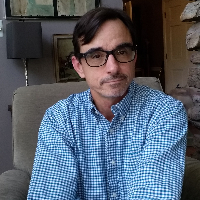
Arkansas · 23 yrs exp
LPC in Arkansas focusing on mood and relationship concerns
Stress, Anxiety · Trauma and abuse · Anger · Self esteem · +11 more
Read profile
Florida · 10 yrs exp
LCSW focused on anxiety and trauma
Stress, Anxiety · Trauma and abuse · Grief · Depression · +12 more
Read profile
Louisiana · 14 yrs exp
Licensed Professional Counselor - stress and relationship focus
Stress, Anxiety · Parenting · Anger · Self esteem · +1 more
Read profile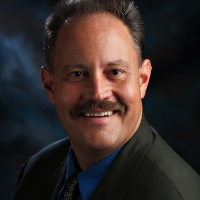
Louisiana · 25 yrs exp
LPC - Addictions, trauma, relationships
Addictions · Relationship · Family · Trauma and abuse · +11 more
Read profile
Michigan · 31 yrs exp
Licensed Professional Counselor in Michigan, focus on mood and behavior
Stress, Anxiety · Addictions · Self esteem · Career · +5 more
Read profile
Oregon · 17 yrs exp
LMFT working with stress, trauma, grief, depression
Stress, Anxiety · Trauma and abuse · Grief · Intimacy-related issues · +1 more
Read profile
New York · 14 yrs exp
LCSW - Stress, anxiety, relationships
Stress, Anxiety · Relationship · Trauma and abuse · Self esteem · +5 more
Read profile
New York · 18 yrs exp
LMHC focusing on stress and relationships
Stress, Anxiety · Relationship · Parenting · Anger · +1 more
Read profile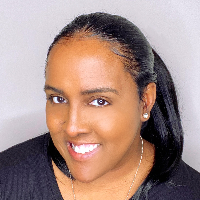
North Carolina · 20 yrs exp
LCSW focusing on mood and addiction concerns
Stress, Anxiety · Addictions · Family · Career · +16 more
Read profile
Colorado · 13 yrs exp
Licensed Marriage and Family Therapist - adult concerns
Stress, Anxiety · LGBT · Relationship · Trauma and abuse · +10 more
Read profile
North Carolina · 20 yrs exp
LPC, LCMHC - Stress and addiction support
Stress, Anxiety · Parenting · Self esteem · Depression · +15 more
Read profile
Missouri · 23 yrs exp
LPC in Missouri focusing on mood and relationships
Stress, Anxiety · Relationship · Trauma and abuse · Depression · +9 more
Read profile
Texas · 35 yrs exp
LCSW-C and LCSW focusing on trauma and relationships
Stress, Anxiety · Relationship · Family · Trauma and abuse · +14 more
Read profile
Illinois · 5 yrs exp
IL Psychologist focusing on stress and mood
Stress, Anxiety · Relationship · Trauma and abuse · Depression · +12 more
Read profile
Illinois · 34 yrs exp
LCPC focusing on mood and relationship concerns
Stress, Anxiety · Relationship · Grief · Self esteem · +11 more
Read profile
North Dakota · 10 yrs exp
Licensed Clinical Social Worker - stress and trauma
Stress, Anxiety · Relationship · Family · Trauma and abuse · +10 more
Read profile
North Carolina · 20 yrs exp
Licensed counselor for mood and addiction concerns
Stress, Anxiety · Addictions · Anger · Depression · +7 more
Read profile
Florida · 35 yrs exp
LMHC in Florida focusing on mood and life challenges
Stress, Anxiety · Family · Grief · Eating · +16 more
Read profile
Delaware · 24 yrs exp
LMFT focused on relationships and family issues
Relationship · Family · Trauma and abuse · Parenting · +14 more
Read profile
Idaho · 18 yrs exp
LCSW focused on mood and life changes
Stress, Anxiety · Trauma and abuse · Grief · Self esteem · +10 more
Read profile
New Jersey · 25 yrs exp
LPC in New Jersey focusing on stress and relationships
Stress, Anxiety · Family · Trauma and abuse · Grief · +9 more
Read profile
Arizona · 25 yrs exp
Licensed Professional Counselor in Arizona
Stress, Anxiety · Addictions · Relationship · Trauma and abuse · +11 more
Read profile
New York · 25 yrs exp
LCSW in New York focusing on mood and trauma
Stress, Anxiety · Trauma and abuse · Self esteem · Depression · +11 more
Read profile
Washington · 50 yrs exp
LMHC in Washington - trauma, mood, relationship work
Stress, Anxiety · Trauma and abuse · Intimacy-related issues · Self esteem · +15 more
Read profile
Virginia · 13 yrs exp
Licensed Professional Counselor - stress and relationships
Stress, Anxiety · Family · Trauma and abuse · Parenting · +12 more
Read profile
Colorado · 18 yrs exp
LPC LCPC - stress, mood, and behavior work
Stress, Anxiety · Addictions · Relationship · Self esteem · +15 more
Read profile
New York · 20 yrs exp
LCSW focused on stress and relationships
Stress, Anxiety · Addictions · Relationship · Self esteem · +9 more
Read profile
Michigan · 33 yrs exp
MI Psychologist working with anxiety and life changes
Stress, Anxiety · Parenting · Coping with life changes · Addictions · +7 more
Read profile
Ohio · 13 yrs exp
LIMFT, LPCC - stress, relationships, trauma
Stress, Anxiety · Relationship · Family · Parenting · +13 more
Read profile
Florida · 13 yrs exp
LMHC in Florida - Stress, Relationships, Addictions
Stress, Anxiety · Trauma and abuse · Anger · Depression · +11 more
Read profile
Minnesota · 3 yrs exp
LICSW LCSW - Stress, Anxiety, Addictions
Stress, Anxiety · Addictions · Trauma and abuse · Bipolar · +5 more
Read profile
Florida · 30 yrs exp
LCSW supporting stress, mood, and relationship concerns
Stress, Anxiety · Trauma and abuse · Self esteem · Depression · +11 more
Read profile
New York · 20 yrs exp
LCSW in New York focusing on stress and relationships
Stress, Anxiety · Addictions · Relationship · Career · +5 more
Read profile
South Dakota · 8 yrs exp
LPC LPC-MH in South Dakota - stress and trauma
Stress, Anxiety · Relationship · Trauma and abuse · Career · +1 more
Read profile
Michigan · 10 yrs exp
LMSW, LISW - depression, anxiety, trauma
Addictions · Relationship · Trauma and abuse · Self esteem · +16 more
Read profile
Florida · 21 yrs exp
LCSW focused on relationships and life changes
Stress, Anxiety · Relationship · Family · Eating · +16 more
Read profile
Oklahoma · 23 yrs exp
Licensed Professional Counselor - stress, anxiety, trauma
Stress, Anxiety · Relationship · Trauma and abuse · Self esteem · +15 more
Read profileSocial anxiety and specific social phobias involve intense worry about social situations and the possibility of negative judgment. For some people the anxiety centers on everyday interactions such as speaking with coworkers, attending social gatherings, or making small talk with strangers. For others it may focus on a narrower set of situations like public speaking, meeting authority figures, or eating in public. The experience can include persistent fear, mind racing, heart palpitations, sweating, or an urge to avoid the situation altogether. These reactions can interfere with routines in work, school, relationships, and personal goals.
Social anxiety often develops gradually and can be fueled by past experiences, learned patterns of thinking, temperament, and social expectations. It does not mean there is anything wrong with you as a person. Rather, it signals an area where targeted support and practice can change how you respond in social situations. Many people who seek help are aiming to reduce the hold that worry and avoidance have on daily life, to build confidence in interactions, and to pursue activities they value without constant fear of judgment.
If you frequently avoid social events, decline invitations, or find yourself rehearsing conversations long before they happen, those behaviors can be clues that social anxiety is affecting your life. You might notice that everyday tasks like introducing yourself, speaking up in meetings, or making phone calls cause disproportionate distress. Physical symptoms such as shaking, blushing, nausea, or trouble breathing in social settings are also common and can be deeply unsettling. Even if avoidance feels like the only way to manage overwhelming anxiety, it often leads to increased isolation and lost opportunities over time.
Another sign that therapy could be helpful is when worry about social interactions starts to shape decisions around work, education, or relationships. You may find it difficult to pursue promotions, attend classes, or form new friendships because of anticipatory anxiety. If attempts to self-manage through avoidance, reassurance-seeking, or safety behaviors are no longer working, therapy can offer tools to change patterns in a gradual and manageable way. Seeking support does not require a crisis - many people engage with therapy to build skills and regain a sense of choice in social life.
When you start therapy for social anxiety, the initial phase typically involves creating a clear picture of what triggers your fear, how you respond emotionally and physically, and what you hope to change. Early sessions often include assessment and collaborative goal-setting so the therapist can tailor strategies to your priorities. You can expect a mix of conversation, skill-building exercises, and planning for real-life practice. The pace is usually adjusted to what feels manageable while still providing opportunities to stretch avoidant patterns.
Therapy often incorporates gradual exposure to feared situations combined with techniques to shift unhelpful thinking and bodily responses. Sessions may include role-plays to rehearse interactions, exercises to notice and test anxious predictions, and attention to breathing and grounding techniques to reduce physical arousal. Homework between sessions is common because real-world practice helps translate new skills into everyday life. Your therapist should explain the rationale for each exercise and work with you to identify steps that feel doable, which builds confidence as you progress.
Many therapists work with people experiencing social anxiety using approaches that address thought patterns, behaviors, and the body’s stress response. Cognitive-behavioral strategies are frequently used to help you notice thinking patterns that increase worry, test assumptions about social danger, and develop alternative ways of interpreting interactions. Exposure-based methods focus on gradual, repeated practice in feared situations so that anxiety decreases over time and you can learn that avoidance is not the only way to respond.
Other clinicians may incorporate acceptance-based or mindfulness approaches that teach you to relate differently to anxious thoughts and sensations without trying to eliminate them immediately. Some therapists include interpersonal techniques to strengthen social skills, boundaries, and assertiveness. When discussing therapy options in therapist profiles, look for language that indicates which approaches a clinician uses rather than assuming a credential guarantees expertise. For example, profiles may note therapists who list cognitive-behavioral therapy, exposure therapy, acceptance and commitment approaches, mindfulness, or interpersonal therapy among their approaches. These descriptions can help you identify clinicians whose methods align with your preferences for change and learning style.
Online therapy expands access by allowing you to meet with a therapist from a location that feels comfortable to you. Sessions typically take place through video or, in some cases, phone or messaging formats. Many people find that starting therapy from a familiar setting can reduce the initial stress of attending appointments and make it easier to focus on skills and goals. Online sessions can be particularly useful when practicing exposures that occur in everyday environments, because your therapist can help you plan and debrief real-world exercises that take place between meetings.
When using online care, it is helpful to choose a quiet room and a reliable internet connection to make the most of session time. Discuss with any prospective therapist how they approach online work, how they structure sessions, and what types of homework or between-session support they provide. Some clinicians outline how they adapt exposure exercises or role-plays for virtual sessions. Profiles on this site often indicate whether a therapist lists online or telehealth among their approaches and may describe communication preferences and languages spoken. Selecting a method that matches your comfort with technology and the kind of practice you want to do will help you get the most out of online sessions.
Choosing a therapist is a personal decision that often hinges on fit more than formal credentials alone. Start by clarifying what you want to change and what approach appeals to you - whether that is a skills-oriented plan, a focus on thought patterns, a mindfulness-based path, or interpersonal practice. Read practitioner profiles to see which clinicians list social anxiety or social phobia among their focus areas and which mention approaches that resonate with your goals. Pay attention to languages spoken and life experience that may make it easier for you to connect during sessions.
Consider how you prefer to work - some people want structured homework and measurable exposure plans, while others prioritize a reflective, insight-oriented process. Look for profiles that describe a therapist’s style and the kinds of supports they use, such as in-session role-plays, between-session exercises, or relaxation and grounding strategies. It can also help to think about practical details like session length and communication methods, then reach out to a few profiles that feel promising to learn more about their approach. Over time, as you meet with a clinician, you will get a clearer sense of whether the working relationship and methods feel like a good match for your path forward.
Managing social anxiety often involves a combination of learning new skills, practicing in real life, and adjusting expectations about progress. Change is typically gradual, and success can look like increased willingness to face social situations, more comfortable interactions, or the ability to pursue valued activities despite occasional anxiety. By reviewing profiles on this site and choosing a clinician whose stated approaches align with your goals, you give yourself a practical starting point. The process is collaborative - you and your therapist will shape a plan that honors where you are now and where you want to go.
Alabama
31 therapists
Alaska
3 therapists
Arizona
34 therapists
Arkansas
20 therapists
California
266 therapists
Colorado
72 therapists
Connecticut
26 therapists
Delaware
3 therapists
District of Columbia
7 therapists
Florida
252 therapists
Georgia
85 therapists
Hawaii
8 therapists
Idaho
15 therapists
Illinois
102 therapists
Indiana
41 therapists
Iowa
7 therapists
Kansas
20 therapists
Kentucky
30 therapists
Louisiana
42 therapists
Maine
12 therapists
Maryland
68 therapists
Massachusetts
49 therapists
Michigan
79 therapists
Minnesota
40 therapists
Mississippi
17 therapists
Missouri
68 therapists
Montana
13 therapists
Nebraska
18 therapists
Nevada
12 therapists
New Hampshire
7 therapists
New Jersey
57 therapists
New Mexico
14 therapists
New York
173 therapists
North Carolina
118 therapists
North Dakota
5 therapists
Ohio
79 therapists
Oklahoma
30 therapists
Oregon
26 therapists
Pennsylvania
85 therapists
Rhode Island
2 therapists
South Carolina
52 therapists
South Dakota
4 therapists
Tennessee
33 therapists
Texas
263 therapists
Utah
26 therapists
Vermont
4 therapists
Virginia
77 therapists
Washington
52 therapists
West Virginia
7 therapists
Wisconsin
40 therapists
Wyoming
3 therapists