
Velma Jones
LCSWNew York · 29 yrs exp
LCSW - adult mood and relationship concerns
Stress, Anxiety · Relationship · Trauma and abuse · Depression · +10 more
Read profileTherapist listings are provided by BetterHelp. We will earn a commission at no additional cost to you if you use our links to purchase.
Browse therapists who list control issues as a specialty, including clinicians who address perfectionism, anxiety, and relationship control. Use the listings below to compare approaches, credentials, languages, and experience as you seek support.
New York · 29 yrs exp
LCSW - adult mood and relationship concerns
Stress, Anxiety · Relationship · Trauma and abuse · Depression · +10 more
Read profile
Ohio · 25 yrs exp
LPCC in Ohio - stress, relationships, trauma
Stress, Anxiety · LGBT · Relationship · Self esteem · +16 more
Read profile
Colorado · 19 yrs exp
LCSW focusing on mood and relationship concerns
Stress, Anxiety · Relationship · Trauma and abuse · Grief · +12 more
Read profile
South Carolina · 16 yrs exp
LMFT - Stress, Relationships, Trauma
Stress, Anxiety · Relationship · Family · Parenting · +14 more
Read profile
Florida · 20 yrs exp
Dr. Daniella Jackson, LMHC - addiction and mood concerns
Stress, Anxiety · Addictions · Relationship · Self esteem · +16 more
Read profile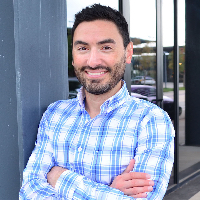
Kansas · 15 yrs exp
LCPC, LPC - Stress anxiety relationship support
Stress, Anxiety · Relationship · Family · Trauma and abuse · +14 more
Read profile
Illinois · 20 yrs exp
Licensed Clinical Social Worker - stress and life changes
Stress, Anxiety · Relationship · Parenting · Self esteem · +7 more
Read profile
Maryland · 6 yrs exp
LCPC in Maryland - stress and trauma work
Stress, Anxiety · Trauma and abuse · Self esteem · Coping with life changes · +10 more
Read profile
Michigan · 5 yrs exp
Licensed Professional Counselor - stress and life transitions
Stress, Anxiety · Relationship · Family · Self esteem · +12 more
Read profile
Pennsylvania · 12 yrs exp
LPCC LMHC - Stress, anxiety, relationships
Stress, Anxiety · Relationship · Self esteem · Depression · +11 more
Read profile
North Carolina · 10 yrs exp
LCSW, LISW-CP - Stress and relationship work
Stress, Anxiety · Relationship · Family · Bipolar · +16 more
Read profile
Oregon · 14 yrs exp
LPC in Oregon - mood and life transitions
Grief · Self esteem · Career · Depression · +8 more
Read profile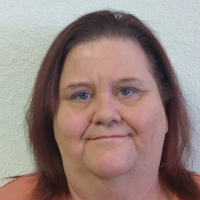
Texas · 9 yrs exp
Licensed Professional Counselor - stress and relationship issues
Stress, Anxiety · Trauma and abuse · Grief · Depression · +12 more
Read profile
Texas · 10 yrs exp
LPC in Texas focusing on anxiety and relationships
Stress, Anxiety · Relationship · Family · Depression · +14 more
Read profile
Michigan · 45 yrs exp
LPC in Michigan focusing on addiction and trauma
Stress, Anxiety · Addictions · Trauma and abuse · Grief · +10 more
Read profile
Ohio · 33 yrs exp
LPCC helping with stress, trauma, mood and relationships
Stress, Anxiety · Family · Trauma and abuse · Self esteem · +12 more
Read profile
Georgia · 18 yrs exp
Licensed Professional Counselor - relationship and trauma focus
Stress, Anxiety · Relationship · Family · Trauma and abuse · +10 more
Read profile
Texas · 20 yrs exp
LICSW, LCSW in Texas - Stress and relationship issues
Stress, Anxiety · Addictions · Family · Grief · +15 more
Read profile
Florida · 20 yrs exp
LMHC in Florida specializing in mood and relationship concerns
Stress, Anxiety · Grief · Self esteem · Depression · +9 more
Read profile
Ohio · 20 yrs exp
LISW in Ohio - stress, trauma, mood concerns
Stress, Anxiety · LGBT · Family · Grief · +16 more
Read profile
Arkansas · 23 yrs exp
LPC in Arkansas focusing on mood and relationship concerns
Stress, Anxiety · Trauma and abuse · Anger · Self esteem · +11 more
Read profile
Louisiana · 14 yrs exp
Licensed Professional Counselor - stress and relationship focus
Stress, Anxiety · Parenting · Anger · Self esteem · +1 more
Read profile
Oregon · 17 yrs exp
LMFT working with stress, trauma, grief, depression
Stress, Anxiety · Trauma and abuse · Grief · Intimacy-related issues · +1 more
Read profile
New York · 18 yrs exp
LMHC focusing on stress and relationships
Stress, Anxiety · Relationship · Parenting · Anger · +1 more
Read profile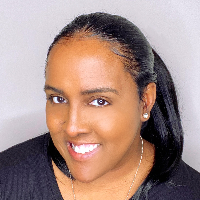
North Carolina · 20 yrs exp
LCSW focusing on mood and addiction concerns
Stress, Anxiety · Addictions · Family · Career · +16 more
Read profile
Colorado · 13 yrs exp
Licensed Marriage and Family Therapist - adult concerns
Stress, Anxiety · LGBT · Relationship · Trauma and abuse · +10 more
Read profile
North Carolina · 20 yrs exp
LPC, LCMHC - Stress and addiction support
Stress, Anxiety · Parenting · Self esteem · Depression · +15 more
Read profile
Nevada · 25 yrs exp
LMFT for relationship and family concerns
Stress, Anxiety · Relationship · Family · Trauma and abuse · +1 more
Read profile
Illinois · 5 yrs exp
IL Psychologist focusing on stress and mood
Stress, Anxiety · Relationship · Trauma and abuse · Depression · +12 more
Read profile
Illinois · 30 yrs exp
LCPC in Illinois focused on family and trauma
Family · Trauma and abuse · Grief · Depression · +7 more
Read profile
Illinois · 34 yrs exp
LCPC focusing on mood and relationship concerns
Stress, Anxiety · Relationship · Grief · Self esteem · +11 more
Read profile
North Dakota · 10 yrs exp
Licensed Clinical Social Worker - stress and trauma
Stress, Anxiety · Relationship · Family · Trauma and abuse · +10 more
Read profile
Georgia · 29 yrs exp
LCSW in Florida and Georgia - stress and addiction care
Stress, Anxiety · Addictions · Relationship · Trauma and abuse · +1 more
Read profile
North Carolina · 20 yrs exp
Licensed counselor for mood and addiction concerns
Stress, Anxiety · Addictions · Anger · Depression · +7 more
Read profile
Florida · 35 yrs exp
LMHC in Florida focusing on mood and life challenges
Stress, Anxiety · Family · Grief · Eating · +16 more
Read profile
Michigan · 20 yrs exp
LMSW focusing on relationship and mood concerns
LGBT · Family · Intimacy-related issues · Parenting · +1 more
Read profile
Delaware · 24 yrs exp
LMFT focused on relationships and family issues
Relationship · Family · Trauma and abuse · Parenting · +14 more
Read profile
Idaho · 18 yrs exp
LCSW focused on mood and life changes
Stress, Anxiety · Trauma and abuse · Grief · Self esteem · +10 more
Read profile
Texas · 12 yrs exp
LPC focusing on trauma and mood concerns
Stress, Anxiety · Trauma and abuse · Eating · Depression · +13 more
Read profile
New Jersey · 25 yrs exp
LPC in New Jersey focusing on stress and relationships
Stress, Anxiety · Family · Trauma and abuse · Grief · +9 more
Read profile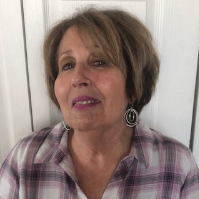
Arizona · 25 yrs exp
Licensed Professional Counselor in Arizona
Stress, Anxiety · Addictions · Relationship · Trauma and abuse · +11 more
Read profile
Mississippi · 16 yrs exp
LPC focused on anxiety, trauma, and family concerns
Stress, Anxiety · Family · Anger · Depression · +8 more
Read profile
Virginia · 13 yrs exp
Licensed Professional Counselor - stress and relationships
Stress, Anxiety · Family · Trauma and abuse · Parenting · +12 more
Read profile
Colorado · 18 yrs exp
LPC LCPC - stress, mood, and behavior work
Stress, Anxiety · Addictions · Relationship · Self esteem · +15 more
Read profile
Ohio · 13 yrs exp
LIMFT, LPCC - stress, relationships, trauma
Stress, Anxiety · Relationship · Family · Parenting · +13 more
Read profile
Florida · 13 yrs exp
LMHC in Florida - Stress, Relationships, Addictions
Stress, Anxiety · Trauma and abuse · Anger · Depression · +11 more
Read profile
Minnesota · 3 yrs exp
LICSW LCSW - Stress, Anxiety, Addictions
Stress, Anxiety · Addictions · Trauma and abuse · Bipolar · +5 more
Read profile
Florida · 30 yrs exp
LCSW supporting stress, mood, and relationship concerns
Stress, Anxiety · Trauma and abuse · Self esteem · Depression · +11 more
Read profile
South Dakota · 8 yrs exp
LPC LPC-MH in South Dakota - stress and trauma
Stress, Anxiety · Relationship · Trauma and abuse · Career · +1 more
Read profile
Michigan · 10 yrs exp
LMSW, LISW - depression, anxiety, trauma
Addictions · Relationship · Trauma and abuse · Self esteem · +16 more
Read profile
Florida · 21 yrs exp
LCSW focused on relationships and life changes
Stress, Anxiety · Relationship · Family · Eating · +16 more
Read profile
Oklahoma · 23 yrs exp
Licensed Professional Counselor - stress, anxiety, trauma
Stress, Anxiety · Relationship · Trauma and abuse · Self esteem · +15 more
Read profile
Florida · 30 yrs exp
LMHC in Florida - stress, anxiety, addictions
Stress, Anxiety · Addictions · Anger · Self esteem · +1 more
Read profile
Wisconsin · 15 yrs exp
Licensed Professional Counselor - stress and relationship work
Stress, Anxiety · Addictions · Relationship · Depression · +15 more
Read profile
Pennsylvania · 28 yrs exp
Licensed Professional Counselor - addictions and relationship work
Addictions · Relationship · Family · Trauma and abuse · +3 more
Read profile
Texas · 17 yrs exp
LPC, LMFT in Texas focused on mood and relationships
Stress, Anxiety · Relationship · Family · Trauma and abuse · +11 more
Read profile
Texas · 20 yrs exp
LPC in Texas helping with stress and relationships
Stress, Anxiety · Relationship · Trauma and abuse · Depression · +11 more
Read profile
Michigan · 9 yrs exp
LMSW in Michigan - stress, addiction, relationships
Stress, Anxiety · Addictions · Relationship · Trauma and abuse · +15 more
Read profile
Florida · 12 yrs exp
LMHC LPC - relationship and mood concerns
Relationship · Self esteem · Depression · Coping with life changes · +9 more
Read profile
Michigan · 32 yrs exp
LMSW focused on relationship and mood concerns
Stress, Anxiety · Relationship · Trauma and abuse · Self esteem · +16 more
Read profileControl issues show up in many forms and they shape how you experience work, relationships, and yourself. For some people this looks like an intense need to plan and predict every outcome so that anxiety feels managed. For others it appears as perfectionism that turns small tasks into long, draining efforts or as micromanaging at work and at home that strains relationships. Control can also be expressed by avoiding situations where you might feel vulnerable, or by relying on rigid routines to maintain a sense of safety. These patterns often develop as ways to manage distress - they can feel necessary and effective in the moment but become limiting over time.
When control becomes the default way you respond to uncertainty, you might notice reduced flexibility, chronic tension, and difficulty letting others take responsibility. You may also experience cycles of intense effort followed by exhaustion, or find that your attempts to maintain control actually create more conflict in important relationships. Understanding these dynamics is the first step toward change. Therapy can help you explore the underlying reasons you rely on control and rehearse alternative ways of coping that leave space for ease, growth, and more authentic connection.
You may be considering therapy because the strategies you use to stay in control are no longer serving you. Common indications include persistent worry about uncertainty, difficulty delegating tasks, and an overwhelming need to have things done a certain way. You might notice that social interactions become tense when things are unpredictable, or that you withdraw when someone challenges your plans. Feelings of shame or anger can surface when expectations are unmet, and you might criticize yourself harshly when standards are not reached.
Other signs include procrastination driven by fear of imperfection, an inability to relax even during downtime, and repeated conflicts with partners, family members, or coworkers about decision-making. Physically you may experience muscle tightness, sleep disruption, or headaches tied to constant striving. If you find that these patterns interfere with work performance, relationships, or your sense of well-being, speaking with a therapist who focuses on control issues can give you a clearer roadmap for change. Therapy is a space where you can explore what control provides for you and practice new ways of responding that support the life you want to build.
When you begin therapy for control issues, sessions typically start with exploration - your therapist will invite you to describe patterns, triggers, and the costs and benefits of holding tight to control. You can expect an emphasis on understanding the historical and emotional roots of control behavior, including how early experiences, stress, or trauma may have shaped your coping strategies. The early phase often involves mapping the patterns you notice in everyday situations so you and your therapist can target the most impactful areas for change.
As therapy progresses, you will likely engage in both insight-oriented work and practical skill-building. Insight work helps you recognize the beliefs and emotions that fuel control, while skill-building provides concrete alternatives - for example, strategies for tolerating uncertainty, communicating needs without domination, and pacing tasks to reduce overwhelm. Homework between sessions may include experiments in allowing small amounts of unpredictability or practicing communication scripts that invite collaboration rather than control. Over time you will learn to notice automatic responses, choose different actions, and test new outcomes in a way that helps you build confidence without reverting to old patterns.
Therapists use a range of approaches to address control issues, and many people benefit from a combination tailored to their needs. Cognitive Behavioral Therapy is often applied to identify and shift the unhelpful thoughts that maintain perfectionism and rigid standards. If you are exploring emotional avoidance, therapists who list Acceptance and Commitment Therapy among their approaches may focus on expanding your capacity to tolerate uncomfortable feelings while aligning actions with your values. Therapists who list Dialectical Behavior Therapy among their approaches may teach emotion regulation and distress tolerance skills that reduce the urge to control external circumstances.
For people whose control patterns are rooted in relational experiences, psychodynamic approaches can offer a way to trace current patterns back to earlier relationships and expectations. Therapists who list internal systems or parts-based approaches among their methods may help you dialogue with the parts of yourself that insist on control so that those parts feel heard rather than constantly driving behavior. When trauma is a factor, therapists who mention trauma-informed care or therapies such as EMDR among their approaches may address how past events shaped your relationship to safety and predictability. Remember that when you read profiles, a therapist listing an approach is not the same as formal certification - it simply indicates a modality they use in practice.
Choosing an approach often depends on whether you want symptom-focused change, deeper relational work, or a mix of both. If your immediate goal is to reduce anxiety around uncertainty, short-term skills-based work can be helpful. If you want to understand why control became central to your coping, longer-term therapy that explores history and attachment patterns may be more appropriate. Many therapists blend techniques so you can build practical skills while also addressing underlying emotional drivers.
Online therapy offers a way to engage in this work from your home or another comfortable environment, which can reduce barriers like travel and scheduling. In virtual sessions you can still expect assessment, collaborative goal-setting, and a mix of conversation and experiential exercises. Therapy online can be particularly useful for practicing tolerating uncertainty in real-world contexts - you can try small experiments between sessions and discuss them with your therapist soon after they occur. Many people find that the ability to integrate practice into daily life speeds learning because you can immediately apply new ways of responding to situations as they arise.
When you review profiles, look for therapists who describe work with control-related concerns or list approaches that match your preferences. Pay attention to the ways therapists talk about change - some emphasize skills and measurable strategies, while others highlight exploratory, relational, or trauma-related work. Consider what feels most relevant to your goals: do you want to reduce anxiety and perfectionism quickly, or are you more interested in understanding long-standing patterns? Also note practical features such as languages spoken, professional credentials, and described areas of specialization. It can be helpful to prioritize a therapist whose tone in their profile resonates with you, since a good fit in communication style often supports accountability and progress.
Finally, be patient with the process. Finding a therapist who aligns with your needs sometimes takes time, and early sessions are an opportunity to assess whether the therapist’s approach and rhythm match your preferences. You can bring specific goals to the first meetings and ask how the therapist typically structures work on control issues. With clear goals and collaborative effort, therapy can help you shift from managing life through control to leading a life guided by values, connection, and greater emotional flexibility.
Alabama
31 therapists
Alaska
3 therapists
Arizona
34 therapists
Arkansas
20 therapists
California
266 therapists
Colorado
72 therapists
Connecticut
26 therapists
Delaware
3 therapists
District of Columbia
7 therapists
Florida
252 therapists
Georgia
85 therapists
Hawaii
8 therapists
Idaho
15 therapists
Illinois
102 therapists
Indiana
41 therapists
Iowa
7 therapists
Kansas
20 therapists
Kentucky
30 therapists
Louisiana
42 therapists
Maine
12 therapists
Maryland
68 therapists
Massachusetts
49 therapists
Michigan
79 therapists
Minnesota
40 therapists
Mississippi
17 therapists
Missouri
68 therapists
Montana
13 therapists
Nebraska
18 therapists
Nevada
12 therapists
New Hampshire
7 therapists
New Jersey
57 therapists
New Mexico
14 therapists
New York
173 therapists
North Carolina
118 therapists
North Dakota
5 therapists
Ohio
79 therapists
Oklahoma
30 therapists
Oregon
26 therapists
Pennsylvania
85 therapists
Rhode Island
2 therapists
South Carolina
52 therapists
South Dakota
4 therapists
Tennessee
33 therapists
Texas
263 therapists
Utah
26 therapists
Vermont
4 therapists
Virginia
77 therapists
Washington
52 therapists
West Virginia
7 therapists
Wisconsin
40 therapists
Wyoming
3 therapists