
Velma Jones
LCSWNew York · 29 yrs exp
LCSW - adult mood and relationship concerns
Stress, Anxiety · Relationship · Trauma and abuse · Depression · +10 more
Read profileTherapist listings are provided by BetterHelp. We will earn a commission at no additional cost to you if you use our links to purchase.
Browse profiles of therapists who list ADHD as a specialty, including their focus areas, approaches, credentials, languages, and experience. Use the listings below to explore practitioners and read biographical notes that describe how they work with ADHD.
New York · 29 yrs exp
LCSW - adult mood and relationship concerns
Stress, Anxiety · Relationship · Trauma and abuse · Depression · +10 more
Read profile
Ohio · 25 yrs exp
LPCC in Ohio - stress, relationships, trauma
Stress, Anxiety · LGBT · Relationship · Self esteem · +16 more
Read profile
South Carolina · 16 yrs exp
LMFT - Stress, Relationships, Trauma
Stress, Anxiety · Relationship · Family · Parenting · +14 more
Read profile
Florida · 20 yrs exp
Dr. Daniella Jackson, LMHC - addiction and mood concerns
Stress, Anxiety · Addictions · Relationship · Self esteem · +16 more
Read profile
Kansas · 15 yrs exp
LCPC, LPC - Stress anxiety relationship support
Stress, Anxiety · Relationship · Family · Trauma and abuse · +14 more
Read profile
Florida · 39 yrs exp
LMHC - Relationship and stress counseling
Stress, Anxiety · Relationship · Family · Parenting · +14 more
Read profile
New York · 5 yrs exp
LMHC in New York - mood and relationship work
Stress, Anxiety · LGBT · Trauma and abuse · Bipolar · +12 more
Read profile
Michigan · 5 yrs exp
Licensed Professional Counselor - stress and life transitions
Stress, Anxiety · Relationship · Family · Self esteem · +12 more
Read profile
Pennsylvania · 12 yrs exp
LPCC LMHC - Stress, anxiety, relationships
Stress, Anxiety · Relationship · Self esteem · Depression · +11 more
Read profile
Missouri · 16 yrs exp
LCSW focused on stress, trauma, and mood disorders
Stress, Anxiety · Trauma and abuse · Self esteem · Bipolar · +12 more
Read profile
North Carolina · 10 yrs exp
LCSW, LISW-CP - Stress and relationship work
Stress, Anxiety · Relationship · Family · Bipolar · +16 more
Read profile
Oregon · 14 yrs exp
LPC in Oregon - mood and life transitions
Grief · Self esteem · Career · Depression · +8 more
Read profile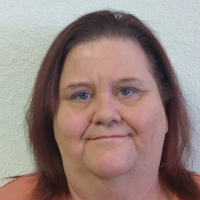
Texas · 9 yrs exp
Licensed Professional Counselor - stress and relationship issues
Stress, Anxiety · Trauma and abuse · Grief · Depression · +12 more
Read profile
Texas · 10 yrs exp
LPC in Texas focusing on anxiety and relationships
Stress, Anxiety · Relationship · Family · Depression · +14 more
Read profile
Ohio · 33 yrs exp
LPCC helping with stress, trauma, mood and relationships
Stress, Anxiety · Family · Trauma and abuse · Self esteem · +12 more
Read profile
Arizona · 20 yrs exp
AZ Psychologist - stress, mood, relationships
Stress, Anxiety · Addictions · Grief · Self esteem · +14 more
Read profile
Louisiana · 22 yrs exp
LMFT LPC - Anxiety, Mood, Trauma
Stress, Anxiety · Relationship · Family · Grief · +11 more
Read profile
Florida · 30 yrs exp
FL Psychologist focused on practical solutions
Stress, Anxiety · Grief · Anger · Depression · +15 more
Read profile
Nevada · 20 yrs exp
LCPC, LMHC working with stress and relationships
Stress, Anxiety · Addictions · Relationship · Family · +15 more
Read profile
Florida · 20 yrs exp
LMHC LPCC focused on stress and addiction
Stress, Anxiety · Addictions · Relationship · Trauma and abuse · +15 more
Read profile
Texas · 20 yrs exp
LICSW, LCSW in Texas - Stress and relationship issues
Stress, Anxiety · Addictions · Family · Grief · +15 more
Read profile
Ohio · 20 yrs exp
LISW in Ohio - stress, trauma, mood concerns
Stress, Anxiety · LGBT · Family · Grief · +16 more
Read profile
Arkansas · 23 yrs exp
LPC in Arkansas focusing on mood and relationship concerns
Stress, Anxiety · Trauma and abuse · Anger · Self esteem · +11 more
Read profile
Florida · 10 yrs exp
LCSW focused on anxiety and trauma
Stress, Anxiety · Trauma and abuse · Grief · Depression · +12 more
Read profile
Michigan · 10 yrs exp
LPC in Michigan focusing on mood and relationship issues
Stress, Anxiety · Family · Trauma and abuse · Grief · +12 more
Read profile
California · 5 yrs exp
LMFT focused on relationships and life changes
Relationship · Grief · Parenting · Self esteem · +11 more
Read profile
North Carolina · 20 yrs exp
LCSW focusing on mood and addiction concerns
Stress, Anxiety · Addictions · Family · Career · +16 more
Read profile
Colorado · 13 yrs exp
Licensed Marriage and Family Therapist - adult concerns
Stress, Anxiety · LGBT · Relationship · Trauma and abuse · +10 more
Read profile
North Carolina · 20 yrs exp
LPC, LCMHC - Stress and addiction support
Stress, Anxiety · Parenting · Self esteem · Depression · +15 more
Read profile
Illinois · 5 yrs exp
IL Psychologist focusing on stress and mood
Stress, Anxiety · Relationship · Trauma and abuse · Depression · +12 more
Read profile
Indiana · 25 yrs exp
LCSW focused on stress and relationships
Stress, Anxiety · Relationship · Grief · Self esteem · +12 more
Read profile
Illinois · 34 yrs exp
LCPC focusing on mood and relationship concerns
Stress, Anxiety · Relationship · Grief · Self esteem · +11 more
Read profile
North Dakota · 10 yrs exp
Licensed Clinical Social Worker - stress and trauma
Stress, Anxiety · Relationship · Family · Trauma and abuse · +10 more
Read profile
North Carolina · 20 yrs exp
Licensed counselor for mood and addiction concerns
Stress, Anxiety · Addictions · Anger · Depression · +7 more
Read profile
Florida · 24 yrs exp
LMHC in Florida - CBT and coaching
Stress, Anxiety · Career · Depression · Coping with life changes · +12 more
Read profile
Florida · 35 yrs exp
LMHC in Florida focusing on mood and life challenges
Stress, Anxiety · Family · Grief · Eating · +16 more
Read profile
Delaware · 24 yrs exp
LMFT focused on relationships and family issues
Relationship · Family · Trauma and abuse · Parenting · +14 more
Read profile
Texas · 12 yrs exp
LPC focusing on trauma and mood concerns
Stress, Anxiety · Trauma and abuse · Eating · Depression · +13 more
Read profile
Michigan · 10 yrs exp
LMSW, LCSW - stress and relationship work
Stress, Anxiety · Anger · Self esteem · Depression · +5 more
Read profile
Massachusetts · 30 yrs exp
MA LMFT, MA LMHC working with addiction and family concerns
Addictions · Family · Trauma and abuse · Grief · +16 more
Read profile
New York · 25 yrs exp
LCSW in New York focusing on mood and trauma
Stress, Anxiety · Trauma and abuse · Self esteem · Depression · +11 more
Read profile
Texas · 15 yrs exp
LPC helping with addictions and trauma
Addictions · Trauma and abuse · Grief · Anger · +10 more
Read profile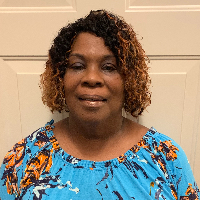
Virginia · 27 yrs exp
LPC in Virginia focusing on stress and trauma
Stress, Anxiety · Addictions · Anger · Self esteem · +9 more
Read profile
Mississippi · 16 yrs exp
LPC focused on anxiety, trauma, and family concerns
Stress, Anxiety · Family · Anger · Depression · +8 more
Read profile
Texas · 3 yrs exp
LCSW focusing on mood and coping
Stress, Anxiety · Anger · Depression · Addictions · +8 more
Read profile
Washington · 50 yrs exp
LMHC in Washington - trauma, mood, relationship work
Stress, Anxiety · Trauma and abuse · Intimacy-related issues · Self esteem · +15 more
Read profile
Virginia · 13 yrs exp
Licensed Professional Counselor - stress and relationships
Stress, Anxiety · Family · Trauma and abuse · Parenting · +12 more
Read profile
Colorado · 18 yrs exp
LPC LCPC - stress, mood, and behavior work
Stress, Anxiety · Addictions · Relationship · Self esteem · +15 more
Read profile
Michigan · 33 yrs exp
MI Psychologist working with anxiety and life changes
Stress, Anxiety · Parenting · Coping with life changes · Addictions · +7 more
Read profile
Ohio · 13 yrs exp
LIMFT, LPCC - stress, relationships, trauma
Stress, Anxiety · Relationship · Family · Parenting · +13 more
Read profile
Georgia · 9 yrs exp
LPC in Georgia focusing on trauma and addiction
Stress, Anxiety · Anger · Self esteem · Bipolar · +11 more
Read profile
Michigan · 10 yrs exp
LMSW, LISW - depression, anxiety, trauma
Addictions · Relationship · Trauma and abuse · Self esteem · +16 more
Read profile
Florida · 21 yrs exp
LCSW focused on relationships and life changes
Stress, Anxiety · Relationship · Family · Eating · +16 more
Read profile
Oklahoma · 23 yrs exp
Licensed Professional Counselor - stress, anxiety, trauma
Stress, Anxiety · Relationship · Trauma and abuse · Self esteem · +15 more
Read profile
Wisconsin · 33 yrs exp
LPC in Wisconsin - stress, mood, and addiction care
Stress, Anxiety · Addictions · Trauma and abuse · Grief · +11 more
Read profile
Wisconsin · 15 yrs exp
Licensed Professional Counselor - stress and relationship work
Stress, Anxiety · Addictions · Relationship · Depression · +15 more
Read profile
Texas · 17 yrs exp
LPC, LMFT in Texas focused on mood and relationships
Stress, Anxiety · Relationship · Family · Trauma and abuse · +11 more
Read profile
Nebraska · 23 yrs exp
LPC LMHP focusing on mood and coping
Stress, Anxiety · Trauma and abuse · Self esteem · Depression · +12 more
Read profile
Texas · 20 yrs exp
LPC in Texas helping with stress and relationships
Stress, Anxiety · Relationship · Trauma and abuse · Depression · +11 more
Read profile
Michigan · 9 yrs exp
LMSW in Michigan - stress, addiction, relationships
Stress, Anxiety · Addictions · Relationship · Trauma and abuse · +15 more
Read profileAttention-deficit/hyperactivity disorder is a neurodevelopmental profile that often influences attention, impulsivity, and activity level in ways that vary across people and life stages. You may notice challenges with organizing tasks, meeting deadlines, following multi-step instructions, or managing time. For some people these patterns begin in childhood and continue into adulthood, while others first seek support later in life when demands at work, school, or in relationships increase. ADHD can also look different depending on whether inattentive, hyperactive-impulsive, or combined patterns are more pronounced.
The impact of ADHD is not limited to task performance. Many people describe a persistent feeling of being overwhelmed, frequent procrastination despite wanting to complete tasks, or a sense of underachievement relative to their abilities. Emotional regulation and frustration tolerance can be affected, making interpersonal conflicts and mood swings more likely. Sleep differences and comorbid conditions such as anxiety, depression, or learning differences can complicate the overall picture. Understanding ADHD as a pattern of strengths and challenges - rather than a single deficit - helps frame therapy as a place to develop strategies, compensations, and personal insight.
If daily routines feel chaotic, work or school performance is inconsistent, or relationships suffer because of missed commitments or impulsive decisions, therapy may help you identify practical tools and new ways of organizing your life. You might benefit from specialized support if you frequently miss appointments, lose track of important items, or feel stuck in cycles of procrastination that lead to stress and self-criticism. Difficulty managing emotions, such as irritability or intense reactions to setbacks, is another common reason people seek help. Therapy can also be useful when you are navigating life transitions that amplify ADHD-related challenges, such as starting a new job, going to college, becoming a parent, or managing aging-related changes.
People often come to therapy not only to reduce symptoms but to build on strengths. If you notice creative bursts, intense focus on projects of interest, rapid problem-solving in novel situations, or strong curiosity, therapy may help you channel those qualities more consistently. You might look for care when previous self-help strategies have had limited lasting effect, or when you want to refine organizational systems that actually fit your preferences and rhythms. Therapy is appropriate for a wide range of goals - from improving daily routines to reducing interpersonal friction and increasing career effectiveness.
When you begin working with a therapist who focuses on ADHD, early sessions typically involve a thorough conversation about your history, patterns of attention and activity, and the specific ways ADHD shows up in your life. Expect a collaborative process where the therapist gathers information about your work or school demands, sleep and health patterns, past strategies you have tried, and goals you want to pursue. This intake phase helps both of you prioritize areas to address and set realistic, measurable objectives for change.
Subsequent sessions usually blend skill-building, problem-solving, and reflective work. You may practice routines for planning and task management, experiment with time-estimation techniques, and develop systems for reducing distractions. Therapy often includes coaching-style elements that focus on concrete behaviors, combined with exploration of emotional patterns that interfere with consistent follow-through. Many practitioners will help you break larger goals into manageable steps, review progress, and adjust strategies over time. Therapy can also provide a space to process feelings about ADHD - such as shame, grief, or relief - and to reframe self-expectations in ways that support sustained change.
A variety of approaches are used in work with ADHD, and different therapists emphasize different methods according to their practice style and client goals. Cognitive-behavioral approaches are commonly listed because they offer structured techniques for changing thinking patterns and routines that affect task completion and emotion management. Within that framework you may encounter interventions focused on planning, scheduling, cognitive restructuring, and behavioral experiments that test new ways of working. Other therapists describe attention to coaching methods that concentrate on skill acquisition, accountability, and step-by-step implementation of organizational systems.
Some practitioners integrate mindfulness-informed practices that support attention regulation and moment-to-moment awareness, which can help you notice drift and reorient to tasks. Therapists often describe combining these methods with work on motivation, habit formation, and executive function supports. It is common to find therapists who list family systems or relationship-focused approaches when ADHD impacts partners or children, because relational patterns often shift alongside changes in behavior. When reviewing profiles, look for language that matches your priorities - whether that is building routines, improving concentration, managing emotions, or navigating relationships - and remember that a therapist listing an approach is not an assertion of external certification but an indication of the ways they describe their practice.
Online therapy can be a practical option for ADHD because it reduces travel time and allows you to meet from environments where you do your work or study. Sessions may take place via video, phone, or text-based messaging formats, and many therapists who work with ADHD are experienced in adapting exercises and organizational tools for remote delivery. You might find it helpful to participate in sessions from a setting where you can immediately try out time management strategies or share examples from your personal workspace. When considering online care, think about how you prefer to communicate - some people benefit from live, face-to-face video interaction, while others appreciate the flexibility of scheduled messaging combined with occasional calls.
Choosing the right therapist for ADHD is a personal decision that benefits from close attention to fit. Start by reading profiles to see which practitioners describe the focus areas and approaches that match your priorities. Pay attention to experience with specific populations if that matters to you - for example, adults versus adolescents, or attention differences combined with mood challenges. Consider language preferences and cultural fit, and look for descriptions of session style - some therapists emphasize coaching and behavioral strategies while others highlight emotion-focused or relational work. It can be helpful to prepare a short list of questions to ask in an initial conversation, such as how the therapist frames progress, what kinds of practical tools they commonly use, and how they track goals. Trust your impressions about whether a therapist's style feels motivating and respectful of your strengths and limits. Over time, you may adjust your approach or try different practitioners until you find a working relationship that supports steady improvement.
Therapy for ADHD is often a blend of practical skill-building and deeper personal work. If you are exploring the directory, use the listings to compare areas of focus, approaches, credentials, languages, and the ways therapists describe their practices. Keep in mind that meaningful change tends to come through small, consistent adjustments and a collaborative relationship that matches your goals. Whether you are seeking better routines, improved relationships, or more consistent performance at school or work, a thoughtfully chosen therapist can help you translate insight into habits that fit your life.
Alabama
31 therapists
Alaska
3 therapists
Arizona
34 therapists
Arkansas
20 therapists
California
266 therapists
Colorado
72 therapists
Connecticut
26 therapists
Delaware
3 therapists
District of Columbia
7 therapists
Florida
252 therapists
Georgia
85 therapists
Hawaii
8 therapists
Idaho
15 therapists
Illinois
102 therapists
Indiana
41 therapists
Iowa
7 therapists
Kansas
20 therapists
Kentucky
30 therapists
Louisiana
42 therapists
Maine
12 therapists
Maryland
68 therapists
Massachusetts
49 therapists
Michigan
79 therapists
Minnesota
40 therapists
Mississippi
17 therapists
Missouri
68 therapists
Montana
13 therapists
Nebraska
18 therapists
Nevada
12 therapists
New Hampshire
7 therapists
New Jersey
57 therapists
New Mexico
14 therapists
New York
173 therapists
North Carolina
118 therapists
North Dakota
5 therapists
Ohio
79 therapists
Oklahoma
30 therapists
Oregon
26 therapists
Pennsylvania
85 therapists
Rhode Island
2 therapists
South Carolina
52 therapists
South Dakota
4 therapists
Tennessee
33 therapists
Texas
263 therapists
Utah
26 therapists
Vermont
4 therapists
Virginia
77 therapists
Washington
52 therapists
West Virginia
7 therapists
Wisconsin
40 therapists
Wyoming
3 therapists