
Velma Jones
LCSWNew York · 29 yrs exp
LCSW - adult mood and relationship concerns
Stress, Anxiety · Relationship · Trauma and abuse · Depression · +10 more
Read profileTherapist listings are provided by BetterHelp. We will earn a commission at no additional cost to you if you use our links to purchase.
On this page you'll find listings of therapists who list women's issues among their specialties, covering concerns from reproductive health to relationship and identity. Browse the therapist profiles below to learn about approaches, credentials, languages, and areas of focus.
New York · 29 yrs exp
LCSW - adult mood and relationship concerns
Stress, Anxiety · Relationship · Trauma and abuse · Depression · +10 more
Read profile
Ohio · 25 yrs exp
LPCC in Ohio - stress, relationships, trauma
Stress, Anxiety · LGBT · Relationship · Self esteem · +16 more
Read profile
Colorado · 19 yrs exp
LCSW focusing on mood and relationship concerns
Stress, Anxiety · Relationship · Trauma and abuse · Grief · +12 more
Read profile
South Carolina · 16 yrs exp
LMFT - Stress, Relationships, Trauma
Stress, Anxiety · Relationship · Family · Parenting · +14 more
Read profile
Florida · 20 yrs exp
Dr. Daniella Jackson, LMHC - addiction and mood concerns
Stress, Anxiety · Addictions · Relationship · Self esteem · +16 more
Read profile
Illinois · 20 yrs exp
Licensed Clinical Social Worker - stress and life changes
Stress, Anxiety · Relationship · Parenting · Self esteem · +7 more
Read profile
Maryland · 6 yrs exp
LCPC in Maryland - stress and trauma work
Stress, Anxiety · Trauma and abuse · Self esteem · Coping with life changes · +10 more
Read profile
Michigan · 5 yrs exp
Licensed Professional Counselor - stress and life transitions
Stress, Anxiety · Relationship · Family · Self esteem · +12 more
Read profile
Pennsylvania · 12 yrs exp
LPCC LMHC - Stress, anxiety, relationships
Stress, Anxiety · Relationship · Self esteem · Depression · +11 more
Read profile
Missouri · 16 yrs exp
LCSW focused on stress, trauma, and mood disorders
Stress, Anxiety · Trauma and abuse · Self esteem · Bipolar · +12 more
Read profile
Oregon · 14 yrs exp
LPC in Oregon - mood and life transitions
Grief · Self esteem · Career · Depression · +8 more
Read profile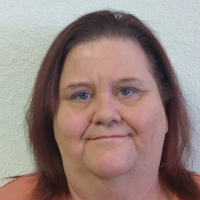
Texas · 9 yrs exp
Licensed Professional Counselor - stress and relationship issues
Stress, Anxiety · Trauma and abuse · Grief · Depression · +12 more
Read profile
Texas · 10 yrs exp
LPC in Texas focusing on anxiety and relationships
Stress, Anxiety · Relationship · Family · Depression · +14 more
Read profile
Ohio · 33 yrs exp
LPCC helping with stress, trauma, mood and relationships
Stress, Anxiety · Family · Trauma and abuse · Self esteem · +12 more
Read profile
Arizona · 20 yrs exp
AZ Psychologist - stress, mood, relationships
Stress, Anxiety · Addictions · Grief · Self esteem · +14 more
Read profile
Texas · 6 yrs exp
LCSW focused on relationships and family concerns
Relationship · Family · Parenting · Self esteem · +7 more
Read profile
Texas · 20 yrs exp
LICSW, LCSW in Texas - Stress and relationship issues
Stress, Anxiety · Addictions · Family · Grief · +15 more
Read profile
Florida · 20 yrs exp
LMHC in Florida specializing in mood and relationship concerns
Stress, Anxiety · Grief · Self esteem · Depression · +9 more
Read profile
Ohio · 20 yrs exp
LISW in Ohio - stress, trauma, mood concerns
Stress, Anxiety · LGBT · Family · Grief · +16 more
Read profile
Florida · 10 yrs exp
LCSW focused on anxiety and trauma
Stress, Anxiety · Trauma and abuse · Grief · Depression · +12 more
Read profile
Louisiana · 14 yrs exp
Licensed Professional Counselor - stress and relationship focus
Stress, Anxiety · Parenting · Anger · Self esteem · +1 more
Read profile
Oregon · 17 yrs exp
LMFT working with stress, trauma, grief, depression
Stress, Anxiety · Trauma and abuse · Grief · Intimacy-related issues · +1 more
Read profile
California · 5 yrs exp
LMFT focused on relationships and life changes
Relationship · Grief · Parenting · Self esteem · +11 more
Read profile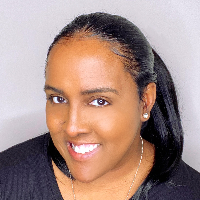
North Carolina · 20 yrs exp
LCSW focusing on mood and addiction concerns
Stress, Anxiety · Addictions · Family · Career · +16 more
Read profile
Colorado · 13 yrs exp
Licensed Marriage and Family Therapist - adult concerns
Stress, Anxiety · LGBT · Relationship · Trauma and abuse · +10 more
Read profile
North Carolina · 20 yrs exp
LPC, LCMHC - Stress and addiction support
Stress, Anxiety · Parenting · Self esteem · Depression · +15 more
Read profile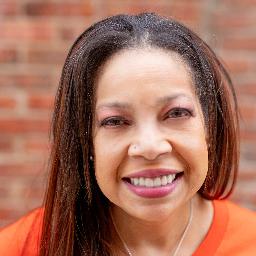
Missouri · 23 yrs exp
LPC in Missouri focusing on mood and relationships
Stress, Anxiety · Relationship · Trauma and abuse · Depression · +9 more
Read profile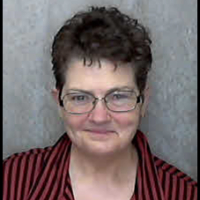
Texas · 35 yrs exp
LCSW-C and LCSW focusing on trauma and relationships
Stress, Anxiety · Relationship · Family · Trauma and abuse · +14 more
Read profile
Illinois · 5 yrs exp
IL Psychologist focusing on stress and mood
Stress, Anxiety · Relationship · Trauma and abuse · Depression · +12 more
Read profile
North Dakota · 10 yrs exp
Licensed Clinical Social Worker - stress and trauma
Stress, Anxiety · Relationship · Family · Trauma and abuse · +10 more
Read profile
North Carolina · 20 yrs exp
Licensed counselor for mood and addiction concerns
Stress, Anxiety · Addictions · Anger · Depression · +7 more
Read profile
Florida · 35 yrs exp
LMHC in Florida focusing on mood and life challenges
Stress, Anxiety · Family · Grief · Eating · +16 more
Read profile
Michigan · 20 yrs exp
LMSW focusing on relationship and mood concerns
LGBT · Family · Intimacy-related issues · Parenting · +1 more
Read profile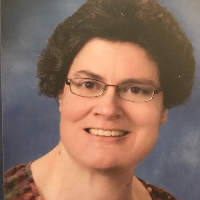
Indiana · 35 yrs exp
LCSW focusing on mood and life transitions
Stress, Anxiety · Grief · Self esteem · Depression · +4 more
Read profile
New Jersey · 25 yrs exp
LPC in New Jersey focusing on stress and relationships
Stress, Anxiety · Family · Trauma and abuse · Grief · +9 more
Read profile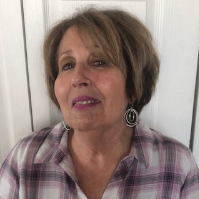
Arizona · 25 yrs exp
Licensed Professional Counselor in Arizona
Stress, Anxiety · Addictions · Relationship · Trauma and abuse · +11 more
Read profile
New York · 25 yrs exp
LCSW in New York focusing on mood and trauma
Stress, Anxiety · Trauma and abuse · Self esteem · Depression · +11 more
Read profile
Mississippi · 16 yrs exp
LPC focused on anxiety, trauma, and family concerns
Stress, Anxiety · Family · Anger · Depression · +8 more
Read profile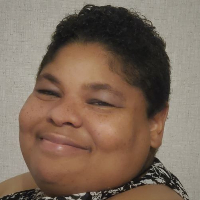
Texas · 3 yrs exp
LCSW focusing on mood and coping
Stress, Anxiety · Anger · Depression · Addictions · +8 more
Read profile
Georgia · 12 yrs exp
LPC in Georgia focusing on mood and relationship concerns
LGBT · Relationship · Bipolar · Coping with life changes · +6 more
Read profile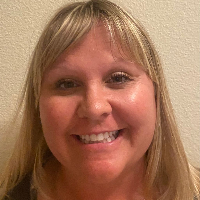
Colorado · 18 yrs exp
LPC LCPC - stress, mood, and behavior work
Stress, Anxiety · Addictions · Relationship · Self esteem · +15 more
Read profile
Texas · 15 yrs exp
LPC, LMFT focusing on relationships and anxiety
Stress, Anxiety · Relationship · Family · Intimacy-related issues · +1 more
Read profile
Massachusetts · 15 yrs exp
LICSW focused on mood and life changes
Stress, Anxiety · Relationship · Grief · Depression · +1 more
Read profile
Nebraska · 35 yrs exp
LMHP, LPC focusing on relationships and sexuality
LGBT · Relationship · Family · Intimacy-related issues · +6 more
Read profile
New York · 20 yrs exp
LCSW focused on stress and relationships
Stress, Anxiety · Addictions · Relationship · Self esteem · +9 more
Read profile
Michigan · 33 yrs exp
MI Psychologist working with anxiety and life changes
Stress, Anxiety · Parenting · Coping with life changes · Addictions · +7 more
Read profile
Ohio · 13 yrs exp
LIMFT, LPCC - stress, relationships, trauma
Stress, Anxiety · Relationship · Family · Parenting · +13 more
Read profile
Florida · 13 yrs exp
LMHC in Florida - Stress, Relationships, Addictions
Stress, Anxiety · Trauma and abuse · Anger · Depression · +11 more
Read profile
Florida · 30 yrs exp
LCSW supporting stress, mood, and relationship concerns
Stress, Anxiety · Trauma and abuse · Self esteem · Depression · +11 more
Read profile
South Carolina · 25 yrs exp
Licensed LPC in South Carolina - addictions and relationships
Addictions · Relationship · Grief · Self esteem · +9 more
Read profile
Georgia · 9 yrs exp
LPC in Georgia focusing on trauma and addiction
Stress, Anxiety · Anger · Self esteem · Bipolar · +11 more
Read profile
New York · 20 yrs exp
LCSW in New York focusing on stress and relationships
Stress, Anxiety · Addictions · Relationship · Career · +5 more
Read profile
South Dakota · 8 yrs exp
LPC LPC-MH in South Dakota - stress and trauma
Stress, Anxiety · Relationship · Trauma and abuse · Career · +1 more
Read profile
Michigan · 10 yrs exp
LMSW, LISW - depression, anxiety, trauma
Addictions · Relationship · Trauma and abuse · Self esteem · +16 more
Read profile
Florida · 21 yrs exp
LCSW focused on relationships and life changes
Stress, Anxiety · Relationship · Family · Eating · +16 more
Read profile
Oklahoma · 23 yrs exp
Licensed Professional Counselor - stress, anxiety, trauma
Stress, Anxiety · Relationship · Trauma and abuse · Self esteem · +15 more
Read profile
Wisconsin · 15 yrs exp
Licensed Professional Counselor - stress and relationship work
Stress, Anxiety · Addictions · Relationship · Depression · +15 more
Read profile
Pennsylvania · 28 yrs exp
Licensed Professional Counselor - addictions and relationship work
Addictions · Relationship · Family · Trauma and abuse · +3 more
Read profile
Texas · 17 yrs exp
LPC, LMFT in Texas focused on mood and relationships
Stress, Anxiety · Relationship · Family · Trauma and abuse · +11 more
Read profile
Texas · 20 yrs exp
LPC in Texas helping with stress and relationships
Stress, Anxiety · Relationship · Trauma and abuse · Depression · +11 more
Read profileWomen's issues is a broad area that covers the emotional, psychological, and social challenges many people who identify as women face across the life span. These concerns can arise in the context of reproductive events such as pregnancy, miscarriage, postpartum adjustment, fertility struggles, or menopause. They also span relationship transitions, family role changes, work-life balance pressures, experiences of gender-based discrimination or harassment, and struggles with body image and identity. Because the term is wide-ranging, therapists who list women's issues among their specialties often work with clients on areas that intersect with physical health, social expectations, and personal values.
How you experience these issues depends on many factors including cultural background, socioeconomic context, relationship supports, and medical history. For some people, the emotional weight is episodic and closely tied to a particular event. For others, patterns of stress, self-doubt, or interpersonal strain accumulate over years and begin to affect day-to-day functioning. Therapy can provide a space to explore how societal roles and personal history combine to shape your current concerns, and to develop strategies that reflect your priorities and lifestyle.
You might notice a range of signals that suggest help would be useful. Persistent low mood, anxiety about life transitions, or recurring conflicts in relationships are common reasons people seek support. If you find that reproductive events - such as pregnancy loss, infertility, or menopause - are affecting your sense of self, mood, or relationships more deeply than expected, that is a valid reason to reach out to a therapist. Changes in sleep, appetite, concentration, or energy that interfere with work, family, or daily activities are also important indicators that additional support could help.
Sometimes the signs are subtler. You may feel chronically overwhelmed by caregiving responsibilities, experience difficulty asserting your needs, or notice recurring patterns that undermine your goals. Experiences of trauma, harassment, or discrimination can produce delayed emotional reactions that appear suddenly or evolve gradually. If you are questioning your identity, reconsidering life goals, or managing complex medical decisions, therapy can help you clarify options and strengthen coping resources. Seeking therapy is a practical step when your current strategies are not producing the relief or direction you need.
When you begin working with a therapist who focuses on women's issues, the first sessions often involve exploring your goals, history, and what brought you to seek help now. Your therapist will ask about relationships, recent stressors, physical health factors that may affect mood, and any cultural or family influences that are relevant. You should expect a collaborative process where you define what matters most, whether that is managing symptoms, navigating a transition, improving relationships, or building self-understanding.
Therapy can take many shapes depending on your needs and the approaches the therapist uses. Some weeks you may do focused problem-solving around a specific stressor. Other sessions may involve processing emotions, tracing patterns from past experiences that repeat in present life, or practicing skills to regulate emotion and communicate effectively. Progress can be uneven - you may experience relief in some areas while new discoveries prompt deeper work in others. A therapist who lists women's issues among their specialties should be prepared to address intersectional factors such as gender roles, caregiving demands, and reproductive health in ways that respect your priorities.
There is no single approach that fits every person facing women's issues. In practice, many therapists integrate elements from different traditions to address both symptoms and underlying patterns. You will find therapists who list cognitive behavioral therapy (CBT) among their approaches, which focuses on identifying and adjusting unhelpful thoughts and behaviors. Some therapists describe psychodynamic or relational approaches that explore how past relationships shape present patterns. Others emphasize mindfulness-based practices to help you tolerate difficult emotions and increase present-moment awareness.
You may also encounter therapists who list somatic approaches among their approaches, which attend to the ways stress and emotion are held in the body, and those who list trauma-informed methods among their approaches for people processing past harm. When you review profiles, note the phrasing used: profiles indicate approaches therapists list, which can help you match a framework to your needs, but does not indicate specific credentials beyond what is shown. If you are seeking support related to reproductive or medical transitions, look for therapists who mention working with perinatal matters, fertility, or health-related adaptation among their focus areas, and pay attention to language that signals attention to both emotional and practical concerns.
Online therapy can make it more convenient to access support when handling women's issues, particularly if travel, caregiving, or medical appointments make in-person sessions difficult. In online sessions you will connect with a therapist via video, phone, or messaging, depending on the options they list on their profile. Many people find that video sessions allow for a similar sense of presence as in-office work, while messaging can provide flexible check-ins when life is hectic. Consider how technology fits your needs - whether you prefer a visual connection, need a format that fits shift work, or want to limit travel time.
When using online therapy you should think about where you will participate from. Choosing a quiet, comfortable environment where you feel able to speak freely helps you get the most from sessions. If privacy at home is a concern, consider whether you can meet from a parked car, a walk-in counseling room provided through a workplace, or another setting where you feel more at ease. Different jurisdictions have different rules about cross-state or cross-country practice, so profiles often indicate where a therapist is licensed to work. That information can be relevant if you want continuity of care while traveling or after a move.
Start by clarifying what you want from therapy - symptom relief, support through a life change, help with relationship dynamics, or a deeper exploration of identity and values. When you read therapist profiles, look for descriptions that match those aims. Pay attention to the focus areas therapists list, as well as the approaches they mention. Because profiles reflect what therapists list among their specialties and methods, use that language to form questions you might ask in an initial message or consultation, such as how they typically work with clients experiencing similar challenges.
Consider practical factors beyond approach, including whether the therapist lists experience with particular populations, speaks a language you prefer, or names cultural or community contexts that resonate with your background. Experience with reproductive transitions, caregiving roles, or gender-related stressors can be noted in profiles. Think about fit as a combination of approach, lived experience, and communication style. If a therapist's profile raises questions, a brief outreach message or initial session can give you a sense of whether their pacing, tone, and focus align with what you need. Trust your sense of comfort and the therapist's ability to discuss goals and methods in ways that feel clear and respectful to you.
Finding the right therapist for women's issues is often a process of narrowing options and trying a professional relationship that feels collaborative. Take the time to read profiles carefully, reflect on what matters most in your healing and growth, and use the profile details to guide your choices. With the right match, therapy can be a practical resource to help you navigate transitions, heal from difficult experiences, and reclaim a clearer sense of direction in your life.
Alabama
31 therapists
Alaska
3 therapists
Arizona
34 therapists
Arkansas
20 therapists
California
266 therapists
Colorado
72 therapists
Connecticut
26 therapists
Delaware
3 therapists
District of Columbia
7 therapists
Florida
252 therapists
Georgia
85 therapists
Hawaii
8 therapists
Idaho
15 therapists
Illinois
102 therapists
Indiana
41 therapists
Iowa
7 therapists
Kansas
20 therapists
Kentucky
30 therapists
Louisiana
42 therapists
Maine
12 therapists
Maryland
68 therapists
Massachusetts
49 therapists
Michigan
79 therapists
Minnesota
40 therapists
Mississippi
17 therapists
Missouri
68 therapists
Montana
13 therapists
Nebraska
18 therapists
Nevada
12 therapists
New Hampshire
7 therapists
New Jersey
57 therapists
New Mexico
14 therapists
New York
173 therapists
North Carolina
118 therapists
North Dakota
5 therapists
Ohio
79 therapists
Oklahoma
30 therapists
Oregon
26 therapists
Pennsylvania
85 therapists
Rhode Island
2 therapists
South Carolina
52 therapists
South Dakota
4 therapists
Tennessee
33 therapists
Texas
263 therapists
Utah
26 therapists
Vermont
4 therapists
Virginia
77 therapists
Washington
52 therapists
West Virginia
7 therapists
Wisconsin
40 therapists
Wyoming
3 therapists