
Velma Jones
LCSWNew York · 29 yrs exp
LCSW - adult mood and relationship concerns
Stress, Anxiety · Relationship · Trauma and abuse · Depression · +10 more
Read profileTherapist listings are provided by BetterHelp. We will earn a commission at no additional cost to you if you use our links to purchase.
On this page you'll find therapists who list attachment issues among their specialties, including early bonding, anxious or avoidant patterns, and relationship repair. Browse the listings below to review approaches, credentials, languages, and practice focuses that may align with your needs.
New York · 29 yrs exp
LCSW - adult mood and relationship concerns
Stress, Anxiety · Relationship · Trauma and abuse · Depression · +10 more
Read profile
Ohio · 25 yrs exp
LPCC in Ohio - stress, relationships, trauma
Stress, Anxiety · LGBT · Relationship · Self esteem · +16 more
Read profile
Colorado · 19 yrs exp
LCSW focusing on mood and relationship concerns
Stress, Anxiety · Relationship · Trauma and abuse · Grief · +12 more
Read profile
South Carolina · 16 yrs exp
LMFT - Stress, Relationships, Trauma
Stress, Anxiety · Relationship · Family · Parenting · +14 more
Read profile
Florida · 20 yrs exp
Dr. Daniella Jackson, LMHC - addiction and mood concerns
Stress, Anxiety · Addictions · Relationship · Self esteem · +16 more
Read profile
Florida · 39 yrs exp
LMHC - Relationship and stress counseling
Stress, Anxiety · Relationship · Family · Parenting · +14 more
Read profile
Maryland · 6 yrs exp
LCPC in Maryland - stress and trauma work
Stress, Anxiety · Trauma and abuse · Self esteem · Coping with life changes · +10 more
Read profile
New York · 5 yrs exp
LMHC in New York - mood and relationship work
Stress, Anxiety · LGBT · Trauma and abuse · Bipolar · +12 more
Read profile
Michigan · 5 yrs exp
Licensed Professional Counselor - stress and life transitions
Stress, Anxiety · Relationship · Family · Self esteem · +12 more
Read profile
Pennsylvania · 12 yrs exp
LPCC LMHC - Stress, anxiety, relationships
Stress, Anxiety · Relationship · Self esteem · Depression · +11 more
Read profile
North Carolina · 10 yrs exp
LCSW, LISW-CP - Stress and relationship work
Stress, Anxiety · Relationship · Family · Bipolar · +16 more
Read profile
Texas · 9 yrs exp
Licensed Professional Counselor - stress and relationship issues
Stress, Anxiety · Trauma and abuse · Grief · Depression · +12 more
Read profile
Texas · 10 yrs exp
LPC in Texas focusing on anxiety and relationships
Stress, Anxiety · Relationship · Family · Depression · +14 more
Read profile
Arizona · 20 yrs exp
AZ Psychologist - stress, mood, relationships
Stress, Anxiety · Addictions · Grief · Self esteem · +14 more
Read profile
Georgia · 18 yrs exp
Licensed Professional Counselor - relationship and trauma focus
Stress, Anxiety · Relationship · Family · Trauma and abuse · +10 more
Read profile
Louisiana · 22 yrs exp
LMFT LPC - Anxiety, Mood, Trauma
Stress, Anxiety · Relationship · Family · Grief · +11 more
Read profile
Florida · 20 yrs exp
LMHC LPCC focused on stress and addiction
Stress, Anxiety · Addictions · Relationship · Trauma and abuse · +15 more
Read profile
Texas · 20 yrs exp
LICSW, LCSW in Texas - Stress and relationship issues
Stress, Anxiety · Addictions · Family · Grief · +15 more
Read profile
Arkansas · 23 yrs exp
LPC in Arkansas focusing on mood and relationship concerns
Stress, Anxiety · Trauma and abuse · Anger · Self esteem · +11 more
Read profile
Oregon · 17 yrs exp
LMFT working with stress, trauma, grief, depression
Stress, Anxiety · Trauma and abuse · Grief · Intimacy-related issues · +1 more
Read profile
New York · 18 yrs exp
LMHC focusing on stress and relationships
Stress, Anxiety · Relationship · Parenting · Anger · +1 more
Read profile
California · 5 yrs exp
LMFT focused on relationships and life changes
Relationship · Grief · Parenting · Self esteem · +11 more
Read profile
Colorado · 13 yrs exp
Licensed Marriage and Family Therapist - adult concerns
Stress, Anxiety · LGBT · Relationship · Trauma and abuse · +10 more
Read profile
Missouri · 23 yrs exp
LPC in Missouri focusing on mood and relationships
Stress, Anxiety · Relationship · Trauma and abuse · Depression · +9 more
Read profile
Texas · 35 yrs exp
LCSW-C and LCSW focusing on trauma and relationships
Stress, Anxiety · Relationship · Family · Trauma and abuse · +14 more
Read profile
Nevada · 25 yrs exp
LMFT for relationship and family concerns
Stress, Anxiety · Relationship · Family · Trauma and abuse · +1 more
Read profile
Illinois · 5 yrs exp
IL Psychologist focusing on stress and mood
Stress, Anxiety · Relationship · Trauma and abuse · Depression · +12 more
Read profile
Illinois · 34 yrs exp
LCPC focusing on mood and relationship concerns
Stress, Anxiety · Relationship · Grief · Self esteem · +11 more
Read profile
North Dakota · 10 yrs exp
Licensed Clinical Social Worker - stress and trauma
Stress, Anxiety · Relationship · Family · Trauma and abuse · +10 more
Read profile
Florida · 35 yrs exp
LMHC in Florida focusing on mood and life challenges
Stress, Anxiety · Family · Grief · Eating · +16 more
Read profile
Michigan · 20 yrs exp
LMSW focusing on relationship and mood concerns
LGBT · Family · Intimacy-related issues · Parenting · +1 more
Read profile
Delaware · 24 yrs exp
LMFT focused on relationships and family issues
Relationship · Family · Trauma and abuse · Parenting · +14 more
Read profile
Idaho · 18 yrs exp
LCSW focused on mood and life changes
Stress, Anxiety · Trauma and abuse · Grief · Self esteem · +10 more
Read profile
New Jersey · 25 yrs exp
LPC in New Jersey focusing on stress and relationships
Stress, Anxiety · Family · Trauma and abuse · Grief · +9 more
Read profile
Arizona · 25 yrs exp
Licensed Professional Counselor in Arizona
Stress, Anxiety · Addictions · Relationship · Trauma and abuse · +11 more
Read profile
Mississippi · 16 yrs exp
LPC focused on anxiety, trauma, and family concerns
Stress, Anxiety · Family · Anger · Depression · +8 more
Read profile
Virginia · 13 yrs exp
Licensed Professional Counselor - stress and relationships
Stress, Anxiety · Family · Trauma and abuse · Parenting · +12 more
Read profile
Colorado · 18 yrs exp
LPC LCPC - stress, mood, and behavior work
Stress, Anxiety · Addictions · Relationship · Self esteem · +15 more
Read profile
Texas · 15 yrs exp
LPC, LMFT focusing on relationships and anxiety
Stress, Anxiety · Relationship · Family · Intimacy-related issues · +1 more
Read profile
Ohio · 13 yrs exp
LIMFT, LPCC - stress, relationships, trauma
Stress, Anxiety · Relationship · Family · Parenting · +13 more
Read profile
Florida · 13 yrs exp
LMHC in Florida - Stress, Relationships, Addictions
Stress, Anxiety · Trauma and abuse · Anger · Depression · +11 more
Read profile
Minnesota · 3 yrs exp
LICSW LCSW - Stress, Anxiety, Addictions
Stress, Anxiety · Addictions · Trauma and abuse · Bipolar · +5 more
Read profile
Florida · 30 yrs exp
LCSW supporting stress, mood, and relationship concerns
Stress, Anxiety · Trauma and abuse · Self esteem · Depression · +11 more
Read profile
South Dakota · 8 yrs exp
LPC LPC-MH in South Dakota - stress and trauma
Stress, Anxiety · Relationship · Trauma and abuse · Career · +1 more
Read profile
Michigan · 10 yrs exp
LMSW, LISW - depression, anxiety, trauma
Addictions · Relationship · Trauma and abuse · Self esteem · +16 more
Read profile
Florida · 21 yrs exp
LCSW focused on relationships and life changes
Stress, Anxiety · Relationship · Family · Eating · +16 more
Read profile
Oklahoma · 23 yrs exp
Licensed Professional Counselor - stress, anxiety, trauma
Stress, Anxiety · Relationship · Trauma and abuse · Self esteem · +15 more
Read profile
Pennsylvania · 28 yrs exp
Licensed Professional Counselor - addictions and relationship work
Addictions · Relationship · Family · Trauma and abuse · +3 more
Read profile
Texas · 17 yrs exp
LPC, LMFT in Texas focused on mood and relationships
Stress, Anxiety · Relationship · Family · Trauma and abuse · +11 more
Read profile
Nebraska · 23 yrs exp
LPC LMHP focusing on mood and coping
Stress, Anxiety · Trauma and abuse · Self esteem · Depression · +12 more
Read profile
Texas · 20 yrs exp
LPC in Texas helping with stress and relationships
Stress, Anxiety · Relationship · Trauma and abuse · Depression · +11 more
Read profile
Michigan · 9 yrs exp
LMSW in Michigan - stress, addiction, relationships
Stress, Anxiety · Addictions · Relationship · Trauma and abuse · +15 more
Read profile
Georgia · 15 yrs exp
LCSW in Georgia - stress and trauma care
Stress, Anxiety · Trauma and abuse · Grief · Self esteem · +1 more
Read profile
Michigan · 32 yrs exp
LMSW focused on relationship and mood concerns
Stress, Anxiety · Relationship · Trauma and abuse · Self esteem · +16 more
Read profile
Florida · 30 yrs exp
LMHC in Florida - mood and relationship work
Stress, Anxiety · Relationship · Family · Self esteem · +15 more
Read profile
Illinois · 8 yrs exp
LCPC in Illinois focused on relationships and trauma
Relationship · Trauma and abuse · Anger · Self esteem · +9 more
Read profile
South Carolina · 21 yrs exp
LPC, LCMHC - relationship and emotional concerns
Relationship · Grief · Parenting · Depression · +14 more
Read profile
New York · 10 yrs exp
Licensed Mental Health Counselor - stress and relationship issues
Stress, Anxiety · Relationship · Family · Trauma and abuse · +14 more
Read profile
Illinois · 35 yrs exp
Illinois Psychologist focusing on stress and relationships
Stress, Anxiety · Relationship · Self esteem · Coping with life changes · +6 more
Read profile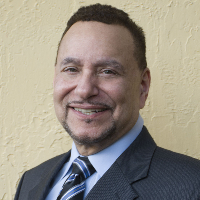
Florida · 30 yrs exp
Dr. Oren Hernández LMHC LMFT - stress and mood concerns
Stress, Anxiety · Addictions · Trauma and abuse · Grief · +14 more
Read profileAttachment refers to the emotional bond you form with important people in your life, especially caregivers in childhood. Those early patterns shape how you expect others to respond when you need comfort or closeness. When attachment goes smoothly you may find it relatively easy to trust others, ask for help, and feel calm in relationships. When attachment is disrupted by inconsistent care, neglect, loss, or frightening experiences, you may develop patterns that make relationships and emotional regulation more difficult.
Attachment issues do not mean there is something inherently wrong with you. They describe predictable ways of reacting to stress, intimacy, and separation that developed as adaptations to your earlier environment. These patterns can show up as anxiety about abandonment, a tendency to push people away, difficulty calming yourself, or repeating relationship dynamics that feel painful. Because attachment influences both how you feel inside and how you behave toward others, working on attachment can change the quality of your relationships and your sense of emotional safety over time.
You might consider seeking help if you notice recurring problems in close relationships that affect your well-being. These signs can include intense fear of rejection, chronic jealousy, frequent breakups with similar reasons, or a pattern of clinging to partners. Another common sign is emotional shutdown - when you withdraw or dissociate when someone gets close. You may also struggle with trusting others, feel hypervigilant to perceived threats, or have difficulty asking for support even when you need it.
Attachment-related concerns can also influence how you parent, how you respond to conflict, and how you interpret other people's intentions. If you find yourself reacting strongly to ordinary relationship events, replaying painful memories, or feeling unable to soothe yourself, therapy can offer a space to understand those reactions and practice different ways of responding. People often seek attachment-focused work not only to improve a current relationship but to change long-standing patterns that limit intimacy and satisfaction.
In attachment-focused therapy you can expect a collaborative process that balances understanding the past with building new relational experiences in the present. Early sessions often involve exploring your history, relationship patterns, and how you typically respond to stress. This background helps your therapist recognize recurring themes and identify goals that are meaningful to you. The pace may vary - some people start with practical coping skills for intense moments, while others begin with deeper exploration of early relationships.
Therapy often includes attention to your moment-to-moment experience in relationships, both inside and outside sessions. You might practice noticing physiological reactions, labeling emotions, and trying new communication strategies in a gradual way. Some work focuses on repairing ruptures in current relationships through improved boundary-setting and clearer expression of needs. Over time you can expect to develop a broader range of emotional responses and to test new ways of relating that feel less automatic and more intentional. Progress may include feeling more comfortable asking for support, tolerating closeness without overwhelming anxiety, or calming down more quickly after conflict.
Therapists use a range of approaches when addressing attachment issues, and each offers different lenses and tools. Some practitioners draw on psychodynamic ideas to explore how early relationships shaped your expectations and internal narratives. That work often focuses on understanding unconscious patterns and repeating dynamics in current relationships. Other clinicians emphasize emotionally focused work, helping you identify core emotions and create new emotional bonds with partners through structured in-session exercises.
Cognitive-behavioral approaches may be offered by therapists who list CBT among their approaches, and these can help you identify unhelpful thoughts and develop concrete skills for managing anxiety or avoidance. You may also encounter therapists who list experiential or somatic methods among their approaches, which integrate body-based awareness to help you notice and regulate physiological responses tied to attachment activation. Some therapists list narrative approaches that focus on reshaping the stories you tell yourself about relationships and worthiness.
There are clinicians who list EMDR among their approaches, and some who list internal family systems among their approaches. Those modalities are used by certain therapists to address traumatic memories, intense emotional parts, and patterns that repeat across relationships. Because listing an approach does not confirm specific certification, you may want to read practitioner profiles closely to understand how they describe their work and what fits your preferences. Ultimately the most helpful approach is one that matches how you prefer to engage - whether you want insight-oriented reflection, skills-based practice, body-centered regulation, or a combination of methods.
Online therapy can be an accessible option for attachment work, offering flexibility in location and the ability to connect with clinicians who list this specialty even if they are not nearby. Sessions typically take place via video or phone, which allows for many of the same conversation-based interventions used in face-to-face work. You can practice new ways of communicating and receive feedback in real time. Some people find it easier to talk about sensitive topics from the comfort of their own surroundings, while others prefer in-person settings for somatic or body-focused work. Consider how well you can focus and engage through a screen, and whether you will have a quiet, interruption-free space for sessions.
When you use online therapy you should confirm how information is handled and what measures are in place to protect your personal data. Ask about session length, cancellation policies, and the platforms used for video calls so you can judge whether the setup fits your needs. Some therapists combine online sessions with occasional in-person meetings if geography allows, and others conduct all work virtually. The key is to find an arrangement that supports consistent, trust-building interactions and gives you room to practice new relational patterns between sessions.
Start by thinking about what matters most to you in therapy - whether you want a focus on relationships, trauma, parenting, or emotional regulation. Use the listings to compare focus areas, stated approaches, professional credentials, and languages spoken. Read clinician bios to get a sense of how they describe their work with attachment-related concerns and whether their approach feels like a good fit. You can look for language about working with relationship patterns, early bonding, trauma responses, or emotion regulation depending on your priorities.
Consider practical factors that influence the therapeutic relationship. Think about the communication style you prefer, such as direct skills coaching versus a reflective, exploratory approach. If cultural background, age, gender identity, or language matters to you, use those criteria to narrow your search. It can also be helpful to identify therapists who mention working with similar life experiences or relationship contexts, since relatable experience often makes it easier to feel understood. When you review profiles, pay attention to how clinicians describe goals, typical session structure, and whether they mention online options if that matters to you.
Choosing a therapist is a personal decision and it may take meeting with a few clinicians to find the right match. Trust your sense of whether you feel heard and understood in early conversations, and give attention to how comfortable you feel discussing hard topics with a particular clinician. Over time, a consistent therapeutic relationship provides the opportunity to test new ways of relating, form corrective emotional experiences, and build patterns that better support intimacy, independence, and emotional balance.
Attachment-focused therapy is about helping you understand why you respond the way you do and giving you new tools to relate to others and yourself. Whether you pursue online or in-person work, focusing on fit, approach, and shared goals will help you find a therapist whose profile aligns with the changes you want to make.
Alabama
31 therapists
Alaska
3 therapists
Arizona
34 therapists
Arkansas
20 therapists
California
266 therapists
Colorado
72 therapists
Connecticut
26 therapists
Delaware
3 therapists
District of Columbia
7 therapists
Florida
252 therapists
Georgia
85 therapists
Hawaii
8 therapists
Idaho
15 therapists
Illinois
102 therapists
Indiana
41 therapists
Iowa
7 therapists
Kansas
20 therapists
Kentucky
30 therapists
Louisiana
42 therapists
Maine
12 therapists
Maryland
68 therapists
Massachusetts
49 therapists
Michigan
79 therapists
Minnesota
40 therapists
Mississippi
17 therapists
Missouri
68 therapists
Montana
13 therapists
Nebraska
18 therapists
Nevada
12 therapists
New Hampshire
7 therapists
New Jersey
57 therapists
New Mexico
14 therapists
New York
173 therapists
North Carolina
118 therapists
North Dakota
5 therapists
Ohio
79 therapists
Oklahoma
30 therapists
Oregon
26 therapists
Pennsylvania
85 therapists
Rhode Island
2 therapists
South Carolina
52 therapists
South Dakota
4 therapists
Tennessee
33 therapists
Texas
263 therapists
Utah
26 therapists
Vermont
4 therapists
Virginia
77 therapists
Washington
52 therapists
West Virginia
7 therapists
Wisconsin
40 therapists
Wyoming
3 therapists