
Deborah Whalen
LCSW-R, LCSWNew Mexico · 25 yrs exp
LCSW-R in New York and New Mexico - trauma and family focus
Family · Trauma and abuse · Intimacy-related issues · Eating · +1 more
Read profileTherapist listings are provided by BetterHelp. We will earn a commission at no additional cost to you if you use our links to purchase.
Welcome to the New Mexico online therapists directory. All therapists listed here are licensed in New Mexico and provide services via telehealth to residents across the state. Explore profiles to learn about approaches, focus areas, languages, and professional backgrounds to find a good fit.
New Mexico · 25 yrs exp
LCSW-R in New York and New Mexico - trauma and family focus
Family · Trauma and abuse · Intimacy-related issues · Eating · +1 more
Read profile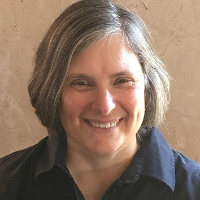
New Mexico · 10 yrs exp
LPCC LMHP focusing on trauma and life stress
Stress, Anxiety · Trauma and abuse · Depression · Coping with life changes · +10 more
Read profile
New Mexico · 10 yrs exp
LCSW working with relationship and life concerns
Family · Parenting · Depression · Coping with life changes · +11 more
Read profile
New Mexico · 4 yrs exp
LCSW focused on anxiety and relationship concerns
Stress, Anxiety · Relationship · Trauma and abuse · Intimacy-related issues · +11 more
Read profile
New Mexico · 10 yrs exp
LPCC, LMHP - adult trauma and relationship work
Stress, Anxiety · Relationship · Family · Trauma and abuse · +14 more
Read profile
New Mexico · 33 yrs exp
LCSW-C specializing in life transitions and trauma
Relationship · Trauma and abuse · Grief · Self esteem · +11 more
Read profile
New Mexico · 8 yrs exp
LPCC in New Mexico - stress and trauma focus
Stress, Anxiety · Addictions · LGBT · Trauma and abuse · +16 more
Read profile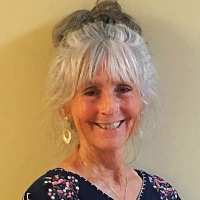
New Mexico · 20 yrs exp
LPCC in New Mexico - stress and trauma
Stress, Anxiety · Addictions · Trauma and abuse · Self esteem · +14 more
Read profile
New Mexico · 14 yrs exp
LCSW focused on mood and relationship concerns
Stress, Anxiety · Relationship · Grief · Depression · +7 more
Read profile
New Mexico · 7 yrs exp
LPC LPCC focusing on stress and trauma
Stress, Anxiety · Trauma and abuse · Career · Depression · +11 more
Read profile
New Mexico · 14 yrs exp
Angela Porter LPCC - Stress and relationship work
Stress, Anxiety · Relationship · Family · Intimacy-related issues · +1 more
Read profile
New Mexico · 4 yrs exp
LCSW - Stress, anxiety, addictions, trauma
Stress, Anxiety · Addictions · LGBT · Trauma and abuse · +1 more
Read profile
New Mexico · 23 yrs exp
LPC, LCMHC focusing on stress and loss
Stress, Anxiety · Grief · Depression · Coping with life changes · +1 more
Read profile
New Mexico · 3 yrs exp
LPCC in New Mexico - stress and addiction work
Stress, Anxiety · Addictions · Self esteem · Depression · +1 more
Read profileOnline therapy has become an accessible option for many people across New Mexico, from urban centers to remote high-desert communities. The shift toward remote sessions expanded options for reaching counselors who work with specific populations or who list specialized approaches. In New Mexico, clinicians who offer online sessions deliver therapy across a range of modalities, and you can often find profiles that highlight experience with particular age groups, cultural backgrounds, or clinical concerns. When you search for an online therapist you will typically see information about education, license type, languages spoken, and the approaches the therapist lists on their profile. That information helps you narrow choices so you can pursue counselors whose backgrounds align with your needs.
Because New Mexico has a mix of urban and rural geography, online sessions can reduce travel time and make it easier to connect regularly. You should be aware that laws and professional standards require therapists providing services to New Mexico residents to hold a New Mexico license. Your therapist profile will usually indicate the license type. This approach to care has created a broader selection of counselors who list experience in areas such as trauma-informed care, family and couples work, mood and anxiety concerns, and culturally responsive practice for New Mexico's diverse communities.
Online therapy can offer several practical benefits when you live in a state with dispersed communities and varied access to in-person services. One of the most immediate advantages is convenience - you can attend sessions from your home, a vehicle, or another location that works for you, provided you have a stable internet connection and a private space for the appointment. This convenience often means you can fit counseling into a workday, school schedule, or family routine without the added commute. For people in smaller towns or on tribal lands, online sessions may broaden the pool of clinicians you can connect with, including those who list experience working with bilingual or Indigenous families.
Another benefit is the ability to match with a therapist based on clinical approach and personal fit rather than geography alone. If you prefer a counselor who lists cognitive-behavioral approaches, narrative therapy, or therapists who list EMDR among their approaches, online care makes those matches more feasible. You may also find therapists who list languages other than English, such as Spanish, which can improve communication and cultural resonance. Finally, online therapy can enhance continuity of care if you move within New Mexico or travel seasonally, since you can maintain sessions with the same clinician when both parties are licensed to practice in the state.
Online therapists in New Mexico address a wide range of concerns that mirror in-person practice. Many clinicians list experience working with anxiety and depression, helping you with symptom management, coping strategies, and relational patterns that contribute to emotional distress. Others focus on life transitions such as adjustment to a new job, parenting challenges, grief and loss, or academic stress. Couples and family counselors who offer online sessions typically work on communication, conflict resolution, and parenting support, and often list the types of relationship work they do on their profiles.
Trauma-related work is another area you may see commonly listed, including therapists who list trauma-informed approaches or modalities like EMDR among their approaches. Some clinicians describe work with behavioral concerns in adolescents, while others focus on chronic health challenges and the emotional toll of managing long-term conditions. Because New Mexico has richly diverse cultural communities, you may also find therapists who list experience with bilingual therapy, cross-cultural issues, and outreach to Indigenous families. When you review profiles, pay attention to the focus areas and the populations each therapist describes, as that will help you understand whether their experience aligns with the issues you want to address.
Verifying that a therapist holds an active New Mexico license is an important step when you are choosing an online counselor. Start by asking for the license type and license number, which many therapists include in their profile. You can then use the official state licensing search to confirm that the license is current and to review any disciplinary history. State license records typically indicate the license category, such as LPC for Licensed Professional Counselor, LCSW for Licensed Clinical Social Worker, LMFT for Licensed Marriage and Family Therapist, or doctoral credentials for psychologists. These records also show expiration dates and any public actions related to the license.
If you prefer, contact the licensing board directly by phone or email to verify details or to ask questions about the scope of practice associated with different license types. When you look at a public license record, note whether the clinician's listed education and license class match what is shown in the state database. It's also reasonable to ask a prospective therapist about their supervision history if they are practicing under a provisional or associate license. Confirming licensure gives you information about regulation and oversight, which is useful when you are comparing counselors and assessing professional credentials.
Getting started with online therapy begins with clarifying your goals. Think about what you want to address in sessions - symptom relief, relationship work, stress management, or personal growth. Use those goals as search filters when you review profiles, and pay attention to the clinical approaches therapists list. If you are unsure which approach fits you best, look for profiles that explain methods in plain language so you can understand how the clinician describes their work. Consider practical details such as session length, fee range, and whether the therapist lists working in Spanish or with Indigenous communities, if those factors matter to you.
When you narrow your choices, prepare a few questions to ask during an initial conversation. You might ask how the therapist typically structures sessions, what outcomes they help people pursue, and how they approach cultural or linguistic differences in counseling. It is appropriate to inquire about fee policies and whether sliding scale options are offered. Before your first session, choose a reliable device and a quiet private space for the appointment. Make sure you have a stable internet connection and that you understand any technological requirements the therapist mentions. If you have health insurance, check whether telehealth visits are covered and how reimbursement works with out-of-network counselors.
As you begin sessions, pay attention to how comfortable you feel talking about sensitive topics and whether the therapist's style aligns with your preferences. Fit is personal - some people respond well to direct, structured approaches while others prefer a more exploratory style. You can evaluate whether the clinician demonstrates cultural humility and respect for your background. If you belong to a community that values tribal jurisdiction or specific cultural practices, look for therapists who list relevant experience and respect for those contexts. Over time, you will get a sense of whether the working relationship helps you move toward your goals, and you can reassess and adjust as needed.
Online therapy can be an effective way to access mental health care across New Mexico when you choose clinicians whose profiles and credentials align with your needs. Keep documentation of your therapist's license number and contact information for the state board in case questions arise. Stay attentive to communication styles, language match, and clinical approaches that resonate with you. If you need specialized services such as assessment for learning differences or coordination with medical providers, make sure to discuss those needs up front so you and your therapist can plan appropriately. With careful research and a clear sense of your goals, you can find an online therapist in New Mexico who supports your path forward.
Addictions
1197 therapists
ADHD
1059 therapists
Anger
1431 therapists
Bipolar
1057 therapists
Chronic Illness
589 therapists
Control Issues
1133 therapists
Depression
2182 therapists
Domestic Violence
741 therapists
Grief
1673 therapists
Guilt and Shame
1694 therapists
Intimacy Issues
1071 therapists
Isolation / Loneliness
1576 therapists
Midlife Crisis
979 therapists
Mood Disorders
1372 therapists
OCD
661 therapists
Panic Disorder and Panic Attacks
1230 therapists
Post-Traumatic Stress
1500 therapists
Self Esteem
2110 therapists
Social Anxiety and Phobia
1501 therapists
Stress & Anxiety
2433 therapists
Trauma and Abuse
1888 therapists
Abandonment
1068 therapists
Aging and Geriatric Issues
751 therapists
Attachment Issues
1187 therapists
Body Image
855 therapists
Career
1239 therapists
Caregiver Issues and Stress
1248 therapists
Communication Problems
1902 therapists
Compassion Fatigue
1108 therapists
Coping with Life Changes
1941 therapists
Divorce
1322 therapists
Family
1669 therapists
Family of Origin Issues
928 therapists
Forgiveness
1546 therapists
Infidelity
808 therapists
Life Purpose
1737 therapists
Parenting
1382 therapists
Relationship
1957 therapists
Self-Love
1692 therapists
Workplace Issues
1240 therapists