
Dr. Kimberly Carroll
AZ Psychologist PSY-003751Arizona · 20 yrs exp
AZ Psychologist - stress, mood, relationships
Stress, Anxiety · Addictions · Grief · Self esteem · +14 more
Read profileTherapist listings are provided by BetterHelp. We will earn a commission at no additional cost to you if you use our links to purchase.
Welcome to our directory of online therapists serving Arizona. All therapists listed here are licensed in Arizona and offer online counseling options. Explore the profiles below to learn about their approaches, specialties, languages, and credentials.
Arizona · 20 yrs exp
AZ Psychologist - stress, mood, relationships
Stress, Anxiety · Addictions · Grief · Self esteem · +14 more
Read profile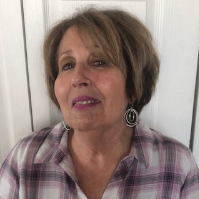
Arizona · 25 yrs exp
Licensed Professional Counselor in Arizona
Stress, Anxiety · Addictions · Relationship · Trauma and abuse · +11 more
Read profile
Arizona · 10 yrs exp
AZ Psychologist focusing on stress and life changes
Stress, Anxiety · Self esteem · Career · Coping with life changes · +14 more
Read profile
Arizona · 20 yrs exp
LPC - Stress, trauma, mood concerns
Stress, Anxiety · Trauma and abuse · Grief · Depression · +9 more
Read profile
Arizona · 15 yrs exp
LCSW - Anxiety, Mood, Life Changes
Stress, Anxiety · Grief · Self esteem · Depression · +12 more
Read profile
Arizona · 32 yrs exp
LCSW in Arizona - stress, anxiety, relationships
Stress, Anxiety · Relationship · Self esteem · Depression · +1 more
Read profile
Arizona · 9 yrs exp
LCSW in Arizona focusing on mood and trauma
Stress, Anxiety · Family · Trauma and abuse · Depression · +1 more
Read profile
Arizona · 18 yrs exp
LPC in Arizona focusing on stress and trauma
Stress, Anxiety · Trauma and abuse · Anger · Self esteem · +1 more
Read profile
Arizona · 17 yrs exp
LCPC LPC focusing on mood and relationship issues
Stress, Anxiety · Relationship · Family · Anger · +14 more
Read profile
Arizona · 20 yrs exp
LPC - stress, mood, and addiction support
Stress, Anxiety · Relationship · Self esteem · Depression · +13 more
Read profile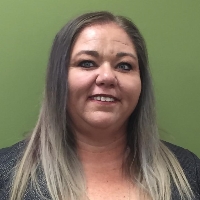
Arizona · 16 yrs exp
LPC, LCMHC - Stress, Mood, and Relationship Work
Stress, Anxiety · Addictions · Relationship · Self esteem · +10 more
Read profile
Arizona · 14 yrs exp
LCSW focused on trauma and life changes
Trauma and abuse · Grief · Anger · Depression · +9 more
Read profile
Arizona · 13 yrs exp
Licensed Clinical Social Worker in Arizona - trauma and relationships
Stress, Anxiety · Relationship · Trauma and abuse · Depression · +12 more
Read profile
Arizona · 28 yrs exp
LMFT and LPC - relationship and trauma work
Relationship · Trauma and abuse · Intimacy-related issues · Anger · +8 more
Read profile
Arizona · 20 yrs exp
LPC helping with stress and life changes
Stress, Anxiety · Grief · Self esteem · Career · +1 more
Read profile
Arizona · 8 yrs exp
LMFT focusing on relationships and coping
Stress, Anxiety · Relationship · Trauma and abuse · Self esteem · +8 more
Read profile
Arizona · 15 yrs exp
LCSW focusing on stress and coping
Stress, Anxiety · Addictions · Trauma and abuse · Self esteem · +12 more
Read profile
Arizona · 13 yrs exp
LCSW focused on trauma, anxiety, and life changes
Stress, Anxiety · Grief · Self esteem · Career · +10 more
Read profile
Arizona · 6 yrs exp
LPC in Arizona focusing on relationships and anxiety
Relationship · Self esteem · Coping with life changes · Stress, Anxiety · +4 more
Read profile
Arizona · 30 yrs exp
LPC in Arizona focusing on mood and trauma
Stress, Anxiety · Trauma and abuse · Bipolar · Depression · +11 more
Read profile
Arizona · 10 yrs exp
LPC in Arizona focusing on stress and trauma
Stress, Anxiety · Addictions · LGBT · Trauma and abuse · +16 more
Read profile
Arizona · 3 yrs exp
Licensed Professional Counselor - trauma and life changes
Trauma and abuse · Self esteem · Career · Depression · +6 more
Read profile
Arizona · 13 yrs exp
LPC helping adults with grief and stress
Grief · Parenting · Compassion fatigue · Stress, Anxiety · +7 more
Read profile
Arizona · 25 yrs exp
Dr. Kendra Stewart, LPC - stress and life changes
Stress, Anxiety · Self esteem · Career · Depression · +1 more
Read profile
Arizona · 7 yrs exp
LPC in Arizona focused on stress and relationships
Stress, Anxiety · Relationship · Family · Self esteem · +10 more
Read profile
Arizona · 25 yrs exp
LCSW - grief, anger, self esteem
Grief · Anger · Self esteem
Read profile
Arizona · 10 yrs exp
Licensed Professional Counselor - stress and mood concerns
Stress, Anxiety · Relationship · Depression · Coping with life changes · +1 more
Read profile
Arizona · 23 yrs exp
LCSW in Arizona focusing on mood and stress
Stress, Anxiety · Self esteem · Depression · Coping with life changes · +1 more
Read profile
Arizona · 25 yrs exp
LCSW working with stress, trauma, and parenting
Stress, Anxiety · Family · Trauma and abuse · Parenting · +1 more
Read profile
Arizona · 22 yrs exp
LCSW - stress, anxiety, depression
Stress, Anxiety · Relationship · Self esteem · Depression · +1 more
Read profile
Arizona · 13 yrs exp
LCSW focusing on anxiety and trauma
Stress, Anxiety · Trauma and abuse · Self esteem · Depression · +1 more
Read profile
Arizona · 6 yrs exp
LCSW focused on relationships and grief
Relationship · Grief · Self esteem · Coping with life changes · +1 more
Read profile
Arizona · 5 yrs exp
LPC focused on anxiety and self-esteem
Stress, Anxiety · Relationship · Self esteem · Depression · +1 more
Read profile
Arizona · 8 yrs exp
LPC - Relationship and life changes specialist
Relationship · Grief · Parenting · Self esteem · +1 more
Read profileIf you live in Arizona and are considering online therapy, you are part of a statewide shift toward remote behavioral health services that has been developing over the last decade. Many licensed clinicians now offer sessions by video, phone, or text-based messaging, which can broaden access to counseling whether you are in a metropolitan area or in a rural community. State regulation requires that clinicians providing services to you be licensed to practice in Arizona, so you will commonly encounter licensed clinical social workers, licensed professional counselors, marriage and family therapists, and psychologists offering online options. Different clinicians list different service formats on their profiles, and some note particular approaches they use, such as cognitive-behavioral strategies, mindfulness-informed work, or therapists who list EMDR among their approaches. Technology and policy continue to evolve, so the mix of options you see may change, but the central point is that online therapy is an established pathway for care across Arizona.
Online therapy in Arizona is not a one-size-fits-all model. Some clinicians focus their work primarily online, while others blend in-person and remote sessions. The format you choose can depend on the kind of work you want to do, the tools the clinician uses, and the practical considerations of your life. For many Arizona residents, online sessions make it possible to access clinicians who specialize in particular issues, speak specific languages, or bring experience with cultural backgrounds similar to your own. Profiles on this site describe approaches, specialties, and credentials so you can identify potential matches before you reach out to learn more.
Online therapy offers several practical benefits that can be especially meaningful in a state as geographically diverse as Arizona. If you live a long drive from a metro area, remote sessions can reduce travel time and let you connect from a convenient location. If your schedule includes long work hours, caregiving responsibilities, or irregular shifts, online sessions can make it easier to fit counseling into your routine without needing to rearrange your day. You may also find that certain modalities translate well to online formats - for example, cognitive-behavioral work, skills-based approaches, and psychotherapeutic conversations commonly adapt to video or phone.
You can often participate in therapy from a comfortable environment that helps you feel more at ease when discussing sensitive topics. Online settings can promote continuity of care when life circumstances change, such as a move within state lines, academic breaks, or work relocations. While remote sessions are not a replacement for every type of clinical care, many people in Arizona find that the balance of convenience and therapeutic connection makes it a valuable option.
People seek online therapy for a wide range of concerns. Many reach out for help with anxiety, worry, panic, and stress-related problems. Depression, low mood, and difficulties with motivation are common reasons to look for a clinician who can work with you using talk therapy and behavioral approaches. Relationship challenges, family transitions, parenting stress, grief, and life-stage adjustments are also frequently addressed through remote sessions. For some, work-related stress, burnout, and career transitions prompt a search for support that fits into a busy schedule.
On this site you will find clinicians who describe a variety of therapeutic approaches and specialties. Some profiles list cognitive-behavioral therapy or mindfulness-based methods among their approaches. Other clinicians list relational or family-focused work, trauma-informed perspectives, or therapists who list EMDR among their approaches. You may also find clinicians who note experience with grief, chronic illness, substance use concerns, or identity-related issues such as LGBTQ+ matters and cultural competence. Because profiles vary in how clinicians describe their focus, reading several profiles can help you notice patterns and identify clinicians whose language matches what you are seeking.
Confirming that a clinician is licensed in Arizona is an important step when you are exploring online therapy. Start by identifying the license type shown on the clinician's profile - common abbreviations include LCSW for licensed clinical social worker, LPC for licensed professional counselor, LMFT for licensed marriage and family therapist, PsyD or PhD for psychologists. Next, use the appropriate Arizona licensing board website to look up the professional by name or license number. Depending on the license type, you may check the Arizona Board of Behavioral Health Examiners or the Arizona State Board of Psychologist Examiners. These official sites provide the license status, expiration date, any public disciplinary actions, and sometimes the date of initial licensure.
When you review a license record, confirm that the status is active and that the clinician is authorized to practice in Arizona. If you see any publicly listed disciplinary actions or restrictions, take time to understand the details by reviewing the board’s documentation or contacting the board directly. License lookup pages also often include the clinician's license number and the date of the most recent renewal. If the profile lists academic credentials or professional titles, you can cross-reference those details as well. If anything on a profile seems unclear, the licensing board can usually provide guidance on what the public record shows.
Beginning online therapy involves both practical steps and reflective choices about fit. A practical starting point is to identify the kinds of specialties and approaches that matter most to you, such as trauma-focused work, couples counseling, anxiety-focused strategies, or a clinician who offers services in a language you prefer. Look at clinician profiles to see how they describe their work, which populations they mention, and which therapeutic approaches they list. Remember that phrases like therapists who list EMDR among their approaches indicate that a clinician includes that method in their practice description, which may be a useful detail as you compare options.
Before your first session, consider where you will sit for a call so you have a comfortable and reasonably personal setting for the conversation. Check whether your clinician uses a video platform that protects your information and whether they provide clear instructions about consent and how sessions will be conducted. Ask about session length, typical fees, and whether they can bill insurance or offer other payment arrangements. If insurance use matters to you, note the clinician’s listed credentials and ask for the information an insurer needs to process claims. Also think about what you want to work on and how you will measure progress - having a goal or two for early sessions can help you and the clinician align on a plan.
When you reach out to a clinician to learn more, you can ask about their experience with the issues you want to address, the approaches they tend to use, and the populations they commonly work with. You can also ask how they structure online sessions and what to expect in a typical meeting. Pay attention to how comfortable you feel with their communication style and whether their descriptions resonate with your needs. Cultural responsiveness, language match, and a clinician’s stated experience with particular life circumstances can be important factors in finding a good working relationship. Over time, trust and effectiveness often depend on both technical competence and a therapeutic connection that feels respectful and collaborative.
Exploring the profiles in this directory can help you identify clinicians who meet the basic professional criteria and whose stated approaches and specialties align with your concerns. Taking a few thoughtful steps before you begin - verifying licensure, clarifying logistics and payment, and reflecting on the qualities that matter to you in a therapist - can make your transition to online therapy smoother and more purposeful. When you are ready, use the listings below to learn more about clinicians who practice in Arizona and to begin the process of connecting with someone whose work fits your needs.
Addictions
1197 therapists
ADHD
1059 therapists
Anger
1431 therapists
Bipolar
1057 therapists
Chronic Illness
589 therapists
Control Issues
1133 therapists
Depression
2182 therapists
Domestic Violence
741 therapists
Grief
1673 therapists
Guilt and Shame
1694 therapists
Intimacy Issues
1071 therapists
Isolation / Loneliness
1576 therapists
Midlife Crisis
979 therapists
Mood Disorders
1372 therapists
OCD
661 therapists
Panic Disorder and Panic Attacks
1230 therapists
Post-Traumatic Stress
1500 therapists
Self Esteem
2110 therapists
Social Anxiety and Phobia
1501 therapists
Stress & Anxiety
2433 therapists
Trauma and Abuse
1888 therapists
Abandonment
1068 therapists
Aging and Geriatric Issues
751 therapists
Attachment Issues
1187 therapists
Body Image
855 therapists
Career
1239 therapists
Caregiver Issues and Stress
1248 therapists
Communication Problems
1902 therapists
Compassion Fatigue
1108 therapists
Coping with Life Changes
1941 therapists
Divorce
1322 therapists
Family
1669 therapists
Family of Origin Issues
928 therapists
Forgiveness
1546 therapists
Infidelity
808 therapists
Life Purpose
1737 therapists
Parenting
1382 therapists
Relationship
1957 therapists
Self-Love
1692 therapists
Workplace Issues
1240 therapists