
Lorraine Helferich
LCPCMaryland · 6 yrs exp
LCPC in Maryland - stress and trauma work
Stress, Anxiety · Trauma and abuse · Self esteem · Coping with life changes · +10 more
Read profileTherapist listings are provided by BetterHelp. We will earn a commission at no additional cost to you if you use our links to purchase.
Welcome to our directory for online therapists serving Maryland. All therapists listed here are licensed in Maryland; you can explore profiles to compare approaches, credentials, languages, and focus areas. Use the listings to find a counselor whose experience and methods align with what you want from therapy.
Maryland · 6 yrs exp
LCPC in Maryland - stress and trauma work
Stress, Anxiety · Trauma and abuse · Self esteem · Coping with life changes · +10 more
Read profile
Maryland · 9 yrs exp
LCPC in Maryland focused on stress and trauma
Stress, Anxiety · Trauma and abuse · Self esteem · Depression · +1 more
Read profile
Maryland · 28 yrs exp
Licensed Certified Social Worker - stress and relationships
Stress, Anxiety · LGBT · Relationship · Depression · +1 more
Read profile
Maryland · 3 yrs exp
LCSW-C in Maryland focusing on anxiety and relationships
Stress, Anxiety · Relationship · Family · Eating · +1 more
Read profile
Maryland · 8 yrs exp
LCPC in Maryland focusing on anxiety and family issues
Stress, Anxiety · Family · Trauma and abuse · Parenting · +1 more
Read profile
Maryland · 10 yrs exp
LCPC in Maryland - relationship and mood concerns
Stress, Anxiety · Relationship · Family · Intimacy-related issues · +12 more
Read profile
Maryland · 25 yrs exp
Licensed Clinical Professional Counselor - stress and relationships
Stress, Anxiety · Family · Parenting · Self esteem · +11 more
Read profile
Maryland · 19 yrs exp
LCPC, LPC - stress anxiety relationship work
Stress, Anxiety · Relationship · Family · Trauma and abuse · +8 more
Read profile
Maryland · 10 yrs exp
LCSW working with stress and relationship concerns
Stress, Anxiety · Addictions · LGBT · Grief · +12 more
Read profile
Maryland · 11 yrs exp
LCSW-C focused on trauma and stress
Stress, Anxiety · Addictions · Trauma and abuse · Parenting · +14 more
Read profile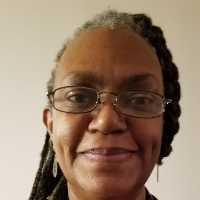
Maryland · 25 yrs exp
Licensed Clinical Professional Counselor - stress and trauma focus
Stress, Anxiety · Addictions · Relationship · Grief · +12 more
Read profile
Maryland · 11 yrs exp
LCSW-C helping with mood and trauma concerns
Stress, Anxiety · Trauma and abuse · Bipolar · Depression · +2 more
Read profile
Maryland · 34 yrs exp
LCSW-C in Maryland focused on mood and stress
Stress, Anxiety · Parenting · Self esteem · Depression · +1 more
Read profile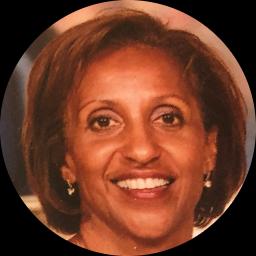
Maryland · 27 yrs exp
LCSW-C LICSW - stress anxiety relationship grief
Stress, Anxiety · Relationship · Grief · Anger · +8 more
Read profile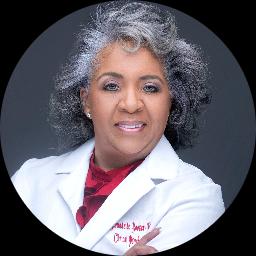
Maryland · 30 yrs exp
LMFT and LCMFT focused on adult concerns
Stress, Anxiety · Addictions · Relationship · Family · +12 more
Read profile
Maryland · 15 yrs exp
Licensed Clinical Professional Counselor - grief and anxiety
Grief · Anger · Self esteem · Career · +8 more
Read profile
Maryland · 12 yrs exp
LICSW LCSW-C - stress, mood, trauma
Stress, Anxiety · Anger · Self esteem · Depression · +7 more
Read profile
Maryland · 40 yrs exp
LCMFT - relationship and trauma work
Stress, Anxiety · Relationship · Family · Trauma and abuse · +8 more
Read profile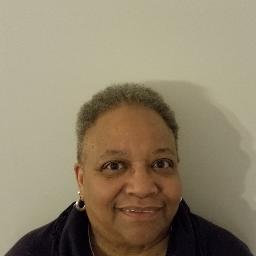
Maryland · 21 yrs exp
LCPC in Maryland focused on mood and trauma issues
Stress, Anxiety · Addictions · Trauma and abuse · Grief · +10 more
Read profile
Maryland · 8 yrs exp
LCPC in Maryland - stress anxiety addictions
Stress, Anxiety · Addictions · Trauma and abuse · Depression · +5 more
Read profile
Maryland · 9 yrs exp
LCSW-C in Maryland focused on trauma and coping
Trauma and abuse · Grief · Self esteem · Career · +8 more
Read profile
Maryland · 11 yrs exp
LCSW-C in Maryland focused on trauma and mood concerns
Stress, Anxiety · Trauma and abuse · Grief · Anger · +10 more
Read profile
Maryland · 24 yrs exp
LCPC in Maryland - mood disorders and trauma
Stress, Anxiety · Trauma and abuse · Self esteem · Coping with life changes · +9 more
Read profile
Maryland · 22 yrs exp
LCSW-C in Maryland - stress and trauma focus
Stress, Anxiety · Addictions · Trauma and abuse · Grief · +10 more
Read profile
Maryland · 20 yrs exp
LICSW LCSW-C - Stress and mood concerns
Stress, Anxiety · Relationship · Family · Anger · +12 more
Read profile
Maryland · 8 yrs exp
LCSW-C in Maryland - stress and trauma focus
Stress, Anxiety · Relationship · Trauma and abuse · Self esteem · +1 more
Read profile
Maryland · 10 yrs exp
LCPC in Maryland - Stress, trauma, mood concerns
Stress, Anxiety · Relationship · Family · Trauma and abuse · +9 more
Read profile
Maryland · 16 yrs exp
LCPC in Maryland - trauma and mood concerns
Stress, Anxiety · Trauma and abuse · Grief · Anger · +10 more
Read profile
Maryland · 7 yrs exp
LCPC in Maryland - stress and relationship work
Stress, Anxiety · Family · Self esteem · Depression · +9 more
Read profile
Maryland · 20 yrs exp
LCPC in Maryland - stress and anxiety work
Stress, Anxiety · Family · Grief · Self esteem · +9 more
Read profile
Maryland · 24 yrs exp
LCSW-C in Maryland - stress, addiction, relationship work
Stress, Anxiety · Addictions · Relationship · Family · +1 more
Read profile
Maryland · 20 yrs exp
LCSW-C focusing on trauma and life transitions
Stress, Anxiety · Trauma and abuse · Grief · Depression · +11 more
Read profile
Maryland · 8 yrs exp
LCPC in Maryland - stress, mood, addictions
Stress, Anxiety · Addictions · LGBT · Relationship · +9 more
Read profile
Maryland · 20 yrs exp
LCPC in Maryland focusing on mood and life changes
Stress, Anxiety · Self esteem · Depression · Relationship · +9 more
Read profile
Maryland · 6 yrs exp
LICSW LCSW-C - LGBT, family, trauma, parenting
LGBT · Family · Trauma and abuse · Parenting · +1 more
Read profile
Maryland · 50 yrs exp
LCSW-C focused on anxiety and mood concerns
Stress, Anxiety · Grief · Self esteem · Depression · +12 more
Read profile
Maryland · 3 yrs exp
LCPC in Maryland - stress, trauma, relationships
Stress, Anxiety · Family · Trauma and abuse · Grief · +8 more
Read profile
Maryland · 7 yrs exp
LCPC in Maryland - stress and life-change support
Stress, Anxiety · Self esteem · Compassion fatigue · Relationship · +4 more
Read profile
Maryland · 8 yrs exp
LCPC in Maryland - stress, anxiety, grief
Stress, Anxiety · Family · Grief · Self esteem · +8 more
Read profile
Maryland · 12 yrs exp
LCPC in Maryland - stress, trauma, mood concerns
Stress, Anxiety · Trauma and abuse · Grief · Self esteem · +9 more
Read profile
Maryland · 8 yrs exp
LCPC in Maryland focused on relationships and mood
Stress, Anxiety · Relationship · Family · Depression · +3 more
Read profile
Maryland · 12 yrs exp
LCPC in Maryland - stress and trauma focus
Stress, Anxiety · Relationship · Trauma and abuse · Depression · +7 more
Read profile
Maryland · 3 yrs exp
LCPC in Maryland focusing on mood and stress
Stress, Anxiety · Grief · Depression · Coping with life changes · +1 more
Read profile
Maryland · 10 yrs exp
LCSW-C helping with stress and self-esteem
Self esteem · Coping with life changes · Stress, Anxiety · Relationship · +2 more
Read profile
Maryland · 30 yrs exp
LCSW LICSW focused on trauma and mood concerns
Stress, Anxiety · Trauma and abuse · Grief · Anger · +1 more
Read profile
Maryland · 5 yrs exp
LICSW LCSW-C focused on stress and mood concerns
Stress, Anxiety · Family · Anger · Depression · +1 more
Read profile
Maryland · 3 yrs exp
LCSW-C working with stress and coaching
Stress, Anxiety · Self esteem · Depression · Coping with life changes · +1 more
Read profile
Maryland · 5 yrs exp
LCSW-C - stress, anxiety, relationships
Stress, Anxiety · LGBT · Intimacy-related issues · Self esteem · +7 more
Read profile
Maryland · 8 yrs exp
LCSW-C helping with anxiety, grief, and life changes
Stress, Anxiety · Grief · Self esteem · Depression · +9 more
Read profile
Maryland · 33 yrs exp
LCSW-C in Maryland focusing on stress and life change
Stress, Anxiety · Trauma and abuse · Grief · Coping with life changes · +10 more
Read profile
Maryland · 6 yrs exp
LCSW-C focused on anxiety and trauma
Stress, Anxiety · Addictions · Relationship · Trauma and abuse · +1 more
Read profile
Maryland · 18 yrs exp
LCSW-C focusing on relationships and mood issues
Relationship · Parenting · Self esteem · Depression · +12 more
Read profile
Maryland · 13 yrs exp
LCSW-C focused on stress and family concerns
Stress, Anxiety · Family · Trauma and abuse · Parenting · +1 more
Read profile
Maryland · 20 yrs exp
LCPC in Maryland focusing on relationships and self esteem
Stress, Anxiety · Relationship · Family · Parenting · +1 more
Read profile
Maryland · 20 yrs exp
Psychologist focused on mood and stress concerns
Stress, Anxiety · Anger · Self esteem · Depression · +1 more
Read profile
Maryland · 25 yrs exp
LCSW-C in Maryland specializing in emotional and relational concerns
Stress, Anxiety · Relationship · Trauma and abuse · Depression · +1 more
Read profile
Maryland · 13 yrs exp
Psychologist focusing on anxiety and trauma
Stress, Anxiety · Relationship · Trauma and abuse · Depression · +1 more
Read profile
Maryland · 5 yrs exp
LCSW-C in Maryland - Aging and caregiver support
Stress, Anxiety · Relationship · Family · Grief · +1 more
Read profile
Maryland · 13 yrs exp
LCSW-C in Maryland focused on mood and trauma
Stress, Anxiety · Trauma and abuse · Grief · Depression · +1 more
Read profile
Maryland · 14 yrs exp
Licensed Clinical Professional Counselor in Maryland - Stress and Trauma
Stress, Anxiety · Family · Trauma and abuse · Coping with life changes · +1 more
Read profileOnline therapy in Maryland has become a mainstream option for people seeking mental health support without traveling to an office. Many licensed counselors and therapists offer remote sessions by video or phone, and you can expect a range of approaches reflected in online profiles. Some therapists emphasize talk therapy, others describe relational or family work, and some list specific modalities among their approaches. Licensing in Maryland is state-based, so the professionals you see in this directory are listed as licensed within the state. That means you can review their credentials and practice descriptions on their profiles to understand their focus and the populations they mention working with.
When you look through online profiles you will find descriptions of education, licensure type, areas of focus such as anxiety, depression, trauma, relationships, or life transitions, and the languages a therapist speaks. Profiles often note whether a therapist works with teens, adults, couples, or families. Because profiles describe what a therapist lists rather than verify specific training in an approach, you will see phrasing such as therapists who list EMDR among their approaches or those who list cognitive-behavioral methods. These descriptions help you narrow choices based on what matters to you as you explore therapeutic options available remotely across Maryland.
Online therapy can reduce the time you spend commuting and make it easier to fit sessions into a busy life. If you live in a rural county or a densely populated urban area, virtual sessions can broaden the range of therapists you can reach. This may help you find a therapist who matches your language needs, clinical focus, or cultural background without limiting you to local office hours. For people balancing work, school, caregiving responsibilities, or unpredictable schedules, the ability to meet remotely can make ongoing care more practical.
You may find that speaking from your own home or another chosen setting helps you feel more at ease during sessions. Remote therapy can also support continuity when you move within the state or need to travel for work for short periods. If you are managing chronic conditions, a fluctuating schedule, or mobility concerns, online care can reduce barriers to keeping a steady therapeutic connection. Remember that a comfortable environment for online sessions includes reliable internet access, a quiet spot where you feel able to speak openly, and a plan for interruptions so you can focus on the work you and your therapist do together.
Many online therapists describe helping people manage anxiety, depression, stress, grief, and low mood. You will find clinicians who write about working with life transitions, adjustment to change, and coping strategies for day-to-day emotional challenges. Descriptions often include cognitive-behavioral strategies among approaches or other therapy styles that therapists list as part of their practice. These profiles can give you a sense of whether a therapist emphasizes symptom management, skill building, or exploratory work.
Online therapists in Maryland also commonly work with couples and families on communication, conflict resolution, parenting challenges, and relationship transitions. Some profiles highlight work with romantic partnerships, blended families, co-parenting arrangements, or adult children and their parents. Because sessions are online, therapists may describe working with partners who are in different locations or coordinating sessions that include multiple family members in separate rooms. Look for the ways therapists describe their approach to relationships and the kinds of dynamics they mention addressing.
Profiles may indicate that a therapist lists trauma-focused methods among their approaches, supports people navigating past difficult experiences, or works with behaviors related to substance use. Therapists often outline populations they work with such as adolescents, veterans, or people from specific cultural communities. Keep in mind that profile language reflects what a therapist lists about their practice rather than certification claims. Use that information to match the kinds of issues you want to address with a therapist’s described focus areas.
License details on a profile help you confirm that a therapist is authorized to practice in Maryland. Licensure categories differ by education and role, so you may see designations such as licensed clinical social worker, licensed clinical professional counselor, psychologist, marriage and family therapist, or other state-recognized titles. Those titles indicate the regulatory category the professional practices under and provide a starting point for understanding scope of practice and educational background.
You can verify license status and view public records through Maryland's licensing board websites that oversee mental health professionals. Those official pages typically allow you to enter a name or license number to confirm that a practitioner holds an active license in the state and to see any public disciplinary actions. When you review a profile here, match the name and license type with the state record to confirm licensure. If a profile lists languages, years of experience, or areas of focus, use the state site only to verify licensure and public record matters while using therapist profiles to evaluate fit on clinical and personal factors.
Begin by reading profiles to identify therapists whose focus areas and approaches align with what you want. Narrow your list by looking at credentials, the populations a therapist mentions working with, languages offered, and methods they list among their approaches. Once you find a few profiles that feel like a match on paper, use the contact or inquiry options provided to ask questions about how they approach the concerns you bring. When you reach out, you can mention what brought you to therapy and ask about practical details of working remotely, such as session length and typical communication methods. Treat your first interactions as an opportunity to get a sense of whether the therapist's style and explanations resonate with you.
Choosing a therapist is part practical and part personal. Pay attention to how a therapist describes their work with people who share your concerns and to whether their language feels respectful and relatable. Consider whether you prefer a therapist who emphasizes skill-building and structure or one who focuses more on exploration and insight. If cultural identity, language, or life experience matters to you, look for those elements in profiles and mention them when you ask questions. Comparing focus areas, approaches, credentials, languages, and experience can help you make an informed choice. If a particular therapist lists approaches you are curious about, such as EMDR or family systems, you can ask them how they integrate those approaches into remote sessions. Over time you will learn whether the rapport you build and the style of work help you meet your goals.
Finding an online therapist in Maryland is a process of matching what you need with how a therapist describes their practice. Use profiles to gather practical details and to get a sense of the therapist's orientation. When you connect, bring your questions and priorities to the initial conversations so you can make a thoughtful decision about who to work with. With a clearer sense of focus and method, you can begin a therapeutic relationship that fits your life and the goals you want to pursue.
Addictions
1197 therapists
ADHD
1059 therapists
Anger
1431 therapists
Bipolar
1057 therapists
Chronic Illness
589 therapists
Control Issues
1133 therapists
Depression
2182 therapists
Domestic Violence
741 therapists
Grief
1673 therapists
Guilt and Shame
1694 therapists
Intimacy Issues
1071 therapists
Isolation / Loneliness
1576 therapists
Midlife Crisis
979 therapists
Mood Disorders
1372 therapists
OCD
661 therapists
Panic Disorder and Panic Attacks
1230 therapists
Post-Traumatic Stress
1500 therapists
Self Esteem
2110 therapists
Social Anxiety and Phobia
1501 therapists
Stress & Anxiety
2433 therapists
Trauma and Abuse
1888 therapists
Abandonment
1068 therapists
Aging and Geriatric Issues
751 therapists
Attachment Issues
1187 therapists
Body Image
855 therapists
Career
1239 therapists
Caregiver Issues and Stress
1248 therapists
Communication Problems
1902 therapists
Compassion Fatigue
1108 therapists
Coping with Life Changes
1941 therapists
Divorce
1322 therapists
Family
1669 therapists
Family of Origin Issues
928 therapists
Forgiveness
1546 therapists
Infidelity
808 therapists
Life Purpose
1737 therapists
Parenting
1382 therapists
Relationship
1957 therapists
Self-Love
1692 therapists
Workplace Issues
1240 therapists