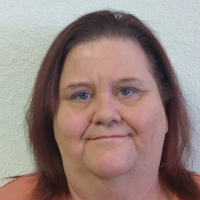
Pamela Rowell
LPCTexas · 9 yrs exp
Licensed Professional Counselor - stress and relationship issues
Stress, Anxiety · Trauma and abuse · Grief · Depression · +12 more
Read profileTherapist listings are provided by BetterHelp. We will earn a commission at no additional cost to you if you use our links to purchase.
Welcome to our directory of online therapists serving Texas. All therapists listed here are licensed in Texas; browse profiles to explore specialties, therapeutic approaches, languages, and experience.
Texas · 9 yrs exp
Licensed Professional Counselor - stress and relationship issues
Stress, Anxiety · Trauma and abuse · Grief · Depression · +12 more
Read profile
Texas · 10 yrs exp
LPC in Texas focusing on anxiety and relationships
Stress, Anxiety · Relationship · Family · Depression · +14 more
Read profile
Texas · 6 yrs exp
LCSW focused on relationships and family concerns
Relationship · Family · Parenting · Self esteem · +7 more
Read profile
Texas · 20 yrs exp
LICSW, LCSW in Texas - Stress and relationship issues
Stress, Anxiety · Addictions · Family · Grief · +15 more
Read profile
Texas · 35 yrs exp
LCSW-C and LCSW focusing on trauma and relationships
Stress, Anxiety · Relationship · Family · Trauma and abuse · +14 more
Read profile
Texas · 12 yrs exp
LPC focusing on trauma and mood concerns
Stress, Anxiety · Trauma and abuse · Eating · Depression · +13 more
Read profile
Texas · 15 yrs exp
LPC helping with addictions and trauma
Addictions · Trauma and abuse · Grief · Anger · +10 more
Read profile
Texas · 3 yrs exp
LCSW focusing on mood and coping
Stress, Anxiety · Anger · Depression · Addictions · +8 more
Read profile
Texas · 15 yrs exp
LPC, LMFT focusing on relationships and anxiety
Stress, Anxiety · Relationship · Family · Intimacy-related issues · +1 more
Read profile
Texas · 17 yrs exp
LPC, LMFT in Texas focused on mood and relationships
Stress, Anxiety · Relationship · Family · Trauma and abuse · +11 more
Read profile
Texas · 20 yrs exp
LPC in Texas helping with stress and relationships
Stress, Anxiety · Relationship · Trauma and abuse · Depression · +11 more
Read profile
Texas · 28 yrs exp
LCSW in Texas focusing on trauma and relationships
Stress, Anxiety · Relationship · Trauma and abuse · Depression · +7 more
Read profile
Texas · 30 yrs exp
LPC in Texas - addictions and mood concerns
Stress, Anxiety · Addictions · Relationship · Family · +13 more
Read profile
Texas · 25 yrs exp
LPC in Texas focusing on relationships and life transitions
Relationship · Family · Grief · Coping with life changes · +12 more
Read profile
Texas · 18 yrs exp
LCSW focusing on stress and life changes
Stress, Anxiety · Career · Coping with life changes · Grief · +1 more
Read profile
Texas · 8 yrs exp
Licensed Professional Counselor - stress and trauma
Stress, Anxiety · Trauma and abuse · Career · Depression · +13 more
Read profile
Texas · 5 yrs exp
LPC in Texas focused on relationships and trauma
Relationship · Family · Trauma and abuse · Grief · +10 more
Read profile
Texas · 14 yrs exp
LPC in Texas focusing on mood and relationships
Stress, Anxiety · Relationship · Trauma and abuse · Self esteem · +9 more
Read profile
Texas · 3 yrs exp
LPC focused on relationship and emotional concerns
Relationship · Stress, Anxiety · Family · Grief · +4 more
Read profile
Texas · 30 yrs exp
LPC in Texas focusing on practical solutions
Stress, Anxiety · Relationship · Grief · Self esteem · +10 more
Read profile
Texas · 7 yrs exp
LPC in Texas focusing on mood and focus issues
Stress, Anxiety · Relationship · Self esteem · Depression · +1 more
Read profile
Texas · 16 yrs exp
LMFT in Texas - stress, anxiety, relationships
Stress, Anxiety · Grief · Self esteem · Coping with life changes · +9 more
Read profile
Texas · 5 yrs exp
LPC focused on stress, relationships, and grief
Stress, Anxiety · Relationship · Grief · Self esteem · +3 more
Read profile
Texas · 30 yrs exp
LPC in Texas focusing on mood and addiction
Stress, Anxiety · Addictions · Relationship · Self esteem · +7 more
Read profile
Texas · 16 yrs exp
LPC - stress, trauma, relationships
Stress, Anxiety · Relationship · Trauma and abuse · Depression · +14 more
Read profile
Texas · 7 yrs exp
LPC in Texas - stress, anxiety, parenting
Stress, Anxiety · Parenting · Anger · Self esteem · +13 more
Read profile
Texas · 30 yrs exp
LCSW focusing on trauma, grief, and life changes
Trauma and abuse · Grief · Coping with life changes · Coaching · +12 more
Read profile
Texas · 9 yrs exp
LPC in Texas focused on mood and relationship work
Stress, Anxiety · Relationship · Bipolar · Depression · +13 more
Read profile
Texas · 11 yrs exp
LPC focusing on trauma and mood concerns
Stress, Anxiety · Trauma and abuse · Grief · Bipolar · +13 more
Read profile
Texas · 4 yrs exp
LPC in Texas focusing on relationship and family issues
Relationship · Family · Intimacy-related issues · Parenting · +9 more
Read profile
Texas · 19 yrs exp
LPC - Anxiety, Depression, Trauma
Stress, Anxiety · Family · Trauma and abuse · Self esteem · +1 more
Read profile
Texas · 46 yrs exp
Dr. Betsy Puentes, LMFT, LPC - Stress and relationship concerns
Stress, Anxiety · Self esteem · Career · Depression · +6 more
Read profile
Texas · 11 yrs exp
LCSW focusing on trauma, eating, and parenting concerns
Trauma and abuse · Eating · Parenting · Self esteem · +1 more
Read profile
Texas · 12 yrs exp
TX Psychologist focusing on stress and trauma
Stress, Anxiety · Family · Trauma and abuse · Anger · +1 more
Read profile
Texas · 5 yrs exp
LPC focusing on anxiety and relationships
Stress, Anxiety · Relationship · Trauma and abuse · Self esteem · +8 more
Read profile
Texas · 4 yrs exp
LMFT focused on trauma and mood concerns
Stress, Anxiety · Addictions · Relationship · Trauma and abuse · +1 more
Read profile
Texas · 15 yrs exp
LPC in Texas focusing on mood and trauma issues
Stress, Anxiety · Addictions · Trauma and abuse · Bipolar · +7 more
Read profile
Texas · 10 yrs exp
Licensed Professional Counselor - mood and stress concerns
Stress, Anxiety · Family · Trauma and abuse · Bipolar · +15 more
Read profile
Texas · 5 yrs exp
LPC in Texas focusing on addiction and trauma
Addictions · Trauma and abuse · Anger · Depression · +1 more
Read profile
Texas · 3 yrs exp
LCSW focusing on stress and trauma
Stress, Anxiety · Family · Trauma and abuse · Self esteem · +1 more
Read profile
Texas · 4 yrs exp
LPC in Texas focusing on anxiety and life changes
Stress, Anxiety · Anger · Self esteem · Depression · +1 more
Read profile
Texas · 9 yrs exp
LPC in Texas - stress, trauma, parenting
Stress, Anxiety · Trauma and abuse · Parenting · Coping with life changes · +1 more
Read profile
Texas · 3 yrs exp
LCSW focusing on mood and trauma
Stress, Anxiety · Trauma and abuse · Anger · Self esteem · +1 more
Read profile
Texas · 9 yrs exp
Licensed Clinical Social Worker - intimacy and life stressors
Intimacy-related issues
Read profile
Texas · 15 yrs exp
LPC in Texas focusing on stress and life changes
Stress, Anxiety · Grief · Anger · Self esteem · +5 more
Read profile
Texas · 8 yrs exp
LPC in Texas focused on mood and life transitions
Stress, Anxiety · Relationship · Career · Bipolar · +1 more
Read profile
Texas · 5 yrs exp
LCSW in Texas - stress, anxiety, parenting, self-esteem
Stress, Anxiety · Parenting · Self esteem · Depression · +1 more
Read profile
Texas · 9 yrs exp
LPC focused on trauma and mood concerns
Stress, Anxiety · Relationship · Trauma and abuse · Grief · +1 more
Read profile
Texas · 11 yrs exp
LPC in Texas focusing on stress and trauma
Stress, Anxiety · Relationship · Trauma and abuse · Anger · +1 more
Read profile
Texas · 14 yrs exp
LMFT focused on relationships and trauma
Relationship · Family · Trauma and abuse · Depression
Read profile
Texas · 3 yrs exp
LPC in Texas - trauma and addiction focus
Addictions · Trauma and abuse · Grief · Self esteem · +9 more
Read profile
Texas · 7 yrs exp
LPC in Texas focused on mood and anxiety
Stress, Anxiety · Relationship · Self esteem · Depression · +1 more
Read profile
Texas · 5 yrs exp
LCSW focused on anxiety and life transitions
Stress, Anxiety · Relationship · Self esteem · Depression · +1 more
Read profile
Texas · 5 yrs exp
Licensed Professional Counselor - stress and mood concerns
Stress, Anxiety · Relationship · Self esteem · Depression · +1 more
Read profile
Texas · 7 yrs exp
Licensed Professional Counselor - anxiety and trauma
Stress, Anxiety · Trauma and abuse · Anger · Self esteem · +1 more
Read profile
Texas · 4 yrs exp
LCSW focused on mood and trauma concerns
Stress, Anxiety · LGBT · Trauma and abuse · Bipolar · +5 more
Read profile
Texas · 3 yrs exp
LPC in Texas focusing on relationships and anxiety
Stress, Anxiety · Relationship · Family · Anger · +1 more
Read profile
Texas · 14 yrs exp
LCSW focusing on mood and addictions
Stress, Anxiety · Addictions · Trauma and abuse · Grief · +1 more
Read profile
Texas · 3 yrs exp
LPC in Texas - stress, anxiety, relationships
Stress, Anxiety · Relationship · Self esteem · Coping with life changes · +1 more
Read profile
Texas · 4 yrs exp
Licensed Clinical Social Worker in Texas - stress and trauma focus
Stress, Anxiety · Trauma and abuse · Grief · Self esteem · +1 more
Read profileOnline therapy has become a common way for people in Texas to access mental health support. Licensed mental health professionals across the state offer sessions using video and phone formats, and many list online work among the services they provide. State licensing rules generally require that providers offering telehealth be licensed in Texas when they are working with residents who are physically located in Texas at the time of the session. That framework means you will most often find counselors, social workers, marriage and family therapists, and psychologists who identify themselves as licensed to practice in Texas and who indicate online sessions as an option on their profiles. Those profiles typically describe approaches, areas of focus, languages spoken, years of experience, and practical details about session length and fees, giving you a foundation for deciding who to contact.
Because rules and technologies evolve, the way online therapy is offered can vary. Some therapists emphasize structured approaches that adapt well to remote work, while others highlight relational and exploratory work that they feel translates effectively to a video or phone setting. When you search, you will see therapists who list specific modalities among their approaches; that listing does not by itself verify training or outcomes. Use profile details and verification steps to make informed choices about who you may want to learn more from.
Online therapy can expand access for people who live in rural areas of Texas or who face long commutes to a clinic. When you connect with a counselor through video or phone, you eliminate travel time and the need to coordinate transportation. That convenience can make it easier to fit therapy into a busy work week or to maintain continuity of care during life transitions such as moving, starting a new job, or changes in family responsibilities. Some people find that speaking from a familiar environment helps them open up sooner, while others prefer meeting from a neutral setting outside their home.
Beyond convenience, online therapy makes it simpler to match with a therapist who speaks your language or specializes in the concerns you want to address. In a large and diverse state like Texas, you may find counselors who list bilingual services or experience working with particular cultural communities. For those who require a predictable, consistent appointment time, the flexibility of remote sessions can reduce missed visits and allow you to sustain momentum. Additionally, online formats can support a variety of therapeutic approaches and are often used to work on coping strategies, relationship patterns, stress management, and life adjustment issues.
Therapists offering online services in Texas work with a wide range of issues. Many profiles note experience addressing anxiety and depressive concerns, and others highlight support for relationship difficulties, family stress, grief, and life transitions. You will also find counselors who list work with trauma-related symptoms, parenting challenges, and concerns around identity, including sexual orientation and gender. People commonly seek online therapy for stress related to work, school, caregiving, or chronic health conditions, as well as for help navigating phases of life such as adolescence, midlife, and retirement.
While some therapists describe structured methods that are frequently used in remote settings, others emphasize exploratory or insight-oriented work. If you have a specific concern such as substance use, attention and organization challenges, or anger management, look for therapists who list those focus areas in their profiles. When a modality is listed, such as cognitive-behavioral approaches or somatic-informed work, understand that the listing reflects an approach the therapist uses rather than an independent certification. Looking at a therapist's described focus areas, the populations they mention, and the languages they speak can help you identify professionals likely to align with your needs.
Confirming a therapist's licensure is an important step when you are evaluating options. Most mental health professions have a public license lookup on the state's licensing board websites where you can enter a name or license number to verify status. When you find a profile, note the professional designation shown - for example LPC, LCSW, LMFT, or psychologist credentials - and use that information to search the appropriate state board. The lookup will typically show whether the license is active, the license type, and whether there are any disciplinary actions or restrictions on practice. Reviewing the board record gives you a factual basis for understanding a provider's standing in Texas.
In addition to checking the board, look for clear listing of education and the type of license on the therapist's profile. You can ask a therapist for their license number if it is not displayed. If you encounter unfamiliar credentials, a board lookup can clarify what those letters mean and what practice scope they indicate. Remember that a licensing record reflects administrative and legal status rather than measures of skill or match, so combine verification with attention to approach, cultural fit, and the specifics of what the therapist lists as their focus areas.
Starting with a clear sense of what you hope to address will make the search more efficient. Think about the most pressing concerns you want to work on, whether short-term coping skills or longer-term personal growth. Use directory filters and profile details to find therapists who list those concerns among their specialties and who describe approaches that resonate with you. When you reach out, ask about session length, typical structure of the first few sessions, fee arrangements, accepted payment methods, and whether the therapist offers notes or worksheets to support your progress. Those practical details help you picture how working together might feel without discussing appointment availability.
Personal fit is a key element in successful therapy. Look for language in profiles that suggests the therapist has experience with your cultural background, life stage, or identity when that matters to you. Consider the therapeutic approaches a therapist lists and how they align with your preferences - some people want direct, skills-focused work while others prefer a reflective, relational style. Language options and experience with specific populations can also be decisive if cultural attunement or bilingual care is important to you. You may choose to contact more than one therapist to get a sense of how each describes their process.
When you communicate with a therapist for the first time, trust your impressions about how they respond to questions and whether their explanations feel clear and respectful. It is reasonable to ask how they tailor their work for remote sessions and what they recommend to help you get the most from online meetings. Also think practically about session length, fee structure, and any paperwork or intake steps that will be required. Over time, assess whether the approach and interaction style help you make progress toward your goals. If not, it is okay to explore other professionals who might be a better match.
Finding the right online therapist in Texas involves combining practical verification steps with attention to approach and personal fit. By reviewing profiles, confirming licensure through state resources, and asking thoughtful questions about process and fees, you position yourself to make an informed choice. Online therapy can offer flexibility and access across a large and diverse state, and taking a considered approach will help you find a counselor whose skills and style align with what you want from the work.
Addictions
1197 therapists
ADHD
1059 therapists
Anger
1431 therapists
Bipolar
1057 therapists
Chronic Illness
589 therapists
Control Issues
1133 therapists
Depression
2182 therapists
Domestic Violence
741 therapists
Grief
1673 therapists
Guilt and Shame
1694 therapists
Intimacy Issues
1071 therapists
Isolation / Loneliness
1576 therapists
Midlife Crisis
979 therapists
Mood Disorders
1372 therapists
OCD
661 therapists
Panic Disorder and Panic Attacks
1230 therapists
Post-Traumatic Stress
1500 therapists
Self Esteem
2110 therapists
Social Anxiety and Phobia
1501 therapists
Stress & Anxiety
2433 therapists
Trauma and Abuse
1888 therapists
Abandonment
1068 therapists
Aging and Geriatric Issues
751 therapists
Attachment Issues
1187 therapists
Body Image
855 therapists
Career
1239 therapists
Caregiver Issues and Stress
1248 therapists
Communication Problems
1902 therapists
Compassion Fatigue
1108 therapists
Coping with Life Changes
1941 therapists
Divorce
1322 therapists
Family
1669 therapists
Family of Origin Issues
928 therapists
Forgiveness
1546 therapists
Infidelity
808 therapists
Life Purpose
1737 therapists
Parenting
1382 therapists
Relationship
1957 therapists
Self-Love
1692 therapists
Workplace Issues
1240 therapists