
Alicia Clement
LPCMichigan · 5 yrs exp
Licensed Professional Counselor - stress and life transitions
Stress, Anxiety · Relationship · Family · Self esteem · +12 more
Read profileTherapist listings are provided by BetterHelp. We will earn a commission at no additional cost to you if you use our links to purchase.
Welcome to our directory of online therapists serving Michigan. All therapists listed here are licensed in Michigan; explore profiles to compare approaches, experience, languages, and credentials.
Michigan · 5 yrs exp
Licensed Professional Counselor - stress and life transitions
Stress, Anxiety · Relationship · Family · Self esteem · +12 more
Read profile
Michigan · 45 yrs exp
LPC in Michigan focusing on addiction and trauma
Stress, Anxiety · Addictions · Trauma and abuse · Grief · +10 more
Read profile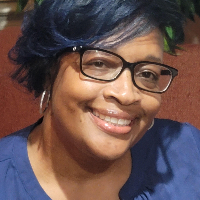
Michigan · 10 yrs exp
LPC in Michigan focusing on relationships and life transitions
Relationship · Family · Self esteem · Career · +5 more
Read profile
Michigan · 10 yrs exp
LPC in Michigan focusing on mood and relationship issues
Stress, Anxiety · Family · Trauma and abuse · Grief · +12 more
Read profile
Michigan · 31 yrs exp
Licensed Professional Counselor in Michigan, focus on mood and behavior
Stress, Anxiety · Addictions · Self esteem · Career · +5 more
Read profile
Michigan · 13 yrs exp
Licensed Professional Counselor in Michigan - stress and relationships
Stress, Anxiety · Relationship · Anger · Self esteem · +1 more
Read profile
Michigan · 20 yrs exp
LMSW focusing on relationship and mood concerns
LGBT · Family · Intimacy-related issues · Parenting · +1 more
Read profile
Michigan · 10 yrs exp
LMSW, LCSW - stress and relationship work
Stress, Anxiety · Anger · Self esteem · Depression · +5 more
Read profile
Michigan · 33 yrs exp
MI Psychologist working with anxiety and life changes
Stress, Anxiety · Parenting · Coping with life changes · Addictions · +7 more
Read profile
Michigan · 10 yrs exp
LMSW, LISW - depression, anxiety, trauma
Addictions · Relationship · Trauma and abuse · Self esteem · +16 more
Read profile
Michigan · 9 yrs exp
LMSW in Michigan - stress, addiction, relationships
Stress, Anxiety · Addictions · Relationship · Trauma and abuse · +15 more
Read profile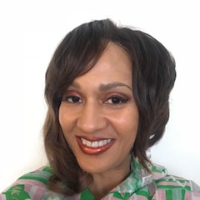
Michigan · 32 yrs exp
LMSW focused on relationship and mood concerns
Stress, Anxiety · Relationship · Trauma and abuse · Self esteem · +16 more
Read profile
Michigan · 8 yrs exp
Licensed LMSW - stress, trauma, transitions
Stress, Anxiety · Self esteem · Depression · Coping with life changes · +9 more
Read profile
Michigan · 25 yrs exp
LPC working with relationship and family concerns
Relationship · Family · Self esteem · Career · +6 more
Read profile
Michigan · 9 yrs exp
LMSW - Anxiety, grief, relationships
Stress, Anxiety · Grief · Self esteem · Depression · +12 more
Read profile
Michigan · 25 yrs exp
LMSW focusing on mood and life transitions
Stress, Anxiety · Addictions · Grief · Self esteem · +15 more
Read profile
Michigan · 35 yrs exp
LPC in Michigan for relationship and life challenges
Family · Self esteem · Career · Coping with life changes · +10 more
Read profile
Michigan · 23 yrs exp
LMSW helping with anxiety and trauma
Stress, Anxiety · LGBT · Relationship · Family · +9 more
Read profile
Michigan · 11 yrs exp
LMSW focused on stress and trauma
Stress, Anxiety · Addictions · Trauma and abuse · Self esteem · +1 more
Read profile
Michigan · 17 yrs exp
LMSW helping adults with stress and trauma
Stress, Anxiety · Relationship · Family · Trauma and abuse · +8 more
Read profile
Michigan · 24 yrs exp
LPCC LPC focused on relationships and sexual health
Stress, Anxiety · LGBT · Relationship · Intimacy-related issues · +10 more
Read profile
Michigan · 20 yrs exp
LPC working with stress, addiction, and trauma
Stress, Anxiety · Addictions · Relationship · Trauma and abuse · +12 more
Read profile
Michigan · 8 yrs exp
LMSW LICSW - stress anxiety trauma focus
Stress, Anxiety · Trauma and abuse · Grief · Self esteem · +11 more
Read profile
Michigan · 20 yrs exp
LMSW, LCSW - stress, anxiety, relationships
Stress, Anxiety · Relationship · Grief · Depression · +14 more
Read profile
Michigan · 6 yrs exp
LPC in Michigan - stress, relationships, addiction
Stress, Anxiety · Relationship · Self esteem · Depression · +7 more
Read profile
Michigan · 25 yrs exp
LMSW focusing on stress and relationships
Stress, Anxiety · Relationship · Self esteem · Coping with life changes · +11 more
Read profile
Michigan · 14 yrs exp
LMSW LICSW - stress, trauma, anxiety
Stress, Anxiety · Addictions · Family · Trauma and abuse · +12 more
Read profile
Michigan · 40 yrs exp
LMSW focusing on stress and relationships
Stress, Anxiety · Relationship · Family · Trauma and abuse · +11 more
Read profile
Michigan · 7 yrs exp
LPC in Michigan focusing on relationships and anxiety
Stress, Anxiety · Relationship · Family · Trauma and abuse · +12 more
Read profile
Michigan · 10 yrs exp
Licensed Master Social Worker in Michigan - stress and trauma
Stress, Anxiety · Trauma and abuse · Depression · ADHD · +11 more
Read profile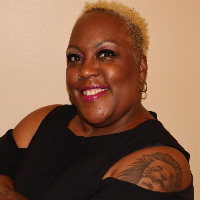
Michigan · 15 yrs exp
LMSW, LISW - stress, trauma, relationships
Stress, Anxiety · Trauma and abuse · Grief · Depression · +11 more
Read profile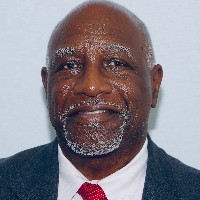
Michigan · 25 yrs exp
LPC in Michigan focused on trauma and stress
Stress, Anxiety · Relationship · Trauma and abuse · Grief · +12 more
Read profile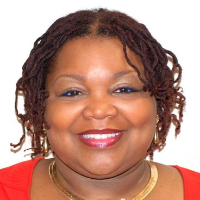
Michigan · 12 yrs exp
Licensed Professional Counselor in Michigan - relationship and grief work
Relationship · Grief · Intimacy-related issues · Self esteem · +8 more
Read profile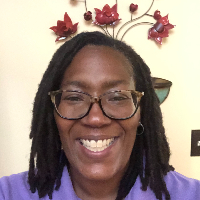
Michigan · 7 yrs exp
Licensed Professional Counselor - stress and mood concerns
Stress, Anxiety · LGBT · Trauma and abuse · Anger · +14 more
Read profile
Michigan · 18 yrs exp
Licensed Professional Counselor - stress and trauma work
Stress, Anxiety · Trauma and abuse · Grief · Self esteem · +14 more
Read profile
Michigan · 8 yrs exp
LPC - stress, trauma, relationships
Stress, Anxiety · Relationship · Trauma and abuse · Self esteem · +10 more
Read profile
Michigan · 10 yrs exp
Licensed Professional Counselor in Michigan - stress and trauma
Stress, Anxiety · Trauma and abuse · Anger · Self esteem · +12 more
Read profile
Michigan · 32 yrs exp
LMSW focused on adult mood and coping concerns
Stress, Anxiety · Relationship · Self esteem · Depression · +11 more
Read profile
Michigan · 4 yrs exp
LPC in Michigan focused on stress and trauma
Stress, Anxiety · Family · Trauma and abuse · Parenting · +12 more
Read profile
Michigan · 30 yrs exp
LMSW in Michigan focusing on stress and grief
Stress, Anxiety · Grief · Self esteem · Coping with life changes · +1 more
Read profile
Michigan · 11 yrs exp
LCSW and LMSW focusing on trauma and coping
Stress, Anxiety · Trauma and abuse · Anger · Self esteem · +10 more
Read profile
Michigan · 26 yrs exp
MI Psychologist focusing on goal-oriented care
Stress, Anxiety · LGBT · Grief · Depression · +12 more
Read profile
Michigan · 18 yrs exp
Licensed Professional Counselor - stress and life changes
Stress, Anxiety · Parenting · Self esteem · Career · +11 more
Read profile
Michigan · 21 yrs exp
LMSW, LCSW - family and trauma focus
Family · Trauma and abuse · Parenting · Depression · +15 more
Read profile
Michigan · 21 yrs exp
Licensed Master Social Worker in Michigan - stress and mood concerns
Stress, Anxiety · Addictions · Self esteem · Career · +15 more
Read profile
Michigan · 10 yrs exp
LMSW focusing on relationship and trauma work
Stress, Anxiety · Relationship · Family · Trauma and abuse · +15 more
Read profile
Michigan · 24 yrs exp
LMSW focusing on stress and relationships
Stress, Anxiety · Relationship · Family · Parenting · +11 more
Read profile
Michigan · 20 yrs exp
LMFT focusing on relationships and life stress
Stress, Anxiety · Relationship · Parenting · Depression · +12 more
Read profile
Michigan · 4 yrs exp
LMSW helping with stress, anxiety, and relationship issues
Stress, Anxiety · Relationship · Parenting · Self esteem · +13 more
Read profile
Michigan · 20 yrs exp
LMSW, LCSW - Stress, anxiety, LGBT, relationships
Stress, Anxiety · LGBT · Relationship · Self esteem · +1 more
Read profile
Michigan · 22 yrs exp
LPC focusing on trauma and LGBT concerns
LGBT · Trauma and abuse · Intimacy-related issues · Self esteem · +1 more
Read profile
Michigan · 13 yrs exp
LMSW focusing on relationship and trauma care
Relationship · Family · Trauma and abuse · Depression · +4 more
Read profile
Michigan · 10 yrs exp
Licensed Professional Counselor - mood and coping concerns
Stress, Anxiety · Depression · Addictions · Relationship · +10 more
Read profile
Michigan · 16 yrs exp
LCSW focused on anxiety and trauma
Stress, Anxiety · Addictions · Trauma and abuse · Self esteem · +15 more
Read profile
Michigan · 5 yrs exp
LMSW focused on anxiety and eating concerns
Stress, Anxiety · Eating · Depression · LGBT · +7 more
Read profile
Michigan · 11 yrs exp
LPC in Michigan focused on anxiety and life changes
Stress, Anxiety · Relationship · Anger · Self esteem · +11 more
Read profile
Michigan · 25 yrs exp
Dr. Kathleen Jager, LMFT - Trauma and life transitions
Stress, Anxiety · Relationship · Trauma and abuse · Grief · +4 more
Read profile
Michigan · 13 yrs exp
LMSW specializing in relationship and identity concerns
Stress, Anxiety · LGBT · Relationship · Coping with life changes · +11 more
Read profile
Michigan · 7 yrs exp
LMSW helping with stress and life changes
Stress, Anxiety · Grief · Coping with life changes · LGBT · +7 more
Read profile
Michigan · 15 yrs exp
LPC focusing on anxiety and life transitions
Stress, Anxiety · Parenting · Depression · Coping with life changes · +14 more
Read profileIn Michigan, online therapy has become a common way to access professional mental health support. You will find clinicians offering video and phone sessions as well as text-based check-ins depending on their practice. Many licensed clinicians include online options among their practice formats and note the therapeutic approaches and populations they work with on their profiles. Because practice models vary, some clinicians describe work with adults, adolescents, couples, families, or specialized populations. When you search, you will see a range of license types and stated approaches; those listings reflect how a clinician describes their work rather than an endorsement of specific training. It helps to think of online therapy as a modality that can expand your options - particularly if you live in a rural part of Michigan, have transportation constraints, or need more flexible scheduling. As you explore, keep in mind that state rules and professional standards shape how clinicians offer remote services, so verifying licensure and reading profiles carefully are useful first steps.
Online therapy can reduce common barriers that often affect access to care in Michigan. If you live outside metropolitan areas, you may find that online visits remove lengthy commutes and make it easier to fit sessions into a busy week. For those balancing work, family, or school responsibilities, remote sessions can save time and lower the threshold for maintaining consistent care. You may also find a wider pool of clinicians who work with your particular concerns, speak your language, or list specialized approaches that resonate with you. Many people appreciate the ability to meet from a familiar location that feels comfortable for them. Additionally, remote therapy can support continuity of care during life transitions such as moving within the state or traveling temporarily. Practical considerations include ensuring you have a reliable internet connection and a quiet, comfortable environment for sessions. Thinking ahead about these technical and environmental aspects will help you make the most of online sessions and feel more engaged during therapeutic work.
Online therapists in Michigan work with a broad range of issues. Many clinicians list work with anxiety and depression, and you will also find profiles that highlight experience with relationship concerns, parenting challenges, and stress related to school or work. Life transitions such as career changes, grief, and adjustment to new family roles are commonly addressed through remote sessions. Those looking for support around trauma, substance use, chronic illness, or attention-related concerns can often find clinicians who list related approaches among their specialties. Couples and family work is frequently described by therapists who list modalities geared to relationships. You will also encounter clinicians who note work with adolescents and young adults, as well as those who emphasize serving particular communities such as LGBTQ+ clients, veterans, or multilingual families. When reading profiles, pay attention to the ways clinicians describe the populations they work with and the approaches they mention. Because profile listings do not guarantee specific credentials or training in a modality, it is reasonable to ask clinicians questions about their experience and how they apply particular approaches in practice.
When you are considering an online therapist, it is important to confirm that the clinician holds an active license in Michigan. You can start by looking for a license number and license type on the therapist's profile. If a license number is available, you can verify it through Michigan's licensing board by using the state's online license lookup or contacting the Department of Licensing and Regulatory Affairs. That lookup typically shows the license status, issue and expiration dates, and any recorded disciplinary actions. If a profile does not list a license number, it is appropriate to request the information directly from the clinician. You may also want to check how the license is listed - for example, whether it is a professional counselor license, a clinical social work license, or another credential used in behavioral health. Verifying a license helps you confirm that the clinician is permitted to practice in Michigan and provides a level of professional oversight. If you are unsure how to interpret a board record, you can contact the licensing board for clarification or seek guidance from a trusted health professional or legal resource. Remember that licensure details tend to change over time, so checking the latest record is the best way to ensure accuracy.
Getting started with online therapy begins with clarifying what you want from counseling and how you prefer to work. Take a moment to identify the issues you want help with and which qualities matter to you in a clinician - for example, a focus on brief skills-based work versus longer-term exploration, a particular therapeutic approach, or someone who speaks your preferred language. Use those priorities to filter and read profiles in the directory. When you find clinicians whose profiles align with your needs, review their descriptions of approach, populations served, and stated experience. It is helpful to prepare a few questions to ask during an initial consultation, such as how they typically structure sessions, what a typical session looks like, what kinds of goals they work on, and how they measure progress. You may also want to ask about practical matters like session length, typical frequency, fee structure, and any client responsibilities around technology and session environment. Since online therapy relies on technology, test your device and internet connection ahead of time and choose a quiet, comfortable environment for sessions. Expect the first few meetings to be a period of mutual exploration - you will get a sense of whether the clinician's style and approach feel like a good match. If after several sessions you do not feel the connection you hoped for, it is appropriate to seek someone whose approach fits your needs better. Choosing the right therapist is a personal process, and many people find success by combining careful profile review with a short period of trial contact to assess fit.
As you explore online therapists in Michigan, remember that profile descriptions are a starting point for conversation rather than a definitive measure of skill. Look for clinicians who clearly describe who they work with and how they approach that work, and do not hesitate to ask direct questions about licensure and experience. Think about logistical factors that matter to you - language, approach, session format, and technological compatibility - and weigh those against the therapeutic qualities you value, such as empathy, clarity, and collaboration. Your needs may evolve, and it is normal for your priorities to shift as you gain experience with therapy. Use the directory to narrow your search, read profiles carefully, and take advantage of introductory conversations to find a clinician whose style and approach feel right for your goals. Starting the search is a meaningful first step toward finding support that fits your life in Michigan.
Addictions
1197 therapists
ADHD
1059 therapists
Anger
1431 therapists
Bipolar
1057 therapists
Chronic Illness
589 therapists
Control Issues
1133 therapists
Depression
2182 therapists
Domestic Violence
741 therapists
Grief
1673 therapists
Guilt and Shame
1694 therapists
Intimacy Issues
1071 therapists
Isolation / Loneliness
1576 therapists
Midlife Crisis
979 therapists
Mood Disorders
1372 therapists
OCD
661 therapists
Panic Disorder and Panic Attacks
1230 therapists
Post-Traumatic Stress
1500 therapists
Self Esteem
2110 therapists
Social Anxiety and Phobia
1501 therapists
Stress & Anxiety
2433 therapists
Trauma and Abuse
1888 therapists
Abandonment
1068 therapists
Aging and Geriatric Issues
751 therapists
Attachment Issues
1187 therapists
Body Image
855 therapists
Career
1239 therapists
Caregiver Issues and Stress
1248 therapists
Communication Problems
1902 therapists
Compassion Fatigue
1108 therapists
Coping with Life Changes
1941 therapists
Divorce
1322 therapists
Family
1669 therapists
Family of Origin Issues
928 therapists
Forgiveness
1546 therapists
Infidelity
808 therapists
Life Purpose
1737 therapists
Parenting
1382 therapists
Relationship
1957 therapists
Self-Love
1692 therapists
Workplace Issues
1240 therapists