
Dr. Daniella Jackson
LMHCFlorida · 20 yrs exp
Dr. Daniella Jackson, LMHC - addiction and mood concerns
Stress, Anxiety · Addictions · Relationship · Self esteem · +16 more
Read profileTherapist listings are provided by BetterHelp. We will earn a commission at no additional cost to you if you use our links to purchase.
Welcome to our directory of online therapists serving Florida. All therapists listed here are licensed in Florida - explore their profiles to compare approaches, specialties, languages and credentials. Use the listings below to learn more about practitioners and narrow your search before reaching out.
Florida · 20 yrs exp
Dr. Daniella Jackson, LMHC - addiction and mood concerns
Stress, Anxiety · Addictions · Relationship · Self esteem · +16 more
Read profile
Florida · 39 yrs exp
LMHC - Relationship and stress counseling
Stress, Anxiety · Relationship · Family · Parenting · +14 more
Read profile
Florida · 30 yrs exp
FL Psychologist focused on practical solutions
Stress, Anxiety · Grief · Anger · Depression · +15 more
Read profile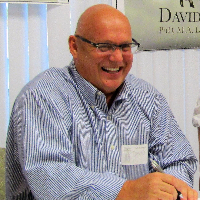
Florida · 20 yrs exp
LMHC LPCC focused on stress and addiction
Stress, Anxiety · Addictions · Relationship · Trauma and abuse · +15 more
Read profile
Florida · 20 yrs exp
LMHC in Florida specializing in mood and relationship concerns
Stress, Anxiety · Grief · Self esteem · Depression · +9 more
Read profile
Florida · 10 yrs exp
LCSW focused on anxiety and trauma
Stress, Anxiety · Trauma and abuse · Grief · Depression · +12 more
Read profile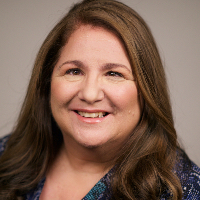
Florida · 24 yrs exp
LMHC in Florida - CBT and coaching
Stress, Anxiety · Career · Depression · Coping with life changes · +12 more
Read profile
Florida · 35 yrs exp
LMHC in Florida focusing on mood and life challenges
Stress, Anxiety · Family · Grief · Eating · +16 more
Read profile
Florida · 13 yrs exp
LMHC in Florida - Stress, Relationships, Addictions
Stress, Anxiety · Trauma and abuse · Anger · Depression · +11 more
Read profile
Florida · 30 yrs exp
LCSW supporting stress, mood, and relationship concerns
Stress, Anxiety · Trauma and abuse · Self esteem · Depression · +11 more
Read profile
Florida · 21 yrs exp
LCSW focused on relationships and life changes
Stress, Anxiety · Relationship · Family · Eating · +16 more
Read profile
Florida · 30 yrs exp
LMHC in Florida - stress, anxiety, addictions
Stress, Anxiety · Addictions · Anger · Self esteem · +1 more
Read profile
Florida · 12 yrs exp
LMHC LPC - relationship and mood concerns
Relationship · Self esteem · Depression · Coping with life changes · +9 more
Read profile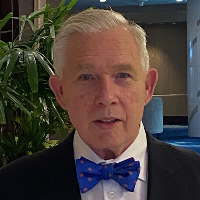
Florida · 40 yrs exp
LCSW focusing on stress and trauma
Stress, Anxiety · Addictions · LGBT · Relationship · +3 more
Read profile
Florida · 30 yrs exp
LMHC in Florida - mood and relationship work
Stress, Anxiety · Relationship · Family · Self esteem · +15 more
Read profile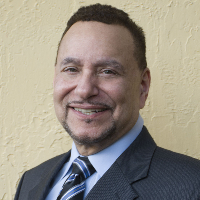
Florida · 30 yrs exp
Dr. Oren Hernández LMHC LMFT - stress and mood concerns
Stress, Anxiety · Addictions · Trauma and abuse · Grief · +14 more
Read profile
Florida · 11 yrs exp
LMHC in Florida - Stress and Addiction focus
Stress, Anxiety · Addictions · Depression · LGBT · +11 more
Read profile
Florida · 18 yrs exp
LCSW - Stress, trauma, mood, and addiction support
Stress, Anxiety · Relationship · Trauma and abuse · Depression · +14 more
Read profile
Florida · 12 yrs exp
LMHC in Florida - Anxiety and Life Changes
Stress, Anxiety · Addictions · Family · Self esteem · +15 more
Read profile
Florida · 32 yrs exp
Licensed Mental Health Counselor in Florida - stress and trauma
Stress, Anxiety · Trauma and abuse · Parenting · Depression · +16 more
Read profile
Florida · 8 yrs exp
LMHC focusing on mood and stress concerns
Stress, Anxiety · Grief · Self esteem · Coping with life changes · +5 more
Read profile
Florida · 6 yrs exp
LMHC in Florida focused on mood and relationships
Stress, Anxiety · Trauma and abuse · Grief · Self esteem · +12 more
Read profile
Florida · 20 yrs exp
LCSW focused on anxiety and life transitions
Stress, Anxiety · Relationship · Self esteem · Depression · +5 more
Read profile
Florida · 5 yrs exp
LCSW focusing on anxiety and life transitions
Stress, Anxiety · Self esteem · Coping with life changes · ADHD · +3 more
Read profile
Florida · 5 yrs exp
LCSW - stress, trauma, and addictions
Stress, Anxiety · Trauma and abuse · Grief · Self esteem · +4 more
Read profile
Florida · 20 yrs exp
LMHC in Florida and Indiana - stress and trauma focus
Stress, Anxiety · Trauma and abuse · Grief · Depression · +15 more
Read profile
Florida · 22 yrs exp
Licensed Clinical Social Worker - stress and trauma
Stress, Anxiety · Trauma and abuse · Grief · Anger · +10 more
Read profile
Florida · 10 yrs exp
LCSW treating stress and mood concerns
Stress, Anxiety · Trauma and abuse · Grief · Depression · +1 more
Read profile
Florida · 16 yrs exp
LMFT focusing on relationships and trauma
Relationship · Family · Trauma and abuse · Grief · +1 more
Read profile
Florida · 20 yrs exp
LMHC focused on anxiety and relationships
Stress, Anxiety · Intimacy-related issues · Self esteem · Compassion fatigue · +7 more
Read profile
Florida · 27 yrs exp
LCSW focusing on stress and mood concerns
Stress, Anxiety · Grief · Anger · Self esteem · +1 more
Read profile
Florida · 15 yrs exp
LCSW focused on mood and life stressors
Stress, Anxiety · Self esteem · Bipolar · Depression · +1 more
Read profile
Florida · 4 yrs exp
LMHC in Florida - stress and trauma work
Stress, Anxiety · Trauma and abuse · Anger · Self esteem · +1 more
Read profile
Florida · 20 yrs exp
LCSW working on anxiety and trauma issues
Stress, Anxiety · Trauma and abuse · Grief · Self esteem · +1 more
Read profile
Florida · 6 yrs exp
LCSW focusing on addictions and grief
Addictions · Grief · Coping with life changes
Read profile
Florida · 11 yrs exp
LMHC in Florida - Stress, Anxiety, Trauma
Stress, Anxiety · Relationship · Trauma and abuse · Self esteem · +1 more
Read profile
Florida · 20 yrs exp
LMFT focused on relationships and identity
Stress, Anxiety · LGBT · Relationship · Intimacy-related issues · +1 more
Read profile
Florida · 26 yrs exp
LCSW focused on addictions and trauma
Addictions · LGBT · Relationship · Trauma and abuse · +1 more
Read profile
Florida · 30 yrs exp
LCSW focused on trauma and life transitions
Relationship · Trauma and abuse · Self esteem · Coping with life changes · +1 more
Read profile
Florida · 40 yrs exp
LMHC focusing on stress, relationships, and self-esteem
Stress, Anxiety · Relationship · Family · Intimacy-related issues · +1 more
Read profile
Florida · 10 yrs exp
LCSW helping adults with anxiety and life change
Stress, Anxiety · Relationship · Self esteem · Depression · +13 more
Read profile
Florida · 5 yrs exp
LMFT focused on relationships and family work
Relationship · Family · Trauma and abuse · Anger · +1 more
Read profile
Florida · 4 yrs exp
LCSW focused on trauma, identity, and relationships
Stress, Anxiety · Addictions · LGBT · Trauma and abuse · +1 more
Read profile
Florida · 8 yrs exp
LCSW focusing on stress, identity, and life changes
Stress, Anxiety · LGBT · Self esteem · Career · +1 more
Read profile
Florida · 4 yrs exp
Licensed Mental Health Counselor - stress and trauma care
Stress, Anxiety · Relationship · Trauma and abuse · Self esteem · +1 more
Read profile
Florida · 3 yrs exp
LMHC in Florida focused on young adults and individuals
Stress, Anxiety · Anger · Self esteem · Depression · +1 more
Read profile
Florida · 29 yrs exp
LPCC LMHC focused on stress and trauma
Stress, Anxiety · Addictions · Relationship · Trauma and abuse · +13 more
Read profile
Florida · 12 yrs exp
LCMHC LMHC - stress anxiety relationship work
Stress, Anxiety · LGBT · Relationship · Grief · +10 more
Read profile
Florida · 23 yrs exp
LMHC in Florida - stress, anxiety, trauma work
Stress, Anxiety · Addictions · Trauma and abuse · Self esteem · +11 more
Read profile
Florida · 22 yrs exp
LMHC in Florida - Trauma, Anxiety, Mood
Stress, Anxiety · Addictions · Trauma and abuse · Self esteem · +12 more
Read profile
Florida · 20 yrs exp
LPC, LMHC - stress, trauma, relationships
Stress, Anxiety · Relationship · Trauma and abuse · Intimacy-related issues · +13 more
Read profile
Florida · 22 yrs exp
LPC, LMHC - Stress anxiety and grief work
Stress, Anxiety · Addictions · Relationship · Family · +7 more
Read profile
Florida · 30 yrs exp
LCSW working with mood and life challenges
Stress, Anxiety · Addictions · Anger · Self esteem · +13 more
Read profile
Florida · 17 yrs exp
LMHC in Florida - trauma and stress work
Stress, Anxiety · Trauma and abuse · Self esteem · Depression · +16 more
Read profile
Florida · 11 yrs exp
Licensed Marriage and Family Therapist - relationship and life concerns
Stress, Anxiety · Relationship · Family · Depression · +13 more
Read profile
Florida · 15 yrs exp
Licensed Mental Health Counselor - adult mood and anxiety work
Stress, Anxiety · Anger · Self esteem · Depression · +4 more
Read profile
Florida · 11 yrs exp
LMHC and LMFT - Relationship and trauma work
Relationship · Family · Trauma and abuse · Parenting · +10 more
Read profile
Florida · 22 yrs exp
LCSW working with trauma and relationships
Addictions · Relationship · Trauma and abuse · Intimacy-related issues · +13 more
Read profile
Florida · 6 yrs exp
LMFT in Florida - stress and relationship focus
Stress, Anxiety · Relationship · Family · Parenting · +8 more
Read profile
Florida · 10 yrs exp
LCSW focusing on stress and relationships
Stress, Anxiety · Relationship · Family · Self esteem · +15 more
Read profileOnline therapy has become a common option for many Florida residents looking for flexible access to mental health and behavioral health services. Providers who offer remote sessions generally list telehealth or online counseling among their services, and many clinicians describe the clinical approaches and populations they work with in their profiles. In Florida, professional practice rules focus on where the client is located at the time of service; that means you will most often see therapists who indicate licensure in Florida when you are searching from inside the state. Online therapy can be offered through video calls, phone sessions, or text-based messaging platforms that clinicians describe in their profiles. When you browse profiles you may notice a range of credentials and approaches listed, and it helps to read clinician biographies to understand how therapists describe their experience, specialties and interests. Profiles on this site are a starting point to learn which therapists list particular approaches or focus areas, rather than a guarantee of specific training or outcomes.
This directory organizes profiles so you can compare several factors at a glance - such as the approaches therapists list, the issues they commonly address, languages spoken and their stated years of experience. Because licensing and practice details can change, the profiles are intended to help you narrow options and prompt the questions you may want to ask directly of a clinician. Your search can begin with the type of help you are looking for, then shift to the approaches you prefer and the credentials you find most relevant. Keep in mind that the information a therapist lists about their approach is descriptive and does not substitute for verifying professional qualifications with the appropriate licensing board.
For many people in Florida, online therapy offers conveniences that in-person care may not. You can often connect from home, work or another location that fits your schedule, which reduces travel time and can make it easier to maintain regular sessions. Remote care can also help you access clinicians who speak the languages you prefer or who focus on specific populations and issues that might not be widely available in your immediate area. If you live in a rural part of the state or you move seasonally between locations, online options can expand the pool of clinicians whose approaches and specialties match what you want.
Online therapy can also provide flexibility in how sessions are delivered. Some therapists list synchronous video or phone sessions alongside asynchronous messaging-based supports. You can look for clinicians who describe ways of working that suit your preferences, whether you are seeking short-term coaching-style support or longer-term therapy. Many people find that the format helps them maintain continuity of care through life transitions. As you consider online therapy, think about the environment where you would participate, the device you will use and how you prefer to communicate about personal matters. Those practical choices play a big role in whether the online format feels comfortable and productive for you.
Online therapists in Florida work with a broad range of concerns. You will often find clinicians who list experience addressing anxiety, depression, relationship challenges, grief, life transitions and stress related to work or caregiving responsibilities. Many profiles also mention support for parenting concerns, trauma-related symptoms, substance use issues, and concerns related to identity or major life decisions. Therapists may describe the populations they work with, such as adolescents, adults, couples or older adults, and you can use that information to identify practitioners who seem aligned with your situation.
Because therapists list the methods they use rather than formal guarantees of outcomes, look for clinicians who mention approaches that resonate with you. For example, some therapists list cognitive-behavioral approaches among their methods, others mention mindfulness-based techniques, and some highlight relational or systems-oriented work. You can also compare how clinicians describe the kinds of goals they help people pursue, such as symptom reduction, interpersonal improvement, coping skills, or emotional growth. These descriptions can give you a sense of whether their usual focus aligns with the kind of support you want.
Before beginning services, it is important to verify that a therapist is licensed to practice in Florida. You can confirm licensure through the state licensing boards that regulate mental health professions. The Florida Department of Health and the relevant professional boards maintain online license verification tools where you can search by name or license number. These public registries typically show the license type, current status, expiration dates and any administrative actions or disciplinary history. Reviewing this information helps you confirm that the clinician holds an active Florida license and allows you to note any public records associated with their license.
When you review a license record, consider the credential type shown and how it relates to the services listed in a therapist's profile. Common credential abbreviations include LCSW, LMHC, LMFT, PsyD and PhD. The license record will help you verify that the credential is active and in good standing. If you have questions about what a particular designation means, the licensing board website often provides explanations about scope of practice and titles. Verifying licensure is a practical step you can take independently and it does not replace a direct conversation with a clinician about their approach and experience.
Getting started typically begins with reviewing profiles to identify clinicians whose specialties and approaches match what you want. Read biographies to understand how therapists describe the issues they address and the techniques they list among their approaches. You may want to prioritize profiles that mention work with the population most like you, the languages you prefer, or specific concerns you are facing. After you narrow your options, prepare a short list of questions to ask when you contact a clinician. Relevant topics to explore include how they describe session structure, what a typical course of work might look like for your goals, the forms of communication they use, their fees and cancellation policies, and whether they work with the particular life circumstances you bring.
When you are preparing for your first online session, think about practical considerations that help the conversation go well. Choose a private space or private space at home where you can talk without interruption. Test your internet connection and the device you will use, and consider using headphones if you want more auditory privacy. Have a list of goals or concerns to share so you and the therapist can use the first session efficiently. It is reasonable to expect a clinician to explain how they structure sessions, how they manage emergencies and how they measure progress. You should feel comfortable asking these questions and listening to how a therapist describes their approach.
Choosing the right therapist often involves both practical matching and personal fit. Practical matching includes credentials, areas of focus, language and approach. Personal fit emerges from the therapeutic connection you feel after a session or two - whether the clinician's communication style and stated ways of working align with what you find helpful. If a clinician lists certain therapeutic methods among their approaches, consider whether those methods appeal to your preferences. Trust your sense of whether the clinician seems respectful of your values and able to address the issues you brought. It is acceptable to try a few conversations before deciding who feels like the right match for the kind of support you want.
Addictions
1197 therapists
ADHD
1059 therapists
Anger
1431 therapists
Bipolar
1057 therapists
Chronic Illness
589 therapists
Control Issues
1133 therapists
Depression
2182 therapists
Domestic Violence
741 therapists
Grief
1673 therapists
Guilt and Shame
1694 therapists
Intimacy Issues
1071 therapists
Isolation / Loneliness
1576 therapists
Midlife Crisis
979 therapists
Mood Disorders
1372 therapists
OCD
661 therapists
Panic Disorder and Panic Attacks
1230 therapists
Post-Traumatic Stress
1500 therapists
Self Esteem
2110 therapists
Social Anxiety and Phobia
1501 therapists
Stress & Anxiety
2433 therapists
Trauma and Abuse
1888 therapists
Abandonment
1068 therapists
Aging and Geriatric Issues
751 therapists
Attachment Issues
1187 therapists
Body Image
855 therapists
Career
1239 therapists
Caregiver Issues and Stress
1248 therapists
Communication Problems
1902 therapists
Compassion Fatigue
1108 therapists
Coping with Life Changes
1941 therapists
Divorce
1322 therapists
Family
1669 therapists
Family of Origin Issues
928 therapists
Forgiveness
1546 therapists
Infidelity
808 therapists
Life Purpose
1737 therapists
Parenting
1382 therapists
Relationship
1957 therapists
Self-Love
1692 therapists
Workplace Issues
1240 therapists