
Brittany Elledge
LPCC, LMHCPennsylvania · 12 yrs exp
LPCC LMHC - Stress, anxiety, relationships
Stress, Anxiety · Relationship · Self esteem · Depression · +11 more
Read profileTherapist listings are provided by BetterHelp. We will earn a commission at no additional cost to you if you use our links to purchase.
Welcome to our directory of online therapists who serve Pennsylvania residents. All therapists listed here are licensed to practice in the state, and you can explore profiles to compare credentials, approaches, languages, and areas of focus. Use the listings below to find counselors who match the qualities that matter most to you.
Pennsylvania · 12 yrs exp
LPCC LMHC - Stress, anxiety, relationships
Stress, Anxiety · Relationship · Self esteem · Depression · +11 more
Read profile
Pennsylvania · 28 yrs exp
Licensed Professional Counselor - addictions and relationship work
Addictions · Relationship · Family · Trauma and abuse · +3 more
Read profile
Pennsylvania · 20 yrs exp
LPC in Pennsylvania focusing on trauma and life changes
Trauma and abuse · Parenting · Career · Coping with life changes · +14 more
Read profile
Pennsylvania · 10 yrs exp
LCSW focusing on mood and anxiety concerns
Stress, Anxiety · Addictions · Parenting · Bipolar · +9 more
Read profile
Pennsylvania · 15 yrs exp
LCSW focused on stress and family concerns
Stress, Anxiety · Family · Parenting · Self esteem · +1 more
Read profile
Pennsylvania · 13 yrs exp
LPC in Pennsylvania - stress, trauma, intimacy
Stress, Anxiety · Trauma and abuse · Intimacy-related issues · Anger · +1 more
Read profile
Pennsylvania · 40 yrs exp
LCSW in Pennsylvania focusing on anxiety and life changes
Stress, Anxiety · Self esteem · Career · Depression · +8 more
Read profile
Pennsylvania · 30 yrs exp
Licensed Professional Counselor - Stress, Anxiety, Relationships
Stress, Anxiety · Relationship · Parenting · Career · +10 more
Read profile
Pennsylvania · 16 yrs exp
LPC in Pennsylvania - stress and trauma focus
Stress, Anxiety · Trauma and abuse · Self esteem · Depression · +1 more
Read profile
Pennsylvania · 5 yrs exp
LPC in Pennsylvania focusing on trauma and mood concerns
Trauma and abuse · Intimacy-related issues · Bipolar · Coping with life changes
Read profile
Pennsylvania · 13 yrs exp
LPC in Pennsylvania - relationships and life transitions
Stress, Anxiety · Relationship · Family · Grief · +1 more
Read profile
Pennsylvania · 12 yrs exp
LPC working with stress and relationships
Stress, Anxiety · Relationship · Depression
Read profile
Pennsylvania · 21 yrs exp
LCSW focusing on anxiety, depression, and life changes
Stress, Anxiety · Relationship · Grief · Depression · +1 more
Read profile
Pennsylvania · 23 yrs exp
LPC in Pennsylvania focusing on mood and life stressors
Stress, Anxiety · Relationship · Parenting · Self esteem · +8 more
Read profile
Pennsylvania · 13 yrs exp
LPC focused on anxiety and relationships
Stress, Anxiety · Relationship · Grief · Self esteem · +14 more
Read profile
Pennsylvania · 14 yrs exp
Licensed Professional Counselor - stress and trauma focus
Stress, Anxiety · Addictions · Relationship · Depression · +16 more
Read profile
Pennsylvania · 7 yrs exp
LMHC LPC - stress and mood concerns
Stress, Anxiety · Addictions · Trauma and abuse · Bipolar · +13 more
Read profile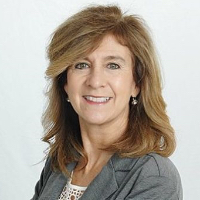
Pennsylvania · 34 yrs exp
LPC, LCMHC - stress, anxiety, trauma
Stress, Anxiety · Family · Trauma and abuse · Parenting · +12 more
Read profile
Pennsylvania · 10 yrs exp
Licensed Professional Counselor in Pennsylvania
Stress, Anxiety · Relationship · Sleeping · Depression · +15 more
Read profile
Pennsylvania · 3 yrs exp
Licensed Professional Counselor - stress and relationship work
Stress, Anxiety · Relationship · Family · Grief · +16 more
Read profile
Pennsylvania · 5 yrs exp
LPC focusing on relationships and trauma
Relationship · Trauma and abuse · Self esteem · Depression · +14 more
Read profile
Pennsylvania · 3 yrs exp
LPC - Anxiety, trauma, relationship support
Stress, Anxiety · LGBT · Relationship · Trauma and abuse · +9 more
Read profile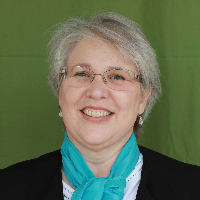
Pennsylvania · 35 yrs exp
LPC in Pennsylvania - stress, trauma, relationships
Stress, Anxiety · Relationship · Family · Parenting · +9 more
Read profile
Pennsylvania · 20 yrs exp
LCMHC LCPC focusing on recovery and trauma-informed care
Stress, Anxiety · Addictions · LGBT · Grief · +14 more
Read profile
Pennsylvania · 24 yrs exp
LCSW in Pennsylvania - mood, stress, and relationship care
Stress, Anxiety · Addictions · Relationship · Family · +11 more
Read profile
Pennsylvania · 17 yrs exp
LPC in Pennsylvania focusing on mood and trauma
Stress, Anxiety · Self esteem · Depression · Compassion fatigue · +9 more
Read profile
Pennsylvania · 27 yrs exp
LPC - Stress, trauma, and life changes
Stress, Anxiety · Addictions · Trauma and abuse · Depression · +16 more
Read profile
Pennsylvania · 12 yrs exp
Licensed Professional Counselor - stress and anxiety focus
Stress, Anxiety · Grief · Self esteem · Career · +10 more
Read profile
Pennsylvania · 16 yrs exp
LCSW focused on mood and trauma
Stress, Anxiety · Self esteem · Career · Depression · +11 more
Read profile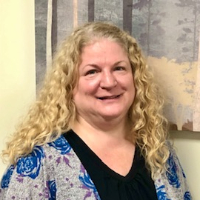
Pennsylvania · 23 yrs exp
Licensed Clinical Social Worker - stress and life changes
Stress, Anxiety · Relationship · Grief · Depression · +13 more
Read profile
Pennsylvania · 11 yrs exp
Licensed Professional Counselor - stress and mood concerns
Stress, Anxiety · Anger · Self esteem · Bipolar · +7 more
Read profile
Pennsylvania · 3 yrs exp
LPC - Stress, anxiety, relationships
Stress, Anxiety · Intimacy-related issues · Career · Depression · +16 more
Read profile
Pennsylvania · 20 yrs exp
LPC in Pennsylvania focusing on mood and addictions
Stress, Anxiety · Relationship · Anger · Depression · +6 more
Read profile
Pennsylvania · 18 yrs exp
LPC in Pennsylvania focusing on mood and trauma care
Stress, Anxiety · Trauma and abuse · Grief · Self esteem · +8 more
Read profile
Pennsylvania · 6 yrs exp
Licensed Professional Counselor - stress and addictions
Stress, Anxiety · Addictions · Trauma and abuse · Self esteem · +14 more
Read profile
Pennsylvania · 10 yrs exp
LPC focusing on relationships and life transitions
Relationship · Family · Intimacy-related issues · Self esteem · +16 more
Read profile
Pennsylvania · 10 yrs exp
Licensed Professional Counselor in Pennsylvania - stress and relationships
Stress, Anxiety · Relationship · Family · Self esteem · +1 more
Read profile
Pennsylvania · 15 yrs exp
LPC in Pennsylvania focusing on mood and relationship issues
Stress, Anxiety · Addictions · Family · Anger · +10 more
Read profile
Pennsylvania · 10 yrs exp
LMFT focused on relationships and life stressors
Stress, Anxiety · Relationship · Family · Self esteem · +10 more
Read profile
Pennsylvania · 25 yrs exp
LPC in Pennsylvania focusing on anxiety and trauma
Stress, Anxiety · Relationship · Trauma and abuse · Grief · +1 more
Read profile
Pennsylvania · 3 yrs exp
Licensed Professional Counselor - stress and relationships
Stress, Anxiety · Relationship · Family · Trauma and abuse · +10 more
Read profile
Pennsylvania · 30 yrs exp
LPC in Pennsylvania focusing on mood and coping skills
Stress, Anxiety · Family · Trauma and abuse · Self esteem · +13 more
Read profile
Pennsylvania · 9 yrs exp
LPC LPMHC specializing in stress and anxiety
Stress, Anxiety · Self esteem · Coping with life changes · Coaching · +8 more
Read profile
Pennsylvania · 37 yrs exp
LPC in Pennsylvania focusing on addictions and relationships
Addictions · Relationship · Trauma and abuse · Intimacy-related issues · +11 more
Read profile
Pennsylvania · 40 yrs exp
PA Psychologist - Stress and Trauma
Stress, Anxiety · Trauma and abuse · Parenting · Depression · +2 more
Read profile
Pennsylvania · 8 yrs exp
Licensed Clinical Social Worker - Stress and trauma
Stress, Anxiety · Self esteem · Depression · Relationship · +9 more
Read profile
Pennsylvania · 5 yrs exp
LPC focusing on anxiety and addictions
Stress, Anxiety · Addictions · Grief · LGBT · +11 more
Read profile
Pennsylvania · 8 yrs exp
LCSW focused on stress, trauma, and grief
Stress, Anxiety · Trauma and abuse · Anger · Career · +2 more
Read profile
Pennsylvania · 14 yrs exp
LCSW LICSW - relationship and life challenges
Relationship · Family · Grief · Coping with life changes · +15 more
Read profile
Pennsylvania · 26 yrs exp
LPC in Pennsylvania focused on midlife and mood
Stress, Anxiety · Addictions · Relationship · Depression · +5 more
Read profile
Pennsylvania · 10 yrs exp
Licensed Professional Counselor - stress and attention concerns
Stress, Anxiety · Relationship · Self esteem · ADHD · +13 more
Read profile
Pennsylvania · 30 yrs exp
Dr. Bridgette Montgomery, LCSW - Stress and Trauma care
Stress, Anxiety · Trauma and abuse · Depression
Read profile
Pennsylvania · 6 yrs exp
LPC in Pennsylvania focusing on anxiety and OCD
Stress, Anxiety · Family · Parenting · Self esteem · +11 more
Read profile
Pennsylvania · 11 yrs exp
LPC in Pennsylvania focusing on addiction and trauma
Stress, Anxiety · Addictions · Relationship · Trauma and abuse · +9 more
Read profile
Pennsylvania · 30 yrs exp
LPC in Pennsylvania focused on mood and relationships
Stress, Anxiety · Relationship · Family · Depression · +9 more
Read profile
Pennsylvania · 23 yrs exp
LCSW focusing on stress, trauma, and relationships
Stress, Anxiety · Family · Trauma and abuse · Parenting · +13 more
Read profile
Pennsylvania · 25 yrs exp
LPC focused on relationships and addiction recovery
Relationship · Family · Intimacy-related issues · Parenting · +8 more
Read profile
Pennsylvania · 13 yrs exp
PA Psychologist focused on stress and addictions
Stress, Anxiety · Addictions · Depression · Coping with life changes · +6 more
Read profile
Pennsylvania · 17 yrs exp
Licensed Professional Counselor in Pennsylvania - stress, trauma, mood disorders
Stress, Anxiety · Trauma and abuse · Grief · Depression · +8 more
Read profile
Pennsylvania · 22 yrs exp
Licensed Professional Counselor - stress anxiety LGBT trauma
Stress, Anxiety · LGBT · Trauma and abuse · Self esteem · +1 more
Read profileAs telehealth has become more widely used, online therapy has grown into an accessible route for many Pennsylvanians seeking mental health support. In Pennsylvania you will find licensed clinicians offering one-on-one sessions by video, phone, or other remote formats. Licensing and practice rules are governed by state regulatory boards, so clinicians who offer services to people in Pennsylvania must hold the appropriate Pennsylvania license for their profession. Because laws and professional policies evolve, therapists often describe the formats they use on their profiles so you can determine whether their approach matches what you need.
When you review listings, you may see a range of professional credentials and listed therapeutic approaches. Those profile entries are a starting point for understanding a clinician's focus and background. Remember that a therapist's profile provides summary information rather than a full account of their training, experience, or the exact services they provide. Use profiles to form questions you can ask directly when you reach out.
You may discover that online therapy fits your life because it reduces the need to travel and allows sessions to happen from home, work, or another comfortable environment. That convenience can make it easier to maintain consistent care when your schedule changes, when weather affects travel, or when you live in a rural area where in-person options are limited. Online formats also expand your ability to search for clinicians who speak your language, share aspects of your identity, or list experience with issues that matter to you.
Online therapy can also support continuity of care when life circumstances change. You can find clinicians who work with adults, adolescents, couples, parents, or families without being restricted to a narrow geographic radius. At the same time, it is important to recognize that remote care has practical requirements - a reliable internet connection or a phone, a personal setting for conversation, and familiarity with the technology used for sessions. For urgent crises or situations involving immediate risk, online therapy is not a substitute for emergency services. If you or someone else is in immediate danger, contact local emergency responders or a crisis line in your area right away.
If you are weighing whether online therapy suits your needs, you will find clinicians who work with a broad range of concerns. Many people seek help for anxiety, depression, stress, relationship challenges, grief, and major life transitions such as job change or caregiving responsibilities. You can also locate therapists who list experience supporting people with trauma-related reactions, sleep difficulties, anger management, parenting challenges, workplace stress, and coping with long-term medical issues. Some clinicians indicate that they work with concerns related to substance use or behavioral patterns, while others focus on adjustment issues, identity and sexuality questions, or family dynamics.
Therapists often list the therapeutic approaches they draw on, such as cognitive-behavioral methods, mindfulness-informed work, psychodynamic perspectives, acceptance-oriented strategies, or other models. Seeing an approach listed can help you identify clinicians whose style may align with your preferences, but listing an approach does not by itself confirm specific training or certification in that method. You may prefer a therapist who communicates clearly about how they apply particular approaches to the kinds of challenges you bring.
Before you begin services, you may want to confirm a clinician's license and standing with the appropriate Pennsylvania licensing board. Many therapist profiles include a license type and number. If a license number is provided, you can use Pennsylvania's official license verification tools maintained by the state to confirm that the license is active and to review any public disciplinary history. Different professions are overseen by different boards, so check the board relevant to the clinician's listed credential - for example, social work, professional counseling, marriage and family therapy, psychology, or medicine.
When you review a license record, look at the license type, the expiration date, and whether any public actions or sanctions are listed. If you do not see a license number on a profile, or if you want additional confirmation, you can contact the state licensing board by phone or through the state's online services to request verification. Asking a therapist directly for their license details is also reasonable; most clinicians will provide the information you need. Verifying licensure gives you a clearer picture of a clinician's legal standing and helps you make an informed choice about who to contact.
When you are ready to begin, start by identifying what matters most to you. Think about whether you prefer a clinician with experience in certain issues, someone who speaks your language, a therapist who shares aspects of your identity, or a clinician who lists particular approaches. Use the directory to narrow candidates by credentials, areas of focus, and languages spoken. Once you have a short list, prepare a few questions to ask in an initial message or consultation. You might ask how they typically work with the issue you bring, what a typical session looks like, which remote formats they use, and how they handle scheduling and fees. You can also inquire about insurance billing and whether they offer a sliding scale if that is relevant to you.
Practical matters are important too. Make sure you understand the technology the clinician uses for sessions and test your equipment in advance. Choose a quiet, comfortable environment where you can speak without interruption. For the first session, having a brief list of goals or concerns can help you make efficient use of time. Pay attention to how the therapist communicates in initial messages and whether their style feels respectful and attuned to your needs. Trust your judgment - if a clinician's approach, tone, or area of focus does not feel like a good fit, it is acceptable to continue your search until you find someone who does.
Finally, know that building a working relationship can take a few sessions. You can evaluate how well the clinician understands your concerns and whether their suggested strategies resonate with you. If you have questions about a particular therapy approach you see listed on a profile, feel free to ask how they apply that approach in practice. Therapists may list modalities such as EMDR among their approaches, but listing a method on a profile is not the same as documented certification. Asking directly about a clinician's experience with specific techniques will help you make an informed decision.
Use the directory listings to compare credentials, read how clinicians describe their focus areas, and note languages and populations they highlight. Reach out with a short message that outlines your needs and asks a few practical questions. Taking these steps will help you find someone whose methods, communication style, and background align with what you are looking for. If you ever feel unsure, you can consult the state licensing resources mentioned earlier or seek recommendations from trusted local health professionals.
Addictions
1197 therapists
ADHD
1059 therapists
Anger
1431 therapists
Bipolar
1057 therapists
Chronic Illness
589 therapists
Control Issues
1133 therapists
Depression
2182 therapists
Domestic Violence
741 therapists
Grief
1673 therapists
Guilt and Shame
1694 therapists
Intimacy Issues
1071 therapists
Isolation / Loneliness
1576 therapists
Midlife Crisis
979 therapists
Mood Disorders
1372 therapists
OCD
661 therapists
Panic Disorder and Panic Attacks
1230 therapists
Post-Traumatic Stress
1500 therapists
Self Esteem
2110 therapists
Social Anxiety and Phobia
1501 therapists
Stress & Anxiety
2433 therapists
Trauma and Abuse
1888 therapists
Abandonment
1068 therapists
Aging and Geriatric Issues
751 therapists
Attachment Issues
1187 therapists
Body Image
855 therapists
Career
1239 therapists
Caregiver Issues and Stress
1248 therapists
Communication Problems
1902 therapists
Compassion Fatigue
1108 therapists
Coping with Life Changes
1941 therapists
Divorce
1322 therapists
Family
1669 therapists
Family of Origin Issues
928 therapists
Forgiveness
1546 therapists
Infidelity
808 therapists
Life Purpose
1737 therapists
Parenting
1382 therapists
Relationship
1957 therapists
Self-Love
1692 therapists
Workplace Issues
1240 therapists