
Courtney Buchanan
LPCConnecticut · 15 yrs exp
LPC focused on relationships and life transitions
LGBT · Family · Trauma and abuse · Parenting · +16 more
Read profileTherapist listings are provided by BetterHelp. We will earn a commission at no additional cost to you if you use our links to purchase.
Welcome to our Connecticut online therapy directory. All therapists listed here are licensed to practice in Connecticut and provide teletherapy services to state residents. Explore the profiles below to compare approaches, credentials and languages, and learn more about finding a good fit.
Connecticut · 15 yrs exp
LPC focused on relationships and life transitions
LGBT · Family · Trauma and abuse · Parenting · +16 more
Read profile
Connecticut · 3 yrs exp
LCSW focused on grief and coping
Grief · Self esteem · Career · Coping with life changes · +1 more
Read profile
Connecticut · 22 yrs exp
LCSW focusing on mood, anxiety, relationships
Stress, Anxiety · Relationship · Self esteem · Depression · +9 more
Read profile
Connecticut · 24 yrs exp
LCSW in Connecticut focusing on mental health and caregiving
Stress, Anxiety · Relationship · Family · Self esteem · +10 more
Read profile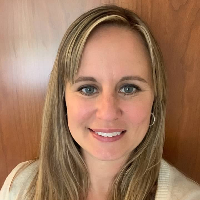
Connecticut · 10 yrs exp
Licensed Professional Counselor in Connecticut - Mood and coping concerns
Stress, Anxiety · Addictions · Trauma and abuse · Eating · +14 more
Read profile
Connecticut · 5 yrs exp
LPC Connecticut therapist focused on mood and relationships
Stress, Anxiety · Trauma and abuse · Grief · Bipolar · +9 more
Read profile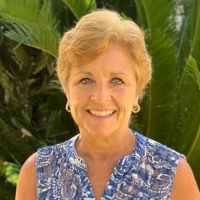
Connecticut · 38 yrs exp
LCSW in Connecticut working on stress and trauma
Stress, Anxiety · Trauma and abuse · Parenting · Coping with life changes · +12 more
Read profile
Connecticut · 21 yrs exp
LCSW in Connecticut focused on mood and stress
Stress, Anxiety · Parenting · Anger · Self esteem · +10 more
Read profile
Connecticut · 31 yrs exp
LCSW helping adults with trauma and life transitions
Stress, Anxiety · Relationship · Trauma and abuse · Depression · +14 more
Read profile
Connecticut · 9 yrs exp
LPC focused on relationships and practical skills
Stress, Anxiety · Relationship · Family · Parenting · +10 more
Read profile
Connecticut · 6 yrs exp
LCSW focusing on stress and relationship concerns
Stress, Anxiety · Trauma and abuse · Parenting · Self esteem · +14 more
Read profile
Connecticut · 29 yrs exp
LCSW focusing on addictions and trauma
Addictions · Trauma and abuse · Self esteem · Coping with life changes · +12 more
Read profile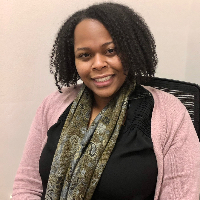
Connecticut · 9 yrs exp
CT and RI psychologist focusing on CBT and life stressors
Stress, Anxiety · Relationship · Family · Depression · +9 more
Read profile
Connecticut · 30 yrs exp
LCSW focusing on mood and anxiety concerns
Stress, Anxiety · Anger · Self esteem · Depression · +7 more
Read profile
Connecticut · 10 yrs exp
LCSW focusing on mood and addiction concerns
Stress, Anxiety · Addictions · Self esteem · Depression · +7 more
Read profile
Connecticut · 22 yrs exp
LCSW - stress, trauma, grief, parenting
Stress, Anxiety · Trauma and abuse · Grief · Parenting · +5 more
Read profile
Connecticut · 40 yrs exp
LCSW - stress, relationships, trauma
Stress, Anxiety · Relationship · Grief · Intimacy-related issues · +15 more
Read profile
Connecticut · 12 yrs exp
Dr. Charles Frazier, LCSW - relationships and family concerns
Relationship · Family · Anger · Coaching · +10 more
Read profile
Connecticut · 14 yrs exp
LCSW focusing on stress, trauma, and relationships
Stress, Anxiety · Family · Trauma and abuse · Self esteem · +9 more
Read profile
Connecticut · 12 yrs exp
LMHC, LPC - Relationship and mood concerns
Relationship · Anger · Career · Depression · +7 more
Read profile
Connecticut · 25 yrs exp
LCSW focusing on anxiety and trauma
Stress, Anxiety · Relationship · Trauma and abuse · Self esteem · +1 more
Read profile
Connecticut · 27 yrs exp
LCPC and LPC working with mood and trauma issues
Stress, Anxiety · Addictions · Trauma and abuse · Anger · +1 more
Read profile
Connecticut · 6 yrs exp
Licensed Professional Counselor - Stress and ADHD focus
Stress, Anxiety · Family · Parenting · Self esteem · +1 more
Read profile
Connecticut · 8 yrs exp
Licensed Clinical Social Worker - adult concerns
Stress, Anxiety · Trauma and abuse · Grief · Parenting · +1 more
Read profile
Connecticut · 5 yrs exp
Licensed Clinical Social Worker - mood and trauma care
Read profile
Connecticut · 32 yrs exp
LCSW focusing on stress and relationships
Stress, Anxiety · Relationship · Self esteem · Depression · +1 more
Read profileIf you live in Connecticut you will find that online therapy has become a mainstream option for many people seeking mental health support. Providers across the state offer sessions via video and phone so you can meet with a clinician from home, from work or while traveling within Connecticut. Licensing rules generally require that clinicians be licensed in the state where the client is physically located during a session, which is why the therapists listed on this page hold Connecticut licenses. The teletherapy landscape includes a range of professional credentials such as licensed clinical social workers, licensed professional counselors, marriage and family therapists and psychologists, and you may see psychiatrists offering medication management by telehealth as well.
Regulatory frameworks and insurance policies have evolved since teletherapy became more common, so you may notice a variety of practice models and session formats offered by clinicians. Some therapists work exclusively through teletherapy, while others combine in-person and remote sessions. The directory highlights essential profile details so you can evaluate credentials, clinical focus areas, therapeutic approaches and spoken languages. That information helps you narrow choices before you contact a clinician to ask more about their practice and what to expect in initial sessions.
Online therapy can simplify access to care if you live in an area with limited local providers or if your schedule or mobility makes in-person visits difficult. You can avoid commuting across traffic corridors like I-95 or I-84 and use the time you save for other priorities. Teletherapy also makes it easier to continue care if you move within Connecticut or travel for work as long as your clinician is licensed to serve you where you are located. Many people value the convenience of logging in from a familiar setting, which can reduce the logistical barriers to keeping regular sessions.
Beyond convenience, teletherapy can broaden your choices. If you prefer a clinician who practices in a different town, speaks a particular language or lists experience with specific life issues, teletherapy may allow you to connect without relocating. Privacy practices and the technology a clinician uses vary, so you will want to learn how a clinician protects your information and what tools they use for video sessions. When technological glitches occur, clinicians usually have backup plans such as switching to a phone call so sessions can proceed with minimal interruption.
Therapists who offer teletherapy in Connecticut work with a broad range of concerns. You can find clinicians who list anxiety and depression among their focus areas, as well as those who note experience helping people with relationship issues, grief, life transitions, parenting challenges and stress related to work or school. Some clinicians indicate that they work with trauma-related concerns, obsessive-compulsive patterns, attention and executive function difficulties, or perinatal mood and anxiety concerns. Couples and family practitioners may list relationship counseling or family systems work among their approaches, and you may also find clinicians who list substance-related challenges or co-occurring concerns among their practice areas.
Therapists will often describe the approaches they use so you can assess whether a style matches what you prefer. For example, you may see clinicians who list cognitive behavioral therapy, psychodynamic approaches, mindfulness-based practices, acceptance and commitment therapy or EMDR among their approaches. The phrase "list" is important because a clinician adding an approach to a profile does not by itself document the depth of their training or experience. If a particular approach matters to you, you can ask the clinician how they integrate it into sessions and what you might expect in early meetings.
Before you begin working with an online therapist you may want to confirm their professional license. You can do this by searching the Connecticut state licensing site for the relevant credential. Look up the clinician by name or license number to confirm that the license is active and to review any public disciplinary history or restrictions. Different credentials have different titles - for example licensed professional counselor, licensed clinical social worker, licensed marriage and family therapist and psychologist - so you will want to search the category that matches the credential displayed on a therapist profile. If you have questions about what appears in a license record, the licensing office can provide clarification about entries and renewal dates.
Getting started with an online therapist often begins with a brief intake or initial consultation to review your needs and how the clinician works. You can prepare for that conversation by collecting your insurance information, noting any questions about fees or sliding-scale options, and identifying the basic issues you want to address. Think about logistics too - whether you prefer video or phone, what days and times generally fit your routine, and what device and internet connection you will use. Ask the clinician how they handle technical problems and whether they have a preferred platform. It is also wise to ask about their privacy practices and how they protect your information during telehealth sessions.
If you are taking medication or have a medical provider, you may want to coordinate care so the clinician and prescriber can communicate with your permission. For urgent safety concerns or crises, learn what the clinician recommends and make a plan that includes local emergency resources. If you are in immediate danger or at risk of harming yourself or others, call 911 or go to the nearest emergency department. You can also call the 988 Lifeline for immediate mental health support across the United States.
Choosing a therapist is a personal process and you can take an active role in shaping it. Start by reviewing profiles to find clinicians whose credentials and practice focus align with your needs and values. If language access matters, prioritize clinicians who list the language you prefer. When reviewing therapeutic approaches, note which clinicians list approaches you recognize and ask them to describe how they use those approaches in sessions. That will give you a practical sense of fit beyond labels.
Consider how a clinician communicates in their profile and in any initial exchange. You may prefer a therapist who emphasizes structured, goal-oriented work or one who describes a reflective, exploratory style. Ask about session length and typical pacing, about fees and how they manage insurance or out-of-network reimbursement, and about their cancellation and rescheduling policies. It's reasonable to ask clinicians how they handle risk assessment and emergencies, and what steps they take to ensure privacy and continuity of care during teletherapy. Finally, trust your instincts about rapport. You do not need to continue with a clinician who does not feel like a good match; seeking a fit that feels respectful and supportive is an important part of the therapeutic process.
Online therapy in Connecticut offers flexibility and access, but it is also important to do a bit of homework so you feel comfortable with the clinician you choose. Use the information in profiles to narrow possibilities, verify licensure through the state, and have a short introductory conversation to learn how a clinician works. Taking these steps can help you find a teletherapy option that aligns with your needs, increases the likelihood of a helpful working relationship, and supports your next steps toward well-being.
Addictions
1197 therapists
ADHD
1059 therapists
Anger
1431 therapists
Bipolar
1057 therapists
Chronic Illness
589 therapists
Control Issues
1133 therapists
Depression
2182 therapists
Domestic Violence
741 therapists
Grief
1673 therapists
Guilt and Shame
1694 therapists
Intimacy Issues
1071 therapists
Isolation / Loneliness
1576 therapists
Midlife Crisis
979 therapists
Mood Disorders
1372 therapists
OCD
661 therapists
Panic Disorder and Panic Attacks
1230 therapists
Post-Traumatic Stress
1500 therapists
Self Esteem
2110 therapists
Social Anxiety and Phobia
1501 therapists
Stress & Anxiety
2433 therapists
Trauma and Abuse
1888 therapists
Abandonment
1068 therapists
Aging and Geriatric Issues
751 therapists
Attachment Issues
1187 therapists
Body Image
855 therapists
Career
1239 therapists
Caregiver Issues and Stress
1248 therapists
Communication Problems
1902 therapists
Compassion Fatigue
1108 therapists
Coping with Life Changes
1941 therapists
Divorce
1322 therapists
Family
1669 therapists
Family of Origin Issues
928 therapists
Forgiveness
1546 therapists
Infidelity
808 therapists
Life Purpose
1737 therapists
Parenting
1382 therapists
Relationship
1957 therapists
Self-Love
1692 therapists
Workplace Issues
1240 therapists