
Maya Neal
LMFTSouth Carolina · 16 yrs exp
LMFT - Stress, Relationships, Trauma
Stress, Anxiety · Relationship · Family · Parenting · +14 more
Read profileTherapist listings are provided by BetterHelp. We will earn a commission at no additional cost to you if you use our links to purchase.
Welcome to our South Carolina directory for licensed online therapists. Every professional listed here holds a state license to practice in South Carolina.
Browse profiles to explore specialties, therapeutic approaches, languages spoken, and professional credentials to find a therapist who may fit your needs.
South Carolina · 16 yrs exp
LMFT - Stress, Relationships, Trauma
Stress, Anxiety · Relationship · Family · Parenting · +14 more
Read profile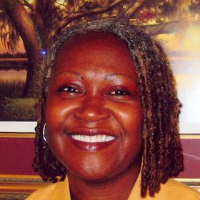
South Carolina · 25 yrs exp
Licensed LPC in South Carolina - addictions and relationships
Addictions · Relationship · Grief · Self esteem · +9 more
Read profile
South Carolina · 21 yrs exp
LPC, LCMHC - relationship and emotional concerns
Relationship · Grief · Parenting · Depression · +14 more
Read profile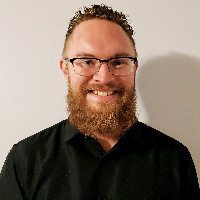
South Carolina · 10 yrs exp
LPC - Stress, relationships, and addiction work
Stress, Anxiety · Addictions · Relationship · Depression · +10 more
Read profile
South Carolina · 20 yrs exp
LCSW LISW focusing on stress and relationships
Stress, Anxiety · LGBT · Relationship · Family · +6 more
Read profile
South Carolina · 6 yrs exp
LPC in South Carolina focused on mood and trauma
Stress, Anxiety · Family · Trauma and abuse · Anger · +14 more
Read profile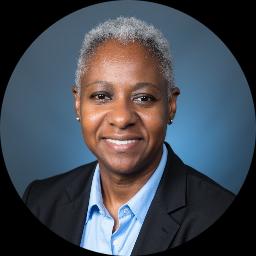
South Carolina · 12 yrs exp
LCSW, LISW-CP focusing on stress and trauma
Stress, Anxiety · LGBT · Trauma and abuse · Anger · +1 more
Read profile
South Carolina · 3 yrs exp
LPC - Stress, anxiety, LGBT, self-esteem
Stress, Anxiety · LGBT · Self esteem · Depression · +1 more
Read profile
South Carolina · 40 yrs exp
LPC in South Carolina focusing on mood and life changes
Stress, Anxiety · Intimacy-related issues · Self esteem · Depression · +1 more
Read profile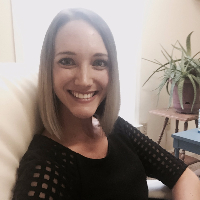
South Carolina · 12 yrs exp
LPC in South Carolina focusing on common life challenges
Stress, Anxiety · Relationship · Parenting · Depression · +10 more
Read profile
South Carolina · 25 yrs exp
LISW-CP LCSW CSW - Stress and life transitions
Stress, Anxiety · Grief · Anger · Self esteem · +10 more
Read profile
South Carolina · 6 yrs exp
LISW-CP focused on adult emotional health
Stress, Anxiety · Trauma and abuse · Anger · Depression · +10 more
Read profile
South Carolina · 20 yrs exp
Dr. Valerie Glass, LMFT - Relationship and identity work
Stress, Anxiety · LGBT · Relationship · Family · +15 more
Read profile
South Carolina · 17 yrs exp
LPC LCMHC - mood and addiction concerns
Stress, Anxiety · Addictions · Relationship · Trauma and abuse · +10 more
Read profile
South Carolina · 21 yrs exp
LPC LCPC - stress, anxiety, trauma
Stress, Anxiety · Trauma and abuse · Self esteem · Depression · +12 more
Read profile
South Carolina · 8 yrs exp
LISW LCSW - stress, anxiety, relationships
Stress, Anxiety · Relationship · Family · Depression · +6 more
Read profile
South Carolina · 10 yrs exp
LPC focusing on mood and relationship concerns
Stress, Anxiety · Anger · Self esteem · Coping with life changes · +13 more
Read profile
South Carolina · 24 yrs exp
LPC focusing on mood, stress, and relationships
Stress, Anxiety · Relationship · Self esteem · Depression · +14 more
Read profile
South Carolina · 13 yrs exp
Licensed Professional Counselor - stress, trauma, parenting
Stress, Anxiety · Parenting · Anger · Coping with life changes · +10 more
Read profile
South Carolina · 33 yrs exp
LPC - relationships, life transitions, grief
Stress, Anxiety · Relationship · Family · Career · +10 more
Read profile
South Carolina · 25 yrs exp
Licensed Professional Counselor - stress and addiction focus
Stress, Anxiety · Addictions · Depression · Coping with life changes · +10 more
Read profile
South Carolina · 16 yrs exp
SC Psychologist focused on mood and trauma
Stress, Anxiety · Trauma and abuse · Sleeping · Anger · +10 more
Read profile
South Carolina · 27 yrs exp
LCSW LISW-CP focused on stress and mood
Stress, Anxiety · Addictions · Sleeping · Self esteem · +1 more
Read profile
South Carolina · 8 yrs exp
LPC in South Carolina focusing on mood and behavior
Stress, Anxiety · Addictions · Trauma and abuse · Depression · +6 more
Read profile
South Carolina · 10 yrs exp
LISW-CP focused on stress and grief
Stress, Anxiety · Grief · Self esteem · Coping with life changes · +8 more
Read profile
South Carolina · 14 yrs exp
Licensed Professional Counselor - stress and trauma
Stress, Anxiety · Relationship · Family · Trauma and abuse · +13 more
Read profile
South Carolina · 5 yrs exp
LMFT - relationship and family concerns
Stress, Anxiety · Relationship · Parenting · Self esteem · +8 more
Read profile
South Carolina · 30 yrs exp
LPC specializing in relationship and family concerns
Relationship · Family · Parenting · Career · +8 more
Read profile
South Carolina · 52 yrs exp
LCSW-C, LISW - stress, mood, and relationship issues
Stress, Anxiety · Relationship · Grief · Intimacy-related issues · +15 more
Read profile
South Carolina · 4 yrs exp
LCMHC LP C working with stress and trauma
Stress, Anxiety · Relationship · Trauma and abuse · Parenting · +1 more
Read profile
South Carolina · 16 yrs exp
LCSW, LISW-CP focusing on stress and relationships
Stress, Anxiety · Relationship · Parenting · Self esteem · +7 more
Read profile
South Carolina · 6 yrs exp
LPC in South Carolina focusing on relationships and emotion
Stress, Anxiety · Relationship · Family · Intimacy-related issues · +6 more
Read profile
South Carolina · 24 yrs exp
Kristin James, LPC - stress and trauma support
Stress, Anxiety · Self esteem · Career · Depression · +5 more
Read profile
South Carolina · 7 yrs exp
LPC focused on addiction and anxiety
Stress, Anxiety · Addictions · Relationship · Self esteem · +5 more
Read profile
South Carolina · 17 yrs exp
LPC in South Carolina focused on relationships and mood
Relationship · Family · Anger · Self esteem · +16 more
Read profile
South Carolina · 6 yrs exp
LCSW LICSW - stress, mood, and relationship concerns
Stress, Anxiety · Self esteem · Depression · Coping with life changes · +14 more
Read profile
South Carolina · 25 yrs exp
LISW-CP focused on anxiety and life changes
Stress, Anxiety · Trauma and abuse · Grief · Intimacy-related issues · +9 more
Read profile
South Carolina · 25 yrs exp
LCSW LICSW - Stress and relationship therapy
Stress, Anxiety · Relationship · Trauma and abuse · Depression · +13 more
Read profile
South Carolina · 35 yrs exp
LISW-CP, LCSW - Stress and life transitions
Stress, Anxiety · Grief · Self esteem · Depression · +1 more
Read profile
South Carolina · 10 yrs exp
LISW-CP focusing on mood and relationships
Stress, Anxiety · Addictions · LGBT · Grief · +9 more
Read profile
South Carolina · 40 yrs exp
LISW-CP LCSW CSW - mood and life challenges
Stress, Anxiety · Relationship · Parenting · Career · +4 more
Read profile
South Carolina · 6 yrs exp
LPC offering practical therapy for relationship and mood issues
Stress, Anxiety · Relationship · Anger · Self esteem · +8 more
Read profile
South Carolina · 12 yrs exp
Licensed Professional Counselor - stress and identity issues
Stress, Anxiety · LGBT · Intimacy-related issues · Parenting · +1 more
Read profile
South Carolina · 10 yrs exp
LISW-CP focused on stress and family concerns
Stress, Anxiety · Relationship · Family · Parenting · +1 more
Read profile
South Carolina · 28 yrs exp
LISW-CP in South Carolina focused on life stressors
Stress, Anxiety · Relationship · Grief · Self esteem · +12 more
Read profile
South Carolina · 4 yrs exp
LISW-CP clinician for stress and trauma
Stress, Anxiety · Trauma and abuse · Self esteem · Depression · +1 more
Read profile
South Carolina · 5 yrs exp
LPC in South Carolina focusing on anxiety and life changes
Stress, Anxiety · Grief · Self esteem · Career · +1 more
Read profile
South Carolina · 35 yrs exp
LPC in South Carolina focusing on mood and relationships
Stress, Anxiety · Relationship · Self esteem · Depression · +1 more
Read profile
South Carolina · 13 yrs exp
LPC focused on trauma, anxiety, depression
Stress, Anxiety · Addictions · Trauma and abuse · Self esteem · +1 more
Read profile
South Carolina · 26 yrs exp
LISW-CP working with anxiety and ADHD
Stress, Anxiety · Parenting · Self esteem · Coping with life changes · +1 more
Read profile
South Carolina · 14 yrs exp
LPC - Stress, anxiety, relationships
Stress, Anxiety · Relationship · Family · Parenting · +1 more
Read profile
South Carolina · 24 yrs exp
Licensed Professional Counselor - Stress and Addictions
Stress, Anxiety · Addictions · Depression · Coping with life changes · +1 more
Read profileOnline therapy is now a common option for many people living in South Carolina. Licensed mental health professionals across the state offer remote sessions that use video, phone, or message-based formats so you can access care from home, work, or another location. Because licensing rules and practice agreements can vary, therapists who provide online services often note where they are authorized to practice. You should look for clear information on a provider's profile about the license type and the state under which that license was issued. The result is that you can often find a clinician who lists specialties and approaches that match what you are seeking, regardless of whether you live in a dense urban area or a rural community. Technology limitations, state regulations, and professional boundaries shape how online therapy is delivered, but generally a broad range of licensed practitioners offer remote work that aims to mirror the structure of in-person therapy. As you explore options, remember that a therapist’s listed approaches indicate what they use in sessions, and you can ask them how those approaches are applied to your concerns.
Online therapy delivers practical advantages that can make it easier to prioritize mental health. If you live far from a clinic, have limited transportation, or juggle caregiving and work responsibilities, remote sessions can reduce commute time and logistical strain. You can schedule a meeting during a lunch break or in the evening without losing hours to travel. For people managing chronic health conditions or mobility challenges, online therapy can increase the number of clinicians you can consider, including those who list niche expertise that may not be available locally. Online sessions can also provide continuity when you are traveling or temporarily away from your usual community. Many people find that the ability to meet from a familiar place helps them feel more at ease, which can make it easier to focus on goals and progress. Technology itself is simple in most cases - a reliable internet connection, a device with a camera and microphone, and a quiet setting. You should consider how comfortable you are with video-based conversation versus phone or text-based approaches, and choose a therapist whose communication style aligns with your preferences.
Licensed online therapists in South Carolina work with a wide range of concerns across the lifespan. Common areas include anxiety and depression, relationship and family issues, parenting challenges, grief and loss, life transitions such as job changes or relocation, and stress related to work or school. Many therapists also support people coping with trauma histories, behavioral concerns, and the emotional impact of chronic medical conditions. If you are looking for support around substance use, eating concerns, or performance-related pressure, you will find clinicians who list these as focus areas. Therapists often describe the therapeutic approaches they use - for example, some list cognitive-behavioral therapy among their methods while others list psychodynamic approaches or mindfulness-based work. When you review a profile, pay attention to how a therapist explains the kinds of problems they help with and the approaches they use, and look for language indicating experience with populations similar to yours, such as adolescents, older adults, couples, or parents. That information can help you narrow your choices to people who describe a natural fit for the issues you want to address.
Verifying licensure is an important step in choosing an online therapist. Start by asking for the clinician’s full name and license number, and then use the South Carolina professional licensing board's online lookup tool to confirm the license status and type. The lookup will typically display the license classification - such as licensed professional counselor, licensed clinical social worker, licensed marriage and family therapist, or psychologist - and may note the date of issuance and expiration. It can also list disciplinary actions if any have occurred, which helps you make an informed decision. If a profile does not include a license number, you can request it directly from the clinician before beginning work together. In addition to board verification, you may review a therapist’s educational background and any professional affiliations they list. Keep in mind that a therapist might practice under a specific licensure title that determines their scope of practice, and that scope can differ from one credential to another. If you want to confirm whether a therapist is authorized to provide services to residents of South Carolina, ask how their license applies to online work within the state and whether they maintain a South Carolina license or another appropriate authorization. Being comfortable with the answers you receive is part of finding a professional you trust.
Beginning online therapy is a process that benefits from a bit of planning. First, identify what you hope to achieve - whether you want symptom relief, improved relationships, tools for stress management, or support during a life change. Use those goals to filter profiles by specialty, approaches, languages spoken, and experience with particular populations. As you compare clinicians, prepare a short set of questions to ask during an initial contact, such as how they structure a typical session, what approaches they list and how those approaches are applied, how they handle scheduling and session length, which payment methods and insurance options they accept, and what their policies are regarding cancellations and missed appointments. Pay attention to practical matters too - do their platforms support video on your device, and do they explain their privacy measures and documentation practices? You should also ask about how emergencies are handled and what local resources they recommend in a crisis, particularly since online sessions may take place across geographic distances. When you meet a therapist for the first time, notice how comfortable you feel talking with them - the relationship matters. It is normal to take a few sessions to evaluate fit, and you can reassess whether their approach and communication style support your goals. Language, cultural understanding, and personal experience can all influence rapport, so consider whether a clinician’s background aligns with your needs. Finally, create a quiet, interruption-free setting for sessions and test your technology ahead of time to ensure clear audio and video. Small preparations can help your first online appointments feel focused and productive, and they set the stage for the work you want to accomplish together.
Choosing an online therapist is a personal decision that blends practical concerns with interpersonal fit. By confirming licensure, clarifying therapeutic approach, and preparing questions about logistics and policies, you can make an informed choice that supports your mental health goals. If you ever feel that your needs exceed what a particular clinician can offer, you can look for another therapist listed with different specialties or approaches. For urgent or life-threatening situations, contact local emergency services or crisis hotlines for immediate assistance.
Addictions
1197 therapists
ADHD
1059 therapists
Anger
1431 therapists
Bipolar
1057 therapists
Chronic Illness
589 therapists
Control Issues
1133 therapists
Depression
2182 therapists
Domestic Violence
741 therapists
Grief
1673 therapists
Guilt and Shame
1694 therapists
Intimacy Issues
1071 therapists
Isolation / Loneliness
1576 therapists
Midlife Crisis
979 therapists
Mood Disorders
1372 therapists
OCD
661 therapists
Panic Disorder and Panic Attacks
1230 therapists
Post-Traumatic Stress
1500 therapists
Self Esteem
2110 therapists
Social Anxiety and Phobia
1501 therapists
Stress & Anxiety
2433 therapists
Trauma and Abuse
1888 therapists
Abandonment
1068 therapists
Aging and Geriatric Issues
751 therapists
Attachment Issues
1187 therapists
Body Image
855 therapists
Career
1239 therapists
Caregiver Issues and Stress
1248 therapists
Communication Problems
1902 therapists
Compassion Fatigue
1108 therapists
Coping with Life Changes
1941 therapists
Divorce
1322 therapists
Family
1669 therapists
Family of Origin Issues
928 therapists
Forgiveness
1546 therapists
Infidelity
808 therapists
Life Purpose
1737 therapists
Parenting
1382 therapists
Relationship
1957 therapists
Self-Love
1692 therapists
Workplace Issues
1240 therapists