
Thomas (Tom) Warren
LCMHCNorth Carolina · 51 yrs exp
LCMHC focusing on relationship and mood concerns
Relationship · Intimacy-related issues · Parenting · Self esteem · +12 more
Read profileTherapist listings are provided by BetterHelp. We will earn a commission at no additional cost to you if you use our links to purchase.
Welcome to our directory of licensed online therapists serving North Carolina. All therapists listed here hold a North Carolina license - explore profiles to compare specialties, approaches, credentials, languages and experience.
North Carolina · 51 yrs exp
LCMHC focusing on relationship and mood concerns
Relationship · Intimacy-related issues · Parenting · Self esteem · +12 more
Read profile
North Carolina · 10 yrs exp
LCSW, LISW-CP - Stress and relationship work
Stress, Anxiety · Relationship · Family · Bipolar · +16 more
Read profile
North Carolina · 20 yrs exp
LCSW focusing on mood and addiction concerns
Stress, Anxiety · Addictions · Family · Career · +16 more
Read profile
North Carolina · 20 yrs exp
LPC, LCMHC - Stress and addiction support
Stress, Anxiety · Parenting · Self esteem · Depression · +15 more
Read profile
North Carolina · 20 yrs exp
Licensed counselor for mood and addiction concerns
Stress, Anxiety · Addictions · Anger · Depression · +7 more
Read profile
North Carolina · 16 yrs exp
LCMHC focused on stress and addiction
Stress, Anxiety · Addictions · Grief · Eating · +12 more
Read profile
North Carolina · 26 yrs exp
LCSW focusing on stress, grief, and caregiver support
Stress, Anxiety · Grief · Self esteem · Coping with life changes · +3 more
Read profile
North Carolina · 14 yrs exp
LCSW focusing on anxiety, mood, and addictions
Stress, Anxiety · Addictions · Relationship · Self esteem · +7 more
Read profile
North Carolina · 3 yrs exp
LCSW focusing on stress, trauma, and LGBT concerns
Stress, Anxiety · LGBT · Family · Trauma and abuse · +1 more
Read profile
North Carolina · 9 yrs exp
LCMHC focusing on mood and stress concerns
Stress, Anxiety · Anger · Self esteem · Depression · +1 more
Read profile
North Carolina · 5 yrs exp
LCMHC specializing in stress and mood concerns
Stress, Anxiety · Addictions · LGBT · Grief · +1 more
Read profile
North Carolina · 8 yrs exp
LCMHC - Stress, Anxiety, Relationships
Stress, Anxiety · Relationship · Family · Depression · +1 more
Read profile
North Carolina · 15 yrs exp
LCSW, LISW-CP - stress, mood, and life changes
Stress, Anxiety · Grief · Depression · Coping with life changes · +1 more
Read profile
North Carolina · 5 yrs exp
LCSW helping with stress and life changes
Stress, Anxiety · Parenting · Self esteem · Depression · +1 more
Read profile
North Carolina · 50 yrs exp
NC Psychologist focused on stress and performance
Stress, Anxiety · Relationship · Self esteem · Coping with life changes · +1 more
Read profile
North Carolina · 3 yrs exp
LCSW focusing on stress and relational concerns
Stress, Anxiety · Family · Anger · Self esteem · +1 more
Read profile
North Carolina · 6 yrs exp
LCSW focused on stress and relationships
Stress, Anxiety · Relationship · Self esteem · Career · +1 more
Read profile
North Carolina · 25 yrs exp
LMFT focusing on relationships and life changes
Stress, Anxiety · Relationship · Family · Grief · +15 more
Read profile
North Carolina · 16 yrs exp
LCMHC focused on relationships and trauma
Stress, Anxiety · Relationship · Trauma and abuse · Grief · +7 more
Read profile
North Carolina · 12 yrs exp
LCMHC in North Carolina - stress and relationship concerns
Stress, Anxiety · Relationship · Self esteem · Depression · +3 more
Read profile
North Carolina · 10 yrs exp
LCMHC working with addictions and trauma
Addictions · Trauma and abuse · Self esteem · Coping with life changes · +10 more
Read profile
North Carolina · 20 yrs exp
LCSW focusing on stress and relationship concerns
Stress, Anxiety · Relationship · Family · Parenting · +13 more
Read profile
North Carolina · 12 yrs exp
Licensed Clinical Mental Health Counselor - mood and relationship work
Stress, Anxiety · LGBT · Family · Trauma and abuse · +8 more
Read profile
North Carolina · 13 yrs exp
LCMHC LPC - Stress, mood and relationship work
Stress, Anxiety · Relationship · Anger · Bipolar · +13 more
Read profile
North Carolina · 46 yrs exp
NC Psychologist 0742 - Stress and relationship work
Stress, Anxiety · Relationship · Parenting · Depression · +12 more
Read profile
North Carolina · 23 yrs exp
LCSW specializing in anxiety and relationship issues
Stress, Anxiety · Family · Grief · Self esteem · +15 more
Read profile
North Carolina · 15 yrs exp
CA and NC Psychologist focused on mood and attention
Stress, Anxiety · Self esteem · Bipolar · Depression · +14 more
Read profile
North Carolina · 10 yrs exp
LCMHC focused on stress and trauma
Stress, Anxiety · LGBT · Relationship · Coping with life changes · +13 more
Read profile
North Carolina · 17 yrs exp
LMFT focused on relationship and family concerns
Relationship · Family · Grief · Intimacy-related issues · +10 more
Read profile
North Carolina · 34 yrs exp
LCSW focusing on stress, trauma, and life changes
Stress, Anxiety · Addictions · Trauma and abuse · Depression · +13 more
Read profile
North Carolina · 19 yrs exp
LCMHC focusing on mood and life transitions
Stress, Anxiety · Depression · Relationship · Family · +9 more
Read profile
North Carolina · 22 yrs exp
LCMHC - Stress, Addictions, Mood and Relationship Concerns
Stress, Anxiety · Addictions · Relationship · Family · +11 more
Read profile
North Carolina · 4 yrs exp
LCSW focused on stress and mood concerns
Stress, Anxiety · Grief · Self esteem · Depression · +15 more
Read profile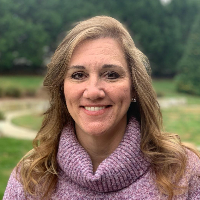
North Carolina · 10 yrs exp
LCSW focused on grief and life changes
Stress, Anxiety · Grief · Self esteem · Coping with life changes · +11 more
Read profile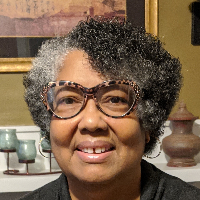
North Carolina · 21 yrs exp
LMFT focusing on relationships and family concerns
Relationship · Family · Trauma and abuse · Grief · +3 more
Read profile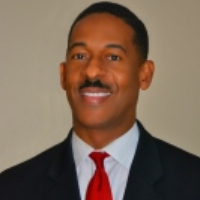
North Carolina · 10 yrs exp
LCSW focusing on anxiety and relationships
Stress, Anxiety · Relationship · Family · Grief · +11 more
Read profile
North Carolina · 3 yrs exp
LISW-CP, LCSW focused on adult concerns
Stress, Anxiety · Addictions · Relationship · Family · +11 more
Read profile
North Carolina · 15 yrs exp
LCMHC in North Carolina - Stress, trauma, relationships
Stress, Anxiety · Addictions · Relationship · Trauma and abuse · +14 more
Read profile
North Carolina · 25 yrs exp
LCMHC - stress, mood, relationship concerns
Stress, Anxiety · Relationship · Family · Grief · +10 more
Read profile
North Carolina · 16 yrs exp
LCMHC in North Carolina - stress and trauma focus
Stress, Anxiety · Grief · Self esteem · Career · +15 more
Read profile
North Carolina · 23 yrs exp
LCMHC - Addictions, trauma, relationships
Addictions · Relationship · Trauma and abuse · Self esteem · +9 more
Read profile
North Carolina · 15 yrs exp
Licensed Clinical Social Worker - Family and grief
Family · Grief · Self esteem · Depression · +12 more
Read profile
North Carolina · 35 yrs exp
LPC, LCMHC - anxiety and relationship concerns
Stress, Anxiety · Relationship · Trauma and abuse · Self esteem · +9 more
Read profile
North Carolina · 30 yrs exp
Licensed Clinical Social Worker - stress and trauma focus
Stress, Anxiety · Relationship · Trauma and abuse · Grief · +10 more
Read profile
North Carolina · 5 yrs exp
LCMHC in North Carolina - relationship and trauma focus
Relationship · Trauma and abuse · Self esteem · Depression · +13 more
Read profile
North Carolina · 10 yrs exp
LCSW focused on stress and life transitions
Stress, Anxiety · Family · Self esteem · Depression · +1 more
Read profile
North Carolina · 11 yrs exp
LCSW focused on stress and relationships
Stress, Anxiety · Addictions · Family · Anger · +13 more
Read profile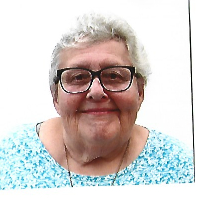
North Carolina · 40 yrs exp
Licensed Clinical Social Worker - relationship and trauma focus
Stress, Anxiety · Relationship · Family · Trauma and abuse · +10 more
Read profile
North Carolina · 26 yrs exp
LCSW, LISW-CP focusing on relationships and mood
Relationship · Family · Anger · Self esteem · +14 more
Read profile
North Carolina · 26 yrs exp
LCSW focusing on adult mood and relationship concerns
Stress, Anxiety · Relationship · Trauma and abuse · Depression · +5 more
Read profile
North Carolina · 6 yrs exp
LCSW and LISW-CP focused on relationships and identity
Stress, Anxiety · LGBT · Relationship · Intimacy-related issues · +9 more
Read profile
North Carolina · 25 yrs exp
LCSW focusing on stress, addiction, and relationships
Stress, Anxiety · Addictions · Self esteem · Career · +11 more
Read profile
North Carolina · 5 yrs exp
LCSW helping with addictions, grief, and life change
Addictions · Grief · Self esteem · Coping with life changes · +10 more
Read profile
North Carolina · 14 yrs exp
LCSW focusing on grief and life transitions
Grief · Coping with life changes · Compassion fatigue · Stress, Anxiety · +11 more
Read profile
North Carolina · 6 yrs exp
LCMHC helping with stress and relationships
Stress, Anxiety · LGBT · Relationship · Self esteem · +12 more
Read profile
North Carolina · 40 yrs exp
LMFT in North Carolina focusing on trauma and addiction
Stress, Anxiety · Addictions · Trauma and abuse · Grief · +9 more
Read profile
North Carolina · 10 yrs exp
LCMHC focused on anxiety and trauma
Stress, Anxiety · Addictions · Relationship · Family · +14 more
Read profile
North Carolina · 9 yrs exp
LISW LCSW focused on anxiety and life changes
Stress, Anxiety · Relationship · Self esteem · Coping with life changes · +15 more
Read profile
North Carolina · 10 yrs exp
Licensed Clinical Mental Health Counselor - relationship and mood concerns
Stress, Anxiety · Relationship · Family · Depression · +9 more
Read profile
North Carolina · 30 yrs exp
LCSW focusing on mood and relationships
Stress, Anxiety · Relationship · Grief · Self esteem · +14 more
Read profileOnline therapy has become an established option for many people in North Carolina who are seeking counseling or mental health support without traveling to an office. In North Carolina, offering therapy across state lines is governed by professional licensing rules, so online therapy providers normally hold a North Carolina license to work with residents. You will find professionals who list a range of therapeutic approaches and who work with a variety of concerns. When you search profiles, you will see information about credentials, the issues a clinician focuses on, the therapeutic approaches they list, and the languages they speak. This overview can help you narrow your search before you reach out to a professional.
Online sessions typically take place by video or, in some cases, by phone, and many clinicians combine remote work with occasional in-person sessions if that fits their practice model. Because regulatory requirements vary by license type and by state, clinicians who offer online services to people in North Carolina generally maintain the necessary North Carolina licensure. That licensure ensures there is a state-level record of their standing and practice permissions. Understanding how licensure aligns with online practice is an important first step in making an informed choice.
Online therapy can remove several practical barriers that sometimes make in-person care difficult. If you live in a rural county or an area with fewer mental health professionals, online sessions let you connect with a clinician who specializes in the concerns you want to address without long commutes. For people balancing work, school, caregiving or irregular schedules, the flexibility of remote sessions can make consistent care easier to maintain. You can also choose clinicians who list language skills or cultural experience that match your needs, which can be especially helpful in a state with diverse communities.
Beyond convenience, many people appreciate the ability to have therapy in a familiar setting. You can participate from a quiet room at home or another comfortable environment of your choosing. That setting can make it easier to apply what you learn in therapy directly to your daily life. Additionally, online formats can expand your options for clinicians who list specialized approaches - for example, therapists who list EMDR among their approaches or those who list intensive trauma-informed work - so you can find someone whose focus aligns with your goals even if they are not local to your town.
Online therapists in North Carolina work with a broad spectrum of concerns across the lifespan. You will find clinicians who list experience with anxiety, depression, grief, stress management, relationship challenges, parenting concerns, life transitions and workplace stress. Many clinicians also list experience with trauma-related concerns, chronic health-related adjustment, and the emotional effects of caregiving. Because profiles often include age ranges, you can look for clinicians who focus on adolescents, adults or older adults depending on who will receive services.
Beyond broad problem areas, clinicians may note particular approaches or specialty populations in their descriptions. Some therapists list modalities such as cognitive approaches, psychodynamic work, acceptance-based or mindfulness-informed methods. Others note experience working with military families, LGBTQ+ issues, immigration-related stress, or culturally specific concerns. When a clinician lists an approach you are curious about, you can ask them how they typically apply that method in online sessions. Keep in mind that a profile reflects how a clinician presents their practice and that asking specific questions can clarify how they would address your particular situation.
When you are evaluating online therapists, verifying a license is an important step. Licensing in North Carolina is handled at the state level and differs by profession. Typical credentials you may see in profiles include licensed professional counselor, licensed clinical social worker, licensed marriage and family therapist and licensed psychologist. Each license type has its own board and lookup tool where you can confirm a clinician's current status, license number, expiration date and any public disciplinary actions.
To verify a license, start by noting the clinician's full name and the credential listed on their profile. Visit the appropriate North Carolina licensing board website and use its license lookup or verification tool to search by name. The board record will indicate whether the license is active and provide relevant details about the credential. If you have questions about how to interpret what you find, you can contact the board directly by phone or email for clarification. Verifying licensure helps ensure that the clinician is authorized to practice in North Carolina and gives you access to official information about their professional standing.
Begin by clarifying what you want from therapy. You do not need a formal diagnosis to benefit from counseling, but having a few goals or areas you want to address will make initial conversations more productive. As you browse profiles, pay attention to specialties, approaches, languages, and years of experience. Profiles often include a short biographical statement where clinicians describe populations they work with and the kinds of issues they address. Use that information to narrow your list to a few candidates who align with your needs.
When you contact a clinician, you may want to ask about the methods they typically use and how those methods are adapted for online work. Instead of asking whether they are "trained" in a specific modality, ask how they incorporate a particular approach into sessions or how they typically address issues like anxiety or relationship conflict. Ask about session format, typical session length, and how they handle scheduling and cancellations. It is also appropriate to inquire about their fee structure, whether they accept your insurance or offer a sliding scale, and how they handle documentation and records. If language access is important to you, confirm the language they use in sessions and whether they work with interpreters when needed.
For online sessions, make sure you have a reliable internet connection, a device with a camera and microphone, and a quiet, comfortable environment where you will not be interrupted. Think about privacy in your setting and how to minimize distractions. If you have concerns about technology, ask the clinician what platform they use and whether they provide a test call or technical guidance before your first appointment. Knowing what to expect from the technical side of sessions can reduce stress and help you focus on the therapeutic work.
Choosing a therapist often involves an initial trial period where you and the clinician determine whether your styles and goals align. You should feel able to discuss your goals and to ask questions about the clinician's approach and experience. It is reasonable to revisit goals periodically and to talk openly about what is or is not working for you. If you ever feel that your needs are not being met, you can look for another clinician whose profile indicates a closer match to your current priorities. Thoughtful communication and clear expectations can help you get the most from online therapy.
Finding a licensed online therapist in North Carolina means combining practical verification steps with attention to personal fit. Use profiles to identify clinicians who list relevant specialties, approaches and languages, verify their North Carolina license through the appropriate board, and reach out with questions about fit, format and fees. With a clear sense of your goals and some focused questions, you can find a clinician whose style and experience align with what you need right now.
Addictions
1197 therapists
ADHD
1059 therapists
Anger
1431 therapists
Bipolar
1057 therapists
Chronic Illness
589 therapists
Control Issues
1133 therapists
Depression
2182 therapists
Domestic Violence
741 therapists
Grief
1673 therapists
Guilt and Shame
1694 therapists
Intimacy Issues
1071 therapists
Isolation / Loneliness
1576 therapists
Midlife Crisis
979 therapists
Mood Disorders
1372 therapists
OCD
661 therapists
Panic Disorder and Panic Attacks
1230 therapists
Post-Traumatic Stress
1500 therapists
Self Esteem
2110 therapists
Social Anxiety and Phobia
1501 therapists
Stress & Anxiety
2433 therapists
Trauma and Abuse
1888 therapists
Abandonment
1068 therapists
Aging and Geriatric Issues
751 therapists
Attachment Issues
1187 therapists
Body Image
855 therapists
Career
1239 therapists
Caregiver Issues and Stress
1248 therapists
Communication Problems
1902 therapists
Compassion Fatigue
1108 therapists
Coping with Life Changes
1941 therapists
Divorce
1322 therapists
Family
1669 therapists
Family of Origin Issues
928 therapists
Forgiveness
1546 therapists
Infidelity
808 therapists
Life Purpose
1737 therapists
Parenting
1382 therapists
Relationship
1957 therapists
Self-Love
1692 therapists
Workplace Issues
1240 therapists