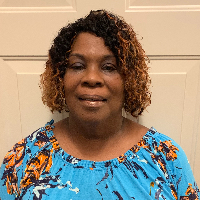
Poythress Mitchell
LPCVirginia · 27 yrs exp
LPC in Virginia focusing on stress and trauma
Stress, Anxiety · Addictions · Anger · Self esteem · +9 more
Read profileTherapist listings are provided by BetterHelp. We will earn a commission at no additional cost to you if you use our links to purchase.
Welcome to our directory for online therapy options in Virginia. All therapists listed here hold a valid Virginia license. Explore profiles to compare credentials, approaches, languages and experience that matter to you.
Virginia · 27 yrs exp
LPC in Virginia focusing on stress and trauma
Stress, Anxiety · Addictions · Anger · Self esteem · +9 more
Read profile
Virginia · 13 yrs exp
Licensed Professional Counselor - stress and relationships
Stress, Anxiety · Family · Trauma and abuse · Parenting · +12 more
Read profile
Virginia · 10 yrs exp
LICSW LCSW - Stress, Anxiety, Relationships
Stress, Anxiety · Relationship · Family · Self esteem · +7 more
Read profile
Virginia · 9 yrs exp
LMHC, LPC - Anxiety, Addiction, Mood Concerns
Stress, Anxiety · Addictions · LGBT · Self esteem · +14 more
Read profile
Virginia · 35 yrs exp
LICSW, LCSW - stress and trauma focus
Stress, Anxiety · Family · Trauma and abuse · Self esteem · +1 more
Read profile
Virginia · 30 yrs exp
LCSW-C in Virginia focusing on mood and relationships
Stress, Anxiety · Relationship · Parenting · Self esteem · +1 more
Read profile
Virginia · 3 yrs exp
LCSW focused on stress and life changes
Stress, Anxiety · Parenting · Self esteem · Coping with life changes · +1 more
Read profile
Virginia · 3 yrs exp
LCSW helping with stress and trauma
Stress, Anxiety · Trauma and abuse · Self esteem · Depression
Read profile
Virginia · 26 yrs exp
LCSW focused on stress and trauma
Stress, Anxiety · Relationship · Family · Trauma and abuse · +1 more
Read profile
Virginia · 4 yrs exp
LPC in Virginia focusing on trauma and mood concerns
Stress, Anxiety · Trauma and abuse · Parenting · Depression · +1 more
Read profile
Virginia · 15 yrs exp
LCMHC LPC focused on mood and trauma issues
Stress, Anxiety · Anger · Self esteem · Depression · +6 more
Read profile
Virginia · 10 yrs exp
LPC in Virginia focusing on mood and stress
Stress, Anxiety · LGBT · Self esteem · Depression · +12 more
Read profile
Virginia · 27 yrs exp
LCSW focused on trauma, anxiety, and relationships
Stress, Anxiety · Trauma and abuse · Parenting · Self esteem · +10 more
Read profile
Virginia · 15 yrs exp
LCMHC LPC - stress, trauma, eating concerns
Stress, Anxiety · Grief · Eating · Career · +13 more
Read profile
Virginia · 23 yrs exp
LPC working with trauma and life stressors
Stress, Anxiety · Trauma and abuse · Self esteem · Depression · +9 more
Read profile
Virginia · 20 yrs exp
LPC in Virginia focusing on mood and relationships
Stress, Anxiety · Family · Trauma and abuse · Bipolar · +12 more
Read profile
Virginia · 6 yrs exp
LCSW focusing on stress and trauma
Stress, Anxiety · Addictions · Trauma and abuse · Grief · +8 more
Read profile
Virginia · 6 yrs exp
LCSW LICSW focusing on stress and relationships
Stress, Anxiety · Relationship · Self esteem · Coping with life changes · +6 more
Read profile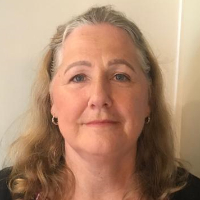
Virginia · 20 yrs exp
Dr. Cheryl Mansfield, LICSW LCSW - Stress, Trauma, Relationships
Stress, Anxiety · Addictions · Relationship · Family · +9 more
Read profile
Virginia · 3 yrs exp
LCSW in Virginia - stress, anxiety, relationships
Stress, Anxiety · Relationship · Self esteem · Depression · +10 more
Read profile
Virginia · 24 yrs exp
VA Psychologist focusing on stress and trauma
Stress, Anxiety · Trauma and abuse · Grief · Self esteem · +9 more
Read profile
Virginia · 23 yrs exp
LCSW in Florida and Virginia focusing on life stressors
Stress, Anxiety · Addictions · Self esteem · Depression · +16 more
Read profile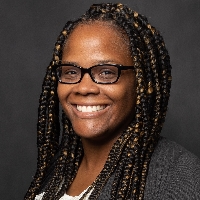
Virginia · 10 yrs exp
Dr. Naharia Heard, LPC - Stress, trauma, relationship work
Stress, Anxiety · Relationship · Family · Trauma and abuse · +11 more
Read profile
Virginia · 16 yrs exp
Licensed Professional Counselor - stress and mood concerns
Stress, Anxiety · LGBT · Family · Grief · +10 more
Read profile
Virginia · 30 yrs exp
Licensed Clinical Social Worker - stress, trauma, relationships
Stress, Anxiety · LGBT · Relationship · Trauma and abuse · +12 more
Read profile
Virginia · 10 yrs exp
LPC in Virginia focusing on mood and addiction concerns
Stress, Anxiety · Addictions · Trauma and abuse · Self esteem · +12 more
Read profile
Virginia · 5 yrs exp
Licensed Professional Counselor in Virginia - trauma focus
Stress, Anxiety · Trauma and abuse · Self esteem · Bipolar · +11 more
Read profile
Virginia · 27 yrs exp
LCSW specializing in mood and relationship concerns
Stress, Anxiety · Relationship · Family · Anger · +11 more
Read profile
Virginia · 6 yrs exp
LICSW LCSW - stress anxiety addictions focus
Stress, Anxiety · Addictions · Family · Anger · +12 more
Read profile
Virginia · 31 yrs exp
LCMHC LPC focusing on stress and trauma
Stress, Anxiety · Relationship · Family · Trauma and abuse · +12 more
Read profile
Virginia · 30 yrs exp
LCSW-C in Virginia focusing on stress and relationships
Stress, Anxiety · Relationship · Self esteem · Depression · +5 more
Read profile
Virginia · 18 yrs exp
LCSW - Anxiety, trauma, relationships
Stress, Anxiety · Relationship · Trauma and abuse · Self esteem · +12 more
Read profile
Virginia · 15 yrs exp
LPC in Virginia - mood and trauma work
Stress, Anxiety · Relationship · Trauma and abuse · Bipolar · +12 more
Read profile
Virginia · 7 yrs exp
Licensed Professional Counselor - relationship and stress work
Stress, Anxiety · Relationship · Trauma and abuse · Bipolar · +13 more
Read profile
Virginia · 12 yrs exp
LPC in Virginia - adult therapy focus
Addictions · Stress, Anxiety · Relationship · Family · +9 more
Read profile
Virginia · 23 yrs exp
LPC focused on mood and relationships
Stress, Anxiety · Relationship · Family · Self esteem · +12 more
Read profile
Virginia · 10 yrs exp
Licensed Clinical Social Worker in Virginia - mood and family concerns
Stress, Anxiety · Family · Trauma and abuse · Parenting · +13 more
Read profile
Virginia · 6 yrs exp
Licensed Professional Counselor - stress and relationships
Stress, Anxiety · Self esteem · Career · Coping with life changes · +11 more
Read profile
Virginia · 30 yrs exp
LPC in Virginia focusing on mood and trauma
Stress, Anxiety · Trauma and abuse · Grief · Depression · +8 more
Read profile
Virginia · 5 yrs exp
LICSW LCSW - Stress, anxiety, relationships
Stress, Anxiety · Addictions · Relationship · Family · +14 more
Read profile
Virginia · 26 yrs exp
LCSW focused on mood and relationship concerns
Stress, Anxiety · Relationship · Family · Depression · +11 more
Read profile
Virginia · 8 yrs exp
LCSW helping with stress, relationships, and trauma
Stress, Anxiety · Family · Grief · Parenting · +13 more
Read profile
Virginia · 8 yrs exp
VA Psychologist focusing on mood and stress issues
Stress, Anxiety · LGBT · Trauma and abuse · Depression · +12 more
Read profile
Virginia · 13 yrs exp
LPC in Virginia focusing on trauma and coping
Stress, Anxiety · Addictions · Trauma and abuse · Grief · +10 more
Read profile
Virginia · 10 yrs exp
LCSW focusing on relationships and life changes
Relationship · Family · Self esteem · Coping with life changes · +9 more
Read profile
Virginia · 17 yrs exp
Licensed Professional Counselor in Virginia - Stress and mood concerns
Stress, Anxiety · Relationship · Self esteem · Depression · +7 more
Read profile
Virginia · 27 yrs exp
Licensed Professional Counselor - addictions and trauma
Addictions · Trauma and abuse · Sleeping · Self esteem · +14 more
Read profile
Virginia · 20 yrs exp
LCSW licensed in Virginia - mood and trauma focus
Stress, Anxiety · Trauma and abuse · Self esteem · Bipolar · +11 more
Read profile
Virginia · 7 yrs exp
Licensed Professional Counselor - stress and life changes
Stress, Anxiety · Relationship · Family · Parenting · +5 more
Read profile
Virginia · 14 yrs exp
LCSW focusing on stress and relationships
Stress, Anxiety · Relationship · Sleeping · Depression · +12 more
Read profile
Virginia · 7 yrs exp
LCSW helping with mood and stress concerns
Stress, Anxiety · LGBT · Family · Grief · +10 more
Read profile
Virginia · 25 yrs exp
LMFT focusing on trauma and relationships
Stress, Anxiety · Relationship · Trauma and abuse · Grief · +5 more
Read profile
Virginia · 5 yrs exp
LCSW - Stress, anxiety, relationships
Stress, Anxiety · Relationship · Family · Parenting · +1 more
Read profile
Virginia · 40 yrs exp
LPC in Virginia - Addictions and Trauma
Addictions · LGBT · Trauma and abuse · Grief · +1 more
Read profile
Virginia · 20 yrs exp
Licensed counselor - stress and life changes
Stress, Anxiety · Family · Self esteem · Coping with life changes
Read profile
Virginia · 24 yrs exp
Licensed Professional Counselor - stress and trauma
Stress, Anxiety · Trauma and abuse · Grief · Self esteem · +1 more
Read profile
Virginia · 5 yrs exp
LPC helping with stress and relationship concerns
Stress, Anxiety · Relationship · Trauma and abuse · Self esteem · +1 more
Read profile
Virginia · 12 yrs exp
PA Psychologist focusing on stress and brain health
Stress, Anxiety · Sleeping · Parenting · Compassion fatigue · +1 more
Read profile
Virginia · 30 yrs exp
LCSW focusing on stress and family concerns
Stress, Anxiety · Family · Anger · Self esteem · +1 more
Read profile
Virginia · 40 yrs exp
LCSW focusing on stress and life transitions
Stress, Anxiety · Grief · Depression · Coping with life changes · +1 more
Read profileIf you are looking for therapy from home, online options have become a common part of the mental health landscape in Virginia. Many clinicians incorporate video sessions, phone visits and messaging into their practice to reach people across cities and rural communities alike. Because health regulations generally require clinicians to be licensed in the state where you live, the therapists you find in this directory indicate that they hold a Virginia license. That distinction matters because it helps align the care you receive with state practice standards and rules that govern professional conduct and record keeping.
Online therapy in Virginia can be delivered in a variety of formats and styles depending on what you prefer and what a clinician lists in their profile. You will find clinicians who describe a focus on short-term, skills-based approaches and others who emphasize longer-term, insight-oriented work. When you review profiles, you can look at the types of approaches clinicians list and whether they mention particular kinds of therapy among their approaches. That information can help you think about fit before you reach out to learn more about how they structure remote sessions.
Online therapy can make it easier to integrate counseling into a busy life. For many people, the ability to attend a session from a familiar place reduces the time spent commuting and the logistical hurdles of finding local transportation or childcare. This convenience can make it simpler to maintain continuity of care over weeks and months, which is often important for progress. In parts of Virginia where mental health services are less dense, remote services can broaden your options and let you connect with clinicians who have specific experience, languages or approaches that match your needs.
Another practical benefit is flexibility. Some clinicians adapt session formats to fit different priorities - for example, shorter check-in messages between sessions or longer video appointments when you need more time. Online therapy also allows you to choose a clinician whose communication style and stated approaches feel comfortable to you, rather than being limited only to practitioners who are geographically nearby.
Online therapists in Virginia work with a wide variety of concerns that are commonly addressed in face-to-face settings as well. People often seek therapy for anxiety, depression, relationship challenges, stress management, life transitions and grief. Clinicians also provide support for parenting questions, workplace or school-related stress, and coping with chronic illness or ongoing medical conditions. Many therapists describe experience working with mood regulation, trauma-related symptoms, identity and adjustment issues, and patterns of behavior that affect day-to-day functioning.
Some clinicians list specific approaches such as cognitive behavioral methods, relational or psychodynamic perspectives, mindfulness-based work, or approaches focused on trauma processing. When you see modalities like EMDR among a clinician's approaches, understand that it is one of the methods they list rather than an assertion about formal certification. Match the issues you want to address with how clinicians describe their interests and the populations they work with. That can help you narrow choices to clinicians whose profiles indicate relevant experience for the concerns you bring.
Knowing how to check a therapist's license gives you confidence in the credentials listed on a profile. You can confirm licensure through official state regulatory boards that oversee counseling, psychology and social work. These public boards provide searchable records where you can look up a clinician by name or license number to see the license type, issue and expiration dates. Board records may also include the clinician's licensed status and whether there are any public disciplinary actions on record.
When you review a profile, note the clinician's listed license type and any credential abbreviations. Then, use those details to search the appropriate Virginia board website. If you find the record, you can verify that the license is active and issued in Virginia. If you have difficulty locating a record or if anything in the listing seems unclear, the board's contact information is available on its site and staff can explain how to interpret public records. This step can provide reassurance and help you make a more informed selection.
Starting therapy online begins with clarifying what you hope to achieve and the qualities that matter most in a clinician. Think about whether you prefer shorter-term, skill-oriented work or a more exploratory process, what issues you want to address, and whether language or cultural familiarity is important. Use those preferences to filter profiles by credentials, listed approaches and languages spoken. Reading therapist bios can reveal how clinicians describe their clinical interests, populations they work with and the kinds of support they emphasize.
When you are evaluating profiles, pay attention to practical considerations that matter to you. Note the communication style in a clinician's bio and the ways they describe working with clients. Some clinicians describe a collaborative, goal-focused approach; others highlight relational depth or narrative exploration. Because profiles reflect what clinicians choose to share, use them as a starting point to identify a few whose descriptions resonate. You can then reach out to ask any logistical questions you have about session structure, communication preferences and what to expect from an initial appointment. That conversation is a useful way to assess how comfortable you feel with their approach and whether their manner of working aligns with your needs.
Choosing a therapist is a personal decision and it is normal to try more than one clinician before finding a good match. Trust your impression of how a clinician communicates and whether you feel heard when you ask questions. If particular techniques are important to you, look for clinicians who list those approaches among their offerings and inquire during an initial conversation about how those methods might be used. Consider language, cultural background, and areas of focus as part of the overall fit.
Finally, think about logistics like the technology you will use for sessions and how the clinician handles scheduling and follow-up. Clear expectations about those practical details can help reduce friction and let you focus on the therapeutic work. Taking these steps will help you move from searching profiles to meeting with a clinician whose experience and approach align with the goals you want to pursue in therapy.
Addictions
1197 therapists
ADHD
1059 therapists
Anger
1431 therapists
Bipolar
1057 therapists
Chronic Illness
589 therapists
Control Issues
1133 therapists
Depression
2182 therapists
Domestic Violence
741 therapists
Grief
1673 therapists
Guilt and Shame
1694 therapists
Intimacy Issues
1071 therapists
Isolation / Loneliness
1576 therapists
Midlife Crisis
979 therapists
Mood Disorders
1372 therapists
OCD
661 therapists
Panic Disorder and Panic Attacks
1230 therapists
Post-Traumatic Stress
1500 therapists
Self Esteem
2110 therapists
Social Anxiety and Phobia
1501 therapists
Stress & Anxiety
2433 therapists
Trauma and Abuse
1888 therapists
Abandonment
1068 therapists
Aging and Geriatric Issues
751 therapists
Attachment Issues
1187 therapists
Body Image
855 therapists
Career
1239 therapists
Caregiver Issues and Stress
1248 therapists
Communication Problems
1902 therapists
Compassion Fatigue
1108 therapists
Coping with Life Changes
1941 therapists
Divorce
1322 therapists
Family
1669 therapists
Family of Origin Issues
928 therapists
Forgiveness
1546 therapists
Infidelity
808 therapists
Life Purpose
1737 therapists
Parenting
1382 therapists
Relationship
1957 therapists
Self-Love
1692 therapists
Workplace Issues
1240 therapists