
Dr. Julie McCune
LPCCOhio · 25 yrs exp
LPCC in Ohio - stress, relationships, trauma
Stress, Anxiety · LGBT · Relationship · Self esteem · +16 more
Read profileTherapist listings are provided by BetterHelp. We will earn a commission at no additional cost to you if you use our links to purchase.
This directory page highlights mental health professionals who list body image as a primary area of focus. Use the listings below to review practitioner profiles, approaches, credentials, and languages offered.
Browse the therapists displayed and click through profiles to learn more about their backgrounds and therapeutic orientations before reaching out to someone who feels like a good fit.
Ohio · 25 yrs exp
LPCC in Ohio - stress, relationships, trauma
Stress, Anxiety · LGBT · Relationship · Self esteem · +16 more
Read profile
Colorado · 19 yrs exp
LCSW focusing on mood and relationship concerns
Stress, Anxiety · Relationship · Trauma and abuse · Grief · +12 more
Read profile
South Carolina · 16 yrs exp
LMFT - Stress, Relationships, Trauma
Stress, Anxiety · Relationship · Family · Parenting · +14 more
Read profile
Florida · 20 yrs exp
Dr. Daniella Jackson, LMHC - addiction and mood concerns
Stress, Anxiety · Addictions · Relationship · Self esteem · +16 more
Read profile
Florida · 39 yrs exp
LMHC - Relationship and stress counseling
Stress, Anxiety · Relationship · Family · Parenting · +14 more
Read profile
New York · 5 yrs exp
LMHC in New York - mood and relationship work
Stress, Anxiety · LGBT · Trauma and abuse · Bipolar · +12 more
Read profile
Michigan · 5 yrs exp
Licensed Professional Counselor - stress and life transitions
Stress, Anxiety · Relationship · Family · Self esteem · +12 more
Read profile
Missouri · 16 yrs exp
LCSW focused on stress, trauma, and mood disorders
Stress, Anxiety · Trauma and abuse · Self esteem · Bipolar · +12 more
Read profile
North Carolina · 10 yrs exp
LCSW, LISW-CP - Stress and relationship work
Stress, Anxiety · Relationship · Family · Bipolar · +16 more
Read profile
Texas · 9 yrs exp
Licensed Professional Counselor - stress and relationship issues
Stress, Anxiety · Trauma and abuse · Grief · Depression · +12 more
Read profile
Texas · 10 yrs exp
LPC in Texas focusing on anxiety and relationships
Stress, Anxiety · Relationship · Family · Depression · +14 more
Read profile
Ohio · 33 yrs exp
LPCC helping with stress, trauma, mood and relationships
Stress, Anxiety · Family · Trauma and abuse · Self esteem · +12 more
Read profile
Louisiana · 22 yrs exp
LMFT LPC - Anxiety, Mood, Trauma
Stress, Anxiety · Relationship · Family · Grief · +11 more
Read profile
Texas · 20 yrs exp
LICSW, LCSW in Texas - Stress and relationship issues
Stress, Anxiety · Addictions · Family · Grief · +15 more
Read profile
Ohio · 20 yrs exp
LISW in Ohio - stress, trauma, mood concerns
Stress, Anxiety · LGBT · Family · Grief · +16 more
Read profile
New York · 14 yrs exp
LCSW - Stress, anxiety, relationships
Stress, Anxiety · Relationship · Trauma and abuse · Self esteem · +5 more
Read profile
North Carolina · 20 yrs exp
LCSW focusing on mood and addiction concerns
Stress, Anxiety · Addictions · Family · Career · +16 more
Read profile
Colorado · 13 yrs exp
Licensed Marriage and Family Therapist - adult concerns
Stress, Anxiety · LGBT · Relationship · Trauma and abuse · +10 more
Read profile
Texas · 35 yrs exp
LCSW-C and LCSW focusing on trauma and relationships
Stress, Anxiety · Relationship · Family · Trauma and abuse · +14 more
Read profile
Illinois · 5 yrs exp
IL Psychologist focusing on stress and mood
Stress, Anxiety · Relationship · Trauma and abuse · Depression · +12 more
Read profile
Illinois · 34 yrs exp
LCPC focusing on mood and relationship concerns
Stress, Anxiety · Relationship · Grief · Self esteem · +11 more
Read profile
North Dakota · 10 yrs exp
Licensed Clinical Social Worker - stress and trauma
Stress, Anxiety · Relationship · Family · Trauma and abuse · +10 more
Read profile
Georgia · 29 yrs exp
LCSW in Florida and Georgia - stress and addiction care
Stress, Anxiety · Addictions · Relationship · Trauma and abuse · +1 more
Read profile
Florida · 35 yrs exp
LMHC in Florida focusing on mood and life challenges
Stress, Anxiety · Family · Grief · Eating · +16 more
Read profile
Michigan · 20 yrs exp
LMSW focusing on relationship and mood concerns
LGBT · Family · Intimacy-related issues · Parenting · +1 more
Read profile
Delaware · 24 yrs exp
LMFT focused on relationships and family issues
Relationship · Family · Trauma and abuse · Parenting · +14 more
Read profile
Texas · 12 yrs exp
LPC focusing on trauma and mood concerns
Stress, Anxiety · Trauma and abuse · Eating · Depression · +13 more
Read profile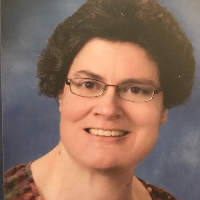
Indiana · 35 yrs exp
LCSW focusing on mood and life transitions
Stress, Anxiety · Grief · Self esteem · Depression · +4 more
Read profile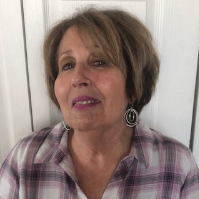
Arizona · 25 yrs exp
Licensed Professional Counselor in Arizona
Stress, Anxiety · Addictions · Relationship · Trauma and abuse · +11 more
Read profile
Washington · 50 yrs exp
LMHC in Washington - trauma, mood, relationship work
Stress, Anxiety · Trauma and abuse · Intimacy-related issues · Self esteem · +15 more
Read profile
Virginia · 13 yrs exp
Licensed Professional Counselor - stress and relationships
Stress, Anxiety · Family · Trauma and abuse · Parenting · +12 more
Read profile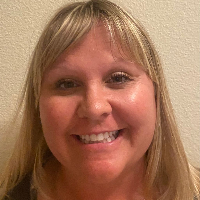
Colorado · 18 yrs exp
LPC LCPC - stress, mood, and behavior work
Stress, Anxiety · Addictions · Relationship · Self esteem · +15 more
Read profile
Ohio · 13 yrs exp
LIMFT, LPCC - stress, relationships, trauma
Stress, Anxiety · Relationship · Family · Parenting · +13 more
Read profile
Florida · 13 yrs exp
LMHC in Florida - Stress, Relationships, Addictions
Stress, Anxiety · Trauma and abuse · Anger · Depression · +11 more
Read profile
Florida · 30 yrs exp
LCSW supporting stress, mood, and relationship concerns
Stress, Anxiety · Trauma and abuse · Self esteem · Depression · +11 more
Read profile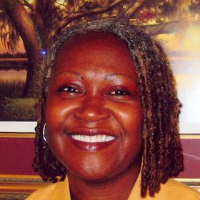
South Carolina · 25 yrs exp
Licensed LPC in South Carolina - addictions and relationships
Addictions · Relationship · Grief · Self esteem · +9 more
Read profile
Georgia · 9 yrs exp
LPC in Georgia focusing on trauma and addiction
Stress, Anxiety · Anger · Self esteem · Bipolar · +11 more
Read profile
Michigan · 10 yrs exp
LMSW, LISW - depression, anxiety, trauma
Addictions · Relationship · Trauma and abuse · Self esteem · +16 more
Read profile
Florida · 21 yrs exp
LCSW focused on relationships and life changes
Stress, Anxiety · Relationship · Family · Eating · +16 more
Read profile
Oklahoma · 23 yrs exp
Licensed Professional Counselor - stress, anxiety, trauma
Stress, Anxiety · Relationship · Trauma and abuse · Self esteem · +15 more
Read profile
Wisconsin · 15 yrs exp
Licensed Professional Counselor - stress and relationship work
Stress, Anxiety · Addictions · Relationship · Depression · +15 more
Read profile
Pennsylvania · 28 yrs exp
Licensed Professional Counselor - addictions and relationship work
Addictions · Relationship · Family · Trauma and abuse · +3 more
Read profile
Texas · 17 yrs exp
LPC, LMFT in Texas focused on mood and relationships
Stress, Anxiety · Relationship · Family · Trauma and abuse · +11 more
Read profile
Texas · 20 yrs exp
LPC in Texas helping with stress and relationships
Stress, Anxiety · Relationship · Trauma and abuse · Depression · +11 more
Read profile
Michigan · 9 yrs exp
LMSW in Michigan - stress, addiction, relationships
Stress, Anxiety · Addictions · Relationship · Trauma and abuse · +15 more
Read profile
Michigan · 32 yrs exp
LMSW focused on relationship and mood concerns
Stress, Anxiety · Relationship · Trauma and abuse · Self esteem · +16 more
Read profile
Florida · 30 yrs exp
LMHC in Florida - mood and relationship work
Stress, Anxiety · Relationship · Family · Self esteem · +15 more
Read profile
Louisiana · 30 yrs exp
LPC working with relationship and life changes
Stress, Anxiety · Relationship · Grief · Eating · +9 more
Read profile
South Carolina · 21 yrs exp
LPC, LCMHC - relationship and emotional concerns
Relationship · Grief · Parenting · Depression · +14 more
Read profile
Arizona · 10 yrs exp
AZ Psychologist focusing on stress and life changes
Stress, Anxiety · Self esteem · Career · Coping with life changes · +14 more
Read profile
New York · 10 yrs exp
Licensed Mental Health Counselor - stress and relationship issues
Stress, Anxiety · Relationship · Family · Trauma and abuse · +14 more
Read profile
Illinois · 35 yrs exp
Illinois Psychologist focusing on stress and relationships
Stress, Anxiety · Relationship · Self esteem · Coping with life changes · +6 more
Read profile
North Carolina · 16 yrs exp
LCMHC focused on stress and addiction
Stress, Anxiety · Addictions · Grief · Eating · +12 more
Read profile
Florida · 30 yrs exp
Dr. Oren Hernández LMHC LMFT - stress and mood concerns
Stress, Anxiety · Addictions · Trauma and abuse · Grief · +14 more
Read profile
South Carolina · 20 yrs exp
LCSW LISW focusing on stress and relationships
Stress, Anxiety · LGBT · Relationship · Family · +6 more
Read profile
Kentucky · 14 yrs exp
LCSW focusing on stress and trauma
Stress, Anxiety · Relationship · Trauma and abuse · Self esteem · +13 more
Read profile
Michigan · 8 yrs exp
Licensed LMSW - stress, trauma, transitions
Stress, Anxiety · Self esteem · Depression · Coping with life changes · +9 more
Read profile
Illinois · 41 yrs exp
LCSW - Stress, Mood, and Relationship Concerns
Stress, Anxiety · Parenting · Bipolar · Depression · +15 more
Read profile
California · 20 yrs exp
LMFT focusing on trauma and mood concerns
Stress, Anxiety · Trauma and abuse · Parenting · Anger · +13 more
Read profile
Georgia · 3 yrs exp
LPC in Georgia focusing on mood and maternal health
Stress, Anxiety · Anger · Self esteem · Depression · +10 more
Read profileBody image describes how you see, think about, and feel toward your own body. That internal experience includes perceptions of appearance, beliefs about attractiveness or worth, and emotional reactions when you look at yourself or consider your physical presence in the world. Body image is shaped by many influences - cultural messages about beauty, early family interactions, social comparisons, health changes, and experiences with stigma or bullying. For some people body image shifts over time with life events such as puberty, pregnancy, injury, illness, or aging. For others it can be a steady source of distress that affects daily mood, social choices, and self-expression.
When body image becomes a persistent source of unease, it can touch many parts of life. You might find yourself avoiding situations where your body is visible to others, preoccupied with checking and measuring, or engaging in behaviors meant to control appearance. Those responses can be emotionally and practically draining and can erode self-esteem and enjoyment. Therapy for body image is often about understanding those patterns, developing more compassionate ways to relate to yourself, and building practical coping skills so your sense of self is not dictated by appearance-related worry.
You might consider seeking help if thoughts about your body take up a large portion of your day or interfere with activities you care about. If you notice that social events, dating, exercising, or work tasks are avoided because of concerns about how you look, that is a common indicator that body image is affecting functioning. Intense shame, frequent comparisons to others, or rituals such as excessive mirror checking, camouflaging, or strict dietary rules are other signals that an underlying pattern may need attention.
Emotional signs are important to notice. If you feel persistent low mood, anxiety, or anger linked to your appearance, if you experience frequent bingeing, purging, or other distressing behaviors related to weight and shape, or if you find it hard to participate in meaningful relationships because you worry about being judged, therapy can help you explore those dynamics. Therapy is also appropriate if you want to shift from reactive behaviors to intentional choices and build a more balanced relationship with your body that supports daily functioning and emotional well-being.
In early sessions you and your therapist will typically explore how body image shows up in your life and what your goals are for change. This assessment phase is a collaborative conversation about patterns, triggers, and the ways appearance concerns intersect with mood, behavior, relationships, and health habits. You can expect a goal-oriented plan that honors your priorities - whether those are reducing anxiety around certain situations, changing harmful behaviors, or developing self-compassion.
Ongoing sessions often combine exploration of underlying beliefs with practical skills work. You may examine family narratives or cultural messages that contributed to negative self-perceptions while also practicing strategies like cognitive restructuring, exposure to avoided experiences, and emotion regulation. Homework assignments are sometimes used to apply new skills between sessions, though the pace and content will be adapted to your readiness. A therapist who works with body image will typically focus on helping you notice automatic thoughts, change unhelpful behaviors, and build a more stable sense of self that is not solely appearance-based.
Different therapists bring different approaches to body image work, and many blend methods to fit each person's needs. You may find therapists who list cognitive behavioral therapy among their approaches, which focuses on identifying and changing unhelpful thoughts and behaviors. Other therapists may list acceptance and commitment approaches, emphasizing values-driven action and noticing difficult feelings without letting them dictate behavior. Mindfulness-based strategies are often used to increase present-moment awareness of sensations and reduce reactive responses to body-focused thoughts.
Some practitioners describe using interpersonal approaches to address how relationships and social roles influence self-image, while others reference narrative or trauma-informed perspectives to help you re-author stories about your body and heal from painful experiences. Somatic-oriented work can be useful when body image concerns are tied to bodily sensations or tension, though therapists present this as an element of their approach rather than a guarantee of a specific outcome. You may also encounter therapists who list EMDR among their approaches; such listings indicate that EMDR is part of what they may use, not an affirmation of a particular credential. Good body image work often integrates multiple methods to address thoughts, feelings, behaviors, and social context together.
Online therapy has become a common way to address body image because it offers flexibility in how and where you meet with a clinician. Sessions most often take place by video, phone, or a hybrid of formats, allowing you to connect from your home or another comfortable environment. When you choose an online therapist, think about the medium you prefer for sensitive conversations - some people feel safer talking from home, while others prefer an in-person setting for embodied work. Technology-based sessions can include the same therapeutic elements as in-person work, such as cognitive restructuring, exposure exercises, and mindfulness practices adapted for remote delivery.
When using online therapy for body image, clarify logistics that matter to you. Ask how the therapist structures sessions, whether they integrate written exercises or screen-sharing to review worksheets, and how they approach work involving body-focused exposures or movement. If cultural factors, gender identity, or lived experience are important to your identity, look for therapists who describe related competencies or languages on their profiles. You can also consider how the therapist communicates about collaboration with other providers, such as medical or nutritional professionals, if that coordination is relevant to your goals. Ultimately online therapy can be a practical option for consistent, focused work on body image when you choose a practitioner whose approach and style align with your needs.
Finding the right therapist involves more than just listing an approach. Start by clarifying your priorities - do you want someone who emphasizes practical skill-building, someone who focuses on body-centered practices, or someone who pays special attention to identity and cultural context? Use therapist profiles to compare focus areas, stated approaches, credentials, languages spoken, and descriptions of populations served. Because training claims vary in how they are represented, look for clear explanations of how a therapist describes applying an approach rather than assuming formal certification.
Think about fit in terms of communication style and values. You may prefer a therapist who frames body image work around self-compassion and empowerment, or you may want a clinician who emphasizes structured behavioral strategies. Consider scheduling an initial consultation if that option is offered so you can get a sense of rapport and whether the therapist’s perspective resonates with you. Pay attention to practical details such as session format, length, frequency, and how they measure progress. Trust your instincts about emotional safety and whether the therapist invites collaboration and curiosity. Choosing a therapist is a personal decision, and taking small steps to compare profiles and read how therapists describe their approach can help you find someone aligned with your goals for body image change and growth.
Alabama
31 therapists
Alaska
3 therapists
Arizona
34 therapists
Arkansas
20 therapists
California
266 therapists
Colorado
72 therapists
Connecticut
26 therapists
Delaware
3 therapists
District of Columbia
7 therapists
Florida
252 therapists
Georgia
85 therapists
Hawaii
8 therapists
Idaho
15 therapists
Illinois
102 therapists
Indiana
41 therapists
Iowa
7 therapists
Kansas
20 therapists
Kentucky
30 therapists
Louisiana
42 therapists
Maine
12 therapists
Maryland
68 therapists
Massachusetts
49 therapists
Michigan
79 therapists
Minnesota
40 therapists
Mississippi
17 therapists
Missouri
68 therapists
Montana
13 therapists
Nebraska
18 therapists
Nevada
12 therapists
New Hampshire
7 therapists
New Jersey
57 therapists
New Mexico
14 therapists
New York
173 therapists
North Carolina
118 therapists
North Dakota
5 therapists
Ohio
79 therapists
Oklahoma
30 therapists
Oregon
26 therapists
Pennsylvania
85 therapists
Rhode Island
2 therapists
South Carolina
52 therapists
South Dakota
4 therapists
Tennessee
33 therapists
Texas
263 therapists
Utah
26 therapists
Vermont
4 therapists
Virginia
77 therapists
Washington
52 therapists
West Virginia
7 therapists
Wisconsin
40 therapists
Wyoming
3 therapists