
Velma Jones
LCSWNew York · 29 yrs exp
LCSW - adult mood and relationship concerns
Stress, Anxiety · Relationship · Trauma and abuse · Depression · +10 more
Read profileTherapist listings are provided by BetterHelp. We will earn a commission at no additional cost to you if you use our links to purchase.
On this page you will find profiles of therapists who specialize in career-related concerns, such as job transitions, workplace stress, and vocational direction. Browse the listings below to compare credentials, approaches, languages, and professional focus areas as you explore next steps for your career well-being.
New York · 29 yrs exp
LCSW - adult mood and relationship concerns
Stress, Anxiety · Relationship · Trauma and abuse · Depression · +10 more
Read profile
Ohio · 25 yrs exp
LPCC in Ohio - stress, relationships, trauma
Stress, Anxiety · LGBT · Relationship · Self esteem · +16 more
Read profile
Colorado · 19 yrs exp
LCSW focusing on mood and relationship concerns
Stress, Anxiety · Relationship · Trauma and abuse · Grief · +12 more
Read profile
South Carolina · 16 yrs exp
LMFT - Stress, Relationships, Trauma
Stress, Anxiety · Relationship · Family · Parenting · +14 more
Read profile
Florida · 20 yrs exp
Dr. Daniella Jackson, LMHC - addiction and mood concerns
Stress, Anxiety · Addictions · Relationship · Self esteem · +16 more
Read profile
Kansas · 15 yrs exp
LCPC, LPC - Stress anxiety relationship support
Stress, Anxiety · Relationship · Family · Trauma and abuse · +14 more
Read profile
Florida · 39 yrs exp
LMHC - Relationship and stress counseling
Stress, Anxiety · Relationship · Family · Parenting · +14 more
Read profile
North Carolina · 51 yrs exp
LCMHC focusing on relationship and mood concerns
Relationship · Intimacy-related issues · Parenting · Self esteem · +12 more
Read profile
Illinois · 20 yrs exp
Licensed Clinical Social Worker - stress and life changes
Stress, Anxiety · Relationship · Parenting · Self esteem · +7 more
Read profile
Maryland · 6 yrs exp
LCPC in Maryland - stress and trauma work
Stress, Anxiety · Trauma and abuse · Self esteem · Coping with life changes · +10 more
Read profile
New York · 5 yrs exp
LMHC in New York - mood and relationship work
Stress, Anxiety · LGBT · Trauma and abuse · Bipolar · +12 more
Read profile
Michigan · 5 yrs exp
Licensed Professional Counselor - stress and life transitions
Stress, Anxiety · Relationship · Family · Self esteem · +12 more
Read profile
Missouri · 16 yrs exp
LCSW focused on stress, trauma, and mood disorders
Stress, Anxiety · Trauma and abuse · Self esteem · Bipolar · +12 more
Read profile
North Carolina · 10 yrs exp
LCSW, LISW-CP - Stress and relationship work
Stress, Anxiety · Relationship · Family · Bipolar · +16 more
Read profile
Oregon · 14 yrs exp
LPC in Oregon - mood and life transitions
Grief · Self esteem · Career · Depression · +8 more
Read profile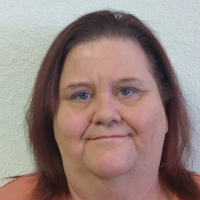
Texas · 9 yrs exp
Licensed Professional Counselor - stress and relationship issues
Stress, Anxiety · Trauma and abuse · Grief · Depression · +12 more
Read profile
Texas · 10 yrs exp
LPC in Texas focusing on anxiety and relationships
Stress, Anxiety · Relationship · Family · Depression · +14 more
Read profile
Michigan · 45 yrs exp
LPC in Michigan focusing on addiction and trauma
Stress, Anxiety · Addictions · Trauma and abuse · Grief · +10 more
Read profile
Ohio · 33 yrs exp
LPCC helping with stress, trauma, mood and relationships
Stress, Anxiety · Family · Trauma and abuse · Self esteem · +12 more
Read profile
Arizona · 20 yrs exp
AZ Psychologist - stress, mood, relationships
Stress, Anxiety · Addictions · Grief · Self esteem · +14 more
Read profile
Georgia · 18 yrs exp
Licensed Professional Counselor - relationship and trauma focus
Stress, Anxiety · Relationship · Family · Trauma and abuse · +10 more
Read profile
Alabama · 8 yrs exp
LPC in Alabama focusing on stress and trauma
Stress, Anxiety · Trauma and abuse · Anger · Self esteem · +5 more
Read profile
Florida · 30 yrs exp
FL Psychologist focused on practical solutions
Stress, Anxiety · Grief · Anger · Depression · +15 more
Read profile
Texas · 6 yrs exp
LCSW focused on relationships and family concerns
Relationship · Family · Parenting · Self esteem · +7 more
Read profile
Nevada · 20 yrs exp
LCPC, LMHC working with stress and relationships
Stress, Anxiety · Addictions · Relationship · Family · +15 more
Read profile
Florida · 20 yrs exp
LMHC LPCC focused on stress and addiction
Stress, Anxiety · Addictions · Relationship · Trauma and abuse · +15 more
Read profile
Texas · 20 yrs exp
LICSW, LCSW in Texas - Stress and relationship issues
Stress, Anxiety · Addictions · Family · Grief · +15 more
Read profile
Florida · 20 yrs exp
LMHC in Florida specializing in mood and relationship concerns
Stress, Anxiety · Grief · Self esteem · Depression · +9 more
Read profile
Ohio · 20 yrs exp
LISW in Ohio - stress, trauma, mood concerns
Stress, Anxiety · LGBT · Family · Grief · +16 more
Read profile
Florida · 10 yrs exp
LCSW focused on anxiety and trauma
Stress, Anxiety · Trauma and abuse · Grief · Depression · +12 more
Read profile
Louisiana · 25 yrs exp
LPC - Addictions, trauma, relationships
Addictions · Relationship · Family · Trauma and abuse · +11 more
Read profile
Michigan · 10 yrs exp
LPC in Michigan focusing on relationships and life transitions
Relationship · Family · Self esteem · Career · +5 more
Read profile
Michigan · 31 yrs exp
Licensed Professional Counselor in Michigan, focus on mood and behavior
Stress, Anxiety · Addictions · Self esteem · Career · +5 more
Read profile
North Carolina · 20 yrs exp
LCSW focusing on mood and addiction concerns
Stress, Anxiety · Addictions · Family · Career · +16 more
Read profile
Colorado · 13 yrs exp
Licensed Marriage and Family Therapist - adult concerns
Stress, Anxiety · LGBT · Relationship · Trauma and abuse · +10 more
Read profile
North Carolina · 20 yrs exp
LPC, LCMHC - Stress and addiction support
Stress, Anxiety · Parenting · Self esteem · Depression · +15 more
Read profile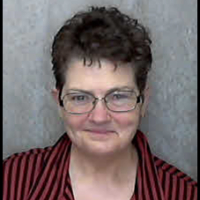
Texas · 35 yrs exp
LCSW-C and LCSW focusing on trauma and relationships
Stress, Anxiety · Relationship · Family · Trauma and abuse · +14 more
Read profile
Indiana · 25 yrs exp
LCSW focused on stress and relationships
Stress, Anxiety · Relationship · Grief · Self esteem · +12 more
Read profile
Florida · 24 yrs exp
LMHC in Florida - CBT and coaching
Stress, Anxiety · Career · Depression · Coping with life changes · +12 more
Read profile
Florida · 35 yrs exp
LMHC in Florida focusing on mood and life challenges
Stress, Anxiety · Family · Grief · Eating · +16 more
Read profile
Delaware · 24 yrs exp
LMFT focused on relationships and family issues
Relationship · Family · Trauma and abuse · Parenting · +14 more
Read profile
Texas · 12 yrs exp
LPC focusing on trauma and mood concerns
Stress, Anxiety · Trauma and abuse · Eating · Depression · +13 more
Read profile
Indiana · 35 yrs exp
LCSW focusing on mood and life transitions
Stress, Anxiety · Grief · Self esteem · Depression · +4 more
Read profile
New Jersey · 25 yrs exp
LPC in New Jersey focusing on stress and relationships
Stress, Anxiety · Family · Trauma and abuse · Grief · +9 more
Read profile
Massachusetts · 30 yrs exp
MA LMFT, MA LMHC working with addiction and family concerns
Addictions · Family · Trauma and abuse · Grief · +16 more
Read profile
Arizona · 25 yrs exp
Licensed Professional Counselor in Arizona
Stress, Anxiety · Addictions · Relationship · Trauma and abuse · +11 more
Read profile
New York · 25 yrs exp
LCSW in New York focusing on mood and trauma
Stress, Anxiety · Trauma and abuse · Self esteem · Depression · +11 more
Read profile
Texas · 15 yrs exp
LPC helping with addictions and trauma
Addictions · Trauma and abuse · Grief · Anger · +10 more
Read profile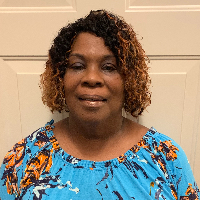
Virginia · 27 yrs exp
LPC in Virginia focusing on stress and trauma
Stress, Anxiety · Addictions · Anger · Self esteem · +9 more
Read profile
Washington · 50 yrs exp
LMHC in Washington - trauma, mood, relationship work
Stress, Anxiety · Trauma and abuse · Intimacy-related issues · Self esteem · +15 more
Read profile
Georgia · 12 yrs exp
LPC in Georgia focusing on mood and relationship concerns
LGBT · Relationship · Bipolar · Coping with life changes · +6 more
Read profile
Virginia · 13 yrs exp
Licensed Professional Counselor - stress and relationships
Stress, Anxiety · Family · Trauma and abuse · Parenting · +12 more
Read profile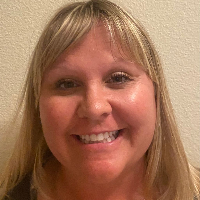
Colorado · 18 yrs exp
LPC LCPC - stress, mood, and behavior work
Stress, Anxiety · Addictions · Relationship · Self esteem · +15 more
Read profile
New York · 20 yrs exp
LCSW focused on stress and relationships
Stress, Anxiety · Addictions · Relationship · Self esteem · +9 more
Read profile
Ohio · 13 yrs exp
LIMFT, LPCC - stress, relationships, trauma
Stress, Anxiety · Relationship · Family · Parenting · +13 more
Read profile
Florida · 30 yrs exp
LCSW supporting stress, mood, and relationship concerns
Stress, Anxiety · Trauma and abuse · Self esteem · Depression · +11 more
Read profile
South Carolina · 25 yrs exp
Licensed LPC in South Carolina - addictions and relationships
Addictions · Relationship · Grief · Self esteem · +9 more
Read profile
New York · 20 yrs exp
LCSW in New York focusing on stress and relationships
Stress, Anxiety · Addictions · Relationship · Career · +5 more
Read profile
South Dakota · 8 yrs exp
LPC LPC-MH in South Dakota - stress and trauma
Stress, Anxiety · Relationship · Trauma and abuse · Career · +1 more
Read profile
Michigan · 10 yrs exp
LMSW, LISW - depression, anxiety, trauma
Addictions · Relationship · Trauma and abuse · Self esteem · +16 more
Read profileWhen people talk about "career" in therapy they mean more than just a job title or salary. Career concerns often include decisions about which direction to take professionally, navigating a promotion or role change, recovering from a layoff, managing workplace conflict, balancing work and family responsibilities, and dealing with the emotional toll of burnout or chronic dissatisfaction. Those concerns can shape daily routines, influence relationships, affect your self-image, and change how you spend your energy outside of work. For many, career struggles intersect with identity - you may find that a role once comfortable no longer fits your values or that external expectations push you toward choices you did not intend.
Because career matters touch financial stability, social standing, and personal meaning, the ripple effects can be broad. You might notice decreased motivation, trouble sleeping because of job-related worry, or strained connections with family and friends after work-related conflicts. Some people describe feeling stuck - aware of a mismatch between what they do and who they are - while others are suddenly facing new choices after a layoff or relocation. Recognizing how career stress shows up in your life helps you decide when to seek guidance and what kind of help will be most relevant.
If you suspect work is affecting your well-being, there are several practical signs that therapy could be useful. You may find yourself dreading workdays, feeling chronically exhausted despite adequate rest, or losing interest in activities you used to enjoy. Decision-making can feel paralyzing when choices about career direction carry high stakes, and recurring doubts about your competence or value at work may highlight a need to process those beliefs with someone who can help. Persistent anxiety or sadness tied to job conditions, repeated conflicts with supervisors or colleagues, or a pattern of leaving jobs without clarity on why - all of these are signals that targeted support could help you explore underlying factors and develop strategies.
Beyond emotional indicators, practical career issues are common reasons to seek therapy. If you want clearer professional goals, more confidence in interviews or negotiations, or tools for boundary-setting and time management, a counselor can work with you to build skills and clarify priorities. You might not need long-term therapy to refine your resume or interview technique, but if career problems are entangled with self-esteem, relationship patterns, or mental health symptoms, working with a clinician can provide a deeper, more sustainable path forward.
In the first few sessions you and your therapist will likely explore the practical and emotional dimensions of your situation. Expect conversations about your work history, values, strengths, and the specific stressors you face. The initial goal is to build a clear picture of where you are now and where you want to go, which helps shape realistic and measurable goals for counseling. You will collaborate on priorities - whether that involves managing work-related anxiety, preparing for a career change, improving communication with colleagues, or recovering from burnout - and your therapist will help you develop an action plan that fits your life.
Sessions often combine reflection with skills practice. You might examine thought patterns that undermine confidence, rehearse difficult conversations, set boundaries, or design experiments that test new behaviors in the workplace. Progress can look like greater clarity about your goals, improved coping strategies when stressful situations arise, or more consistent steps toward a different role. Therapy for career concerns is practical and solution-oriented while also attending to deeper patterns that influence how you make choices and respond to stress. Most people find that integrating both short-term problem solving and longer-term exploration produces lasting benefits.
Your therapist offers a steady space to try out new ideas and receive honest feedback. When you are making a major transition - such as changing industries, starting a new role, or moving into entrepreneurship - having someone who listens and reflects back your priorities can help you test assumptions and stay accountable. The relationship is a place to explore fears, unpack identity questions tied to work, and practice assertive communication in a way that feels tailored to your values and constraints.
Therapists use a range of methods to support career work, and many list multiple approaches among their professional toolkit. Cognitive-behavioral strategies are commonly described, focusing on how thoughts and beliefs influence the choices you make and how you respond to setbacks. Narrative-oriented work may help you reframe the story you tell about your career, highlighting themes and skills you might otherwise overlook. Solution-focused techniques prioritize immediate steps and measurable outcomes, which can be useful when you have specific goals like job searching or networking.
Other therapists describe career coaching or integrative styles that blend practical career planning with psychological insight. Some professionals emphasize values-based work, helping you identify what matters most so career decisions align with your sense of purpose. If interpersonal issues at work are central, approaches that center relationship patterns and communication skills can be helpful. When reading profiles, note whether a therapist lists coaching, cognitive-behavioral, narrative, or humanistic approaches among their approaches, and consider how those orientations fit with the kind of support you want.
Online therapy expands how and where you receive career-focused support, making it easier to schedule sessions around work hours and to connect with clinicians who specialize in vocational issues. You can choose video or phone sessions that fit your comfort level and daily routine. Many people find that meeting from home or another familiar setting helps them focus on specific problems like interview preparation, workplace role-play, or approaching difficult conversations. Virtual sessions can also facilitate greater continuity if you travel or change time zones for a new job.
During online sessions you can still expect the same mix of reflection, skills-building, and action planning that you would in-person. Some therapists use shared documents or worksheets during video meetings to map goals and track steps. If your work life involves irregular hours, asynchronous messaging in combination with scheduled sessions can support ongoing progress between meetings. Keep in mind that online counseling requires a reliable connection and a quiet place to talk, and you may want to set boundaries with coworkers or household members so you have uninterrupted time during sessions.
Choosing a therapist for career-related concerns depends on a combination of practical fit and professional focus. Start by clarifying what you want to accomplish - is your priority clearer direction, skill development, healing from burnout, or improving workplace relationships? That clarity will help you identify therapists who list relevant focus areas. Look for descriptions that mention career transitions, vocational counseling, workplace stress, negotiation support, or related keywords that match your goals. If language, cultural background, or industry knowledge matters to you, seek therapists who note those attributes in their profiles.
Pay attention to the approaches therapists list among their approaches and reflect on whether those methods appeal to you. If you prefer concrete strategies, consider clinicians who emphasize solution-focused or cognitive-behavioral methods. If you want to explore identity and meaning around work, look for therapists who describe narrative or person-centered work. You may also want to note the kinds of clients a therapist mentions - such as early-career professionals, mid-career transitions, executives, or people recovering from job loss - to gauge relevance. Finally, trust your instincts when you contact someone for an initial conversation; a good match is often as much about how comfortable you feel talking with the person as it is about listed credentials and approaches.
Career-related therapy can be a pragmatic, reflective, and deeply personal process. Whether you need short-term help to navigate a specific job change or longer-term support for identity and meaning tied to work, the right clinician can help you set goals, practice skills, and move forward with greater clarity. Use the profiles on this page to explore practitioners who align with your priorities and to take the next step toward work that fits your life and values.
Alabama
31 therapists
Alaska
3 therapists
Arizona
34 therapists
Arkansas
20 therapists
California
266 therapists
Colorado
72 therapists
Connecticut
26 therapists
Delaware
3 therapists
District of Columbia
7 therapists
Florida
252 therapists
Georgia
85 therapists
Hawaii
8 therapists
Idaho
15 therapists
Illinois
102 therapists
Indiana
41 therapists
Iowa
7 therapists
Kansas
20 therapists
Kentucky
30 therapists
Louisiana
42 therapists
Maine
12 therapists
Maryland
68 therapists
Massachusetts
49 therapists
Michigan
79 therapists
Minnesota
40 therapists
Mississippi
17 therapists
Missouri
68 therapists
Montana
13 therapists
Nebraska
18 therapists
Nevada
12 therapists
New Hampshire
7 therapists
New Jersey
57 therapists
New Mexico
14 therapists
New York
173 therapists
North Carolina
118 therapists
North Dakota
5 therapists
Ohio
79 therapists
Oklahoma
30 therapists
Oregon
26 therapists
Pennsylvania
85 therapists
Rhode Island
2 therapists
South Carolina
52 therapists
South Dakota
4 therapists
Tennessee
33 therapists
Texas
263 therapists
Utah
26 therapists
Vermont
4 therapists
Virginia
77 therapists
Washington
52 therapists
West Virginia
7 therapists
Wisconsin
40 therapists
Wyoming
3 therapists