
Velma Jones
LCSWNew York · 29 yrs exp
LCSW - adult mood and relationship concerns
Stress, Anxiety · Relationship · Trauma and abuse · Depression · +10 more
Read profileTherapist listings are provided by BetterHelp. We will earn a commission at no additional cost to you if you use our links to purchase.
If family patterns from your childhood continue to affect your relationships and wellbeing, you may benefit from working with a therapist who specializes in family of origin issues. Browse the listings below to explore therapists' focus areas, approaches, credentials, and languages to find a clinician who fits your needs.
New York · 29 yrs exp
LCSW - adult mood and relationship concerns
Stress, Anxiety · Relationship · Trauma and abuse · Depression · +10 more
Read profile
Colorado · 19 yrs exp
LCSW focusing on mood and relationship concerns
Stress, Anxiety · Relationship · Trauma and abuse · Grief · +12 more
Read profile
South Carolina · 16 yrs exp
LMFT - Stress, Relationships, Trauma
Stress, Anxiety · Relationship · Family · Parenting · +14 more
Read profile
Florida · 20 yrs exp
Dr. Daniella Jackson, LMHC - addiction and mood concerns
Stress, Anxiety · Addictions · Relationship · Self esteem · +16 more
Read profile
Kansas · 15 yrs exp
LCPC, LPC - Stress anxiety relationship support
Stress, Anxiety · Relationship · Family · Trauma and abuse · +14 more
Read profile
North Carolina · 10 yrs exp
LCSW, LISW-CP - Stress and relationship work
Stress, Anxiety · Relationship · Family · Bipolar · +16 more
Read profile
Oregon · 14 yrs exp
LPC in Oregon - mood and life transitions
Grief · Self esteem · Career · Depression · +8 more
Read profile
Texas · 9 yrs exp
Licensed Professional Counselor - stress and relationship issues
Stress, Anxiety · Trauma and abuse · Grief · Depression · +12 more
Read profile
Texas · 10 yrs exp
LPC in Texas focusing on anxiety and relationships
Stress, Anxiety · Relationship · Family · Depression · +14 more
Read profile
Ohio · 33 yrs exp
LPCC helping with stress, trauma, mood and relationships
Stress, Anxiety · Family · Trauma and abuse · Self esteem · +12 more
Read profile
Arizona · 20 yrs exp
AZ Psychologist - stress, mood, relationships
Stress, Anxiety · Addictions · Grief · Self esteem · +14 more
Read profile
Georgia · 18 yrs exp
Licensed Professional Counselor - relationship and trauma focus
Stress, Anxiety · Relationship · Family · Trauma and abuse · +10 more
Read profile
Texas · 6 yrs exp
LCSW focused on relationships and family concerns
Relationship · Family · Parenting · Self esteem · +7 more
Read profile
Texas · 20 yrs exp
LICSW, LCSW in Texas - Stress and relationship issues
Stress, Anxiety · Addictions · Family · Grief · +15 more
Read profile
Florida · 20 yrs exp
LMHC in Florida specializing in mood and relationship concerns
Stress, Anxiety · Grief · Self esteem · Depression · +9 more
Read profile
Ohio · 20 yrs exp
LISW in Ohio - stress, trauma, mood concerns
Stress, Anxiety · LGBT · Family · Grief · +16 more
Read profile
Arkansas · 23 yrs exp
LPC in Arkansas focusing on mood and relationship concerns
Stress, Anxiety · Trauma and abuse · Anger · Self esteem · +11 more
Read profile
Oregon · 17 yrs exp
LMFT working with stress, trauma, grief, depression
Stress, Anxiety · Trauma and abuse · Grief · Intimacy-related issues · +1 more
Read profile
New York · 14 yrs exp
LCSW - Stress, anxiety, relationships
Stress, Anxiety · Relationship · Trauma and abuse · Self esteem · +5 more
Read profile
North Carolina · 20 yrs exp
LCSW focusing on mood and addiction concerns
Stress, Anxiety · Addictions · Family · Career · +16 more
Read profile
Colorado · 13 yrs exp
Licensed Marriage and Family Therapist - adult concerns
Stress, Anxiety · LGBT · Relationship · Trauma and abuse · +10 more
Read profile
Missouri · 23 yrs exp
LPC in Missouri focusing on mood and relationships
Stress, Anxiety · Relationship · Trauma and abuse · Depression · +9 more
Read profile
Texas · 35 yrs exp
LCSW-C and LCSW focusing on trauma and relationships
Stress, Anxiety · Relationship · Family · Trauma and abuse · +14 more
Read profile
Nevada · 25 yrs exp
LMFT for relationship and family concerns
Stress, Anxiety · Relationship · Family · Trauma and abuse · +1 more
Read profile
Illinois · 30 yrs exp
LCPC in Illinois focused on family and trauma
Family · Trauma and abuse · Grief · Depression · +7 more
Read profile
North Dakota · 10 yrs exp
Licensed Clinical Social Worker - stress and trauma
Stress, Anxiety · Relationship · Family · Trauma and abuse · +10 more
Read profile
Florida · 35 yrs exp
LMHC in Florida focusing on mood and life challenges
Stress, Anxiety · Family · Grief · Eating · +16 more
Read profile
Delaware · 24 yrs exp
LMFT focused on relationships and family issues
Relationship · Family · Trauma and abuse · Parenting · +14 more
Read profile
Idaho · 18 yrs exp
LCSW focused on mood and life changes
Stress, Anxiety · Trauma and abuse · Grief · Self esteem · +10 more
Read profile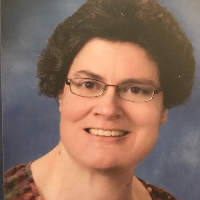
Indiana · 35 yrs exp
LCSW focusing on mood and life transitions
Stress, Anxiety · Grief · Self esteem · Depression · +4 more
Read profile
New Jersey · 25 yrs exp
LPC in New Jersey focusing on stress and relationships
Stress, Anxiety · Family · Trauma and abuse · Grief · +9 more
Read profile
Massachusetts · 30 yrs exp
MA LMFT, MA LMHC working with addiction and family concerns
Addictions · Family · Trauma and abuse · Grief · +16 more
Read profile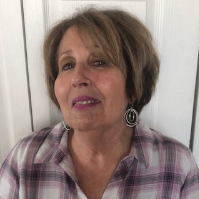
Arizona · 25 yrs exp
Licensed Professional Counselor in Arizona
Stress, Anxiety · Addictions · Relationship · Trauma and abuse · +11 more
Read profile
New York · 25 yrs exp
LCSW in New York focusing on mood and trauma
Stress, Anxiety · Trauma and abuse · Self esteem · Depression · +11 more
Read profile
Mississippi · 16 yrs exp
LPC focused on anxiety, trauma, and family concerns
Stress, Anxiety · Family · Anger · Depression · +8 more
Read profile
Nebraska · 35 yrs exp
LMHP, LPC focusing on relationships and sexuality
LGBT · Relationship · Family · Intimacy-related issues · +6 more
Read profile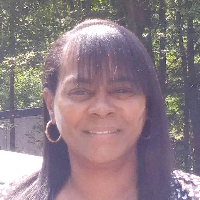
New York · 20 yrs exp
LCSW focused on stress and relationships
Stress, Anxiety · Addictions · Relationship · Self esteem · +9 more
Read profile
Ohio · 13 yrs exp
LIMFT, LPCC - stress, relationships, trauma
Stress, Anxiety · Relationship · Family · Parenting · +13 more
Read profile
Florida · 13 yrs exp
LMHC in Florida - Stress, Relationships, Addictions
Stress, Anxiety · Trauma and abuse · Anger · Depression · +11 more
Read profile
Florida · 30 yrs exp
LCSW supporting stress, mood, and relationship concerns
Stress, Anxiety · Trauma and abuse · Self esteem · Depression · +11 more
Read profile
Michigan · 10 yrs exp
LMSW, LISW - depression, anxiety, trauma
Addictions · Relationship · Trauma and abuse · Self esteem · +16 more
Read profile
Florida · 21 yrs exp
LCSW focused on relationships and life changes
Stress, Anxiety · Relationship · Family · Eating · +16 more
Read profile
Oklahoma · 23 yrs exp
Licensed Professional Counselor - stress, anxiety, trauma
Stress, Anxiety · Relationship · Trauma and abuse · Self esteem · +15 more
Read profile
Wisconsin · 33 yrs exp
LPC in Wisconsin - stress, mood, and addiction care
Stress, Anxiety · Addictions · Trauma and abuse · Grief · +11 more
Read profile
Pennsylvania · 28 yrs exp
Licensed Professional Counselor - addictions and relationship work
Addictions · Relationship · Family · Trauma and abuse · +3 more
Read profile
Texas · 17 yrs exp
LPC, LMFT in Texas focused on mood and relationships
Stress, Anxiety · Relationship · Family · Trauma and abuse · +11 more
Read profile
Texas · 20 yrs exp
LPC in Texas helping with stress and relationships
Stress, Anxiety · Relationship · Trauma and abuse · Depression · +11 more
Read profile
Texas · 28 yrs exp
LCSW in Texas focusing on trauma and relationships
Stress, Anxiety · Relationship · Trauma and abuse · Depression · +7 more
Read profile
Florida · 30 yrs exp
LMHC in Florida - mood and relationship work
Stress, Anxiety · Relationship · Family · Self esteem · +15 more
Read profile
South Carolina · 21 yrs exp
LPC, LCMHC - relationship and emotional concerns
Relationship · Grief · Parenting · Depression · +14 more
Read profile
New York · 10 yrs exp
Licensed Mental Health Counselor - stress and relationship issues
Stress, Anxiety · Relationship · Family · Trauma and abuse · +14 more
Read profile
Texas · 30 yrs exp
LPC in Texas - addictions and mood concerns
Stress, Anxiety · Addictions · Relationship · Family · +13 more
Read profile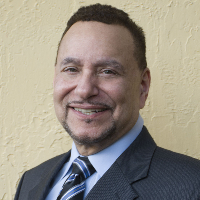
Florida · 30 yrs exp
Dr. Oren Hernández LMHC LMFT - stress and mood concerns
Stress, Anxiety · Addictions · Trauma and abuse · Grief · +14 more
Read profile
Utah · 11 yrs exp
LCSW focusing on trauma and behavior concerns
Stress, Anxiety · Addictions · Relationship · Trauma and abuse · +16 more
Read profile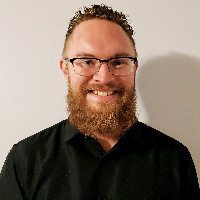
South Carolina · 10 yrs exp
LPC - Stress, relationships, and addiction work
Stress, Anxiety · Addictions · Relationship · Depression · +10 more
Read profile
South Carolina · 20 yrs exp
LCSW LISW focusing on stress and relationships
Stress, Anxiety · LGBT · Relationship · Family · +6 more
Read profile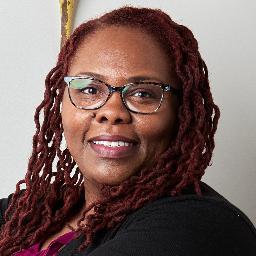
Kentucky · 14 yrs exp
LCSW focusing on stress and trauma
Stress, Anxiety · Relationship · Trauma and abuse · Self esteem · +13 more
Read profile
Florida · 18 yrs exp
LCSW - Stress, trauma, mood, and addiction support
Stress, Anxiety · Relationship · Trauma and abuse · Depression · +14 more
Read profile
Indiana · 46 yrs exp
LMHC - Trauma and anxiety focus
Stress, Anxiety · Family · Trauma and abuse · Grief · +11 more
Read profile
Michigan · 8 yrs exp
Licensed LMSW - stress, trauma, transitions
Stress, Anxiety · Self esteem · Depression · Coping with life changes · +9 more
Read profileFamily of origin issues refer to the ways your early family relationships, roles, and dynamics shape how you think, feel, and behave as an adult. These issues can include patterns of communication, expectations about roles, emotional responsiveness, boundaries, and ways of coping with stress. You may have grown up in a household where emotions were minimized, boundaries were blurred, caregiving roles were reversed, or conflict was frequent. Those early experiences often become the lens through which you interpret relationships, work, parenting, and your sense of self.
You may notice that certain situations trigger strong emotional reactions, or that you repeat relationship patterns that leave you frustrated or disconnected. Family of origin dynamics do not necessarily mean something was done wrong; rather, they reflect adaptive responses you developed in a particular setting that may no longer serve you. Understanding those origins can help you make different choices, build healthier relationships, and change long-standing patterns that affect your wellbeing.
If you are wondering whether therapy focused on family of origin issues could help, there are several common signs to watch for. You might find that you feel anxious or unusually guarded in intimate relationships, or that you struggle to set boundaries with family members. Reactions such as shame, chronic people-pleasing, caretaking beyond your means, or persistent distrust of others can point to unresolved family patterns. You may also recognize repeated themes in your relationships - for example, attracting partners who replicate a parent’s behaviors or responding to conflict in ways that mirror what you observed as a child.
Other indicators include difficulty identifying and expressing your own needs, feeling overly responsible for others' emotions, or experiencing ongoing tension around money, roles, or caregiving within your family of origin. If these dynamics cause distress or limit your ability to form satisfying connections, working with a therapist who focuses on family of origin issues can provide a path toward insight and change.
Therapy that addresses family of origin issues typically begins with a careful exploration of your family history, relationships, and the patterns you have noticed in your life. Early sessions often involve mapping key relationships and events, and exploring how those experiences influence your thoughts, emotions, and behavior today. You and your therapist will work at a pace that feels manageable, identifying specific goals such as improving boundaries, managing strong emotions, or changing relational habits.
Sessions may include reflective dialogue, skill-building for communication and emotional regulation, and exercises that help you experiment with new ways of relating outside of therapy. Some therapists use narrative techniques to help you reframe your story, while others emphasize the relational process that occurs between you and the therapist as a way to illuminate old patterns. You can expect to leave sessions with practical strategies to try between appointments and with increased awareness of the historical roots of current difficulties. Therapy is typically collaborative and tailored to what you want to change.
Therapists take many approaches to family of origin issues, and approaches often overlap depending on a clinician’s style. You may encounter therapists who describe psychodynamic or relational work, which focuses on how early attachments and unconscious patterns influence present relationships. Others may describe family systems approaches that look at roles and interactions within your family unit and how those systems persist over time. Some clinicians highlight attachment-based frameworks that examine how early caregiving shaped your capacity for intimacy and trust.
In addition, there are therapists who list cognitive-behavioral techniques among their approaches, emphasizing how beliefs formed in childhood affect behavior and teaching tools to modify those beliefs. You might also find clinicians who list narrative therapy to help you rewrite the stories you tell about yourself, somatic approaches that address how the body holds early experience, or therapies such as EMDR among their approaches for working with traumatic memories. When you read a profile, note which approaches are mentioned and imagine which methods might align with your preferences for insight, skills, or experiential work.
Online therapy can be an effective way to explore family of origin dynamics because it offers flexible access to clinicians who list this specialty and may bring diverse perspectives. Sessions commonly take place by video or phone, and some therapists offer messaging options to supplement live sessions. The remote format can make it easier to connect with therapists who have experience with your cultural background, language, or specific life circumstances, widening the pool of clinicians you can consider.
When you choose online therapy, think about your setting and how to make it conducive to reflective work - a comfortable environment where you can speak openly without interruptions is important. Technology can introduce new elements to therapy, such as being observed in your own home, which sometimes brings useful material into the session. You should expect the therapist to explain how they handle records, session structure, and what to do in a crisis, and you can ask about their familiarity with online methods for processing family-related material. Many people find that the convenience of remote sessions makes it easier to maintain consistency, which is often key when working through deep-rooted patterns.
Finding a therapist who fits you involves more than credentials. Start by looking for clinicians who explicitly mention family of origin, generational patterns, or attachment in their profiles, and note the therapeutic approaches they list. Consider whether you want a therapist who emphasizes exploration and insight or one who focuses more on practical skills for communication and boundary-setting. Language, cultural competence, and experience with family structures similar to your own can also influence how well you connect and how well your history will be understood.
When you review profiles, pay attention to stated areas of focus, typical client concerns, and the ways therapists describe their work. You may prefer a therapist who mentions working with trauma, complex family dynamics, or relational rebuilding, but remember that listing an approach does not mean a specific credential in that method. It is reasonable to prepare a few questions for an initial conversation or intake form - for example, asking how the therapist approaches multi-generational patterns, what a typical session looks like, and how they help clients translate insight into new relational behavior. Trust your sense of fit - the therapeutic relationship itself will be a central part of change.
Working on family of origin issues can be a deep and meaningful form of therapy that helps you understand why you respond to people the way you do and gives you tools to build more satisfying relationships. You do not have to carry generational patterns alone - with a clinician who understands this specialty and an approach that matches your needs, you can explore the past while practicing different ways of relating in the present. Use the listings above to compare focus areas, approaches, credentials, and languages to find a therapist who aligns with your goals and preferences.
Alabama
31 therapists
Alaska
3 therapists
Arizona
34 therapists
Arkansas
20 therapists
California
266 therapists
Colorado
72 therapists
Connecticut
26 therapists
Delaware
3 therapists
District of Columbia
7 therapists
Florida
252 therapists
Georgia
85 therapists
Hawaii
8 therapists
Idaho
15 therapists
Illinois
102 therapists
Indiana
41 therapists
Iowa
7 therapists
Kansas
20 therapists
Kentucky
30 therapists
Louisiana
42 therapists
Maine
12 therapists
Maryland
68 therapists
Massachusetts
49 therapists
Michigan
79 therapists
Minnesota
40 therapists
Mississippi
17 therapists
Missouri
68 therapists
Montana
13 therapists
Nebraska
18 therapists
Nevada
12 therapists
New Hampshire
7 therapists
New Jersey
57 therapists
New Mexico
14 therapists
New York
173 therapists
North Carolina
118 therapists
North Dakota
5 therapists
Ohio
79 therapists
Oklahoma
30 therapists
Oregon
26 therapists
Pennsylvania
85 therapists
Rhode Island
2 therapists
South Carolina
52 therapists
South Dakota
4 therapists
Tennessee
33 therapists
Texas
263 therapists
Utah
26 therapists
Vermont
4 therapists
Virginia
77 therapists
Washington
52 therapists
West Virginia
7 therapists
Wisconsin
40 therapists
Wyoming
3 therapists