
Velma Jones
LCSWNew York · 29 yrs exp
LCSW - adult mood and relationship concerns
Stress, Anxiety · Relationship · Trauma and abuse · Depression · +10 more
Read profileTherapist listings are provided by BetterHelp. We will earn a commission at no additional cost to you if you use our links to purchase.
On this page you will find therapists who list infidelity as a specialty, offering support for individuals and couples navigating betrayal, trust repair, and complicated emotions. Browse the practitioner listings below to review profiles, approaches, credentials, languages, and areas of experience to find a therapist who may fit your needs.
New York · 29 yrs exp
LCSW - adult mood and relationship concerns
Stress, Anxiety · Relationship · Trauma and abuse · Depression · +10 more
Read profile
Ohio · 25 yrs exp
LPCC in Ohio - stress, relationships, trauma
Stress, Anxiety · LGBT · Relationship · Self esteem · +16 more
Read profile
Colorado · 19 yrs exp
LCSW focusing on mood and relationship concerns
Stress, Anxiety · Relationship · Trauma and abuse · Grief · +12 more
Read profile
South Carolina · 16 yrs exp
LMFT - Stress, Relationships, Trauma
Stress, Anxiety · Relationship · Family · Parenting · +14 more
Read profile
Florida · 20 yrs exp
Dr. Daniella Jackson, LMHC - addiction and mood concerns
Stress, Anxiety · Addictions · Relationship · Self esteem · +16 more
Read profile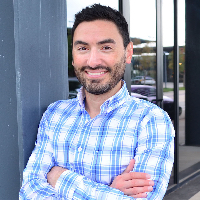
Kansas · 15 yrs exp
LCPC, LPC - Stress anxiety relationship support
Stress, Anxiety · Relationship · Family · Trauma and abuse · +14 more
Read profile
Florida · 39 yrs exp
LMHC - Relationship and stress counseling
Stress, Anxiety · Relationship · Family · Parenting · +14 more
Read profile
New York · 5 yrs exp
LMHC in New York - mood and relationship work
Stress, Anxiety · LGBT · Trauma and abuse · Bipolar · +12 more
Read profile
Pennsylvania · 12 yrs exp
LPCC LMHC - Stress, anxiety, relationships
Stress, Anxiety · Relationship · Self esteem · Depression · +11 more
Read profile
Missouri · 16 yrs exp
LCSW focused on stress, trauma, and mood disorders
Stress, Anxiety · Trauma and abuse · Self esteem · Bipolar · +12 more
Read profile
North Carolina · 10 yrs exp
LCSW, LISW-CP - Stress and relationship work
Stress, Anxiety · Relationship · Family · Bipolar · +16 more
Read profile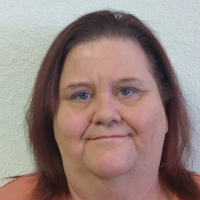
Texas · 9 yrs exp
Licensed Professional Counselor - stress and relationship issues
Stress, Anxiety · Trauma and abuse · Grief · Depression · +12 more
Read profile
Texas · 10 yrs exp
LPC in Texas focusing on anxiety and relationships
Stress, Anxiety · Relationship · Family · Depression · +14 more
Read profile
Ohio · 33 yrs exp
LPCC helping with stress, trauma, mood and relationships
Stress, Anxiety · Family · Trauma and abuse · Self esteem · +12 more
Read profile
Arizona · 20 yrs exp
AZ Psychologist - stress, mood, relationships
Stress, Anxiety · Addictions · Grief · Self esteem · +14 more
Read profile
Georgia · 18 yrs exp
Licensed Professional Counselor - relationship and trauma focus
Stress, Anxiety · Relationship · Family · Trauma and abuse · +10 more
Read profile
Nevada · 20 yrs exp
LCPC, LMHC working with stress and relationships
Stress, Anxiety · Addictions · Relationship · Family · +15 more
Read profile
Texas · 20 yrs exp
LICSW, LCSW in Texas - Stress and relationship issues
Stress, Anxiety · Addictions · Family · Grief · +15 more
Read profile
Florida · 20 yrs exp
LMHC in Florida specializing in mood and relationship concerns
Stress, Anxiety · Grief · Self esteem · Depression · +9 more
Read profile
Ohio · 20 yrs exp
LISW in Ohio - stress, trauma, mood concerns
Stress, Anxiety · LGBT · Family · Grief · +16 more
Read profile
Arkansas · 23 yrs exp
LPC in Arkansas focusing on mood and relationship concerns
Stress, Anxiety · Trauma and abuse · Anger · Self esteem · +11 more
Read profile
Louisiana · 14 yrs exp
Licensed Professional Counselor - stress and relationship focus
Stress, Anxiety · Parenting · Anger · Self esteem · +1 more
Read profile
Oregon · 17 yrs exp
LMFT working with stress, trauma, grief, depression
Stress, Anxiety · Trauma and abuse · Grief · Intimacy-related issues · +1 more
Read profile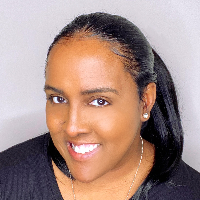
North Carolina · 20 yrs exp
LCSW focusing on mood and addiction concerns
Stress, Anxiety · Addictions · Family · Career · +16 more
Read profile
Colorado · 13 yrs exp
Licensed Marriage and Family Therapist - adult concerns
Stress, Anxiety · LGBT · Relationship · Trauma and abuse · +10 more
Read profile
Texas · 35 yrs exp
LCSW-C and LCSW focusing on trauma and relationships
Stress, Anxiety · Relationship · Family · Trauma and abuse · +14 more
Read profile
Nevada · 25 yrs exp
LMFT for relationship and family concerns
Stress, Anxiety · Relationship · Family · Trauma and abuse · +1 more
Read profile
North Dakota · 10 yrs exp
Licensed Clinical Social Worker - stress and trauma
Stress, Anxiety · Relationship · Family · Trauma and abuse · +10 more
Read profile
Florida · 35 yrs exp
LMHC in Florida focusing on mood and life challenges
Stress, Anxiety · Family · Grief · Eating · +16 more
Read profile
Delaware · 24 yrs exp
LMFT focused on relationships and family issues
Relationship · Family · Trauma and abuse · Parenting · +14 more
Read profile
Idaho · 18 yrs exp
LCSW focused on mood and life changes
Stress, Anxiety · Trauma and abuse · Grief · Self esteem · +10 more
Read profile
Texas · 12 yrs exp
LPC focusing on trauma and mood concerns
Stress, Anxiety · Trauma and abuse · Eating · Depression · +13 more
Read profile
Massachusetts · 30 yrs exp
MA LMFT, MA LMHC working with addiction and family concerns
Addictions · Family · Trauma and abuse · Grief · +16 more
Read profile
Arizona · 25 yrs exp
Licensed Professional Counselor in Arizona
Stress, Anxiety · Addictions · Relationship · Trauma and abuse · +11 more
Read profile
Texas · 15 yrs exp
LPC helping with addictions and trauma
Addictions · Trauma and abuse · Grief · Anger · +10 more
Read profile
Washington · 50 yrs exp
LMHC in Washington - trauma, mood, relationship work
Stress, Anxiety · Trauma and abuse · Intimacy-related issues · Self esteem · +15 more
Read profile
Virginia · 13 yrs exp
Licensed Professional Counselor - stress and relationships
Stress, Anxiety · Family · Trauma and abuse · Parenting · +12 more
Read profile
Colorado · 18 yrs exp
LPC LCPC - stress, mood, and behavior work
Stress, Anxiety · Addictions · Relationship · Self esteem · +15 more
Read profile
New York · 20 yrs exp
LCSW focused on stress and relationships
Stress, Anxiety · Addictions · Relationship · Self esteem · +9 more
Read profile
Michigan · 33 yrs exp
MI Psychologist working with anxiety and life changes
Stress, Anxiety · Parenting · Coping with life changes · Addictions · +7 more
Read profile
Ohio · 13 yrs exp
LIMFT, LPCC - stress, relationships, trauma
Stress, Anxiety · Relationship · Family · Parenting · +13 more
Read profile
Florida · 13 yrs exp
LMHC in Florida - Stress, Relationships, Addictions
Stress, Anxiety · Trauma and abuse · Anger · Depression · +11 more
Read profile
Florida · 30 yrs exp
LCSW supporting stress, mood, and relationship concerns
Stress, Anxiety · Trauma and abuse · Self esteem · Depression · +11 more
Read profile
South Carolina · 25 yrs exp
Licensed LPC in South Carolina - addictions and relationships
Addictions · Relationship · Grief · Self esteem · +9 more
Read profile
Georgia · 9 yrs exp
LPC in Georgia focusing on trauma and addiction
Stress, Anxiety · Anger · Self esteem · Bipolar · +11 more
Read profile
New York · 20 yrs exp
LCSW in New York focusing on stress and relationships
Stress, Anxiety · Addictions · Relationship · Career · +5 more
Read profile
Michigan · 10 yrs exp
LMSW, LISW - depression, anxiety, trauma
Addictions · Relationship · Trauma and abuse · Self esteem · +16 more
Read profile
Florida · 21 yrs exp
LCSW focused on relationships and life changes
Stress, Anxiety · Relationship · Family · Eating · +16 more
Read profile
Pennsylvania · 28 yrs exp
Licensed Professional Counselor - addictions and relationship work
Addictions · Relationship · Family · Trauma and abuse · +3 more
Read profile
Texas · 17 yrs exp
LPC, LMFT in Texas focused on mood and relationships
Stress, Anxiety · Relationship · Family · Trauma and abuse · +11 more
Read profile
Texas · 20 yrs exp
LPC in Texas helping with stress and relationships
Stress, Anxiety · Relationship · Trauma and abuse · Depression · +11 more
Read profile
Florida · 12 yrs exp
LMHC LPC - relationship and mood concerns
Relationship · Self esteem · Depression · Coping with life changes · +9 more
Read profile
Florida · 40 yrs exp
LCSW focusing on stress and trauma
Stress, Anxiety · Addictions · LGBT · Relationship · +3 more
Read profile
Florida · 30 yrs exp
LMHC in Florida - mood and relationship work
Stress, Anxiety · Relationship · Family · Self esteem · +15 more
Read profile
Louisiana · 30 yrs exp
LPC working with relationship and life changes
Stress, Anxiety · Relationship · Grief · Eating · +9 more
Read profile
South Carolina · 21 yrs exp
LPC, LCMHC - relationship and emotional concerns
Relationship · Grief · Parenting · Depression · +14 more
Read profile
Texas · 30 yrs exp
LPC in Texas - addictions and mood concerns
Stress, Anxiety · Addictions · Relationship · Family · +13 more
Read profile
Illinois · 35 yrs exp
Illinois Psychologist focusing on stress and relationships
Stress, Anxiety · Relationship · Self esteem · Coping with life changes · +6 more
Read profile
Florida · 30 yrs exp
Dr. Oren Hernández LMHC LMFT - stress and mood concerns
Stress, Anxiety · Addictions · Trauma and abuse · Grief · +14 more
Read profile
South Carolina · 10 yrs exp
LPC - Stress, relationships, and addiction work
Stress, Anxiety · Addictions · Relationship · Depression · +10 more
Read profileInfidelity refers to actions or emotional connections that one partner perceives as a breach of the expectations that define a relationship. That can include physical encounters, ongoing online intimacy, secretive communication, or emotional involvement that displaces the primary partnership. How infidelity is experienced depends on the relationship agreement, cultural background, personal values, and the meaning both partners assign to the event. For some people a single act is devastating; for others, repeated patterns or secrecy are the main source of harm. In many situations the event exposes underlying vulnerabilities such as poor communication, unmet needs, boredom, or stress that existed before the breach.
The emotional aftermath often includes shock, grief, anger, humiliation, anxiety, and a profound loss of trust. You may find yourself replaying details, questioning your self-worth, or becoming hypervigilant about your partner's behavior. Partners who were involved in the infidelity commonly experience shame, guilt, and confusion about what led to their choices. Friends and family can also be pulled into the emotional fallout, and practical matters - like living arrangements, finances, and parenting - may suddenly feel urgent. Therapy is a place to sort through the immediate emotional impact and to explore whether the relationship needs repair, redefinition, or an orderly separation.
Beyond the initial hurt you may notice communication patterns changing, intimacy declining, or chronic distrust growing in daily life. Sleep, concentration at work, and physical health can be affected as well. The way people cope varies - some respond with confrontation and demands for answers, while others withdraw. Understanding these ripple effects helps you set realistic expectations for healing time and the types of support that are likely to help.
If the aftermath of infidelity is interfering with your ability to function, connect with others, or make clear decisions, therapy may be helpful. You might be experiencing persistent intrusive thoughts about the betrayal, overwhelming anger that is hard to control, or depression and hopelessness about the future of your relationship. If communication with your partner has collapsed into repeated arguments, avoidance, or manipulative behaviors, a skilled therapist can provide structure and tools to change those patterns. Therapy is also useful when you are unsure whether you want to stay in the relationship and need help weighing your options while reducing harm to yourself and others.
Another sign that therapy could help is if you are replaying the past and cannot move forward, or if you find yourself acting in ways that are inconsistent with your values. People often seek therapy not just to process emotions but to rebuild trust and learn new ways of relating. You may want guidance on setting boundaries, restoring intimacy, or managing practical decisions about co-parenting and finances. If the experience triggers intense shame or blame, therapy can help you explore those feelings without accusation so you can make clearer decisions about next steps.
Even when the relationship stays intact, individual therapy can help each partner process their own emotional experience. At the same time couples work can focus on patterns between you, repair conversations, and the slow process of rebuilding trust. Choosing an approach that aligns with your goals - whether to rebuild connection or to separate respectfully - will shape the structure and pace of therapy.
Therapy for infidelity usually begins with assessment and shared goal-setting. Early sessions are often spent mapping the events, understanding each person’s account, and identifying immediate safety or practical needs. You can expect a focus on managing intense emotions, creating boundaries for difficult conversations, and developing skills to prevent reactivity. Therapists commonly help people slow down conversations that might otherwise escalate and teach communication techniques that make it possible to express hurt without fueling more harm.
Over time sessions may shift toward exploring patterns that contributed to the breach, addressing individual vulnerabilities, and practicing new interaction habits. If you come to therapy with a need for rebuilding trust, work often includes structured exercises for transparency, apologies that acknowledge impact, and steps that demonstrate changed behavior. If the relationship will end, therapy can support a plan that reduces conflict and protects children when relevant. In all cases you should expect a gradual process - repairing trust and emotional wounds takes time and repeated practice.
Therapists frequently teach emotion regulation strategies so you can tolerate difficult feelings without acting impulsively. Practical planning is another common element - therapists help negotiate immediate decisions about boundaries, safety, and day-to-day logistics so the emotional work is not derailed by chaos. You can also expect periodic reviews of progress and adjustments to goals as the situation evolves.
Therapists use a range of approaches when working with infidelity, and you will find practitioners who list different modalities among their approaches. Emotion-focused methods are often used to help partners understand underlying needs and attachment patterns that shaped their responses. Cognitive-behavioral approaches may be used to change unhelpful beliefs and behaviors that perpetuate cycles of blame or avoidance. Therapists who list narrative approaches among their methods help people reframe the story of what happened and reclaim agency over their lives.
Some therapists list somatic or body-based approaches among their approaches to help people who experience trauma-like symptoms after betrayal. Others list approaches oriented around couples therapy models that provide structured steps for repair and forgiveness work. You will also find therapists who list mindfulness-based approaches, which can support emotion regulation and clearer decision-making. When reading profiles, note how practitioners describe their work with infidelity - whether they emphasize rebuilding trust, processing betrayal trauma, improving communication, or helping people choose separation - so you can match approach to your goals.
Because listing an approach does not prove formal certification, profiles typically indicate the methods a therapist uses rather than formal credentials in a modality. When you read a profile pay attention to how a therapist describes the fit between their approach and the challenges you face. That practical detail often matters more than the name of any single method.
Online therapy can make it easier to connect with therapists who list infidelity among their specialties, including practitioners who work with couples remotely or provide individual sessions for partners. Sessions typically occur via video, phone, or text-based messaging, and many therapists adapt exercises and repair work for a distance format. You can expect clinicians to discuss how they handle privacy within digital sessions, plan for difficult moments, and structure tasks between sessions so progress continues outside of meetings. If you and your partner are in different locations, online work can allow joint sessions that would otherwise be difficult to schedule.
Choosing the right therapist involves looking beyond a single label. Consider the therapist’s experience with infidelity-related issues, their approach to couples or individual work, and whether they describe a framework that fits your goals - such as rebuilding trust, navigating separation, or processing trauma-like responses. Pay attention to languages spoken, cultural competence, and experience with your particular family structure or identity. It can help to read how a therapist describes typical first steps and what they emphasize in ongoing work so you know whether their style matches your needs.
When you review profiles, look for clarity about session structure, typical goals, and the focus of the therapist’s practice. Think about whether you prefer a therapist who directs the process with structured interventions or someone who takes a more exploratory approach. If couples work is part of your plan, consider how the therapist handles safety, ground rules for conversations, and whether they provide individual sessions alongside joint meetings. Ultimately your comfort in discussing painful topics and the therapist’s ability to help you create a plan will be important in deciding who to contact.
Infidelity is painful and often disorienting, but many people find that thoughtful help - whether individual or couples-focused - provides clearer choices and a path forward. Use the listings above to compare approaches, languages, credentials, and experience, and choose a therapist profile that aligns with the kind of support you want as you navigate this difficult time.
Alabama
31 therapists
Alaska
3 therapists
Arizona
34 therapists
Arkansas
20 therapists
California
266 therapists
Colorado
72 therapists
Connecticut
26 therapists
Delaware
3 therapists
District of Columbia
7 therapists
Florida
252 therapists
Georgia
85 therapists
Hawaii
8 therapists
Idaho
15 therapists
Illinois
102 therapists
Indiana
41 therapists
Iowa
7 therapists
Kansas
20 therapists
Kentucky
30 therapists
Louisiana
42 therapists
Maine
12 therapists
Maryland
68 therapists
Massachusetts
49 therapists
Michigan
79 therapists
Minnesota
40 therapists
Mississippi
17 therapists
Missouri
68 therapists
Montana
13 therapists
Nebraska
18 therapists
Nevada
12 therapists
New Hampshire
7 therapists
New Jersey
57 therapists
New Mexico
14 therapists
New York
173 therapists
North Carolina
118 therapists
North Dakota
5 therapists
Ohio
79 therapists
Oklahoma
30 therapists
Oregon
26 therapists
Pennsylvania
85 therapists
Rhode Island
2 therapists
South Carolina
52 therapists
South Dakota
4 therapists
Tennessee
33 therapists
Texas
263 therapists
Utah
26 therapists
Vermont
4 therapists
Virginia
77 therapists
Washington
52 therapists
West Virginia
7 therapists
Wisconsin
40 therapists
Wyoming
3 therapists