
Velma Jones
LCSWNew York · 29 yrs exp
LCSW - adult mood and relationship concerns
Stress, Anxiety · Relationship · Trauma and abuse · Depression · +10 more
Read profileTherapist listings are provided by BetterHelp. We will earn a commission at no additional cost to you if you use our links to purchase.
This page lists therapists who work with intimacy issues, including emotional and sexual connection challenges. Browse the directory below to review profiles, compare approaches, and learn more about practitioners whose focus and experience align with what you want to address.
New York · 29 yrs exp
LCSW - adult mood and relationship concerns
Stress, Anxiety · Relationship · Trauma and abuse · Depression · +10 more
Read profile
Ohio · 25 yrs exp
LPCC in Ohio - stress, relationships, trauma
Stress, Anxiety · LGBT · Relationship · Self esteem · +16 more
Read profile
Colorado · 19 yrs exp
LCSW focusing on mood and relationship concerns
Stress, Anxiety · Relationship · Trauma and abuse · Grief · +12 more
Read profile
South Carolina · 16 yrs exp
LMFT - Stress, Relationships, Trauma
Stress, Anxiety · Relationship · Family · Parenting · +14 more
Read profile
Florida · 20 yrs exp
Dr. Daniella Jackson, LMHC - addiction and mood concerns
Stress, Anxiety · Addictions · Relationship · Self esteem · +16 more
Read profile
Kansas · 15 yrs exp
LCPC, LPC - Stress anxiety relationship support
Stress, Anxiety · Relationship · Family · Trauma and abuse · +14 more
Read profile
Florida · 39 yrs exp
LMHC - Relationship and stress counseling
Stress, Anxiety · Relationship · Family · Parenting · +14 more
Read profile
North Carolina · 51 yrs exp
LCMHC focusing on relationship and mood concerns
Relationship · Intimacy-related issues · Parenting · Self esteem · +12 more
Read profile
New York · 5 yrs exp
LMHC in New York - mood and relationship work
Stress, Anxiety · LGBT · Trauma and abuse · Bipolar · +12 more
Read profile
Michigan · 5 yrs exp
Licensed Professional Counselor - stress and life transitions
Stress, Anxiety · Relationship · Family · Self esteem · +12 more
Read profile
Pennsylvania · 12 yrs exp
LPCC LMHC - Stress, anxiety, relationships
Stress, Anxiety · Relationship · Self esteem · Depression · +11 more
Read profile
Missouri · 16 yrs exp
LCSW focused on stress, trauma, and mood disorders
Stress, Anxiety · Trauma and abuse · Self esteem · Bipolar · +12 more
Read profile
North Carolina · 10 yrs exp
LCSW, LISW-CP - Stress and relationship work
Stress, Anxiety · Relationship · Family · Bipolar · +16 more
Read profile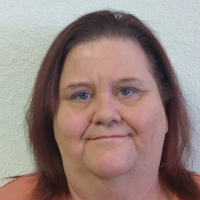
Texas · 9 yrs exp
Licensed Professional Counselor - stress and relationship issues
Stress, Anxiety · Trauma and abuse · Grief · Depression · +12 more
Read profile
Texas · 10 yrs exp
LPC in Texas focusing on anxiety and relationships
Stress, Anxiety · Relationship · Family · Depression · +14 more
Read profile
Michigan · 45 yrs exp
LPC in Michigan focusing on addiction and trauma
Stress, Anxiety · Addictions · Trauma and abuse · Grief · +10 more
Read profile
Ohio · 33 yrs exp
LPCC helping with stress, trauma, mood and relationships
Stress, Anxiety · Family · Trauma and abuse · Self esteem · +12 more
Read profile
Arizona · 20 yrs exp
AZ Psychologist - stress, mood, relationships
Stress, Anxiety · Addictions · Grief · Self esteem · +14 more
Read profile
Georgia · 18 yrs exp
Licensed Professional Counselor - relationship and trauma focus
Stress, Anxiety · Relationship · Family · Trauma and abuse · +10 more
Read profile
Louisiana · 22 yrs exp
LMFT LPC - Anxiety, Mood, Trauma
Stress, Anxiety · Relationship · Family · Grief · +11 more
Read profile
Florida · 30 yrs exp
FL Psychologist focused on practical solutions
Stress, Anxiety · Grief · Anger · Depression · +15 more
Read profile
Nevada · 20 yrs exp
LCPC, LMHC working with stress and relationships
Stress, Anxiety · Addictions · Relationship · Family · +15 more
Read profile
Florida · 20 yrs exp
LMHC LPCC focused on stress and addiction
Stress, Anxiety · Addictions · Relationship · Trauma and abuse · +15 more
Read profile
Texas · 20 yrs exp
LICSW, LCSW in Texas - Stress and relationship issues
Stress, Anxiety · Addictions · Family · Grief · +15 more
Read profile
Florida · 20 yrs exp
LMHC in Florida specializing in mood and relationship concerns
Stress, Anxiety · Grief · Self esteem · Depression · +9 more
Read profile
Ohio · 20 yrs exp
LISW in Ohio - stress, trauma, mood concerns
Stress, Anxiety · LGBT · Family · Grief · +16 more
Read profile
Arkansas · 23 yrs exp
LPC in Arkansas focusing on mood and relationship concerns
Stress, Anxiety · Trauma and abuse · Anger · Self esteem · +11 more
Read profile
Louisiana · 25 yrs exp
LPC - Addictions, trauma, relationships
Addictions · Relationship · Family · Trauma and abuse · +11 more
Read profile
Michigan · 10 yrs exp
LPC in Michigan focusing on mood and relationship issues
Stress, Anxiety · Family · Trauma and abuse · Grief · +12 more
Read profile
Oregon · 17 yrs exp
LMFT working with stress, trauma, grief, depression
Stress, Anxiety · Trauma and abuse · Grief · Intimacy-related issues · +1 more
Read profile
California · 5 yrs exp
LMFT focused on relationships and life changes
Relationship · Grief · Parenting · Self esteem · +11 more
Read profile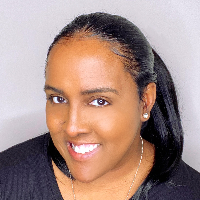
North Carolina · 20 yrs exp
LCSW focusing on mood and addiction concerns
Stress, Anxiety · Addictions · Family · Career · +16 more
Read profile
Colorado · 13 yrs exp
Licensed Marriage and Family Therapist - adult concerns
Stress, Anxiety · LGBT · Relationship · Trauma and abuse · +10 more
Read profile
North Carolina · 20 yrs exp
LPC, LCMHC - Stress and addiction support
Stress, Anxiety · Parenting · Self esteem · Depression · +15 more
Read profile
Missouri · 23 yrs exp
LPC in Missouri focusing on mood and relationships
Stress, Anxiety · Relationship · Trauma and abuse · Depression · +9 more
Read profile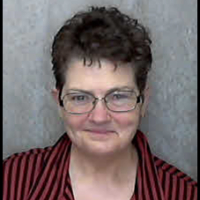
Texas · 35 yrs exp
LCSW-C and LCSW focusing on trauma and relationships
Stress, Anxiety · Relationship · Family · Trauma and abuse · +14 more
Read profile
Indiana · 25 yrs exp
LCSW focused on stress and relationships
Stress, Anxiety · Relationship · Grief · Self esteem · +12 more
Read profile
Illinois · 34 yrs exp
LCPC focusing on mood and relationship concerns
Stress, Anxiety · Relationship · Grief · Self esteem · +11 more
Read profile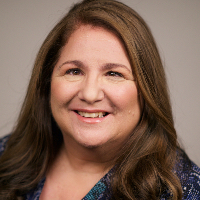
Florida · 24 yrs exp
LMHC in Florida - CBT and coaching
Stress, Anxiety · Career · Depression · Coping with life changes · +12 more
Read profile
Florida · 35 yrs exp
LMHC in Florida focusing on mood and life challenges
Stress, Anxiety · Family · Grief · Eating · +16 more
Read profile
Michigan · 20 yrs exp
LMSW focusing on relationship and mood concerns
LGBT · Family · Intimacy-related issues · Parenting · +1 more
Read profile
Delaware · 24 yrs exp
LMFT focused on relationships and family issues
Relationship · Family · Trauma and abuse · Parenting · +14 more
Read profile
Massachusetts · 30 yrs exp
MA LMFT, MA LMHC working with addiction and family concerns
Addictions · Family · Trauma and abuse · Grief · +16 more
Read profile
Arizona · 25 yrs exp
Licensed Professional Counselor in Arizona
Stress, Anxiety · Addictions · Relationship · Trauma and abuse · +11 more
Read profile
Washington · 50 yrs exp
LMHC in Washington - trauma, mood, relationship work
Stress, Anxiety · Trauma and abuse · Intimacy-related issues · Self esteem · +15 more
Read profile
Virginia · 13 yrs exp
Licensed Professional Counselor - stress and relationships
Stress, Anxiety · Family · Trauma and abuse · Parenting · +12 more
Read profile
Colorado · 18 yrs exp
LPC LCPC - stress, mood, and behavior work
Stress, Anxiety · Addictions · Relationship · Self esteem · +15 more
Read profile
Texas · 15 yrs exp
LPC, LMFT focusing on relationships and anxiety
Stress, Anxiety · Relationship · Family · Intimacy-related issues · +1 more
Read profile
Nebraska · 35 yrs exp
LMHP, LPC focusing on relationships and sexuality
LGBT · Relationship · Family · Intimacy-related issues · +6 more
Read profile
New York · 20 yrs exp
LCSW focused on stress and relationships
Stress, Anxiety · Addictions · Relationship · Self esteem · +9 more
Read profile
Ohio · 13 yrs exp
LIMFT, LPCC - stress, relationships, trauma
Stress, Anxiety · Relationship · Family · Parenting · +13 more
Read profile
Florida · 13 yrs exp
LMHC in Florida - Stress, Relationships, Addictions
Stress, Anxiety · Trauma and abuse · Anger · Depression · +11 more
Read profile
South Carolina · 25 yrs exp
Licensed LPC in South Carolina - addictions and relationships
Addictions · Relationship · Grief · Self esteem · +9 more
Read profile
Georgia · 9 yrs exp
LPC in Georgia focusing on trauma and addiction
Stress, Anxiety · Anger · Self esteem · Bipolar · +11 more
Read profile
Michigan · 10 yrs exp
LMSW, LISW - depression, anxiety, trauma
Addictions · Relationship · Trauma and abuse · Self esteem · +16 more
Read profile
Florida · 21 yrs exp
LCSW focused on relationships and life changes
Stress, Anxiety · Relationship · Family · Eating · +16 more
Read profile
Oklahoma · 23 yrs exp
Licensed Professional Counselor - stress, anxiety, trauma
Stress, Anxiety · Relationship · Trauma and abuse · Self esteem · +15 more
Read profile
Wisconsin · 15 yrs exp
Licensed Professional Counselor - stress and relationship work
Stress, Anxiety · Addictions · Relationship · Depression · +15 more
Read profile
Nebraska · 23 yrs exp
LPC LMHP focusing on mood and coping
Stress, Anxiety · Trauma and abuse · Self esteem · Depression · +12 more
Read profile
Texas · 20 yrs exp
LPC in Texas helping with stress and relationships
Stress, Anxiety · Relationship · Trauma and abuse · Depression · +11 more
Read profileIntimacy issues can show up in many forms, from persistent difficulty trusting a partner to struggles with sexual desire or emotional closeness. You might notice patterns that repeat from relationship to relationship, or you may find that a long-term partnership that once felt close now feels distant. Intimacy is not only about sexual activity; it includes the ability to share feelings, set boundaries, negotiate differences, and feel understood. When one or more of these elements is disrupted, you can experience loneliness, frustration, shame, or anxious preoccupation with the relationship.
Factors that contribute to intimacy issues are varied and often overlapping. Relationship history, attachment styles formed in childhood, past hurts or betrayals, stress from work or caregiving, medical concerns, and communication habits all influence how easily you connect with another person. Cultural messages about gender roles, sexuality, and emotional expression can also shape expectations that make intimacy feel more difficult. Understanding that intimacy difficulties are common and often multifaceted can help you approach them with curiosity rather than blame.
Working with a therapist gives you a chance to examine both the present dynamics and the histories that shape them. Therapy can help you explore how your needs and fears show up in relationships, learn tools to navigate conflict, and practice new ways of relating that promote mutual closeness. You do not need relationship crisis to benefit from this work; many people seek help proactively to deepen connection and prevent patterns from hardening.
You may be considering therapy because conversations about closeness or sex consistently go off track, because you avoid physical or emotional contact, or because one partner seems withdrawn while the other feels needy. Other common signs include repeated arguments about the same issues, an emotional distance that does not improve with time, or a mismatch in desire that causes resentment. If you notice that intimacy problems are affecting your sense of self-worth, causing persistent anxiety, or leading to frequent secrecy or avoidance, those are indicators that outside support could be helpful.
Some people experience unexpected changes in desire or attraction and feel confused about what that means for their relationship. Others find that past relational trauma interferes with present connection, making trust and vulnerability feel unsafe. You might also see patterns such as one partner taking on a caretaker role while the other withdraws, or chronic criticism replacing affectionate interaction. Therapy can provide a place to unpack these patterns and learn alternatives.
If you are part of a couple, you may decide to work together or separately. Individual therapy can clarify your own history, boundaries, and needs, while joint sessions focus on interactional patterns and shared goals. Choosing a path depends on what you want to accomplish and how comfortable each person feels about doing the work together.
When you begin therapy for intimacy concerns, the earliest sessions typically involve getting a clear picture of your history and current relationships. You can expect a therapist to ask about your relationship timeline, communication habits, sexual health concerns if relevant, past relationship experiences, and what you hope will change. This initial exploration helps set goals that are concrete and meaningful to you. Therapy is collaborative - you and your therapist will shape the pace and focus.
Subsequent sessions often include skill-building and experiential exercises. You may practice communication techniques that reduce reactivity and help you share feelings without escalating conflict. Emotion-focused work helps you recognize and express underlying feelings like fear, sadness, or shame, which often drive defensive behaviors. If you are working as a couple, sessions might involve guided conversations so each person can be heard and understood in ways that are hard to accomplish alone.
Homework between sessions is common and practical. That might mean trying a new pattern of asking for what you need, setting a small boundary, or scheduling time for non-sexual closeness to rebuild trust. Progress is rarely linear - you may see small improvements interspersed with setbacks. A therapist’s role is to help you interpret those moments, adjust strategies, and build resilience so you can sustain more satisfying connection over time.
Therapists use a range of approaches to support people with intimacy difficulties. You will encounter practitioners who list Emotionally Focused Therapy among their approaches, which centers on identifying attachment needs and reshaping interaction patterns to foster emotional bonding. Other therapists may list cognitive behavioral approaches among their methods, focusing on how thought patterns influence feelings and behaviors in relationships and providing tools to change unhelpful cycles.
Some practitioners who work with sexual concerns will list sex therapy among their approaches and may integrate education, behavioral experiments, and a focus on physical and emotional factors that influence desire and arousal. Therapists who mention psychodynamic or attachment-based approaches among their approaches tend to explore how early relational experiences influence adult intimacy, helping you see recurring themes and their emotional roots. There are also therapists who list somatic or mindfulness-based practices among their approaches, which can be useful when anxiety or bodily tension interferes with closeness.
When reviewing profiles, note how practitioners describe their focus and methods. Because a therapist’s approach shapes the process, looking for language that matches your comfort with emotional depth, practical skill-building, or body-centered work can help you anticipate the fit. Remember that a therapist’s listed approaches reflect what they offer in sessions and are a starting point for conversation rather than a guarantee of outcomes.
Online therapy has become a common option for people seeking help with intimacy concerns. In an online format, you meet with a therapist via video or messaging from locations that work for you, which can make it easier to access clinicians who specialize in relationship and sexual health across geographic boundaries. Sessions via video allow you to engage in the kind of conversational and emotive work that supports intimacy repair, and some therapists also offer guided exercises you can practice together while on screen. If you plan to involve a partner, many clinicians conduct sessions with both people joining from separate devices or the same room, depending on your preference.
When choosing a therapist for intimacy issues, think about the type of change you want to see. If you want to deepen emotional connection, seek therapists who describe a focus on attachment or emotionally focused work. If sexual concerns are prominent, look for clinicians who mention sex therapy among their approaches or who explicitly discuss sexual wellness in their profiles. Language about communication training, boundary-setting, or trauma-informed care can indicate the kinds of strategies the therapist uses. Pay attention to whether a therapist notes experience with diverse relationship structures, sexual orientations, or cultural backgrounds if those aspects matter to you.
Consider practical factors such as session format, the length of sessions, and whether the therapist describes working with individuals, couples, or both. Read profiles for empathic language that resonates with you, and use initial consultations to ask how a therapist typically structures work on intimacy issues. You might ask about typical goals they focus on, how they measure progress, and what kinds of between-session practices they recommend. Trust your instincts about comfort and rapport - the therapeutic relationship itself is a central factor in whether you will feel able to be vulnerable and grow.
Deciding to seek help for intimacy problems can feel like an important step toward restoring closeness and trust. Whether you pursue individual or couples work, face-to-face or online sessions, thoughtful selection of a therapist who aligns with your goals and values can make the process more effective and personally meaningful. Use the listings below to explore profiles, read about approaches, and reach out to practitioners whose descriptions match what you are looking to change.
Alabama
31 therapists
Alaska
3 therapists
Arizona
34 therapists
Arkansas
20 therapists
California
266 therapists
Colorado
72 therapists
Connecticut
26 therapists
Delaware
3 therapists
District of Columbia
7 therapists
Florida
252 therapists
Georgia
85 therapists
Hawaii
8 therapists
Idaho
15 therapists
Illinois
102 therapists
Indiana
41 therapists
Iowa
7 therapists
Kansas
20 therapists
Kentucky
30 therapists
Louisiana
42 therapists
Maine
12 therapists
Maryland
68 therapists
Massachusetts
49 therapists
Michigan
79 therapists
Minnesota
40 therapists
Mississippi
17 therapists
Missouri
68 therapists
Montana
13 therapists
Nebraska
18 therapists
Nevada
12 therapists
New Hampshire
7 therapists
New Jersey
57 therapists
New Mexico
14 therapists
New York
173 therapists
North Carolina
118 therapists
North Dakota
5 therapists
Ohio
79 therapists
Oklahoma
30 therapists
Oregon
26 therapists
Pennsylvania
85 therapists
Rhode Island
2 therapists
South Carolina
52 therapists
South Dakota
4 therapists
Tennessee
33 therapists
Texas
263 therapists
Utah
26 therapists
Vermont
4 therapists
Virginia
77 therapists
Washington
52 therapists
West Virginia
7 therapists
Wisconsin
40 therapists
Wyoming
3 therapists