
Velma Jones
LCSWNew York · 29 yrs exp
LCSW - adult mood and relationship concerns
Stress, Anxiety · Relationship · Trauma and abuse · Depression · +10 more
Read profileTherapist listings are provided by BetterHelp. We will earn a commission at no additional cost to you if you use our links to purchase.
This directory page highlights therapists who list life purpose among their specialties, with profile details on approaches, credentials, languages and focus areas. Use the filters and review profiles below to explore practitioners who address meaning, direction and major life transitions. Browse the listings to find descriptions and practice details that match your needs.
New York · 29 yrs exp
LCSW - adult mood and relationship concerns
Stress, Anxiety · Relationship · Trauma and abuse · Depression · +10 more
Read profile
Ohio · 25 yrs exp
LPCC in Ohio - stress, relationships, trauma
Stress, Anxiety · LGBT · Relationship · Self esteem · +16 more
Read profile
Colorado · 19 yrs exp
LCSW focusing on mood and relationship concerns
Stress, Anxiety · Relationship · Trauma and abuse · Grief · +12 more
Read profile
South Carolina · 16 yrs exp
LMFT - Stress, Relationships, Trauma
Stress, Anxiety · Relationship · Family · Parenting · +14 more
Read profile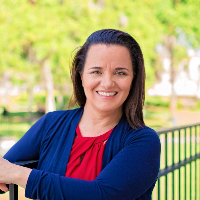
Florida · 20 yrs exp
Dr. Daniella Jackson, LMHC - addiction and mood concerns
Stress, Anxiety · Addictions · Relationship · Self esteem · +16 more
Read profile
Kansas · 15 yrs exp
LCPC, LPC - Stress anxiety relationship support
Stress, Anxiety · Relationship · Family · Trauma and abuse · +14 more
Read profile
Ohio · 3 yrs exp
LPCC in Ohio - addictions and mood concerns
Addictions · Family · Anger · Depression · +6 more
Read profile
New York · 5 yrs exp
LMHC in New York - mood and relationship work
Stress, Anxiety · LGBT · Trauma and abuse · Bipolar · +12 more
Read profile
Michigan · 5 yrs exp
Licensed Professional Counselor - stress and life transitions
Stress, Anxiety · Relationship · Family · Self esteem · +12 more
Read profile
Pennsylvania · 12 yrs exp
LPCC LMHC - Stress, anxiety, relationships
Stress, Anxiety · Relationship · Self esteem · Depression · +11 more
Read profile
Missouri · 16 yrs exp
LCSW focused on stress, trauma, and mood disorders
Stress, Anxiety · Trauma and abuse · Self esteem · Bipolar · +12 more
Read profile
North Carolina · 10 yrs exp
LCSW, LISW-CP - Stress and relationship work
Stress, Anxiety · Relationship · Family · Bipolar · +16 more
Read profile
Oregon · 14 yrs exp
LPC in Oregon - mood and life transitions
Grief · Self esteem · Career · Depression · +8 more
Read profile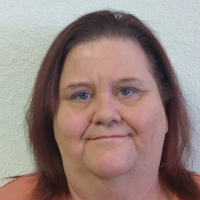
Texas · 9 yrs exp
Licensed Professional Counselor - stress and relationship issues
Stress, Anxiety · Trauma and abuse · Grief · Depression · +12 more
Read profile
Texas · 10 yrs exp
LPC in Texas focusing on anxiety and relationships
Stress, Anxiety · Relationship · Family · Depression · +14 more
Read profile
Michigan · 45 yrs exp
LPC in Michigan focusing on addiction and trauma
Stress, Anxiety · Addictions · Trauma and abuse · Grief · +10 more
Read profile
Ohio · 33 yrs exp
LPCC helping with stress, trauma, mood and relationships
Stress, Anxiety · Family · Trauma and abuse · Self esteem · +12 more
Read profile
Arizona · 20 yrs exp
AZ Psychologist - stress, mood, relationships
Stress, Anxiety · Addictions · Grief · Self esteem · +14 more
Read profile
Georgia · 18 yrs exp
Licensed Professional Counselor - relationship and trauma focus
Stress, Anxiety · Relationship · Family · Trauma and abuse · +10 more
Read profile
Texas · 6 yrs exp
LCSW focused on relationships and family concerns
Relationship · Family · Parenting · Self esteem · +7 more
Read profile
Florida · 20 yrs exp
LMHC LPCC focused on stress and addiction
Stress, Anxiety · Addictions · Relationship · Trauma and abuse · +15 more
Read profile
Texas · 20 yrs exp
LICSW, LCSW in Texas - Stress and relationship issues
Stress, Anxiety · Addictions · Family · Grief · +15 more
Read profile
Florida · 20 yrs exp
LMHC in Florida specializing in mood and relationship concerns
Stress, Anxiety · Grief · Self esteem · Depression · +9 more
Read profile
Ohio · 20 yrs exp
LISW in Ohio - stress, trauma, mood concerns
Stress, Anxiety · LGBT · Family · Grief · +16 more
Read profile
Arkansas · 23 yrs exp
LPC in Arkansas focusing on mood and relationship concerns
Stress, Anxiety · Trauma and abuse · Anger · Self esteem · +11 more
Read profile
Florida · 10 yrs exp
LCSW focused on anxiety and trauma
Stress, Anxiety · Trauma and abuse · Grief · Depression · +12 more
Read profile
Louisiana · 14 yrs exp
Licensed Professional Counselor - stress and relationship focus
Stress, Anxiety · Parenting · Anger · Self esteem · +1 more
Read profile
Louisiana · 25 yrs exp
LPC - Addictions, trauma, relationships
Addictions · Relationship · Family · Trauma and abuse · +11 more
Read profile
Michigan · 10 yrs exp
LPC in Michigan focusing on mood and relationship issues
Stress, Anxiety · Family · Trauma and abuse · Grief · +12 more
Read profile
Michigan · 31 yrs exp
Licensed Professional Counselor in Michigan, focus on mood and behavior
Stress, Anxiety · Addictions · Self esteem · Career · +5 more
Read profile
Oregon · 17 yrs exp
LMFT working with stress, trauma, grief, depression
Stress, Anxiety · Trauma and abuse · Grief · Intimacy-related issues · +1 more
Read profile
New York · 18 yrs exp
LMHC focusing on stress and relationships
Stress, Anxiety · Relationship · Parenting · Anger · +1 more
Read profile
California · 5 yrs exp
LMFT focused on relationships and life changes
Relationship · Grief · Parenting · Self esteem · +11 more
Read profile
North Carolina · 20 yrs exp
LCSW focusing on mood and addiction concerns
Stress, Anxiety · Addictions · Family · Career · +16 more
Read profile
Colorado · 13 yrs exp
Licensed Marriage and Family Therapist - adult concerns
Stress, Anxiety · LGBT · Relationship · Trauma and abuse · +10 more
Read profile
North Carolina · 20 yrs exp
LPC, LCMHC - Stress and addiction support
Stress, Anxiety · Parenting · Self esteem · Depression · +15 more
Read profile
Michigan · 13 yrs exp
Licensed Professional Counselor in Michigan - stress and relationships
Stress, Anxiety · Relationship · Anger · Self esteem · +1 more
Read profile
Missouri · 23 yrs exp
LPC in Missouri focusing on mood and relationships
Stress, Anxiety · Relationship · Trauma and abuse · Depression · +9 more
Read profile
Texas · 35 yrs exp
LCSW-C and LCSW focusing on trauma and relationships
Stress, Anxiety · Relationship · Family · Trauma and abuse · +14 more
Read profile
Nevada · 25 yrs exp
LMFT for relationship and family concerns
Stress, Anxiety · Relationship · Family · Trauma and abuse · +1 more
Read profile
Illinois · 5 yrs exp
IL Psychologist focusing on stress and mood
Stress, Anxiety · Relationship · Trauma and abuse · Depression · +12 more
Read profile
Illinois · 30 yrs exp
LCPC in Illinois focused on family and trauma
Family · Trauma and abuse · Grief · Depression · +7 more
Read profile
Illinois · 34 yrs exp
LCPC focusing on mood and relationship concerns
Stress, Anxiety · Relationship · Grief · Self esteem · +11 more
Read profile
North Dakota · 10 yrs exp
Licensed Clinical Social Worker - stress and trauma
Stress, Anxiety · Relationship · Family · Trauma and abuse · +10 more
Read profile
Georgia · 29 yrs exp
LCSW in Florida and Georgia - stress and addiction care
Stress, Anxiety · Addictions · Relationship · Trauma and abuse · +1 more
Read profile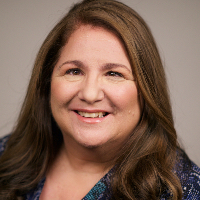
Florida · 24 yrs exp
LMHC in Florida - CBT and coaching
Stress, Anxiety · Career · Depression · Coping with life changes · +12 more
Read profile
Florida · 35 yrs exp
LMHC in Florida focusing on mood and life challenges
Stress, Anxiety · Family · Grief · Eating · +16 more
Read profile
Michigan · 20 yrs exp
LMSW focusing on relationship and mood concerns
LGBT · Family · Intimacy-related issues · Parenting · +1 more
Read profile
Delaware · 24 yrs exp
LMFT focused on relationships and family issues
Relationship · Family · Trauma and abuse · Parenting · +14 more
Read profile
Idaho · 18 yrs exp
LCSW focused on mood and life changes
Stress, Anxiety · Trauma and abuse · Grief · Self esteem · +10 more
Read profile
Texas · 12 yrs exp
LPC focusing on trauma and mood concerns
Stress, Anxiety · Trauma and abuse · Eating · Depression · +13 more
Read profile
Indiana · 35 yrs exp
LCSW focusing on mood and life transitions
Stress, Anxiety · Grief · Self esteem · Depression · +4 more
Read profile
New Jersey · 25 yrs exp
LPC in New Jersey focusing on stress and relationships
Stress, Anxiety · Family · Trauma and abuse · Grief · +9 more
Read profile
Massachusetts · 30 yrs exp
MA LMFT, MA LMHC working with addiction and family concerns
Addictions · Family · Trauma and abuse · Grief · +16 more
Read profile
Arizona · 25 yrs exp
Licensed Professional Counselor in Arizona
Stress, Anxiety · Addictions · Relationship · Trauma and abuse · +11 more
Read profile
New York · 25 yrs exp
LCSW in New York focusing on mood and trauma
Stress, Anxiety · Trauma and abuse · Self esteem · Depression · +11 more
Read profile
Mississippi · 16 yrs exp
LPC focused on anxiety, trauma, and family concerns
Stress, Anxiety · Family · Anger · Depression · +8 more
Read profile
Washington · 50 yrs exp
LMHC in Washington - trauma, mood, relationship work
Stress, Anxiety · Trauma and abuse · Intimacy-related issues · Self esteem · +15 more
Read profile
Virginia · 13 yrs exp
Licensed Professional Counselor - stress and relationships
Stress, Anxiety · Family · Trauma and abuse · Parenting · +12 more
Read profile
Colorado · 18 yrs exp
LPC LCPC - stress, mood, and behavior work
Stress, Anxiety · Addictions · Relationship · Self esteem · +15 more
Read profileLife purpose is often described as a sense of direction, meaning or contribution that shapes how a person makes choices and spends time. For some people purpose is tied to career and creative work. For others it emerges from relationships, activism, caregiving, spirituality or personal growth. Your sense of purpose can change over years and across life stages, and it rarely reduces to a single label. Instead, it shows up as a constellation of values, interests and commitments that guide everyday decisions.
When purpose feels clear, it can give you structure and motivation. When it feels blurred or absent, daily tasks can seem hollow and transitions can feel destabilizing. Major events - such as career change, parenting, loss, relocation or retirement - often prompt questions about meaning. Feeling adrift during these moments is common. It does not mean something is wrong with you. It means you are facing a normative, sometimes difficult, stage of personal evolution that many people explore with professional support.
You might consider life-purpose-focused therapy if you notice patterns of disconnection from work, relationships or activities that once felt meaningful. This can show up as persistent boredom, lack of motivation, frequent career or relationship changes, or a sense that your choices are driven by others rather than your own values. Anxiety about the future, ruminating over missed opportunities, or difficulty making important decisions are also common prompts. Some people are drawn to therapy after a defining event forces reassessment - a breakup, a milestone birthday, a health scare or the end of a role that previously framed identity.
If you find that fear keeps you from pursuing interests or that your values feel unclear when you plan for the next year, you may benefit from a structured exploration. Therapy can help you articulate what matters, sort through competing priorities, and design practical steps that align with your sense of meaning. It can also support you when grief, guilt or cultural expectations complicate the search for purpose. Therapy is not about providing answers for you; it is about creating space to discover and act on the answers that resonate with your life.
In life-purpose-focused therapy you can expect a collaborative process where you and your therapist explore values, priorities and practical goals. Early sessions usually involve taking stock of your current life - roles you hold, commitments that matter, and areas that feel empty or stuck. You may discuss your history, routines and relationships to find themes that recur across your life. Your therapist will likely ask questions that help clarify your values and test assumptions that might be limiting choices.
Some sessions will be reflective, using conversation to map inner motivations and barriers. Others will be more action-oriented, identifying small experiments and steps you can try between sessions to test what feels meaningful. Over time you will refine language for what matters, and you will learn strategies to keep decisions aligned with those priorities. Therapy may also include attention to emotions that arise - such as shame, fear or grief - and how they influence motivation. The pace and balance between reflection and action are tailored to what helps you move forward.
Therapists who list narrative approaches among their methods may focus on the stories you tell about yourself - how events are interpreted and how identity is constructed over time. Reframing these narratives can open new possibilities for purpose. Therapists who reference existential themes tend to explore questions of meaning, freedom and responsibility, helping you grapple with big-picture concerns in a thoughtful way. Those who include cognitive behavioral strategies often help you recognize thought patterns that limit choices and build practical habits that align with values.
Mindfulness-informed approaches can support awareness of moment-to-moment preferences and reduce noise from anxiety or comparison. Acceptance and commitment approaches often combine values clarification with committed action - encouraging you to define the life you want and take steps toward it despite discomfort. Strengths-based and coaching-oriented methods emphasize skill identification, goal setting and tangible progress. When reviewing therapist profiles, note language that resonates with how you like to work - whether you prefer reflective exploration, structured planning, or a blend of both. Remember that listing an approach does not confirm certification; it is a way therapists describe the strategies they use.
Online sessions can make it easier to connect with therapists whose approaches and backgrounds align with your needs, regardless of geographic distance. Virtual sessions often follow a similar structure to in-person work, with conversation, reflective exercises and agreed-upon tasks between appointments. Technology allows for flexible tools - you may use shared documents, journaling prompts, or mindfulness recordings as part of the process. If you prefer a visual rapport or need a more portable option during life transitions, online therapy can provide continuity without commuting time.
When choosing a therapist for life-purpose work, think about the fit more than credentials alone. Read profiles to understand their stated focus areas, therapeutic styles, and the populations they mention. Look for language about values, meaning, transitions and decision making if those are priorities for you. Consider practical match points such as session format, fee range, and languages spoken. Trust your response to their profile description and introductory materials - a therapist who communicates in a way that feels respectful and clear is more likely to be a good match. It is normal to meet with more than one therapist before finding the right fit; therapy for life purpose is a personal process and the relational fit matters.
Finally, set clear goals for what you hope to achieve in this work and discuss them early on. Whether you aim to clarify values, make a career pivot, strengthen relationships, or design a life plan, having shared goals helps you and your therapist track progress. Over time you should notice clearer priorities, small but meaningful behavioral changes, and an increased ability to make choices that reflect what matters to you. Therapy is a tool to help you navigate the complex task of living a life that feels purposeful and authentic to who you are now.
Alabama
31 therapists
Alaska
3 therapists
Arizona
34 therapists
Arkansas
20 therapists
California
266 therapists
Colorado
72 therapists
Connecticut
26 therapists
Delaware
3 therapists
District of Columbia
7 therapists
Florida
252 therapists
Georgia
85 therapists
Hawaii
8 therapists
Idaho
15 therapists
Illinois
102 therapists
Indiana
41 therapists
Iowa
7 therapists
Kansas
20 therapists
Kentucky
30 therapists
Louisiana
42 therapists
Maine
12 therapists
Maryland
68 therapists
Massachusetts
49 therapists
Michigan
79 therapists
Minnesota
40 therapists
Mississippi
17 therapists
Missouri
68 therapists
Montana
13 therapists
Nebraska
18 therapists
Nevada
12 therapists
New Hampshire
7 therapists
New Jersey
57 therapists
New Mexico
14 therapists
New York
173 therapists
North Carolina
118 therapists
North Dakota
5 therapists
Ohio
79 therapists
Oklahoma
30 therapists
Oregon
26 therapists
Pennsylvania
85 therapists
Rhode Island
2 therapists
South Carolina
52 therapists
South Dakota
4 therapists
Tennessee
33 therapists
Texas
263 therapists
Utah
26 therapists
Vermont
4 therapists
Virginia
77 therapists
Washington
52 therapists
West Virginia
7 therapists
Wisconsin
40 therapists
Wyoming
3 therapists