
Kelley Sullivan
LCSWColorado · 19 yrs exp
LCSW focusing on mood and relationship concerns
Stress, Anxiety · Relationship · Trauma and abuse · Grief · +12 more
Read profileTherapist listings are provided by BetterHelp. We will earn a commission at no additional cost to you if you use our links to purchase.
This page highlights therapists who list men's issues among their specialties, covering concerns like anger, identity, relationships, and life transitions. Browse the listings below to review clinician profiles, approaches, and credentials that match what you want.
Colorado · 19 yrs exp
LCSW focusing on mood and relationship concerns
Stress, Anxiety · Relationship · Trauma and abuse · Grief · +12 more
Read profile
South Carolina · 16 yrs exp
LMFT - Stress, Relationships, Trauma
Stress, Anxiety · Relationship · Family · Parenting · +14 more
Read profile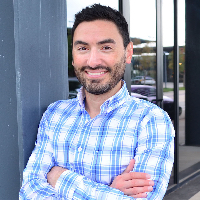
Kansas · 15 yrs exp
LCPC, LPC - Stress anxiety relationship support
Stress, Anxiety · Relationship · Family · Trauma and abuse · +14 more
Read profile
New York · 5 yrs exp
LMHC in New York - mood and relationship work
Stress, Anxiety · LGBT · Trauma and abuse · Bipolar · +12 more
Read profile
Missouri · 16 yrs exp
LCSW focused on stress, trauma, and mood disorders
Stress, Anxiety · Trauma and abuse · Self esteem · Bipolar · +12 more
Read profile
North Carolina · 10 yrs exp
LCSW, LISW-CP - Stress and relationship work
Stress, Anxiety · Relationship · Family · Bipolar · +16 more
Read profile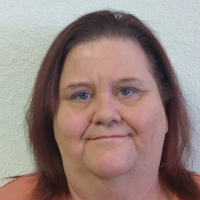
Texas · 9 yrs exp
Licensed Professional Counselor - stress and relationship issues
Stress, Anxiety · Trauma and abuse · Grief · Depression · +12 more
Read profile
Georgia · 18 yrs exp
Licensed Professional Counselor - relationship and trauma focus
Stress, Anxiety · Relationship · Family · Trauma and abuse · +10 more
Read profile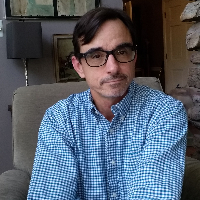
Arkansas · 23 yrs exp
LPC in Arkansas focusing on mood and relationship concerns
Stress, Anxiety · Trauma and abuse · Anger · Self esteem · +11 more
Read profile
Louisiana · 14 yrs exp
Licensed Professional Counselor - stress and relationship focus
Stress, Anxiety · Parenting · Anger · Self esteem · +1 more
Read profile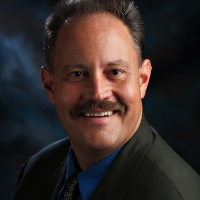
Louisiana · 25 yrs exp
LPC - Addictions, trauma, relationships
Addictions · Relationship · Family · Trauma and abuse · +11 more
Read profile
Michigan · 31 yrs exp
Licensed Professional Counselor in Michigan, focus on mood and behavior
Stress, Anxiety · Addictions · Self esteem · Career · +5 more
Read profile
New York · 18 yrs exp
LMHC focusing on stress and relationships
Stress, Anxiety · Relationship · Parenting · Anger · +1 more
Read profile
North Dakota · 10 yrs exp
Licensed Clinical Social Worker - stress and trauma
Stress, Anxiety · Relationship · Family · Trauma and abuse · +10 more
Read profile
Michigan · 20 yrs exp
LMSW focusing on relationship and mood concerns
LGBT · Family · Intimacy-related issues · Parenting · +1 more
Read profile
Idaho · 18 yrs exp
LCSW focused on mood and life changes
Stress, Anxiety · Trauma and abuse · Grief · Self esteem · +10 more
Read profile
Massachusetts · 30 yrs exp
MA LMFT, MA LMHC working with addiction and family concerns
Addictions · Family · Trauma and abuse · Grief · +16 more
Read profile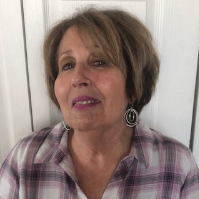
Arizona · 25 yrs exp
Licensed Professional Counselor in Arizona
Stress, Anxiety · Addictions · Relationship · Trauma and abuse · +11 more
Read profile
Texas · 15 yrs exp
LPC helping with addictions and trauma
Addictions · Trauma and abuse · Grief · Anger · +10 more
Read profile
Virginia · 13 yrs exp
Licensed Professional Counselor - stress and relationships
Stress, Anxiety · Family · Trauma and abuse · Parenting · +12 more
Read profile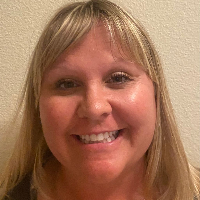
Colorado · 18 yrs exp
LPC LCPC - stress, mood, and behavior work
Stress, Anxiety · Addictions · Relationship · Self esteem · +15 more
Read profile
Texas · 15 yrs exp
LPC, LMFT focusing on relationships and anxiety
Stress, Anxiety · Relationship · Family · Intimacy-related issues · +1 more
Read profile
Ohio · 13 yrs exp
LIMFT, LPCC - stress, relationships, trauma
Stress, Anxiety · Relationship · Family · Parenting · +13 more
Read profile
Minnesota · 3 yrs exp
LICSW LCSW - Stress, Anxiety, Addictions
Stress, Anxiety · Addictions · Trauma and abuse · Bipolar · +5 more
Read profile
Florida · 21 yrs exp
LCSW focused on relationships and life changes
Stress, Anxiety · Relationship · Family · Eating · +16 more
Read profile
Oklahoma · 23 yrs exp
Licensed Professional Counselor - stress, anxiety, trauma
Stress, Anxiety · Relationship · Trauma and abuse · Self esteem · +15 more
Read profile
Wisconsin · 15 yrs exp
Licensed Professional Counselor - stress and relationship work
Stress, Anxiety · Addictions · Relationship · Depression · +15 more
Read profile
Pennsylvania · 28 yrs exp
Licensed Professional Counselor - addictions and relationship work
Addictions · Relationship · Family · Trauma and abuse · +3 more
Read profile
Texas · 17 yrs exp
LPC, LMFT in Texas focused on mood and relationships
Stress, Anxiety · Relationship · Family · Trauma and abuse · +11 more
Read profile
Texas · 20 yrs exp
LPC in Texas helping with stress and relationships
Stress, Anxiety · Relationship · Trauma and abuse · Depression · +11 more
Read profile
Florida · 12 yrs exp
LMHC LPC - relationship and mood concerns
Relationship · Self esteem · Depression · Coping with life changes · +9 more
Read profile
Illinois · 35 yrs exp
Illinois Psychologist focusing on stress and relationships
Stress, Anxiety · Relationship · Self esteem · Coping with life changes · +6 more
Read profile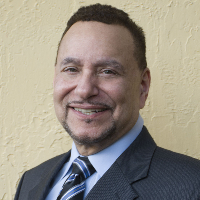
Florida · 30 yrs exp
Dr. Oren Hernández LMHC LMFT - stress and mood concerns
Stress, Anxiety · Addictions · Trauma and abuse · Grief · +14 more
Read profile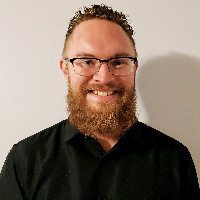
South Carolina · 10 yrs exp
LPC - Stress, relationships, and addiction work
Stress, Anxiety · Addictions · Relationship · Depression · +10 more
Read profile
South Carolina · 20 yrs exp
LCSW LISW focusing on stress and relationships
Stress, Anxiety · LGBT · Relationship · Family · +6 more
Read profile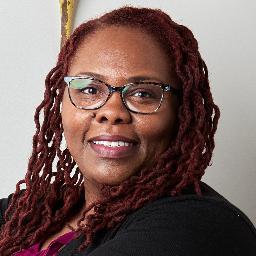
Kentucky · 14 yrs exp
LCSW focusing on stress and trauma
Stress, Anxiety · Relationship · Trauma and abuse · Self esteem · +13 more
Read profile
Florida · 18 yrs exp
LCSW - Stress, trauma, mood, and addiction support
Stress, Anxiety · Relationship · Trauma and abuse · Depression · +14 more
Read profile
Indiana · 46 yrs exp
LMHC - Trauma and anxiety focus
Stress, Anxiety · Family · Trauma and abuse · Grief · +11 more
Read profile
Illinois · 41 yrs exp
LCSW - Stress, Mood, and Relationship Concerns
Stress, Anxiety · Parenting · Bipolar · Depression · +15 more
Read profile
Tennessee · 30 yrs exp
LCSW focusing on sex-related concerns for men
Stress, Anxiety · Addictions · LGBT · Relationship · +14 more
Read profile
Wisconsin · 24 yrs exp
LPC - Relationship and life transition issues
Stress, Anxiety · Relationship · Family · Grief · +10 more
Read profile
Minnesota · 10 yrs exp
LPCC - Stress, relationships, trauma
Stress, Anxiety · Relationship · Trauma and abuse · Depression · +15 more
Read profile
Missouri · 25 yrs exp
LCSW working on stress, anxiety, relationships
Stress, Anxiety · Self esteem · Career · Coaching · +8 more
Read profile
Colorado · 8 yrs exp
LCSW focused on mood and relationships
Stress, Anxiety · Relationship · Trauma and abuse · Grief · +16 more
Read profile
Missouri · 20 yrs exp
LPC focusing on trauma and recovery
Addictions · Trauma and abuse · Parenting · Anger · +13 more
Read profile
Illinois · 15 yrs exp
LCPC - Mood and trauma focused
Trauma and abuse · Anger · Self esteem · Bipolar · +11 more
Read profile
Florida · 32 yrs exp
Licensed Mental Health Counselor in Florida - stress and trauma
Stress, Anxiety · Trauma and abuse · Parenting · Depression · +16 more
Read profile
New York · 6 yrs exp
Licensed Mental Health Counselor focused on anxiety and stress
Stress, Anxiety · Family · Self esteem · Depression · +16 more
Read profile
Texas · 8 yrs exp
Licensed Professional Counselor - stress and trauma
Stress, Anxiety · Trauma and abuse · Career · Depression · +13 more
Read profile
Texas · 5 yrs exp
LPC in Texas focused on relationships and trauma
Relationship · Family · Trauma and abuse · Grief · +10 more
Read profile
Texas · 3 yrs exp
LPC focused on relationship and emotional concerns
Relationship · Stress, Anxiety · Family · Grief · +4 more
Read profile
Illinois · 10 yrs exp
Rev. Sergio Ayala LCPC LMHC - Stress and relationship issues
Stress, Anxiety · Addictions · Trauma and abuse · Grief · +8 more
Read profile
Alabama · 16 yrs exp
Licensed Professional Counselor - stress and anxiety
Stress, Anxiety · LGBT · Anger · Self esteem · +14 more
Read profile
Colorado · 12 yrs exp
LCSW helping with stress, trauma, and depression
Stress, Anxiety · Trauma and abuse · Self esteem · Depression · +1 more
Read profile
New York · 25 yrs exp
Licensed Mental Health Counselor - stress and mood concerns
Stress, Anxiety · Family · Anger · Bipolar · +12 more
Read profile
Texas · 9 yrs exp
LPC in Texas focused on mood and relationship work
Stress, Anxiety · Relationship · Bipolar · Depression · +13 more
Read profile
Missouri · 20 yrs exp
LCSW focused on relationships and life change
Relationship · Family · Parenting · Self esteem · +10 more
Read profile
South Carolina · 6 yrs exp
LPC in South Carolina focused on mood and trauma
Stress, Anxiety · Family · Trauma and abuse · Anger · +14 more
Read profile
Illinois · 7 yrs exp
LCPC - stress, anxiety, addictions, trauma
Stress, Anxiety · Addictions · Trauma and abuse · Depression · +16 more
Read profile
California · 16 yrs exp
LMFT focused on relationships and life changes
Self esteem · Coping with life changes · Relationship · Family · +2 more
Read profileMen's issues is an umbrella term that covers a range of emotional, relational, and life difficulties many people who identify as men face. These issues often arise at the intersection of social expectations about masculinity, personal history, and current life demands. For some people this means feeling pressured to hide vulnerability, to perform at work, or to meet roles as partner or parent without asking for help. For others it shows up as persistent irritability, difficulties with intimacy, struggles with identity or sexual health, or problems managing stress and substance use.
Because norms about masculinity influence how feelings are expressed, you might find that worry, shame, or loneliness are expressed in ways that feel different from what you learned to expect. Relationships can be strained when emotional needs go unspoken. Work and life transitions - such as job loss, divorce, becoming a father, or retirement - can intensify existing tensions. Therapy that focuses on men's issues pays attention to these cultural and interpersonal patterns while helping you develop more adaptive ways to cope, communicate, and make decisions that feel aligned with your values.
You might consider reaching out for help if you notice repeated patterns that interfere with the life you want to lead. This could include difficulty managing anger or impulsive reactions that leave you feeling regretful afterward. It could look like chronic withdrawal from friends and family, or finding it hard to express tenderness, which makes relationships feel distant. You might rely on substances or risky behaviors to numb uncomfortable emotions, or you might feel stuck after a life change such as the end of a relationship, becoming a parent, or a shift in your career.
Other signs include a persistent sense of purposelessness or disconnection, recurring conflict in similar areas of your life, difficulty sleeping or concentrating when you have a lot on your mind, or intrusive memories of past experiences that continue to affect how you relate to yourself and others. You do not need to wait until a problem becomes overwhelming to benefit from therapy. Often early conversations can prevent patterns from worsening and help you build clearer strategies for handling daily stress and relationships.
When you begin working with a therapist who focuses on men's issues, initial sessions usually center on understanding your current concerns, history, and what you hope to change. This is a collaborative time when you and the clinician map out priorities, whether that means improving communication, processing difficult experiences, changing unhelpful behaviors, or building skills to manage emotions.
Ongoing therapy typically combines talking through recent problems with targeted skill-building. You might spend time exploring how societal expectations about masculinity shaped your ways of coping, and practice new ways of expressing emotion that feel authentic and effective. Many people focus on improving communication with partners or family members, building strategies for anger or impulse control, and addressing patterns that interfere with intimacy. Sessions can vary in focus from processing past experiences to trying behavioral experiments in your daily life and reflecting together on what changed.
Therapists follow professional ethics and privacy protections that guide how information is managed, as well as procedures for moments of crisis. You can expect a clear discussion about fees, session length, frequency, cancellation policies, and a sense of what typical progress might look like for the issues you bring. Therapy is paced to your needs, and it's normal to revisit goals over time as circumstances shift.
Therapists who list cognitive behavioral therapy among their approaches often focus on identifying patterns of thought and behavior that keep you stuck and then practice concrete skills to shift them. This can be helpful when you want to change reactions such as anger outbursts or avoidance. Therapists who describe relational or psychodynamic approaches may focus more on how early relationships and internalized expectations shape current patterns, helping you develop greater awareness of repetitive dynamics.
Some clinicians incorporate emotion-focused techniques to help you connect with and tolerate feelings that have been avoided. Therapists who list trauma-informed or EMDR among their approaches may work with people whose past experiences continue to shape reactivity and relationships, although clinicians vary in how they apply these methods. Narrative and meaning-centered approaches invite you to explore the stories you tell about yourself and to craft alternatives that fit your values. Many therapists also integrate mindfulness-based strategies to increase present-moment awareness and reduce reactivity. If relationship strain is central, you might find therapists who list couples or family approaches helpful for addressing interactional patterns. Some people benefit from group formats, including men's groups, where shared experience can reduce isolation and model different ways of communicating.
When reviewing profiles you will see clinicians list a mix of approaches. That list indicates what they use in practice, not a formal guarantee of a particular qualification. A useful way to evaluate fit is to ask clinicians how they apply their approaches to the specific issues you bring.
Online therapy can offer flexible access to clinicians who work with men's issues. Sessions are typically delivered via video or phone, and some therapists combine virtual work with occasional in-person meetings depending on their practice. For many people, virtual sessions make it easier to fit therapy into a busy schedule, to access clinicians who understand specific cultural or identity-related concerns, or to continue work during life transitions. You should plan to be in a private space for sessions and to check technology and internet connections ahead of time so conversations can flow without interruption. Therapists will describe the privacy protections and protocols they use and explain how they handle crisis planning when needed.
When selecting a therapist for men's issues, consider a few practical factors. Think about the particular challenges you want to address and look for clinicians who list relevant experience or approaches. Reflect on whether you want someone who focuses on relational work, emotion regulation, trauma-informed care, or a mix. Consider demographic or cultural factors that matter to you, such as a clinician's experience with gender identity, race, sexual orientation, or faith traditions, and look for language options if that is important.
It is reasonable to reach out and ask a clinician how they typically approach the issues you described, what a typical session looks like, and how they measure progress. Ask about logistics such as session length, fees, insurance or payment options, and cancellation policies. If you plan to try online therapy, ask about the platforms used and how to prepare for a virtual session. Trust your sense of fit; many people know within a few sessions whether a clinician's style supports the kind of work they want to do. You can also treat early sessions as exploratory to evaluate whether a therapist's approach and interpersonal style align with your goals.
Deciding to seek help is a personal step, and finding the right therapist is an important part of making that step effective. The therapists listed on this page represent a range of approaches and backgrounds that address men's issues from multiple angles. By clarifying what matters most to you and asking direct questions about approach and logistics, you can find a clinician who will partner with you to navigate the challenges you bring.
Alabama
31 therapists
Alaska
3 therapists
Arizona
34 therapists
Arkansas
20 therapists
California
266 therapists
Colorado
72 therapists
Connecticut
26 therapists
Delaware
3 therapists
District of Columbia
7 therapists
Florida
252 therapists
Georgia
85 therapists
Hawaii
8 therapists
Idaho
15 therapists
Illinois
102 therapists
Indiana
41 therapists
Iowa
7 therapists
Kansas
20 therapists
Kentucky
30 therapists
Louisiana
42 therapists
Maine
12 therapists
Maryland
68 therapists
Massachusetts
49 therapists
Michigan
79 therapists
Minnesota
40 therapists
Mississippi
17 therapists
Missouri
68 therapists
Montana
13 therapists
Nebraska
18 therapists
Nevada
12 therapists
New Hampshire
7 therapists
New Jersey
57 therapists
New Mexico
14 therapists
New York
173 therapists
North Carolina
118 therapists
North Dakota
5 therapists
Ohio
79 therapists
Oklahoma
30 therapists
Oregon
26 therapists
Pennsylvania
85 therapists
Rhode Island
2 therapists
South Carolina
52 therapists
South Dakota
4 therapists
Tennessee
33 therapists
Texas
263 therapists
Utah
26 therapists
Vermont
4 therapists
Virginia
77 therapists
Washington
52 therapists
West Virginia
7 therapists
Wisconsin
40 therapists
Wyoming
3 therapists