
Velma Jones
LCSWNew York · 29 yrs exp
LCSW - adult mood and relationship concerns
Stress, Anxiety · Relationship · Trauma and abuse · Depression · +10 more
Read profileTherapist listings are provided by BetterHelp. We will earn a commission at no additional cost to you if you use our links to purchase.
This page helps you find therapists who list midlife crisis among their focus areas and approaches. Browse the listings below to compare therapists' focus areas, approaches, languages, and experience before reaching out.
New York · 29 yrs exp
LCSW - adult mood and relationship concerns
Stress, Anxiety · Relationship · Trauma and abuse · Depression · +10 more
Read profile
Ohio · 25 yrs exp
LPCC in Ohio - stress, relationships, trauma
Stress, Anxiety · LGBT · Relationship · Self esteem · +16 more
Read profile
Colorado · 19 yrs exp
LCSW focusing on mood and relationship concerns
Stress, Anxiety · Relationship · Trauma and abuse · Grief · +12 more
Read profile
South Carolina · 16 yrs exp
LMFT - Stress, Relationships, Trauma
Stress, Anxiety · Relationship · Family · Parenting · +14 more
Read profile
Florida · 20 yrs exp
Dr. Daniella Jackson, LMHC - addiction and mood concerns
Stress, Anxiety · Addictions · Relationship · Self esteem · +16 more
Read profile
Maryland · 6 yrs exp
LCPC in Maryland - stress and trauma work
Stress, Anxiety · Trauma and abuse · Self esteem · Coping with life changes · +10 more
Read profile
Michigan · 5 yrs exp
Licensed Professional Counselor - stress and life transitions
Stress, Anxiety · Relationship · Family · Self esteem · +12 more
Read profile
Missouri · 16 yrs exp
LCSW focused on stress, trauma, and mood disorders
Stress, Anxiety · Trauma and abuse · Self esteem · Bipolar · +12 more
Read profile
North Carolina · 10 yrs exp
LCSW, LISW-CP - Stress and relationship work
Stress, Anxiety · Relationship · Family · Bipolar · +16 more
Read profile
Texas · 9 yrs exp
Licensed Professional Counselor - stress and relationship issues
Stress, Anxiety · Trauma and abuse · Grief · Depression · +12 more
Read profile
Texas · 10 yrs exp
LPC in Texas focusing on anxiety and relationships
Stress, Anxiety · Relationship · Family · Depression · +14 more
Read profile
Arizona · 20 yrs exp
AZ Psychologist - stress, mood, relationships
Stress, Anxiety · Addictions · Grief · Self esteem · +14 more
Read profile
Georgia · 18 yrs exp
Licensed Professional Counselor - relationship and trauma focus
Stress, Anxiety · Relationship · Family · Trauma and abuse · +10 more
Read profile
Texas · 20 yrs exp
LICSW, LCSW in Texas - Stress and relationship issues
Stress, Anxiety · Addictions · Family · Grief · +15 more
Read profile
Florida · 20 yrs exp
LMHC in Florida specializing in mood and relationship concerns
Stress, Anxiety · Grief · Self esteem · Depression · +9 more
Read profile
Arkansas · 23 yrs exp
LPC in Arkansas focusing on mood and relationship concerns
Stress, Anxiety · Trauma and abuse · Anger · Self esteem · +11 more
Read profile
Louisiana · 14 yrs exp
Licensed Professional Counselor - stress and relationship focus
Stress, Anxiety · Parenting · Anger · Self esteem · +1 more
Read profile
Louisiana · 25 yrs exp
LPC - Addictions, trauma, relationships
Addictions · Relationship · Family · Trauma and abuse · +11 more
Read profile
Oregon · 17 yrs exp
LMFT working with stress, trauma, grief, depression
Stress, Anxiety · Trauma and abuse · Grief · Intimacy-related issues · +1 more
Read profile
California · 5 yrs exp
LMFT focused on relationships and life changes
Relationship · Grief · Parenting · Self esteem · +11 more
Read profile
Colorado · 13 yrs exp
Licensed Marriage and Family Therapist - adult concerns
Stress, Anxiety · LGBT · Relationship · Trauma and abuse · +10 more
Read profile
Texas · 35 yrs exp
LCSW-C and LCSW focusing on trauma and relationships
Stress, Anxiety · Relationship · Family · Trauma and abuse · +14 more
Read profile
Illinois · 5 yrs exp
IL Psychologist focusing on stress and mood
Stress, Anxiety · Relationship · Trauma and abuse · Depression · +12 more
Read profile
Illinois · 34 yrs exp
LCPC focusing on mood and relationship concerns
Stress, Anxiety · Relationship · Grief · Self esteem · +11 more
Read profile
North Dakota · 10 yrs exp
Licensed Clinical Social Worker - stress and trauma
Stress, Anxiety · Relationship · Family · Trauma and abuse · +10 more
Read profile
Florida · 35 yrs exp
LMHC in Florida focusing on mood and life challenges
Stress, Anxiety · Family · Grief · Eating · +16 more
Read profile
Michigan · 20 yrs exp
LMSW focusing on relationship and mood concerns
LGBT · Family · Intimacy-related issues · Parenting · +1 more
Read profile
Delaware · 24 yrs exp
LMFT focused on relationships and family issues
Relationship · Family · Trauma and abuse · Parenting · +14 more
Read profile
Massachusetts · 30 yrs exp
MA LMFT, MA LMHC working with addiction and family concerns
Addictions · Family · Trauma and abuse · Grief · +16 more
Read profile
Arizona · 25 yrs exp
Licensed Professional Counselor in Arizona
Stress, Anxiety · Addictions · Relationship · Trauma and abuse · +11 more
Read profile
New York · 25 yrs exp
LCSW in New York focusing on mood and trauma
Stress, Anxiety · Trauma and abuse · Self esteem · Depression · +11 more
Read profile
Texas · 15 yrs exp
LPC helping with addictions and trauma
Addictions · Trauma and abuse · Grief · Anger · +10 more
Read profile
Virginia · 13 yrs exp
Licensed Professional Counselor - stress and relationships
Stress, Anxiety · Family · Trauma and abuse · Parenting · +12 more
Read profile
Colorado · 18 yrs exp
LPC LCPC - stress, mood, and behavior work
Stress, Anxiety · Addictions · Relationship · Self esteem · +15 more
Read profile
Massachusetts · 15 yrs exp
LICSW focused on mood and life changes
Stress, Anxiety · Relationship · Grief · Depression · +1 more
Read profile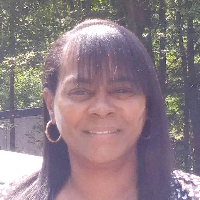
New York · 20 yrs exp
LCSW focused on stress and relationships
Stress, Anxiety · Addictions · Relationship · Self esteem · +9 more
Read profile
Michigan · 33 yrs exp
MI Psychologist working with anxiety and life changes
Stress, Anxiety · Parenting · Coping with life changes · Addictions · +7 more
Read profile
Ohio · 13 yrs exp
LIMFT, LPCC - stress, relationships, trauma
Stress, Anxiety · Relationship · Family · Parenting · +13 more
Read profile
Florida · 13 yrs exp
LMHC in Florida - Stress, Relationships, Addictions
Stress, Anxiety · Trauma and abuse · Anger · Depression · +11 more
Read profile
Minnesota · 3 yrs exp
LICSW LCSW - Stress, Anxiety, Addictions
Stress, Anxiety · Addictions · Trauma and abuse · Bipolar · +5 more
Read profile
Florida · 30 yrs exp
LCSW supporting stress, mood, and relationship concerns
Stress, Anxiety · Trauma and abuse · Self esteem · Depression · +11 more
Read profile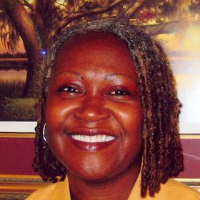
South Carolina · 25 yrs exp
Licensed LPC in South Carolina - addictions and relationships
Addictions · Relationship · Grief · Self esteem · +9 more
Read profile
Georgia · 9 yrs exp
LPC in Georgia focusing on trauma and addiction
Stress, Anxiety · Anger · Self esteem · Bipolar · +11 more
Read profile
Florida · 21 yrs exp
LCSW focused on relationships and life changes
Stress, Anxiety · Relationship · Family · Eating · +16 more
Read profile
Oklahoma · 23 yrs exp
Licensed Professional Counselor - stress, anxiety, trauma
Stress, Anxiety · Relationship · Trauma and abuse · Self esteem · +15 more
Read profile
Wisconsin · 33 yrs exp
LPC in Wisconsin - stress, mood, and addiction care
Stress, Anxiety · Addictions · Trauma and abuse · Grief · +11 more
Read profile
Wisconsin · 15 yrs exp
Licensed Professional Counselor - stress and relationship work
Stress, Anxiety · Addictions · Relationship · Depression · +15 more
Read profile
Pennsylvania · 28 yrs exp
Licensed Professional Counselor - addictions and relationship work
Addictions · Relationship · Family · Trauma and abuse · +3 more
Read profile
Texas · 17 yrs exp
LPC, LMFT in Texas focused on mood and relationships
Stress, Anxiety · Relationship · Family · Trauma and abuse · +11 more
Read profile
Texas · 20 yrs exp
LPC in Texas helping with stress and relationships
Stress, Anxiety · Relationship · Trauma and abuse · Depression · +11 more
Read profile
Michigan · 9 yrs exp
LMSW in Michigan - stress, addiction, relationships
Stress, Anxiety · Addictions · Relationship · Trauma and abuse · +15 more
Read profile
Michigan · 32 yrs exp
LMSW focused on relationship and mood concerns
Stress, Anxiety · Relationship · Trauma and abuse · Self esteem · +16 more
Read profile
Florida · 30 yrs exp
LMHC in Florida - mood and relationship work
Stress, Anxiety · Relationship · Family · Self esteem · +15 more
Read profile
South Carolina · 21 yrs exp
LPC, LCMHC - relationship and emotional concerns
Relationship · Grief · Parenting · Depression · +14 more
Read profile
New York · 10 yrs exp
Licensed Mental Health Counselor - stress and relationship issues
Stress, Anxiety · Relationship · Family · Trauma and abuse · +14 more
Read profile
Texas · 30 yrs exp
LPC in Texas - addictions and mood concerns
Stress, Anxiety · Addictions · Relationship · Family · +13 more
Read profile
Illinois · 35 yrs exp
Illinois Psychologist focusing on stress and relationships
Stress, Anxiety · Relationship · Self esteem · Coping with life changes · +6 more
Read profile
North Carolina · 16 yrs exp
LCMHC focused on stress and addiction
Stress, Anxiety · Addictions · Grief · Eating · +12 more
Read profile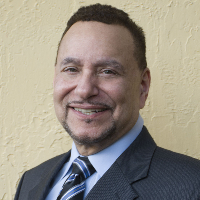
Florida · 30 yrs exp
Dr. Oren Hernández LMHC LMFT - stress and mood concerns
Stress, Anxiety · Addictions · Trauma and abuse · Grief · +14 more
Read profile
South Carolina · 10 yrs exp
LPC - Stress, relationships, and addiction work
Stress, Anxiety · Addictions · Relationship · Depression · +10 more
Read profileMidlife crisis is a phrase you may have heard in everyday conversation, and it often describes a period of questioning, change, and emotional upheaval that occurs during mid-adulthood. For some people it feels like a sudden identity shift - a reassessment of values, relationships, career, and purpose. For others it unfolds gradually as you notice that priorities have shifted, goals feel less meaningful, or the life you expected looks different from your present reality. Cultural expectations about aging, comparison to peers, and milestones like children leaving home or caring for aging parents can all contribute to the intensity of this phase.
You should know that a midlife transition is not inherently pathological. Many people navigate it with reflection and growth. Still, when the experience brings persistent distress, interferes with daily functioning, or fuels risky decisions that create harm in relationships or work, talking with a mental health professional can be helpful. Therapy provides a space to explore the emotions and choices that surface during this period, to clarify what matters most to you now, and to develop practical steps to align your life with those priorities.
If you are wondering whether your feelings point to something that therapy could help with, pay attention to patterns rather than single events. You might be experiencing frequent low mood, anxiety about the future, or unexplained anger that feels out of proportion to circumstances. You could notice persistent dissatisfaction with work or relationship roles that used to feel stable, or a growing sense that your life lacks purpose. Some people find themselves making impulsive decisions, such as dramatic spending or abrupt relationship changes, and later regret those actions. Others withdraw, losing interest in hobbies and social connections that once brought joy.
Another common cluster of signs involves rumination about missed opportunities and concern about aging - thinking a lot about what you cannot change and feeling stuck as a result. Sleep or appetite disturbances, difficulty concentrating, and changes in energy are additional signals that you may benefit from professional support. If the emotional turmoil leads to increased conflict with a partner, children, or coworkers, or if you find it difficult to manage responsibilities at work or home, therapy can help you develop clearer thinking and more sustainable coping strategies.
When you begin therapy for midlife concerns, you can expect early sessions to involve getting to know your history, current challenges, and what you hope to achieve. A therapist will typically ask about relationships, work, health, values, and any recent triggers or events that feel significant. Together you and the therapist can identify a set of goals - some short-term, such as improving sleep or communication with a partner, and others longer-term, such as exploring career change or deepening self-knowledge. You should feel invited to set the pace and to bring whatever feels most urgent into the room.
Ongoing therapy often combines emotional exploration with practical planning. You will work on understanding the beliefs and patterns that shape your choices, and on developing new ways of responding when old patterns arise. Homework assignments might include experiments in communication, reflective writing, or steps toward a career exploration process. Therapy can also help you practice decision-making that aligns with your values rather than with fleeting impulses. Over time you may notice reduced reactivity, improved relationships, and a clearer sense of what you want the next chapter of your life to look like.
Therapists use a range of approaches when working with midlife transitions, and different methods can be helpful depending on your personality and goals. Many people benefit from cognitive approaches that help identify and restructure unhelpful thought patterns that fuel anxiety, regret, or indecision. You may see therapists who list cognitive behavioral therapy among their approaches and who focus on practical tools to change thoughts and behaviors that interfere with well-being.
Other clinicians emphasize meaning-making and identity, drawing on approaches that explore life narratives and values. Therapists who list existential or narrative approaches among their methods often work with questions about purpose, mortality, and authenticity, helping you examine the stories you tell about your life and experiment with new narratives that support growth. Psychodynamic-oriented therapists may explore how past patterns influence present choices, helping you recognize unconscious drivers that reappear during times of transition.
Relationship-focused work is also common for midlife concerns, since changes often occur alongside shifts in partnerships and family roles. Therapists who list couples therapy or family systems among their approaches can help you navigate conversations about change with partners or adult children. Mindfulness and body-aware approaches are sometimes used to help you manage stress and reconnect with embodied values. When practical issues like career change or financial decisions are central, therapists who include career counseling or life coaching approaches among their services may offer concrete planning tools alongside emotional work.
Online therapy offers flexible ways to connect with therapists who list midlife crisis support among their approaches. The most common formats include video sessions that mimic in-person meetings, phone calls, and message-based care where you exchange written notes with a clinician. Each format has strengths - video and phone allow for real-time conversation and relational connection, while messaging can offer ongoing reflection between sessions. You can choose a format that fits your schedule and communication preferences.
To make online therapy effective, create a consistent setting for sessions where interruptions are minimized and you can speak openly. Use headphones if you want to reduce background noise, and treat scheduled appointments as you would in-person meetings to build momentum. Keep in mind that some issues may benefit from an in-person setting, especially when there are safety concerns or when certain assessments are needed. Many therapists who work online will outline which kinds of goals and circumstances are a good fit for remote work and which may be better addressed in person.
Choosing a therapist is a personal process, and a good match depends on your goals, style, and comfort. Start by reading profiles to find practitioners who explicitly list midlife crisis or life transitions among their focus areas. Note the approaches they describe - if you prefer practical skills, look for therapists who list cognitive behavioral approaches. If you want to explore meaning and identity, look for those who list narrative or existential approaches. Consider languages spoken and any life experience or population focus that aligns with you.
When comparing profiles, think about what matters most in a working relationship. Are you seeking someone who emphasizes short-term coping skills, or do you want deeper exploratory work? Do you prefer a therapist who references relationship or career support in their approach descriptions? Look for clearly stated credentials such as licensed clinician titles where listed, and consider whether a practitioner's described experience and approach feel relevant to your goals. You may want to read therapist bios to get a sense of tone and values, imagining whether you would feel understood in their care.
Beyond approach and focus, practical details like session length, communication style, session format, and payment options matter for sustaining therapy. Look for information about the types of sessions offered, languages spoken, and any notes about assessments or specialty work. If you use insurance or need a specific payment arrangement, those logistical questions are important to resolve early. A clear working agreement about session length and cancellation policies can help you maintain consistency as you navigate a midlife transition.
Finding a therapist who fits you takes time, and it is normal to meet more than one clinician before deciding who feels like the best match. Trust your sense of being heard and understood, and pay attention to whether the therapist's described approaches and experience align with your goals for this period of life. With thoughtful searching and clear goals, therapy can be a constructive space for exploring change, strengthening relationships, and building a plan for the next chapter.
Alabama
31 therapists
Alaska
3 therapists
Arizona
34 therapists
Arkansas
20 therapists
California
266 therapists
Colorado
72 therapists
Connecticut
26 therapists
Delaware
3 therapists
District of Columbia
7 therapists
Florida
252 therapists
Georgia
85 therapists
Hawaii
8 therapists
Idaho
15 therapists
Illinois
102 therapists
Indiana
41 therapists
Iowa
7 therapists
Kansas
20 therapists
Kentucky
30 therapists
Louisiana
42 therapists
Maine
12 therapists
Maryland
68 therapists
Massachusetts
49 therapists
Michigan
79 therapists
Minnesota
40 therapists
Mississippi
17 therapists
Missouri
68 therapists
Montana
13 therapists
Nebraska
18 therapists
Nevada
12 therapists
New Hampshire
7 therapists
New Jersey
57 therapists
New Mexico
14 therapists
New York
173 therapists
North Carolina
118 therapists
North Dakota
5 therapists
Ohio
79 therapists
Oklahoma
30 therapists
Oregon
26 therapists
Pennsylvania
85 therapists
Rhode Island
2 therapists
South Carolina
52 therapists
South Dakota
4 therapists
Tennessee
33 therapists
Texas
263 therapists
Utah
26 therapists
Vermont
4 therapists
Virginia
77 therapists
Washington
52 therapists
West Virginia
7 therapists
Wisconsin
40 therapists
Wyoming
3 therapists