
Velma Jones
LCSWNew York · 29 yrs exp
LCSW - adult mood and relationship concerns
Stress, Anxiety · Relationship · Trauma and abuse · Depression · +10 more
Read profileTherapist listings are provided by BetterHelp. We will earn a commission at no additional cost to you if you use our links to purchase.
This page lists therapists who identify mood disorders as a specialty, including work with depression, bipolar spectrum conditions, and persistent mood changes. Browse the profiles below to compare focus areas, therapeutic approaches, credentials, languages, and experience.
New York · 29 yrs exp
LCSW - adult mood and relationship concerns
Stress, Anxiety · Relationship · Trauma and abuse · Depression · +10 more
Read profile
Ohio · 25 yrs exp
LPCC in Ohio - stress, relationships, trauma
Stress, Anxiety · LGBT · Relationship · Self esteem · +16 more
Read profile
Colorado · 19 yrs exp
LCSW focusing on mood and relationship concerns
Stress, Anxiety · Relationship · Trauma and abuse · Grief · +12 more
Read profile
South Carolina · 16 yrs exp
LMFT - Stress, Relationships, Trauma
Stress, Anxiety · Relationship · Family · Parenting · +14 more
Read profile
Florida · 20 yrs exp
Dr. Daniella Jackson, LMHC - addiction and mood concerns
Stress, Anxiety · Addictions · Relationship · Self esteem · +16 more
Read profile
North Carolina · 51 yrs exp
LCMHC focusing on relationship and mood concerns
Relationship · Intimacy-related issues · Parenting · Self esteem · +12 more
Read profile
Ohio · 3 yrs exp
LPCC in Ohio - addictions and mood concerns
Addictions · Family · Anger · Depression · +6 more
Read profile
Maryland · 6 yrs exp
LCPC in Maryland - stress and trauma work
Stress, Anxiety · Trauma and abuse · Self esteem · Coping with life changes · +10 more
Read profile
New York · 5 yrs exp
LMHC in New York - mood and relationship work
Stress, Anxiety · LGBT · Trauma and abuse · Bipolar · +12 more
Read profile
Michigan · 5 yrs exp
Licensed Professional Counselor - stress and life transitions
Stress, Anxiety · Relationship · Family · Self esteem · +12 more
Read profile
Pennsylvania · 12 yrs exp
LPCC LMHC - Stress, anxiety, relationships
Stress, Anxiety · Relationship · Self esteem · Depression · +11 more
Read profile
Missouri · 16 yrs exp
LCSW focused on stress, trauma, and mood disorders
Stress, Anxiety · Trauma and abuse · Self esteem · Bipolar · +12 more
Read profile
North Carolina · 10 yrs exp
LCSW, LISW-CP - Stress and relationship work
Stress, Anxiety · Relationship · Family · Bipolar · +16 more
Read profile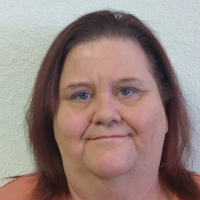
Texas · 9 yrs exp
Licensed Professional Counselor - stress and relationship issues
Stress, Anxiety · Trauma and abuse · Grief · Depression · +12 more
Read profile
Texas · 10 yrs exp
LPC in Texas focusing on anxiety and relationships
Stress, Anxiety · Relationship · Family · Depression · +14 more
Read profile
Ohio · 33 yrs exp
LPCC helping with stress, trauma, mood and relationships
Stress, Anxiety · Family · Trauma and abuse · Self esteem · +12 more
Read profile
Arizona · 20 yrs exp
AZ Psychologist - stress, mood, relationships
Stress, Anxiety · Addictions · Grief · Self esteem · +14 more
Read profile
Georgia · 18 yrs exp
Licensed Professional Counselor - relationship and trauma focus
Stress, Anxiety · Relationship · Family · Trauma and abuse · +10 more
Read profile
Louisiana · 22 yrs exp
LMFT LPC - Anxiety, Mood, Trauma
Stress, Anxiety · Relationship · Family · Grief · +11 more
Read profile
Ohio · 20 yrs exp
LISW in Ohio - stress, trauma, mood concerns
Stress, Anxiety · LGBT · Family · Grief · +16 more
Read profile
Arkansas · 23 yrs exp
LPC in Arkansas focusing on mood and relationship concerns
Stress, Anxiety · Trauma and abuse · Anger · Self esteem · +11 more
Read profile
Florida · 10 yrs exp
LCSW focused on anxiety and trauma
Stress, Anxiety · Trauma and abuse · Grief · Depression · +12 more
Read profile
Louisiana · 14 yrs exp
Licensed Professional Counselor - stress and relationship focus
Stress, Anxiety · Parenting · Anger · Self esteem · +1 more
Read profile
Louisiana · 25 yrs exp
LPC - Addictions, trauma, relationships
Addictions · Relationship · Family · Trauma and abuse · +11 more
Read profile
Michigan · 31 yrs exp
Licensed Professional Counselor in Michigan, focus on mood and behavior
Stress, Anxiety · Addictions · Self esteem · Career · +5 more
Read profile
New York · 14 yrs exp
LCSW - Stress, anxiety, relationships
Stress, Anxiety · Relationship · Trauma and abuse · Self esteem · +5 more
Read profile
New York · 18 yrs exp
LMHC focusing on stress and relationships
Stress, Anxiety · Relationship · Parenting · Anger · +1 more
Read profile
California · 5 yrs exp
LMFT focused on relationships and life changes
Relationship · Grief · Parenting · Self esteem · +11 more
Read profile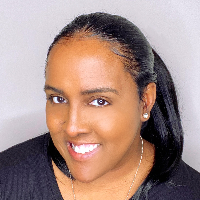
North Carolina · 20 yrs exp
LCSW focusing on mood and addiction concerns
Stress, Anxiety · Addictions · Family · Career · +16 more
Read profile
Colorado · 13 yrs exp
Licensed Marriage and Family Therapist - adult concerns
Stress, Anxiety · LGBT · Relationship · Trauma and abuse · +10 more
Read profile
North Carolina · 20 yrs exp
LPC, LCMHC - Stress and addiction support
Stress, Anxiety · Parenting · Self esteem · Depression · +15 more
Read profile
Missouri · 23 yrs exp
LPC in Missouri focusing on mood and relationships
Stress, Anxiety · Relationship · Trauma and abuse · Depression · +9 more
Read profile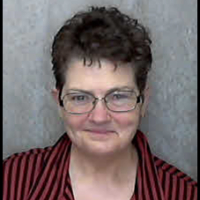
Texas · 35 yrs exp
LCSW-C and LCSW focusing on trauma and relationships
Stress, Anxiety · Relationship · Family · Trauma and abuse · +14 more
Read profile
Nevada · 25 yrs exp
LMFT for relationship and family concerns
Stress, Anxiety · Relationship · Family · Trauma and abuse · +1 more
Read profile
Illinois · 5 yrs exp
IL Psychologist focusing on stress and mood
Stress, Anxiety · Relationship · Trauma and abuse · Depression · +12 more
Read profile
Illinois · 34 yrs exp
LCPC focusing on mood and relationship concerns
Stress, Anxiety · Relationship · Grief · Self esteem · +11 more
Read profile
North Dakota · 10 yrs exp
Licensed Clinical Social Worker - stress and trauma
Stress, Anxiety · Relationship · Family · Trauma and abuse · +10 more
Read profile
Georgia · 29 yrs exp
LCSW in Florida and Georgia - stress and addiction care
Stress, Anxiety · Addictions · Relationship · Trauma and abuse · +1 more
Read profile
Florida · 35 yrs exp
LMHC in Florida focusing on mood and life challenges
Stress, Anxiety · Family · Grief · Eating · +16 more
Read profile
Michigan · 20 yrs exp
LMSW focusing on relationship and mood concerns
LGBT · Family · Intimacy-related issues · Parenting · +1 more
Read profile
Delaware · 24 yrs exp
LMFT focused on relationships and family issues
Relationship · Family · Trauma and abuse · Parenting · +14 more
Read profile
Idaho · 18 yrs exp
LCSW focused on mood and life changes
Stress, Anxiety · Trauma and abuse · Grief · Self esteem · +10 more
Read profile
Texas · 12 yrs exp
LPC focusing on trauma and mood concerns
Stress, Anxiety · Trauma and abuse · Eating · Depression · +13 more
Read profile
Indiana · 35 yrs exp
LCSW focusing on mood and life transitions
Stress, Anxiety · Grief · Self esteem · Depression · +4 more
Read profile
Massachusetts · 30 yrs exp
MA LMFT, MA LMHC working with addiction and family concerns
Addictions · Family · Trauma and abuse · Grief · +16 more
Read profile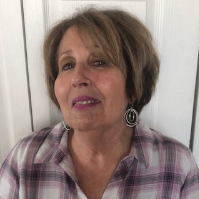
Arizona · 25 yrs exp
Licensed Professional Counselor in Arizona
Stress, Anxiety · Addictions · Relationship · Trauma and abuse · +11 more
Read profile
Texas · 15 yrs exp
LPC helping with addictions and trauma
Addictions · Trauma and abuse · Grief · Anger · +10 more
Read profile
Texas · 3 yrs exp
LCSW focusing on mood and coping
Stress, Anxiety · Anger · Depression · Addictions · +8 more
Read profile
Virginia · 13 yrs exp
Licensed Professional Counselor - stress and relationships
Stress, Anxiety · Family · Trauma and abuse · Parenting · +12 more
Read profile
Colorado · 18 yrs exp
LPC LCPC - stress, mood, and behavior work
Stress, Anxiety · Addictions · Relationship · Self esteem · +15 more
Read profile
Massachusetts · 15 yrs exp
LICSW focused on mood and life changes
Stress, Anxiety · Relationship · Grief · Depression · +1 more
Read profile
Michigan · 33 yrs exp
MI Psychologist working with anxiety and life changes
Stress, Anxiety · Parenting · Coping with life changes · Addictions · +7 more
Read profile
Ohio · 13 yrs exp
LIMFT, LPCC - stress, relationships, trauma
Stress, Anxiety · Relationship · Family · Parenting · +13 more
Read profile
Florida · 13 yrs exp
LMHC in Florida - Stress, Relationships, Addictions
Stress, Anxiety · Trauma and abuse · Anger · Depression · +11 more
Read profile
Minnesota · 3 yrs exp
LICSW LCSW - Stress, Anxiety, Addictions
Stress, Anxiety · Addictions · Trauma and abuse · Bipolar · +5 more
Read profile
Florida · 30 yrs exp
LCSW supporting stress, mood, and relationship concerns
Stress, Anxiety · Trauma and abuse · Self esteem · Depression · +11 more
Read profile
South Carolina · 25 yrs exp
Licensed LPC in South Carolina - addictions and relationships
Addictions · Relationship · Grief · Self esteem · +9 more
Read profile
Georgia · 9 yrs exp
LPC in Georgia focusing on trauma and addiction
Stress, Anxiety · Anger · Self esteem · Bipolar · +11 more
Read profile
Michigan · 10 yrs exp
LMSW, LISW - depression, anxiety, trauma
Addictions · Relationship · Trauma and abuse · Self esteem · +16 more
Read profile
Florida · 21 yrs exp
LCSW focused on relationships and life changes
Stress, Anxiety · Relationship · Family · Eating · +16 more
Read profileMood disorders are a category of emotional health concerns that influence your day-to-day mood, energy, motivation, and the way you relate to others. They can range from episodes of low mood and loss of interest to periods of elevated mood and increased activity. You may find that mood shifts affect your work, relationships, sleep, appetite, or sense of meaning. For many people mood changes are episodic, returning to a baseline between episodes, while for others they may be more persistent and diffuse.
When you think about seeking help, it can help to recognize that mood challenges are common and that people often respond best when they approach treatment with clear goals. Therapy is one component of care that focuses on understanding patterns, building skills that help you manage mood fluctuations, and developing strategies to improve day-to-day functioning. Therapists listed for mood disorders typically work with a range of symptoms and life situations that accompany mood changes, so you can look for clinicians whose focus matches what you are experiencing.
You might consider therapy if you notice that low mood or irritability interferes with your ability to do things that matter to you, such as completing work tasks, maintaining relationships, or enjoying activities you once liked. Other signs include prolonged sadness, marked changes in sleep or appetite, trouble concentrating, excessive worry about mood swings, or periods of unusually high energy that lead to risky behavior. If mood changes cause withdrawal from friends or family or make it hard to care for yourself, those are additional reasons to reach out for professional support.
Early sessions are typically focused on understanding your history and current concerns. You can expect to talk about your mood patterns, any life events that relate to those changes, how symptoms affect your daily life, and whether you are working with any other health professionals. Together with a therapist you can clarify goals - for example, reducing the intensity of depressive episodes, stabilizing mood swings, improving sleep, or strengthening relationships. Your therapist may use standardized questionnaires or mood tracking to help map change over time. The pace and emphasis will depend on your needs and preferences, and you should feel encouraged to ask questions about approaches and how progress will be measured.
Therapists who list cognitive behavioral therapy among their approaches often focus on identifying patterns of thinking and behavior that maintain low mood and on teaching skills to shift those patterns. Behavioral activation is a related method that helps you schedule activities that increase positive reinforcement and counter withdrawal. Interpersonal approaches look at relationships and role changes that may influence mood, helping you address conflicts and build support.
Some therapists list dialectical behavior therapy among their approaches to help people manage intense emotions and improve emotion regulation and distress tolerance skills. Acceptance and commitment oriented work emphasizes values and committed action, helping you live in accordance with what matters even when mood is difficult. Psychodynamic approaches explore long-term patterns and meaning, which can be helpful if you want to understand how past experience shapes current mood. You may also find therapists who list mindfulness-based practices or relaxation skills as part of their offerings. When reading profiles, note which approaches clinicians list, as that indicates the kinds of strategies they commonly use rather than a guarantee of specific training credentials.
Online therapy for mood disorders typically takes place via video sessions, phone calls, or text and messaging options. Video sessions aim to replicate many elements of in-person work, allowing you to see and hear a clinician and practice skills together. Messaging or text-based options let you communicate asynchronously, which some people find helpful for brief check-ins or tracking mood between sessions. To participate you will need a device with a camera and microphone for video, a quiet place where you feel comfortable, and a reliable internet connection. You can expect your therapist to discuss how they handle records, emergency contacts, and what to do if you experience a crisis between sessions.
If you choose online work, think about where you will attend sessions. A room where you can speak freely and focus without interruption helps make sessions more effective. You may also want to plan how to manage technical issues, such as what to do if a call drops. Online therapy can increase flexibility and access to clinicians who speak your language or specialize in particular approaches. It can also allow closer collaboration with other professionals in different locations when that is needed for your care. If you have concerns about immediate safety or feel you might be at risk of harming yourself or others, contact local emergency services or a crisis line right away rather than waiting for an online appointment.
When you compare profiles, look for therapists who list mood disorders or related focus areas that align with your concerns. Consider the approaches they list and whether those methods appeal to you - for example, whether you prefer skills-based work, exploration of relationship patterns, or a blend of strategies. Pay attention to any notes about populations or life stages a therapist highlights, such as work with adolescents, postpartum mood changes, or mood concerns that co-occur with chronic illness.
Think about practical factors such as session format, languages offered, and the clinician's professional credentials and supervised experience. It is reasonable to ask a therapist about how they typically structure sessions for mood-related work, how they measure progress, and what you can expect in the short and medium term. Your comfort level is important - you should feel able to be open and to discuss what is or is not working in therapy. Cost, insurance considerations, and scheduling preferences also matter, so weigh those elements along with clinical focus when narrowing your choices. Remember that finding the right fit sometimes takes time, and changing therapists or adjusting your plan is a normal part of seeking care that meets your needs.
Seeking help for mood disorders is a proactive step toward improving day-to-day functioning and quality of life. Whether you engage in in-person or online sessions, therapists who list mood disorders among their specialties can work with you to identify patterns, build coping skills, and create a manageable plan for meeting your goals. Use the listings above to explore clinicians' focus areas and approaches, and reach out to begin a conversation about what kind of support will feel most helpful to you.
Alabama
31 therapists
Alaska
3 therapists
Arizona
34 therapists
Arkansas
20 therapists
California
266 therapists
Colorado
72 therapists
Connecticut
26 therapists
Delaware
3 therapists
District of Columbia
7 therapists
Florida
252 therapists
Georgia
85 therapists
Hawaii
8 therapists
Idaho
15 therapists
Illinois
102 therapists
Indiana
41 therapists
Iowa
7 therapists
Kansas
20 therapists
Kentucky
30 therapists
Louisiana
42 therapists
Maine
12 therapists
Maryland
68 therapists
Massachusetts
49 therapists
Michigan
79 therapists
Minnesota
40 therapists
Mississippi
17 therapists
Missouri
68 therapists
Montana
13 therapists
Nebraska
18 therapists
Nevada
12 therapists
New Hampshire
7 therapists
New Jersey
57 therapists
New Mexico
14 therapists
New York
173 therapists
North Carolina
118 therapists
North Dakota
5 therapists
Ohio
79 therapists
Oklahoma
30 therapists
Oregon
26 therapists
Pennsylvania
85 therapists
Rhode Island
2 therapists
South Carolina
52 therapists
South Dakota
4 therapists
Tennessee
33 therapists
Texas
263 therapists
Utah
26 therapists
Vermont
4 therapists
Virginia
77 therapists
Washington
52 therapists
West Virginia
7 therapists
Wisconsin
40 therapists
Wyoming
3 therapists