
Velma Jones
LCSWNew York · 29 yrs exp
LCSW - adult mood and relationship concerns
Stress, Anxiety · Relationship · Trauma and abuse · Depression · +10 more
Read profileTherapist listings are provided by BetterHelp. We will earn a commission at no additional cost to you if you use our links to purchase.
Find therapists who list OCD among their practice specialties and read detailed profiles to learn about their approaches, credentials, languages, and areas of focus.
Browse the listings below to compare professionals by approach, location, and client focus as you explore options for assessment and care.
New York · 29 yrs exp
LCSW - adult mood and relationship concerns
Stress, Anxiety · Relationship · Trauma and abuse · Depression · +10 more
Read profile
Ohio · 25 yrs exp
LPCC in Ohio - stress, relationships, trauma
Stress, Anxiety · LGBT · Relationship · Self esteem · +16 more
Read profile
Colorado · 19 yrs exp
LCSW focusing on mood and relationship concerns
Stress, Anxiety · Relationship · Trauma and abuse · Grief · +12 more
Read profile
Florida · 20 yrs exp
Dr. Daniella Jackson, LMHC - addiction and mood concerns
Stress, Anxiety · Addictions · Relationship · Self esteem · +16 more
Read profile
Maryland · 6 yrs exp
LCPC in Maryland - stress and trauma work
Stress, Anxiety · Trauma and abuse · Self esteem · Coping with life changes · +10 more
Read profile
Michigan · 5 yrs exp
Licensed Professional Counselor - stress and life transitions
Stress, Anxiety · Relationship · Family · Self esteem · +12 more
Read profile
Pennsylvania · 12 yrs exp
LPCC LMHC - Stress, anxiety, relationships
Stress, Anxiety · Relationship · Self esteem · Depression · +11 more
Read profile
North Carolina · 10 yrs exp
LCSW, LISW-CP - Stress and relationship work
Stress, Anxiety · Relationship · Family · Bipolar · +16 more
Read profile
Texas · 9 yrs exp
Licensed Professional Counselor - stress and relationship issues
Stress, Anxiety · Trauma and abuse · Grief · Depression · +12 more
Read profile
Texas · 10 yrs exp
LPC in Texas focusing on anxiety and relationships
Stress, Anxiety · Relationship · Family · Depression · +14 more
Read profile
Arizona · 20 yrs exp
AZ Psychologist - stress, mood, relationships
Stress, Anxiety · Addictions · Grief · Self esteem · +14 more
Read profile
Georgia · 18 yrs exp
Licensed Professional Counselor - relationship and trauma focus
Stress, Anxiety · Relationship · Family · Trauma and abuse · +10 more
Read profile
Louisiana · 22 yrs exp
LMFT LPC - Anxiety, Mood, Trauma
Stress, Anxiety · Relationship · Family · Grief · +11 more
Read profile
Ohio · 20 yrs exp
LISW in Ohio - stress, trauma, mood concerns
Stress, Anxiety · LGBT · Family · Grief · +16 more
Read profile
Arkansas · 23 yrs exp
LPC in Arkansas focusing on mood and relationship concerns
Stress, Anxiety · Trauma and abuse · Anger · Self esteem · +11 more
Read profile
Michigan · 31 yrs exp
Licensed Professional Counselor in Michigan, focus on mood and behavior
Stress, Anxiety · Addictions · Self esteem · Career · +5 more
Read profile
New York · 18 yrs exp
LMHC focusing on stress and relationships
Stress, Anxiety · Relationship · Parenting · Anger · +1 more
Read profile
California · 5 yrs exp
LMFT focused on relationships and life changes
Relationship · Grief · Parenting · Self esteem · +11 more
Read profile
North Carolina · 20 yrs exp
LCSW focusing on mood and addiction concerns
Stress, Anxiety · Addictions · Family · Career · +16 more
Read profile
Missouri · 23 yrs exp
LPC in Missouri focusing on mood and relationships
Stress, Anxiety · Relationship · Trauma and abuse · Depression · +9 more
Read profile
Illinois · 5 yrs exp
IL Psychologist focusing on stress and mood
Stress, Anxiety · Relationship · Trauma and abuse · Depression · +12 more
Read profile
North Dakota · 10 yrs exp
Licensed Clinical Social Worker - stress and trauma
Stress, Anxiety · Relationship · Family · Trauma and abuse · +10 more
Read profile
Florida · 35 yrs exp
LMHC in Florida focusing on mood and life challenges
Stress, Anxiety · Family · Grief · Eating · +16 more
Read profile
Delaware · 24 yrs exp
LMFT focused on relationships and family issues
Relationship · Family · Trauma and abuse · Parenting · +14 more
Read profile
Texas · 12 yrs exp
LPC focusing on trauma and mood concerns
Stress, Anxiety · Trauma and abuse · Eating · Depression · +13 more
Read profile
New Jersey · 25 yrs exp
LPC in New Jersey focusing on stress and relationships
Stress, Anxiety · Family · Trauma and abuse · Grief · +9 more
Read profile
Mississippi · 16 yrs exp
LPC focused on anxiety, trauma, and family concerns
Stress, Anxiety · Family · Anger · Depression · +8 more
Read profile
Virginia · 13 yrs exp
Licensed Professional Counselor - stress and relationships
Stress, Anxiety · Family · Trauma and abuse · Parenting · +12 more
Read profile
Colorado · 18 yrs exp
LPC LCPC - stress, mood, and behavior work
Stress, Anxiety · Addictions · Relationship · Self esteem · +15 more
Read profile
Michigan · 33 yrs exp
MI Psychologist working with anxiety and life changes
Stress, Anxiety · Parenting · Coping with life changes · Addictions · +7 more
Read profile
Florida · 30 yrs exp
LCSW supporting stress, mood, and relationship concerns
Stress, Anxiety · Trauma and abuse · Self esteem · Depression · +11 more
Read profile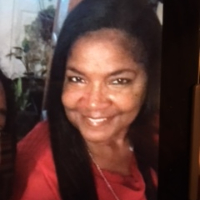
Georgia · 9 yrs exp
LPC in Georgia focusing on trauma and addiction
Stress, Anxiety · Anger · Self esteem · Bipolar · +11 more
Read profile
Michigan · 10 yrs exp
LMSW, LISW - depression, anxiety, trauma
Addictions · Relationship · Trauma and abuse · Self esteem · +16 more
Read profile
Wisconsin · 15 yrs exp
Licensed Professional Counselor - stress and relationship work
Stress, Anxiety · Addictions · Relationship · Depression · +15 more
Read profile
Pennsylvania · 28 yrs exp
Licensed Professional Counselor - addictions and relationship work
Addictions · Relationship · Family · Trauma and abuse · +3 more
Read profile
Texas · 17 yrs exp
LPC, LMFT in Texas focused on mood and relationships
Stress, Anxiety · Relationship · Family · Trauma and abuse · +11 more
Read profile
Michigan · 9 yrs exp
LMSW in Michigan - stress, addiction, relationships
Stress, Anxiety · Addictions · Relationship · Trauma and abuse · +15 more
Read profile
Florida · 30 yrs exp
LMHC in Florida - mood and relationship work
Stress, Anxiety · Relationship · Family · Self esteem · +15 more
Read profile
South Carolina · 21 yrs exp
LPC, LCMHC - relationship and emotional concerns
Relationship · Grief · Parenting · Depression · +14 more
Read profile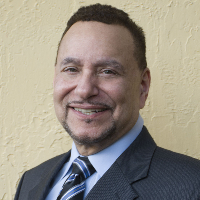
Florida · 30 yrs exp
Dr. Oren Hernández LMHC LMFT - stress and mood concerns
Stress, Anxiety · Addictions · Trauma and abuse · Grief · +14 more
Read profile
Utah · 11 yrs exp
LCSW focusing on trauma and behavior concerns
Stress, Anxiety · Addictions · Relationship · Trauma and abuse · +16 more
Read profile
South Carolina · 20 yrs exp
LCSW LISW focusing on stress and relationships
Stress, Anxiety · LGBT · Relationship · Family · +6 more
Read profile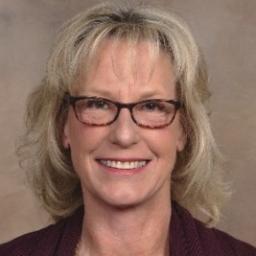
Florida · 18 yrs exp
LCSW - Stress, trauma, mood, and addiction support
Stress, Anxiety · Relationship · Trauma and abuse · Depression · +14 more
Read profile
Indiana · 46 yrs exp
LMHC - Trauma and anxiety focus
Stress, Anxiety · Family · Trauma and abuse · Grief · +11 more
Read profile
Michigan · 8 yrs exp
Licensed LMSW - stress, trauma, transitions
Stress, Anxiety · Self esteem · Depression · Coping with life changes · +9 more
Read profile
Illinois · 41 yrs exp
LCSW - Stress, Mood, and Relationship Concerns
Stress, Anxiety · Parenting · Bipolar · Depression · +15 more
Read profile
California · 20 yrs exp
LMFT focusing on trauma and mood concerns
Stress, Anxiety · Trauma and abuse · Parenting · Anger · +13 more
Read profile
Tennessee · 30 yrs exp
LCSW focusing on sex-related concerns for men
Stress, Anxiety · Addictions · LGBT · Relationship · +14 more
Read profile
New York · 11 yrs exp
LMHC focused on mood and relationship concerns
Stress, Anxiety · Relationship · Family · Eating · +11 more
Read profile
New York · 22 yrs exp
LCSW focused on relationships and mood
Stress, Anxiety · Relationship · Parenting · Bipolar · +14 more
Read profile
Minnesota · 10 yrs exp
LPCC - Stress, relationships, trauma
Stress, Anxiety · Relationship · Trauma and abuse · Depression · +15 more
Read profile
Colorado · 8 yrs exp
LCSW focused on mood and relationships
Stress, Anxiety · Relationship · Trauma and abuse · Grief · +16 more
Read profile
Illinois · 15 yrs exp
LCPC - Mood and trauma focused
Trauma and abuse · Anger · Self esteem · Bipolar · +11 more
Read profile
Florida · 32 yrs exp
Licensed Mental Health Counselor in Florida - stress and trauma
Stress, Anxiety · Trauma and abuse · Parenting · Depression · +16 more
Read profile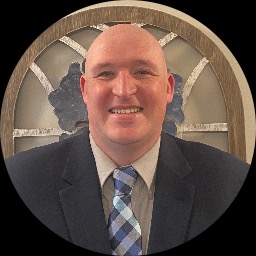
New York · 6 yrs exp
Licensed Mental Health Counselor focused on anxiety and stress
Stress, Anxiety · Family · Self esteem · Depression · +16 more
Read profile
Arizona · 15 yrs exp
LCSW - Anxiety, Mood, Life Changes
Stress, Anxiety · Grief · Self esteem · Depression · +12 more
Read profile
Texas · 5 yrs exp
LPC in Texas focused on relationships and trauma
Relationship · Family · Trauma and abuse · Grief · +10 more
Read profile
Indiana · 15 yrs exp
LCSW focused on relationship and trauma work
Stress, Anxiety · Relationship · Family · Trauma and abuse · +10 more
Read profile
Minnesota · 37 yrs exp
LICSW - Stress, Trauma, Relationship Concerns
Stress, Anxiety · LGBT · Trauma and abuse · Depression · +14 more
Read profile
Pennsylvania · 20 yrs exp
LPC in Pennsylvania focusing on trauma and life changes
Trauma and abuse · Parenting · Career · Coping with life changes · +14 more
Read profileObsessive-compulsive disorder, often called OCD, is a pattern of unwanted thoughts and repetitive behaviors that can take up large amounts of time and energy. Your experience might include persistent intrusive thoughts or mental images that cause distress, followed by urges to perform rituals or mental acts in an attempt to reduce that distress. For some people these cycles are focused on cleanliness and checking, while for others they involve fears about harm, symmetry, moral concerns, or intrusive sexual or religious thoughts. The content of obsessions varies widely, but what many people share is a sense that these thoughts feel uncontrollable and misaligned with their values.
OCD can affect work, school, relationships, and your sense of well-being. You might find that routines or rituals take precedence over activities you once enjoyed, or that anxiety about obsessions makes social situations harder to manage. Because the condition often leads people to avoid triggers or bargain with themselves through rituals, the symptoms can grow over time without intervention. Understanding these patterns is the first step toward targeted support, and therapy can help you learn different ways to respond to intrusive thoughts so they have less influence over your day-to-day life.
You might consider seeking therapy if intrusive thoughts and repetitive behaviors are causing significant distress or interfering with your responsibilities. Common signals include spending a lot of time on checking, cleaning, counting, or mental reviewing; avoiding places or situations that trigger obsessions; feeling distressed by thoughts that seem unacceptable or irrational; or noticing that rituals no longer relieve anxiety the way they used to. You may also feel shame or embarrassment about the nature of your obsessions, which can make it harder to reach out for help.
Therapy can be helpful whether your symptoms are new or long-standing. If you find that worry and ritualizing are isolating you from friends and family, making it difficult to concentrate, or causing you to miss work or school, these are clear indications that targeted professional support could help. If you are unsure whether your experiences meet diagnostic criteria for OCD, a detailed assessment with a mental health professional can clarify the pattern of symptoms and identify the most useful treatment strategies for your situation.
When you begin therapy for OCD, the initial sessions typically focus on building a clear picture of your symptoms and how they function in your life. A therapist will ask about the content and frequency of your intrusive thoughts, the rituals or mental strategies you use to respond, and how these behaviors affect your daily routine. Together you will map out triggers and patterns, which helps guide a personalized plan for therapy.
As treatment progresses, sessions often involve learning specific skills to change your relationship to obsessions and the behaviors that follow. This may include practicing new responses to triggers within sessions and applying those strategies in real-world situations between appointments. You can expect a combination of education about OCD, skills training, and guided practice aimed at reducing the hold that obsessions and compulsions have on your life. Therapists will generally work collaboratively with you, setting goals that reflect what matters most to you and revising strategies as you gain new skills.
The pace of therapy varies depending on the intensity of symptoms and your personal goals. Some people move quickly into hands-on practice, while others take more time to build coping skills and confidence. You should expect a collaborative approach where you and the therapist regularly review progress and adjust interventions to fit your needs, preferences, and daily commitments.
Several approaches are commonly used by therapists who work with OCD, and different clinicians may describe their practice in different terms. Many therapists list cognitive-behavioral therapy among their approaches, often highlighting exposure and response prevention as a central strategy. Exposure and response prevention focuses on gradually facing feared thoughts or situations while resisting the urge to perform rituals, which over time can reduce the anxiety tied to obsessions.
Other therapists may list acceptance and commitment approaches, which emphasize building psychological flexibility and acting in ways that align with your values even when uncomfortable thoughts are present. Some clinicians include techniques from habit reversal or mindfulness-based methods to help you notice urges and choose alternative actions. When you review profiles, you will see therapists describe a range of methods; note how they explain the role of exposure, behavioral experiments, cognitive restructuring, and skills training so you can choose someone whose style matches what you prefer.
Online therapy can offer practical options for working through OCD, whether you prefer video sessions, phone calls, or text-based messaging. In virtual sessions you can work with a therapist to identify triggers, practice exposure exercises with guidance, and receive feedback on strategies you use between appointments. Many people find online formats helpful because they can conduct exposures in their own home or community with real-time support from a therapist.
When considering online therapy, think about how you will handle in-session exposures and between-session homework in your current environment. You may need to coordinate sessions at times when you can focus without distraction and have a private space to engage in therapeutic exercises. Discuss with any potential therapist how they adapt exposure exercises to remote formats and how they structure between-session practice so it fits your schedule and living situation.
When you explore listings, focus on how a therapist describes their experience with OCD and the approaches they list rather than assuming specific credentials guarantee a particular method. Look for clinicians who clearly explain how they work with obsessions and compulsions, including whether they use exposure-based strategies, cognitive techniques, or acceptance-focused methods. Pay attention to notes about populations they work with, such as adults, adolescents, or families, and whether they mention particular life contexts like relationship or workplace impacts.
Language and cultural fit can be important. If you prefer a therapist who speaks your language or has experience with your cultural background, that information is often included in profiles. Also consider practical matters such as session format - online, in-person, or hybrid - and whether the therapist describes a collaborative style that matches your preferences. Finally, trust your sense of connection. The first few sessions are a chance to see whether the therapist’s approach feels respectful of your values and realistic about the changes you want to make. If the fit is not right, it is reasonable to keep looking until you find someone whose approach and communication style align with your needs.
Taking the step to seek help for OCD can feel daunting, but informed choices about the type of therapy and the clinician you work with can make a meaningful difference in how you manage intrusive thoughts and compulsive behaviors. Use profile details to compare approaches, read how therapists describe their work with OCD, and select someone whose method and background feel like a good match for your goals. With targeted practice and collaboration, many people find ways to reduce the impact of OCD on daily life and reclaim activities that matter to them.
Alabama
31 therapists
Alaska
3 therapists
Arizona
34 therapists
Arkansas
20 therapists
California
266 therapists
Colorado
72 therapists
Connecticut
26 therapists
Delaware
3 therapists
District of Columbia
7 therapists
Florida
252 therapists
Georgia
85 therapists
Hawaii
8 therapists
Idaho
15 therapists
Illinois
102 therapists
Indiana
41 therapists
Iowa
7 therapists
Kansas
20 therapists
Kentucky
30 therapists
Louisiana
42 therapists
Maine
12 therapists
Maryland
68 therapists
Massachusetts
49 therapists
Michigan
79 therapists
Minnesota
40 therapists
Mississippi
17 therapists
Missouri
68 therapists
Montana
13 therapists
Nebraska
18 therapists
Nevada
12 therapists
New Hampshire
7 therapists
New Jersey
57 therapists
New Mexico
14 therapists
New York
173 therapists
North Carolina
118 therapists
North Dakota
5 therapists
Ohio
79 therapists
Oklahoma
30 therapists
Oregon
26 therapists
Pennsylvania
85 therapists
Rhode Island
2 therapists
South Carolina
52 therapists
South Dakota
4 therapists
Tennessee
33 therapists
Texas
263 therapists
Utah
26 therapists
Vermont
4 therapists
Virginia
77 therapists
Washington
52 therapists
West Virginia
7 therapists
Wisconsin
40 therapists
Wyoming
3 therapists