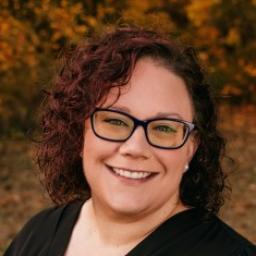
Therapist profile
Rachel Green, LPCC
LPCC in Ohio - stress, trauma, mood concerns
- Credentials
- LPCC
- Licensed in
- Ohio
- License
- LPCC E.1901089-SUPV (Ohio)
- NPI
- 1407228950
- Experience
- 8 years
- Languages
- English
- Client-Centered Therapy
- CBT and DBT skills
- Parenting support
About Rachel
Rachel Green, LPCC, is a licensed professional clinical counselor in Ohio with eight years of practice. She works with stress, anxiety, depression, trauma and abuse, grief, addictions, relationship and intimacy concerns, eating-related issues, parenting concerns, bipolar disorder, ADHD, and related challenges. Her approach is client-centered and practical, using cognitive behavioral and dialectical behavior methods alongside mindfulness and motivational interviewing.
Rachel draws on experience from pediatric behavioral health, individual therapy, and crisis intervention. She helps people reduce symptoms of depression and anxiety and manage mood-related problems. She also supports parents who want clearer strategies for caregiving and stronger parent-child interactions.
Her sessions focus on developing skills and real strategies. She uses CBT to identify and change unhelpful thinking and behavior patterns. DBT skills are used for emotion regulation and distress tolerance. Mindfulness is included to build present-moment awareness and reduce reactivity.
Motivational interviewing helps when people feel stuck or ambivalent about change. Rachel aims to help clients find their own workable solutions rather than prescribing fixed answers. She views therapy as a collaborative process.
Her background includes training in child-focused interventions and biofeedback, and she applies brain-development perspectives when relevant. Rachel practices in Ohio and conducts sessions in English. Prospective clients should confirm current session formats before scheduling and follow the site's matching steps to set up an initial meeting.
Therapeutic approaches and how online sessions function
Client-Centered Therapy focuses on listening and supporting a person to find their own solutions. It helps when people want a collaborative space to sort feelings and make decisions. Cognitive Behavioral Therapy (CBT) looks at thoughts and behaviors and teaches concrete skills to reduce anxiety or depression. CBT is useful for mood problems, stress, and eating-related concerns. Dialectical Behavior Therapy (DBT) emphasizes emotion regulation, distress tolerance, and interpersonal effectiveness. These skills help when emotions feel overwhelming or relationships cause repeated conflict.Choosing the right approach is part of the work. The therapist will collaborate with the client to decide which methods fit best based on symptoms, goals, and preferences. That process can include trying skills in sessions and adjusting plans over time.
Confirm the session formats before booking since the biography does not specify them here. Online sessions can make it easier to fit therapy into a busy week, allow shorter check-ins when needed, and reduce travel time. They also let people use video or phone options depending on comfort, bandwidth, or the need for a brief conversation during a break. Ask about current session options when completing the matching questionnaire so scheduling matches practical needs.
Areas of expertise
Primary focus
Also works with
Additional focus areas
Therapeutic approaches
Experience
8+ years
Listed in
Ohio
Languages
English
Frequently asked questions
What concerns does she address?
She works with stress, anxiety, depression, trauma and abuse, grief, addictions, relationship and intimacy issues, eating-related concerns, parenting challenges, bipolar disorder, ADHD, and related areas.
How would you describe her therapeutic style?
Her style is practical and client-centered, emphasizing skills-based methods like cognitive behavioral and dialectical behavior approaches with mindfulness and motivational interviewing.
How much experience does she have?
She has eight years of clinical practice dating from 2014, with experience in pediatric behavioral health, individual therapy, and crisis intervention.
What credential does she hold and where is she licensed?
She holds the LPCC credential and is licensed in Ohio as an OH LPCC.
Which languages are supported in sessions?
Sessions are offered in English.
Does she work with international clients?
She does not accept international clients at this time.
How are costs and billing handled?
The cost varies by location and sessions use a subscription model that can be canceled at any time.
What are the steps to begin with her?
Select the See online therapy options button, complete a short matching questionnaire, and schedule a first session.
Is this the right person?
Several therapists can share a name. Compare what you know with the details above:
- State. Rachel is licensed in Ohio.
- Credentials. LPCC.
- License number. Check it with the licensing board in that state.
- NPI. 1407228950 on the national NPI registry.
Details come from information Rachel supplied to BetterHelp.
Online talk therapy is not emergency care. If you or someone else is in danger, use the crisis numbers.