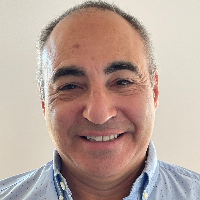
Therapist profile
Stuart Riskin, LCSW
LCSW focusing on mood and relationship work
- Credentials
- LCSW
- Licensed in
- California
- License
- LCSW 22300 (California)
- NPI
- 1447518436
- Experience
- 28 years
- Languages
- English
- Stress and anxiety
- Addictions and recovery
- Client-centered methods
About Stuart
Stuart Riskin, Licensed Clinical Social Worker (LCSW) in California, has 28 years of experience in the helping professions. He works with adults on stress, anxiety, addictions, depression, relationship and intimacy-related issues, grief, parenting concerns, trauma and abuse, and other life changes. He describes his style as supportive, respectful, and strength-based, treating clients as collaborators who bring expertise about their own lives.
Riskin followed a nontraditional route into social work after an earlier career in the entertainment business. That background and later work in both public and private sectors inform how he approaches problems. He draws on practical skills developed across different settings rather than a single career path.
In sessions he emphasizes collaboration and the client’s decision to change. Conversations focus on identifying workable steps and shifting patterns that get in the way of goals. He uses evidence-informed methods alongside a client-centered stance to help people notice and practice different choices.
He includes approaches such as Cognitive Behavioral Therapy, Emotionally-Focused Therapy, the Gottman Method, mindfulness practices, and client-centered work. These methods are used to address mood, relationships, addiction, and coping with life transitions.
Riskin frames therapy as a joint effort. He encourages clients to bring their real-life knowledge to sessions. The aim is steady behavioral change and clearer ways of handling stress, relationships, and difficult emotions.
Therapeutic approaches used in online sessions
Client-centered therapy focuses on listening and reflecting so the client’s goals guide the work; it helps when someone wants a respectful, collaborative relationship with a therapist. Cognitive Behavioral Therapy (CBT) looks at thoughts and behaviors and uses practical exercises to change patterns that feed anxiety or depression. Emotionally-Focused Therapy (EFT) concentrates on emotional responses and relationship patterns, useful for intimacy-related concerns and attachment issues.Finding the right approach is part of the work. The therapist will discuss goals, preferences, and what feels most helpful, and then recommend methods to try. Clients and the therapist decide together if a method should be adjusted or combined with something else.
Confirm current session options before booking because formats are not specified in the biography. Online work can make it easier to fit sessions into busy schedules, reduce travel time, and allow shorter check-ins when needed. Therapists who work online can adapt exercises, homework, and mindfulness practices so people can use them in everyday life.
Areas of expertise
Primary focus
Also works with
Additional focus areas
Therapeutic approaches
Experience
28+ years
Listed in
California
Languages
English
Frequently asked questions
What issues does he address?
He works with stress, anxiety, addictions, depression, relationship and intimacy-related issues, grief, parenting concerns, trauma and abuse, bipolar disorder, and related challenges.
What is his therapeutic style?
He uses a supportive, respectful, strength-based, client-centered approach and combines that with practical, evidence-informed techniques.
How long has he been practicing?
He has 28 years of experience in the helping professions.
What credentials and location are listed?
He is a Licensed Clinical Social Worker (LCSW) licensed in California.
Which languages does he use in sessions?
Sessions are offered in English.
Can international clients work with him?
He accepts international clients.
How are sessions paid for?
Cost varies with location and sessions use a subscription that can be canceled at any time.
How do I begin working with him?
Select the See online therapy options button, complete a short matching questionnaire, and schedule a first session.
Is this the right person?
Several therapists can share a name. Compare what you know with the details above:
- State. Stuart is licensed in California.
- Credentials. LCSW.
- License number. Check it with the licensing board in that state.
- NPI. 1447518436 on the national NPI registry.
Details come from information Stuart supplied to BetterHelp.
Online talk therapy is not emergency care. If you or someone else is in danger, use the crisis numbers.